
Finding The Best Banh Da Cua Exploring Local Alley
The best banh da cua in Haiphong is rarely on the main road. It is usually hiding in a narrow alley, behind a pot of steaming broth, with a few low stools and a line of neighbors waiting for breakfast. Finding it takes a little curiosity, a good eye and an empty stomach.
This guide shows you how to explore Haiphong’s alleys like a local. You will learn what makes a bowl great, which signs to look for before you sit down, when to go, and how to order and eat with confidence. Whether you wander alone or explore with a local guide from Haiphong Adventure, these tips will help you find a bowl worth remembering.
What Is Banh Da Cua
Banh da cua is Haiphong’s best-known comfort food: a bowl of chewy, reddish-brown rice noodles in a savory crab broth. The broth is traditionally made from small freshwater field crabs, which are pounded and strained so that the sweet crab flavor flows into the soup. Many visitors call it crab noodle soup, but locals simply say banh da cua.
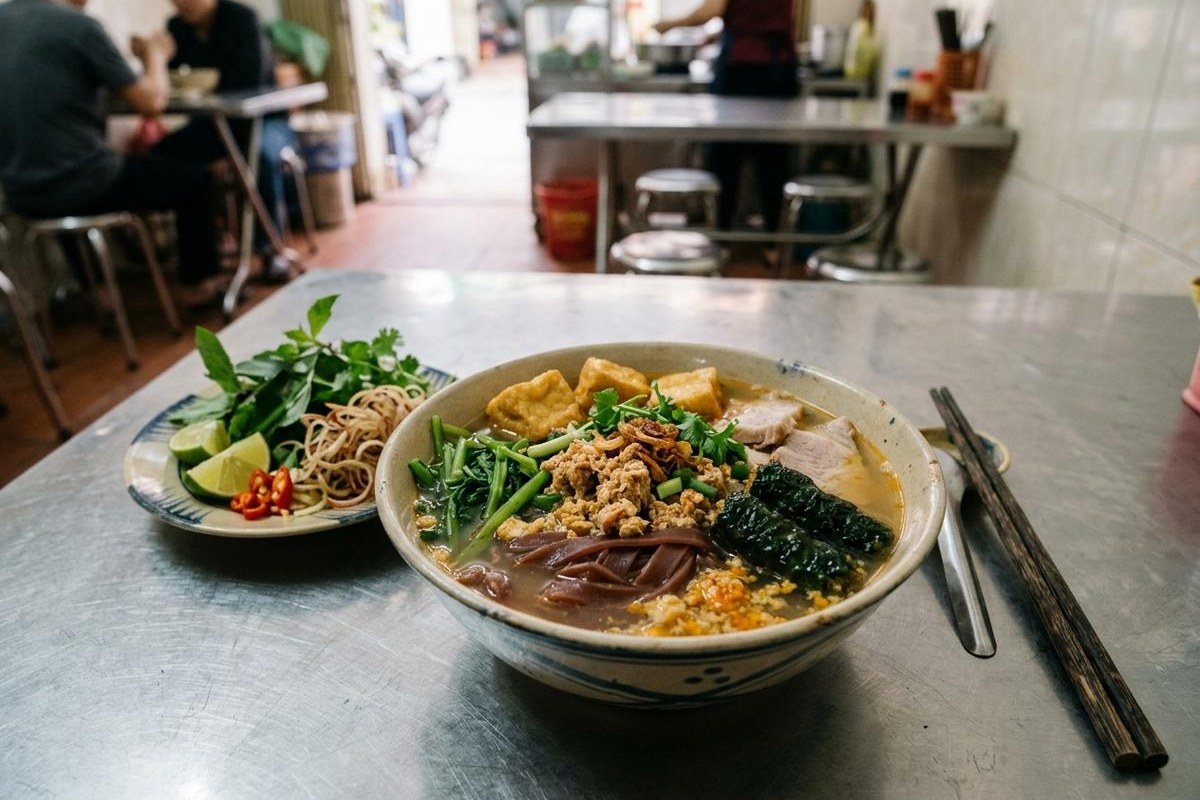
A bowl is usually topped with water spinach, crab patties, fried shallots and herbs. It is a breakfast dish more than a dinner dish, and it is one of the foods that make Haiphong different from nearby Hanoi. If you only have time to try one local meal in the city, this is a strong candidate.
Because every family shop has its own recipe, the same name can taste quite different from one alley to the next. That is exactly why the search is fun, and why this guide focuses on how to choose rather than on a single address.
Where To Look For The Best Banh Da Cua
Start by changing your mindset. In many cities the best food is on the biggest street. In Haiphong it is often the opposite. The old shops tucked into alleys, behind markets or beside small temples have been cooking for the same customers for years. They do not need a big sign, because everyone nearby already knows them.
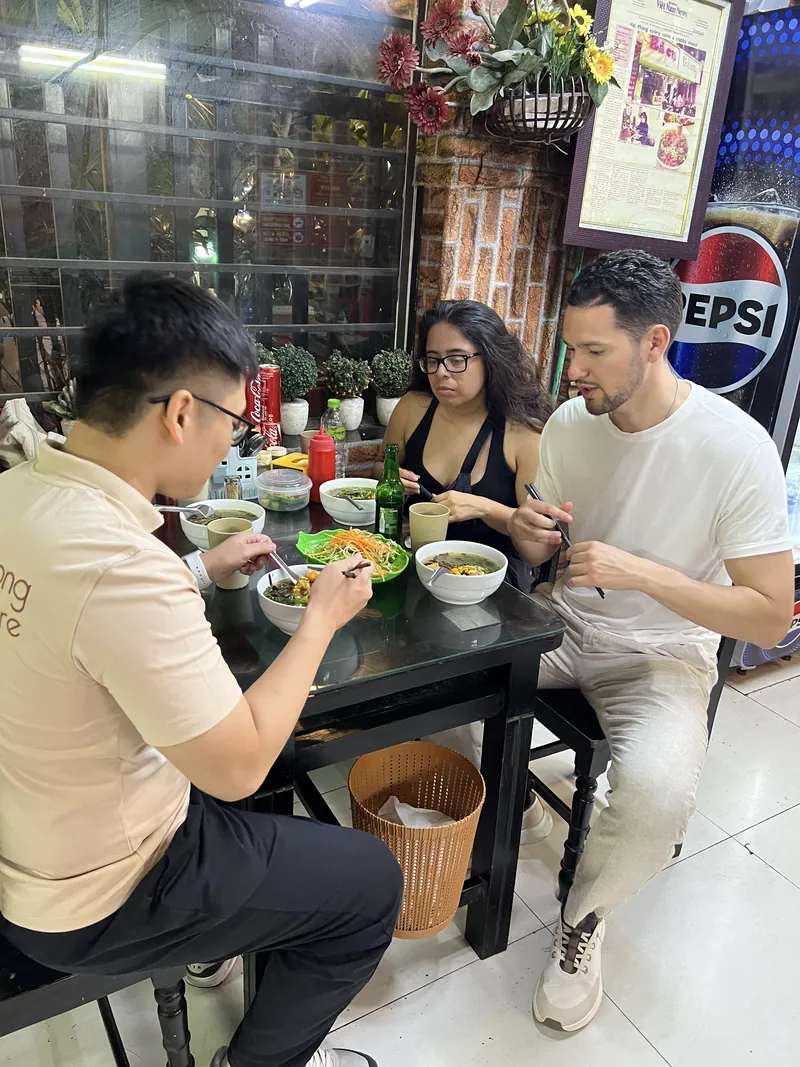
The best way to begin is to walk. Pick a neighborhood with older houses and a local market, arrive early, and follow your nose. The smell of crab broth is rich and savory, and you will notice it from a few steps away. Look for a pot sitting near the front, a stack of bowls and a small crowd of people eating quietly.
Another good approach is to ask. Hotel staff, motorbike drivers and cafe owners often have a favorite place and will happily point you in the right direction. Even if you do not speak Vietnamese, showing a photo of the dish and saying banh da cua usually works.
>>> My Haiphong Street Food Adventure Local Taste
What Makes A Great Bowl
The broth
A good broth tastes clean, savory and slightly sweet from the crab. It should not be greasy or overly salty. If the first spoonful makes you want a second, you are in the right place. Some shops keep the broth light, while others make it richer, so it is worth trying more than one.
The noodles
The reddish-brown noodles should be chewy and springy, not mushy. They are thicker than many noodles you may know, and they should hold their shape in hot soup. If they fall apart quickly, the bowl was probably not prepared well.
The toppings
Typical toppings include chopped water spinach, crab-based patties, pieces of crab, fried shallots and fresh herbs. Fresh greens should look bright, and the toppings should be hot, not lukewarm. Each shop has its own combination, and that variety is part of the fun.
The balance
A great bowl is all about balance. The broth, noodles and toppings should support each other. Chili, lime and vinegar at the table let you fine-tune the taste, but you should not need them to rescue a bland bowl.
Exploring The Local Alleys
Alley exploration is half the pleasure. Haiphong’s old neighborhoods are made of narrow lanes, shared courtyards, small shrines and family shops. Walking through them gives you a glimpse of daily life that you cannot get from the main streets.
Go slowly. Say hello to people you pass. Notice the plastic stools stacked outside a door, the cooks stirring pots, and the delivery riders who stop for a quick bowl. These small scenes tell you which shops are popular with locals.
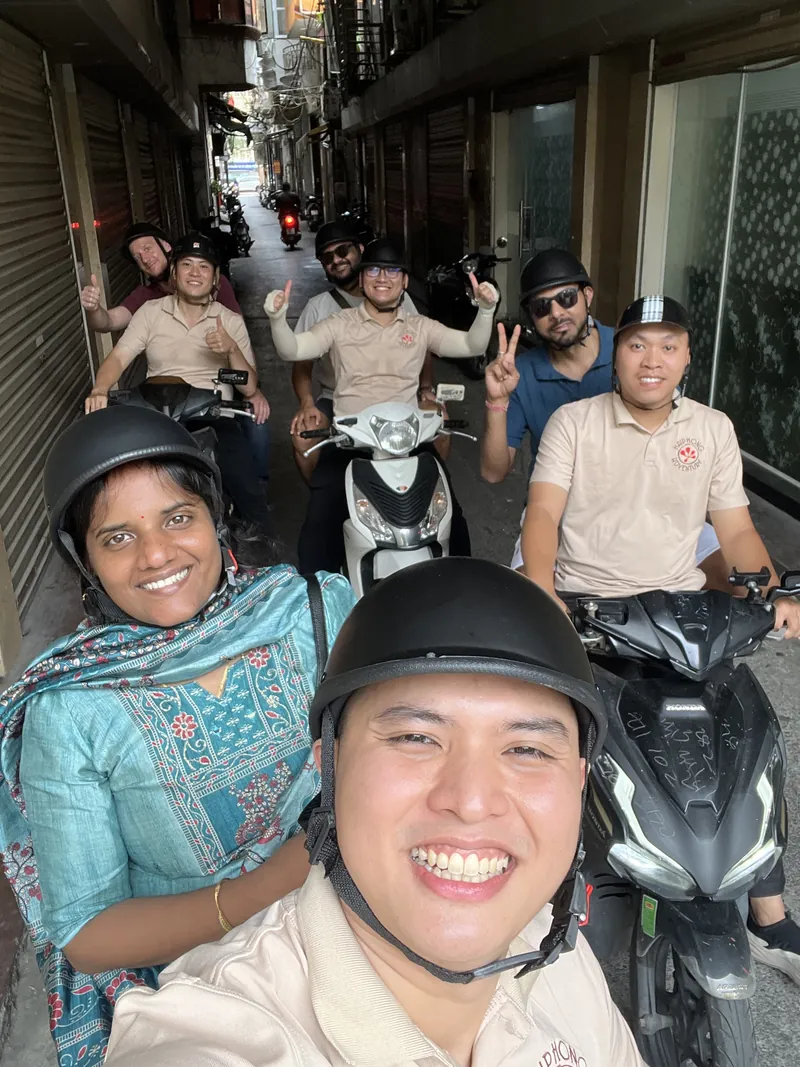
If you prefer to ride, you can combine your search with a short motorbike loop. Our guide to exploring rural villages by Haiphong motorbike tour shows how the countryside around the city connects with its food culture. Wear a helmet, ride slowly in narrow lanes and always park where you will not block a doorway.
>>> Unusual Things To Do In Haiphong Off Beaten Path
Signs Of A Good Banh Da Cua Shop
You do not need insider knowledge to recognize a good shop. Look for these signs before you sit down.
- A steady flow of local customers, especially at breakfast.
- A short, simple menu, often just one or two dishes.
- A large pot of broth that is constantly kept hot.
- Fresh greens and herbs displayed clearly.
- A clean preparation area with bowls rinsed and stacked.
Be careful with places that look very empty at peak hours or that offer a long menu of unrelated dishes. A shop that does one thing well will usually beat one that tries to do everything. Choose food that is cooked and served hot, and drink bottled water if your stomach is sensitive.
Recommended tour
The Haiphong Street Food and City Tour
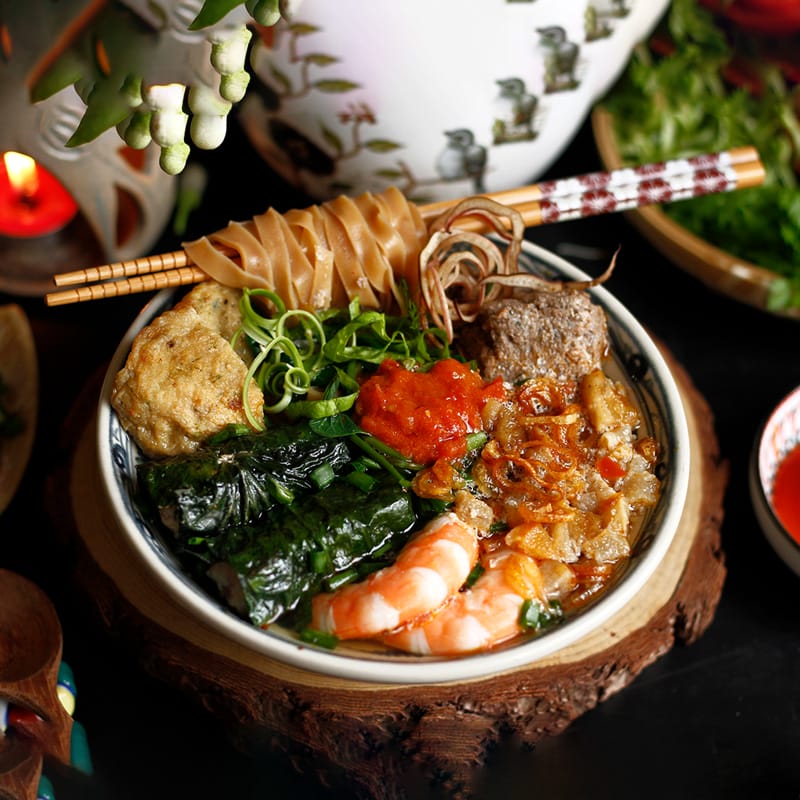
Taste banh beo, banh da cua and sweet local treats with a local guide, with stops at Linh Quang Pagoda, the Opera House and the Le Chan statue in between.
From $85 per person
The Best Time To Go
Breakfast and early lunch are the sweet spot. The broth is fresh, the toppings are plentiful and the shop is lively. Many small places open early in the morning and close once the pot is empty, sometimes before noon, so do not leave it too late. Opening hours vary from shop to shop and may change, so treat any time as a rough guide and check on the day (for reference, updated October 2026).
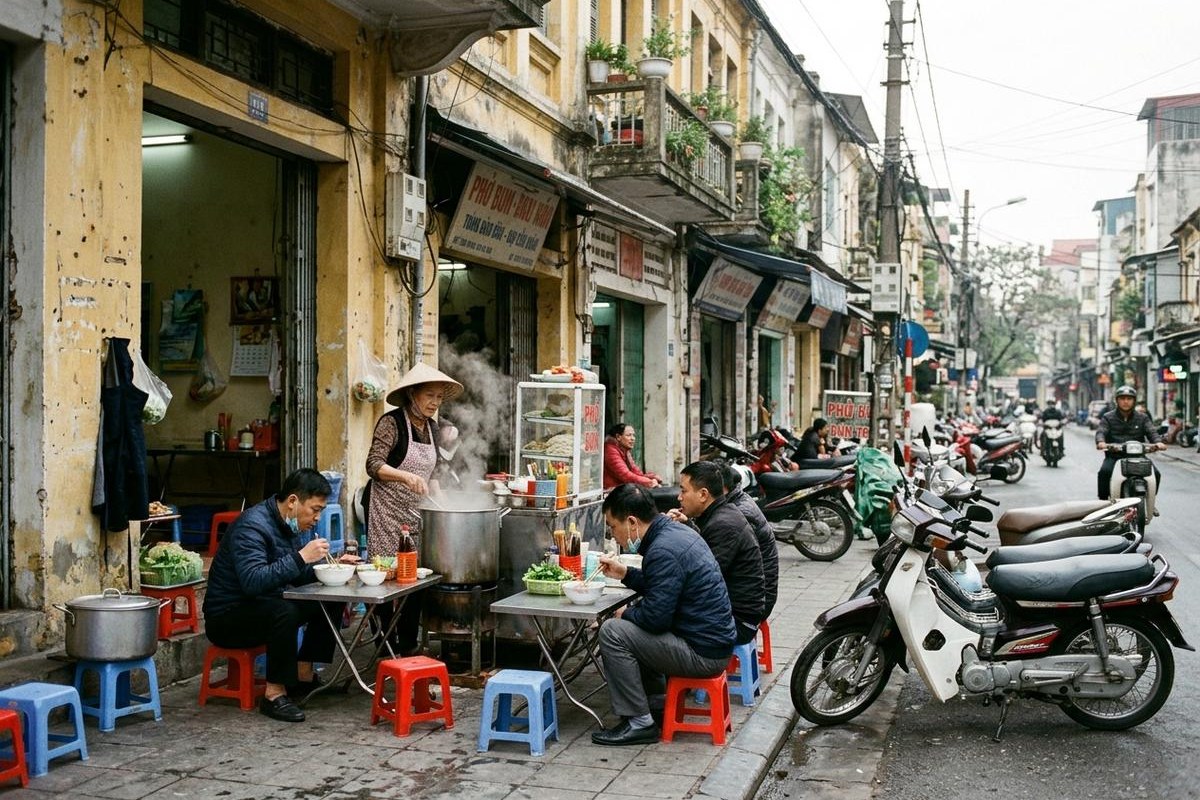
If you arrive during the busiest rush, be patient. Wait for a stool, make eye contact with the owner and say banh da cua. You will usually be served quickly, and watching the kitchen work is entertainment in itself. If you prefer a quieter experience, arrive a little after the first rush.
How To Order And What To Add
Ordering
Sit down, catch the owner’s eye and say banh da cua. If you want extra toppings, point to what you would like. Ask the price first if the shop has no menu board, especially for extras. Prices change over time and between places, so keep some small cash ready.
Seasoning at the table
You will usually find chili, lime, vinegar and sometimes fermented shrimp paste on the table. Add a little at a time and taste as you go. The shrimp paste has a very strong smell, so try only a drop or skip it. Many people love the dish without it.
Eating
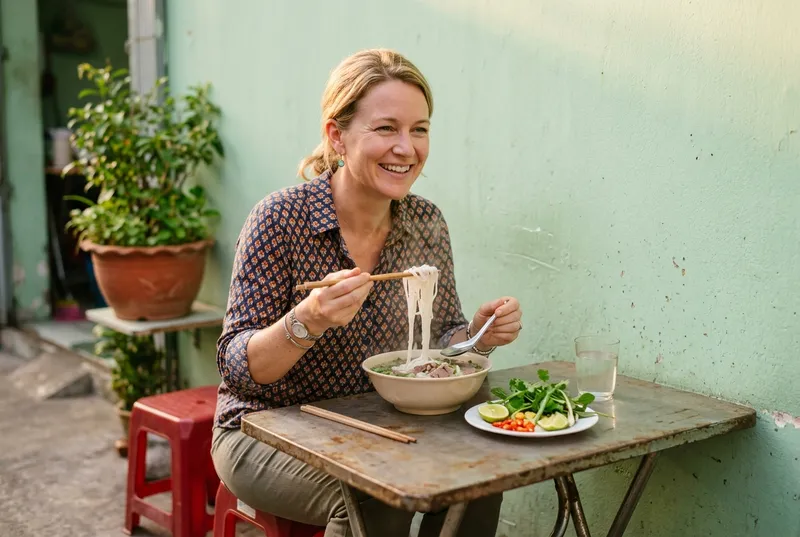
Stir the bowl gently, sip the broth and then lift the noodles with chopsticks and a spoon. Enjoy it hot. Because the noodles are chewy, you can take your time, but do not let the bowl cool for too long.
>>> Secrets To Enjoying A Real Haiphong Food Tour
A Simple Banh Da Cua Morning Plan
If you have one free morning in Haiphong, this easy rhythm works well. It keeps the plan flexible, so you can stay longer wherever you find a good bowl.
- Early morning: leave your hotel and walk toward an older neighborhood or local market.
- First stop: follow the smell of broth, choose a busy alley shop and enjoy your first bowl.
- Mid-morning: wander the surrounding lanes, watch daily life and stop for an iced coffee.
- Late morning: if you are still hungry, try a second shop and compare the broth.
Eat a lighter breakfast than usual so that you have room for a second bowl. Sharing one portion between two people is also a good way to taste more places without getting too full.
Pairing Banh Da Cua With Other Local Stops
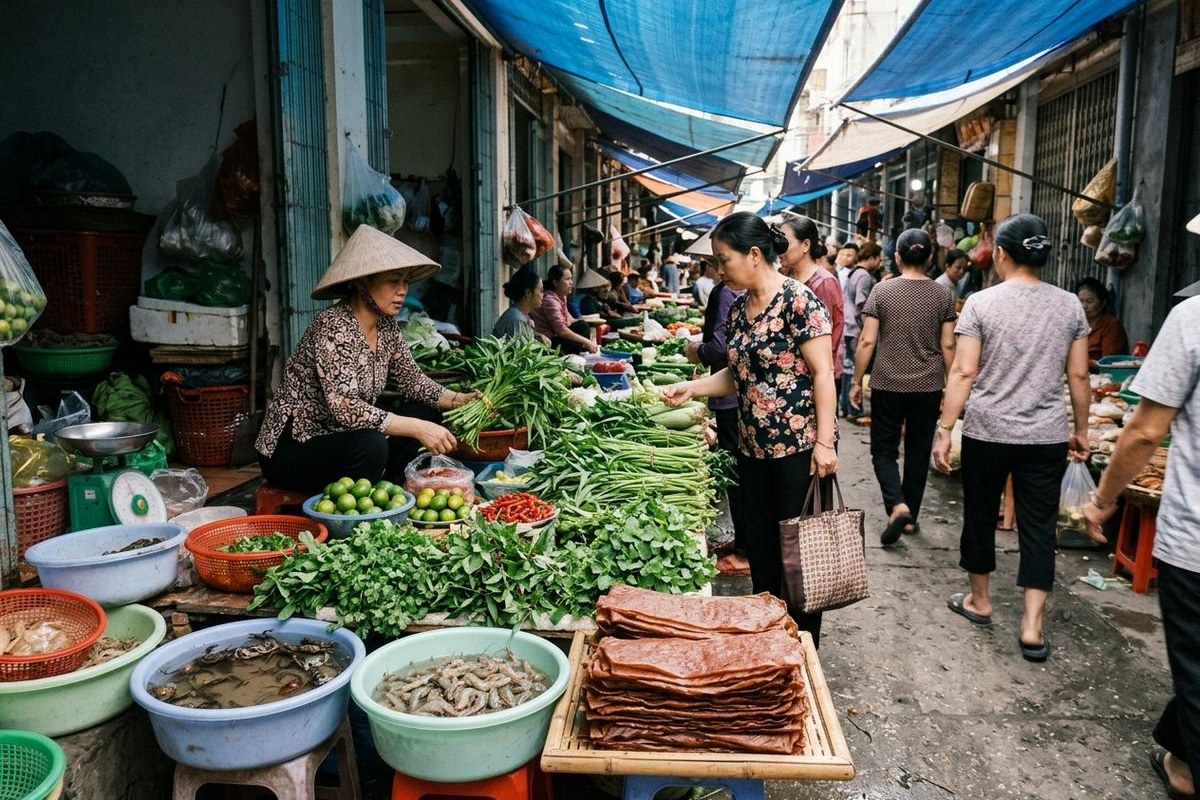
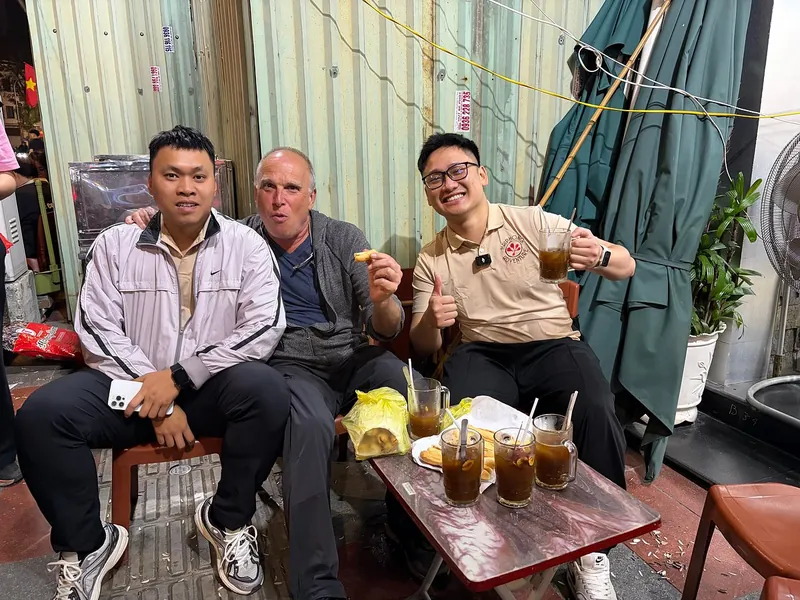
Once you have found a great bowl, make a morning of it. Walk through a nearby market to see the produce and seafood, then stop for an iced coffee at a sidewalk cafe. In the afternoon, try other local specialties such as banh mi cay, the spicy small baguette, or banh beo, the steamed rice cakes.
If you are planning a longer stay, our guide to things to do in Haiphong on a weekend shows how to mix food stops with sightseeing. Plan the food around the opening hours of each place, and leave gaps in your day so that you can follow your curiosity.
Etiquette And Practical Tips
- Be polite and patient. Small shops are busy and owners are working hard.
- Do not take photos of people without permission.
- Tell the owner or your guide about allergies. Crab and shellfish are central to the dish.
- Carry small cash and drink bottled water.
- Leave your table clean and return the stool to its place if you can.
If you are traveling with children, ask for a milder bowl and keep chili at the table away from them. Vegetarians should know that banh da cua is built on crab and meat, so it is not an option for a vegetarian diet.
Common Mistakes When Hunting For Banh Da Cua
Most disappointing bowls come from a few easy mistakes. The good news is that each one is simple to avoid once you know about it.
Arriving too late
Many alley shops cook one big pot in the morning and close when it runs out. If you turn up in the middle of the afternoon, you may find stacked stools and a closed shutter. Plan your search for the morning and keep the afternoon for other sights.
Judging by the sign
A big, bright sign on a main road does not guarantee a better bowl. Some of the most loved shops have only a hand-written board or no sign at all. Trust the crowd and the smell of the broth more than the decoration.
Adding everything at once
It is tempting to pour in chili, lime and shrimp paste straight away. Taste the broth first. A good bowl already has depth, and too many extras can hide the gentle crab flavor you came for.
Skipping the price question
Misunderstandings usually happen when extras are added without asking. A quick question before you order keeps everything friendly and clear for both you and the owner.
Exploring The Alleys With A Local Guide
Searching alone is rewarding, but a local guide saves time and opens doors. A guide knows which family shops are open on the day, which alleys are worth the walk and how to explain the dish while you eat. You also hear the stories behind the food, from how the broth is made to why locals eat it for breakfast.
Our Haiphong tours can combine food stops with motorbike rides through the older neighborhoods, so you can cover several areas in one morning without getting lost. Riding as a passenger also lets you focus on the sights and smells instead of the traffic.
When you book with Haiphong Adventure, tell us about allergies, spice tolerance and how many bowls you think you can manage. We will shape the route around your appetite and your schedule.
Frequently Asked Questions
Where can I find the best banh da cua in Haiphong?
Look in older neighborhoods, near markets and in alleys, where family shops serve the same customers every morning. Ask locals, follow the crowd and choose a place that is busy at breakfast.
What time should I eat banh da cua?
Breakfast and early lunch are best. Many shops sell out and close before the afternoon.
How much does a bowl cost?
Prices vary by shop and by toppings, and they change over time. Ask before ordering extras and carry small cash (for reference, updated October 2026).
Is it safe for tourists to eat in alley shops?
Generally yes if you choose busy shops, eat food served hot and drink bottled water. Use your judgement and start slowly if your stomach is sensitive.
Can a guide take me to the best shops?
Yes. A local guide knows which shops are open, which are worth the trip and how to order. Browse our Haiphong tours or message us to plan a food morning.
Final Thoughts On Finding Your Bowl
The best banh da cua is not a single address. It is the bowl that tastes right on the morning you find it, in an alley you stumbled into, with neighbors chatting around you. Take your time, trust your senses and enjoy the search.
If you would like a local to lead the way, the team at Haiphong Adventure will gladly build a food route around your schedule and tastes. Message us and tell us what you want to try.
WhatsApp, Viber, WeChat: +84(0)934.555.001
KakaoTalk, Line ID: haiphongadventure