Haiphong Etiquette Tips for Foreigners: Dos and Don’ts
These Haiphong etiquette tips for foreigners come down to a few simple habits: dress modestly at temples, take your shoes off where you see others do it, use both hands when giving or receiving, ask before you photograph people, stay calm instead of raising your voice, and let the oldest person start first at a meal. Get those right and locals will forgive almost any other slip. This guide turns them into a quick dos and don’ts checklist you can read on your phone, situation by situation.
Haiphong is a working port city, friendly and less touristy than Hanoi, so most people you meet are not used to foreign visitors. A smile and a little effort go a long way. If you want the cultural background behind these habits, our longer guide to cultural etiquette for Haiphong travel visitors explains the why. Here we focus on the practical what.
Greetings and First Impressions
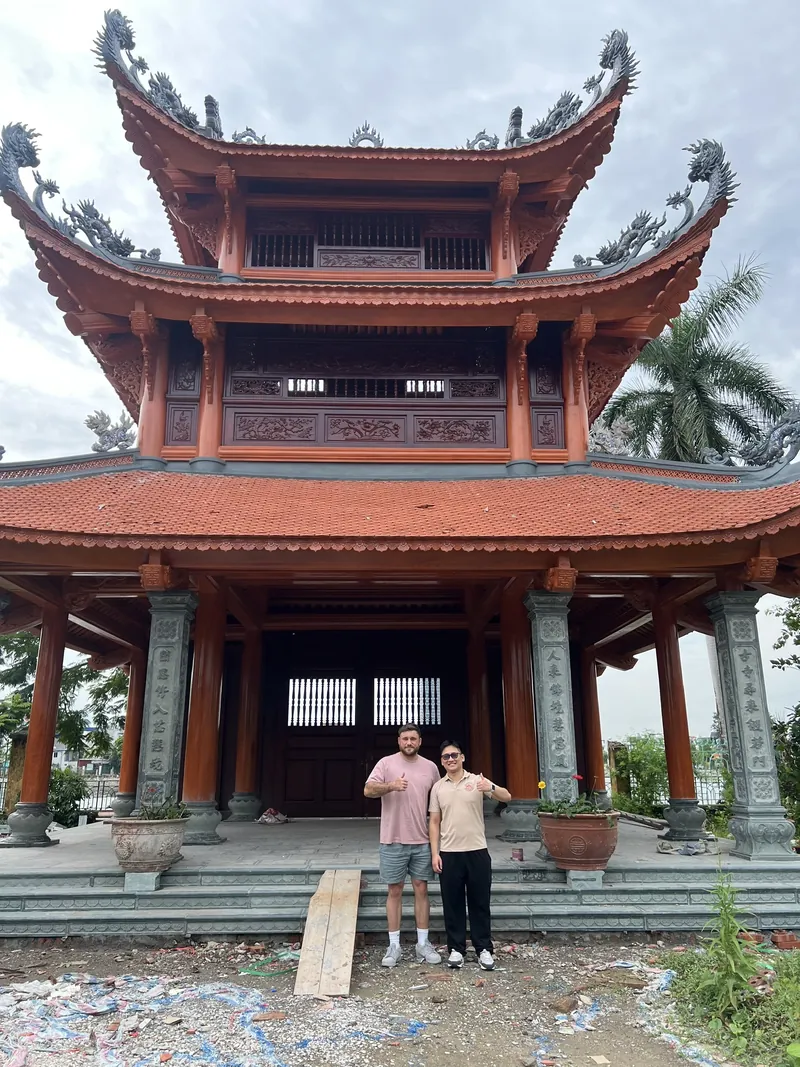
First meetings in Haiphong are warm but a little reserved. People are curious about foreigners, and you will often hear a cheerful hello from children and shopkeepers. How you respond sets the tone.
Do
- Smile and nod. A smile with a small nod is the safest greeting for anyone, young or old.
- Learn two words. Xin chào (hello) and cảm ơn (thank you) open doors everywhere.
- Greet older people first. In a family or group, acknowledge the eldest before everyone else.
- Shake hands lightly if offered. Men often shake hands with men. Wait for a woman to offer her hand first.
Don’t
- Don’t hug or kiss on the cheek when you meet someone new. It feels too personal.
- Don’t pat anyone on the head, including children. The head is considered the most respected part of the body.
- Don’t take personal questions badly. Locals may ask your age, whether you are married or what you earn. It is friendly curiosity, and you can answer vaguely with a smile.
Language barriers are normal here, especially outside the city center. Our honest look at whether people speak English in Haiphong shows how to get by with gestures, a translation app and patience.
>>> Haiphong Local Customs and Traditions Every Visitor Should Know
Dos and Don’ts at Pagodas, Temples and Communal Houses
Haiphong has beautiful sacred places, from Du Hang Pagoda to Hang Kenh Communal House. They are active places of worship, not museums, so a few rules matter more here than anywhere else.
Do
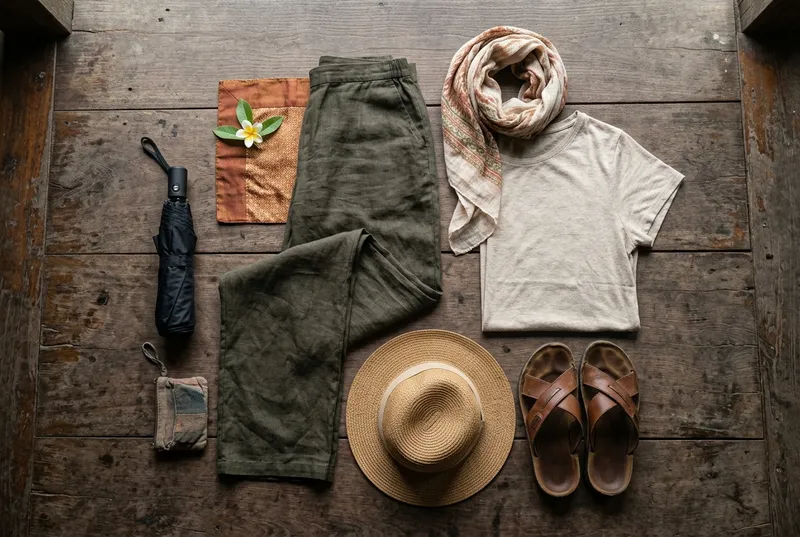
- Cover shoulders and knees. A T-shirt with sleeves and long trousers or a long skirt is ideal. Pack a light scarf or sarong in your day bag.
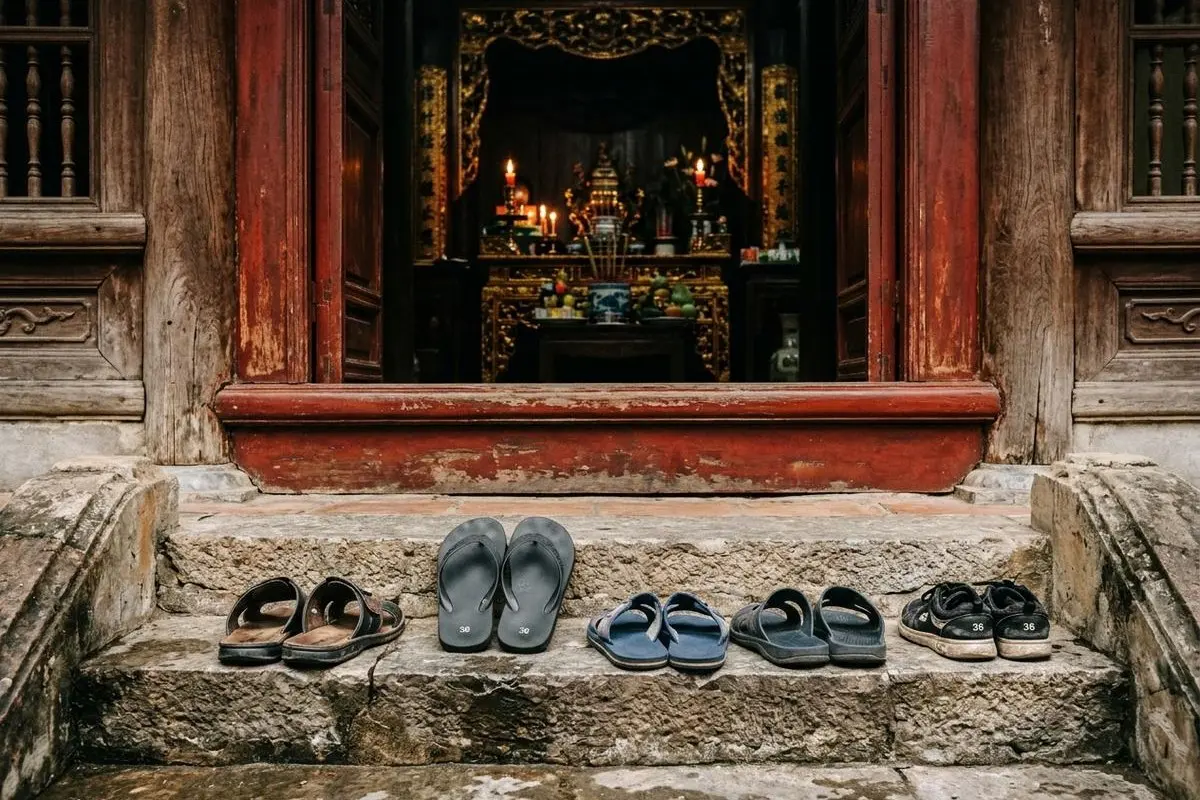
- Take off shoes where others do. Look at the steps of the main hall. If you see a row of sandals, leave yours there too.
- Speak softly and move slowly. People come to pray, make offerings and sit in quiet reflection.
- Walk around, not through, the center. Use the side doors of the main hall when they are open. The central door is traditionally kept for important ceremonies.
- Leave a small donation in the box if you enjoyed the visit. It is appreciated, never required.
Don’t
- Don’t point your feet at altars or Buddha statues when you sit down. Tuck your legs to the side.
- Don’t touch statues, offerings or ritual objects, and never take fruit or money from an altar.
- Don’t use flash or pose playfully in front of altars. Ask a monk or caretaker if photos are allowed inside.
- Don’t step on the raised wooden threshold at a hall doorway. Step over it.
For the best places to practise these habits, see our list of temples and pagodas in Haiphong worth adding to your trip.
Visiting a Local Home
If a Haiphong family invites you home, take it as a real honor. Home visits follow clear unwritten rules, and your hosts will notice the effort you make.
- Do bring a small gift. Fruit, sweets, tea or a small item from your country works well. Hand it over with both hands.
- Do take your shoes off at the door. Most homes have a shoe area at the entrance.
- Do greet the grandparents first and accept the tea you are offered, even if you only take a sip.
- Don’t give sharp objects, black or white wrapping, or a clock as presents. They can be linked to bad luck or funerals.
- Don’t sit or put things on the family altar shelf, and keep your voice down near it.
- Don’t refuse food too firmly. If you are full, leave a little on your plate and praise the cooking.
During Tet, home visits come with extra customs, such as who should enter the house first in the new year and what to say. Our guide to Tet holiday in Haiphong covers them.
Recommended tour

Not sure what is polite? Explore pagodas, markets and food stalls with a local guide who quietly shows you the right way to greet, order, pay and take photos.
From $79 per person
Table Manners and Eating Out
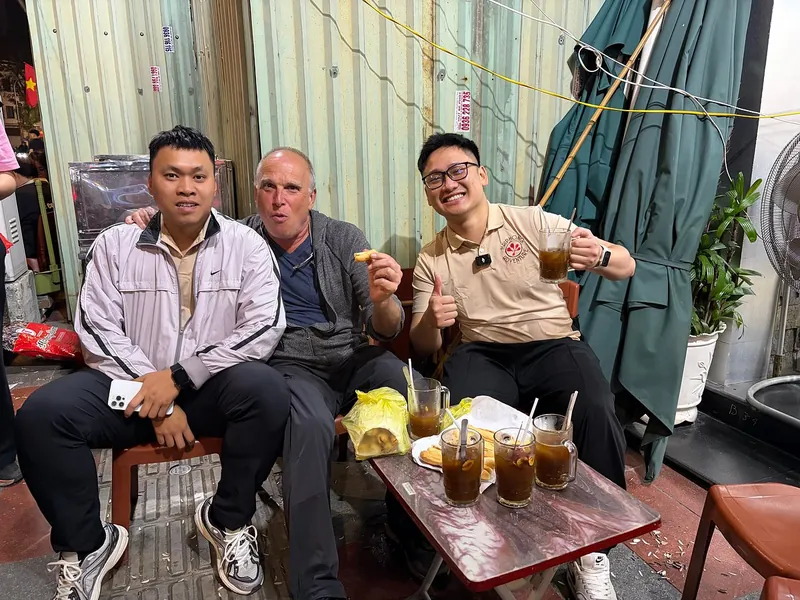
Food is the heart of Haiphong life, from crab noodle soup at dawn to snail stalls at night. Meals are shared and social, and a few habits will make you a welcome guest.
Do
- Wait for the eldest to start. At family meals, the oldest person picks up chopsticks first.
- Use the serving chopsticks or spoon for shared dishes when they are provided.
- Pour drinks for others before yourself, and raise your glass when people toast. A common toast is một, hai, ba, dô (one, two, three, cheers).
- Try what you are offered. A small taste shows respect, even if the dish is unfamiliar.
Don’t
- Don’t stick chopsticks upright in your rice. It looks like incense at a funeral altar.
- Don’t tap your bowl with chopsticks or point them at people.
- Don’t fight over the bill loudly. Usually the person who invited pays. Offer once or twice, then thank them warmly.
- Don’t wipe your nose at the table. Step away if you need to.
Street food has its own relaxed rules, like throwing napkins on the floor at some stalls and sharing tables with strangers. Our Haiphong food etiquette tips for foreigners go deeper into ordering, sharing and paying at local eateries.
>>> Haiphong Local Dishes List with Easy Tips for Ordering
Body Language and Gestures
Some everyday Western gestures mean something different in Vietnam. Most locals will not take offence at a foreigner, but these small changes help you come across as polite.
| Situation | Do | Don’t |
| Calling someone over | Wave with your palm facing down | Curl one finger upward toward you |
| Giving or receiving | Use both hands, or your right hand supported by the left | Toss items or hand them over with the left hand only |
| Pointing | Gesture with an open hand | Point a finger at people or statues |
| Sitting | Keep feet flat or tucked to the side | Show the soles of your feet or put feet on tables |
| Public affection | Hold hands or link arms | Kiss or cuddle in public |
| Disagreeing | Smile, stay calm and speak quietly | Shout, cross your arms or show anger |
Losing your temper is the biggest mistake of all. In Vietnamese culture, open anger makes everyone lose face, including you, and it rarely solves the problem. A calm smile and a polite request work far better.
On the Street and in Traffic
Haiphong streets are full of motorbikes, sidewalk cafes and parked scooters. Street etiquette is mostly about predictability and patience.
- Do cross the road slowly and steadily. Riders will flow around you if you keep a steady pace. Don’t run or stop suddenly.
- Do walk around sidewalk stalls, not through someone’s cooking area or seating space.
- Do wear a helmet on any motorbike, even for a short Grab ride. It is the law.
- Don’t honk in anger if you ride. Short beeps are used to say I am here, not to scold.
- Don’t litter or spit in public places, and keep noise down late at night in residential alleys.
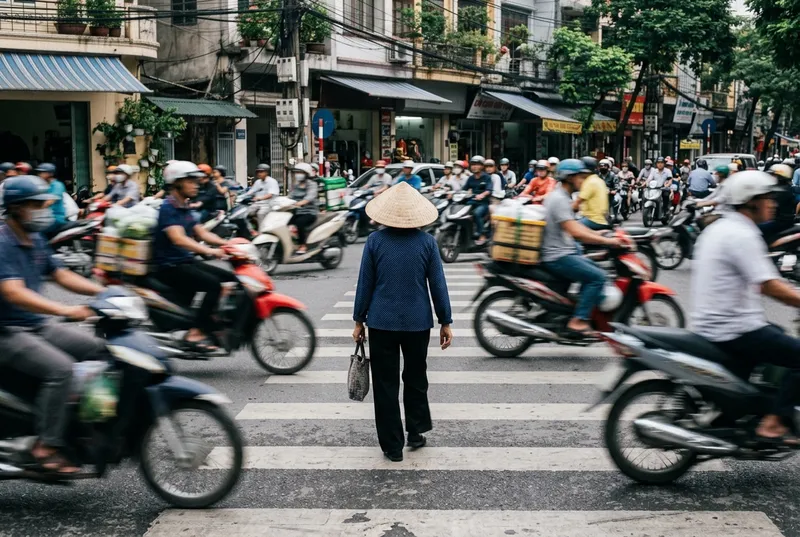
If you plan to ride yourself, read our advice on motorbike rental and traffic rules in Haiphong first.
>>> Is Haiphong Safe for Tourists? An Honest Guide for 2026
Money, Bargaining and Tipping
Money matters can feel awkward when you do not know the local rules. In Haiphong they are fairly simple.
- Do bargain politely at markets, with a smile and a sense of humor. Fixed-price shops, supermarkets and most restaurants do not bargain.
- Do carry small notes. Paying a street vendor with a very large note can be inconvenient for them.
- Do hand money over with both hands or your right hand.
- Don’t keep bargaining after you agree on a price, and don’t walk away from a deal you accepted.
- Don’t feel you must tip everywhere. Tipping is appreciated for guides, drivers and good service, but it is not expected at street stalls.
For amounts and situations, see our guide to tipping culture in Haiphong.
>>> Bargaining Tips at Haiphong Markets: Shop Like a Local
Taking Photos Respectfully
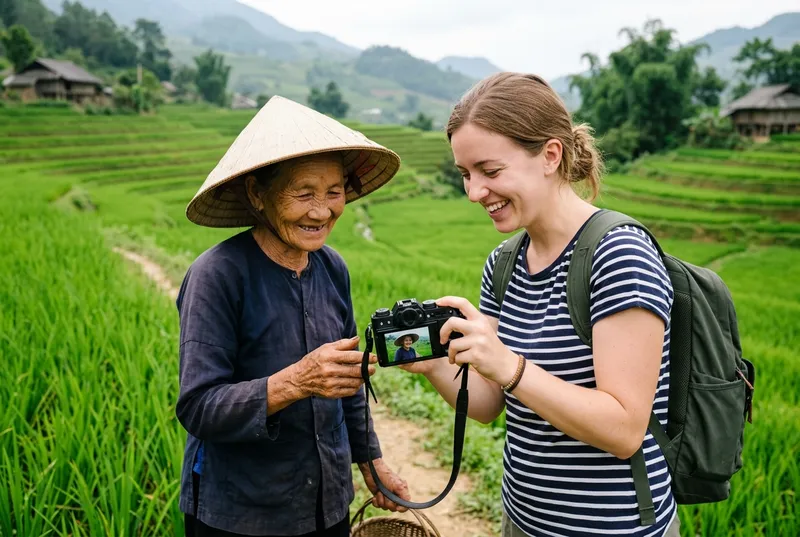
Haiphong is wonderfully photogenic, from colonial facades to market scenes. People are generally relaxed about cameras, but asking first is always the right move.
- Do ask with a gesture. Raise your camera, smile and wait for a nod. Most people say yes.
- Do show people the photo afterwards. It often leads to laughter and a friendly chat.
- Do respect a no, and move on without arguing.
- Don’t photograph military sites, border guards or police buildings. Signs with a crossed-out camera mean exactly what they say.
- Don’t push a lens into worshippers’ faces at temples or into vendors’ stalls without asking.
- Don’t fly drones in the city or near the port without checking the rules first.
Quick Etiquette Checklist Before You Go Out
Short on time? Run through this list before a day of sightseeing in Haiphong.
| Check | Why it matters |
| Scarf or long layer in your bag | Lets you enter pagodas and temples properly dressed |
| Small banknotes | Easy payment at stalls, cafes and markets |
| Xin chào and cảm ơn ready | Two words that earn instant smiles |
| Translation app downloaded offline | Avoids frustration when English is limited |
| Patience and a smile | Keeps every misunderstanding friendly |
For the rest of your planning, from SIM cards to weather, our Haiphong travel tips cover the essentials in one place.
Frequently Asked Questions
What is the most important etiquette rule in Haiphong?
Stay calm and polite. Raising your voice or showing anger causes loss of face and rarely helps. A smile and a quiet request solve most problems.
Do I need to take my shoes off at temples in Haiphong?
Often yes, especially in main halls and communal houses. Look for shoes left on the steps and follow what locals do. Courtyards are usually fine with shoes.
Is it rude to refuse food or drinks?
A firm refusal can feel rude. Accept a small amount, take a sip or a bite, and then politely say you are full while praising the food.
Can I wear shorts in Haiphong?
Yes, around the city and at the beach. Bring long trousers or a scarf for temples, pagodas and family visits, where covered shoulders and knees are expected.
Should I tip in Haiphong?
Tipping is not compulsory. It is appreciated for guides, drivers and good service in restaurants, but not expected at street food stalls or markets.
Travel Haiphong With Confidence
Etiquette in Haiphong is less about strict rules and more about showing respect: modest clothes at sacred places, both hands when giving, elders first, and patience when things move slowly. Follow these Haiphong etiquette tips for foreigners and you will find people even warmer and more welcoming. If you would like a local friend by your side, Haiphong Adventure offers small-group and private Haiphong tours by motorbike and on foot, where our guides share the little customs that guidebooks miss. Browse our Haiphong tours or send us a message.
Contact Haiphong Adventure
- WhatsApp, Viber, WeChat: +84(0)934.555.001
- KakaoTalk, Line ID: haiphongadventure