Where to Buy Dried Seafood in Haiphong: Markets, Local Tips
Where to buy dried seafood in Haiphong depends on how much time you have. In the city, the big covered markets and specialty dried-goods shops sell squid, shrimp and fish every day. If you are visiting the coast, the markets of Cat Ba town and Do Son sit right next to the fishing fleets. And for sealed, labeled packs that travel easily, supermarkets are the safest choice.
Dried seafood is one of the most popular gifts from this port city. Vietnamese visitors carry it home by the bag, and many foreign travelers discover that a pack of grilled dried squid makes a better souvenir than any keyring. This guide focuses on where to shop and how to buy well. For a broader list of gifts, see our guide to the best souvenirs to buy in Haiphong.
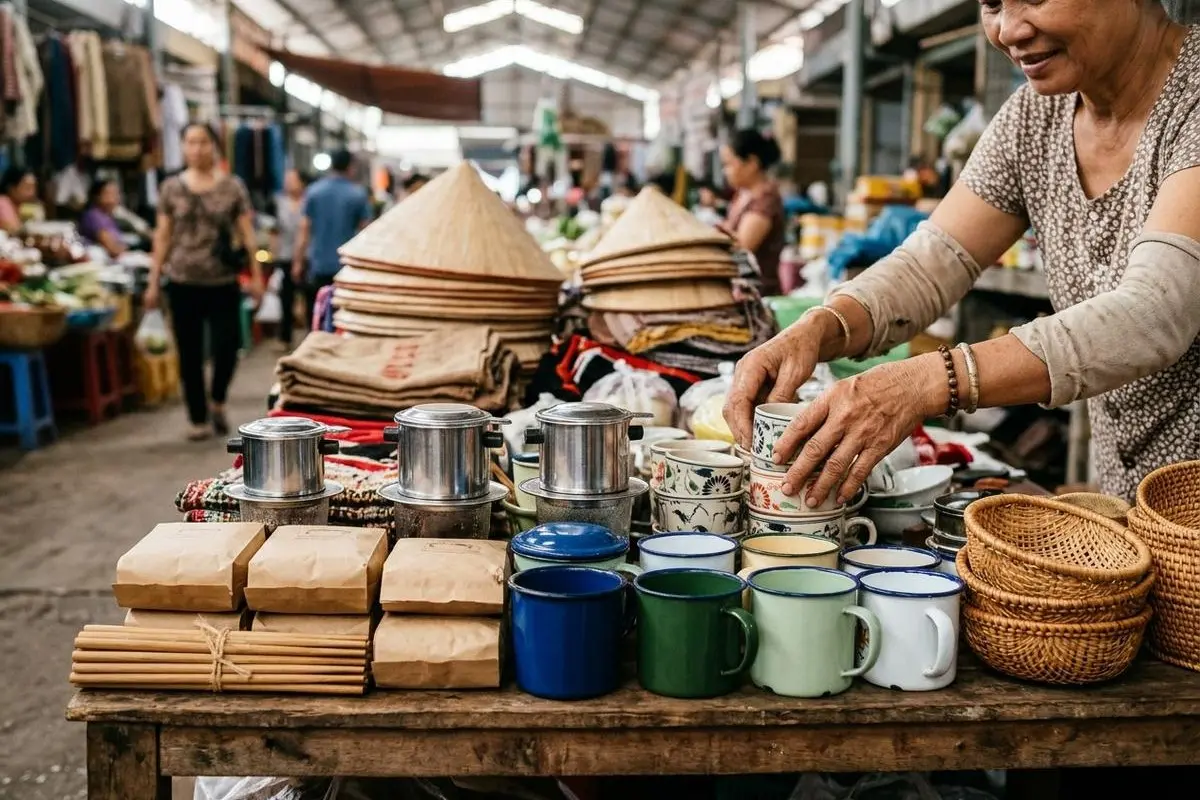
Where to Buy Dried Seafood in Haiphong at a Glance
There are four main types of places to buy. Each has its strengths, so pick the one that matches your trip.
| Where | Best for | Prices | Things to know |
| Covered markets in the city center | Wide choice, tasting before buying | Negotiable | Busy and mostly cash, quality varies by stall |
| Cat Ba town market and harbor shops | Squid and fish from local boats | Negotiable | Good if you are already visiting the island |
| Do Son seafront and fish market area | Freshly dried catch close to the beach | Negotiable | Most active in the morning and in summer |
| Specialty dried goods shops | Vacuum packing, consistent quality | Usually fixed | Easy for gifts, ask for an invoice |
| Supermarkets | Sealed, labeled packs for flights | Fixed | Smaller choice, higher price per kilo |
This information is a general reference, updated November 2026. Stalls and shops change, so ask your hotel or guide for a current recommendation near you.
Covered Markets in the City Center
The traditional markets of central Haiphong are where locals have bought dried goods for generations. Cho Sat, the large multi-level market near the Tam Bac river area, and the smaller neighborhood markets around the old center all have sections selling dried squid, dried shrimp, anchovies, fish and seaweed alongside spices, tea and household goods.
Why shop here
- Choice: several stalls side by side let you compare size, color and smell.
- Tasting: many sellers will let you try a small piece of grilled squid or dried shrimp.
- Atmosphere: it is a real slice of local life, and a good stop on a city walk.
What to watch
Prices are rarely displayed, quality varies and you will need cash. Go with a clear idea of what you want and compare two or three stalls before buying. Our bargaining tips for Haiphong markets explain how to negotiate politely.

>>> Haiphong Local Specialties to Bring Home: A Foodie Gift Guide
Cat Ba Town Market and Harbor Shops
Cat Ba Island is part of Haiphong, and its fishing fleet supplies much of the dried squid and fish sold in the region. In Cat Ba town, the local market and the shops along the harbor front sell dried squid, shrimp, fish and seaweed, often from boats that unload just a few hundred meters away.
If your trip already includes Cat Ba or Lan Ha Bay, this is one of the most enjoyable places to shop. You can see the boats, ask where the catch came from and buy in small or large amounts. Many shops vacuum-pack purchases for travel.

Tips for buying on Cat Ba
- Shop in the late afternoon or evening when you are back from the bay, but leave time to compare stalls.
- Ask whether the squid is from the current season. Freshly dried squid is more fragrant and flexible.
- Prices in the busiest tourist spots can be higher, so a quick comparison pays off.
Planning the island trip? Our 2 days in Haiphong and Cat Ba itinerary shows how to fit a shopping stop into a short visit.
Do Son Seafront and Fish Market Area
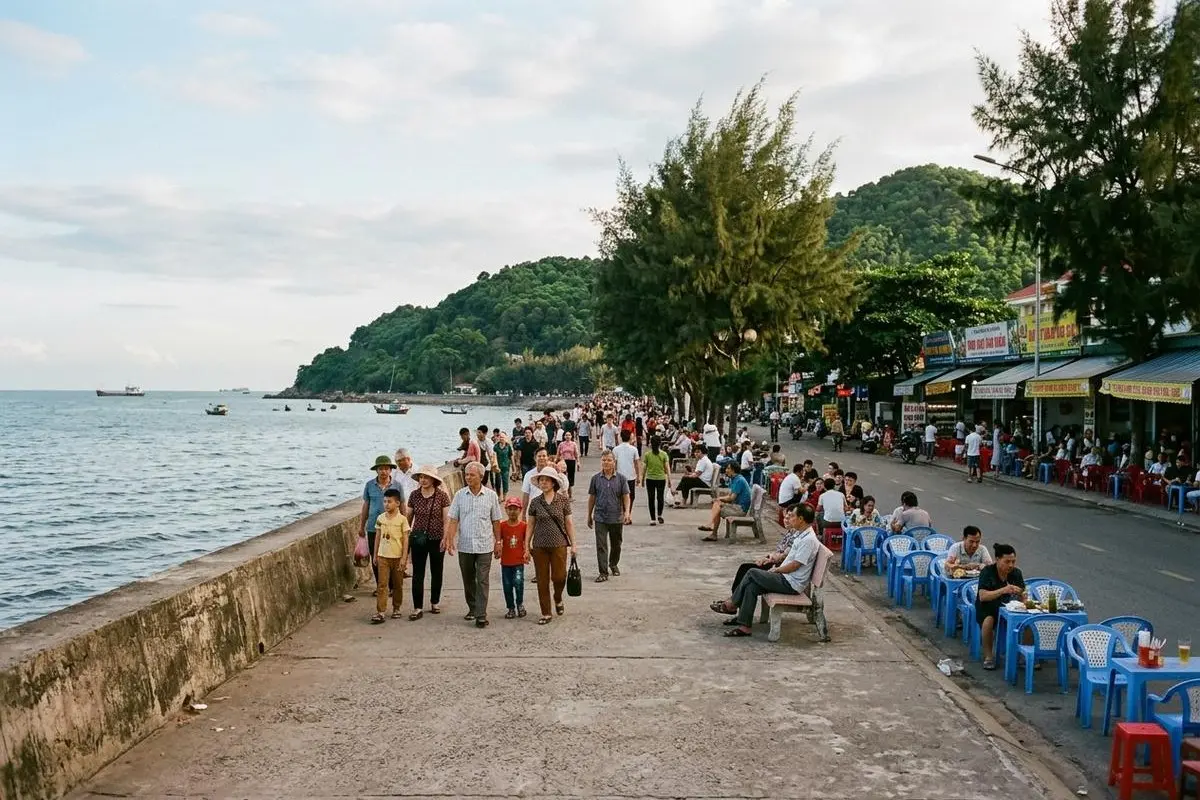
Do Son, the beach peninsula south of the city, has a long fishing tradition. Around the seafront and the fishing harbor area you will find vendors selling dried fish, squid and shrimp, especially in the morning and during the summer beach season.
It is a good place to combine shopping with a seafood lunch and a walk along the coast. Quality can be very good, but stalls are informal, so check the product carefully and agree on the price per kilo before the seller weighs anything.
Recommended tour

Explore the markets with a local guide who can help you taste, compare and buy dried seafood at fair prices, then enjoy the city’s street food.
From $79 per person
Specialty Dried Goods Shops and Supermarkets
If you prefer fixed prices and packaging that will survive a long flight, shops are the easier option.
Specialty dried goods shops
Haiphong has many family-run shops selling dac san, regional specialties, including dried seafood. They usually sort products by grade, show prices per kilo and offer vacuum sealing and gift boxes. Look for busy shops with a clear storefront, good ventilation and products stored in clean, covered containers.
Supermarkets
Supermarkets in the big shopping centers sell dried squid, shrimp and fish snacks in sealed packs with labels, weights and expiry dates. The choice is smaller and the price per kilo higher, but they are perfect for a few last-minute gifts, and the labels help at customs.
>>> What Not to Buy in Haiphong: Souvenir Mistakes to Avoid
Types of Dried Seafood to Look For
You will see many products in a market. These are the ones visitors most often buy.
| Product | Vietnamese name | How it is eaten |
| Dried squid | Muc kho | Grilled over charcoal and torn into strips, a classic snack with beer |
| Dried shrimp | Tom kho | Snacked on, or used in soups, salads and stir-fries |
| Small dried shrimp | Ruoc kho / tep kho | A cooking ingredient for broths and sauces |
| Dried fish | Ca kho | Fried or grilled, eaten with rice |
| Shredded seasoned squid | Muc xe soi | Ready-to-eat snack, popular with children |
| Dried sea worms | Sa sung (from the wider region) | A prized broth ingredient, very expensive |
For first-time buyers, grilled dried squid and ready-to-eat shredded squid are the easiest gifts. Cooking ingredients like small shrimp make sense only if you cook Vietnamese food at home.
How to Choose Good Dried Seafood
A few simple checks help you avoid poor quality or old stock.
Dried squid
- Color: natural light pink to amber, with a thin white powder on the surface. Avoid squid that looks unnaturally bright or very dark.
- Feel: dry but still slightly flexible. Brittle squid may be old, soft and sticky squid may not be dried enough.
- Smell: a clean, mild sea smell. A sour or ammonia smell is a bad sign.
- Size: sellers grade squid by how many pieces make a kilo. Fewer, larger pieces cost more.
Dried shrimp and fish
- Shrimp should be evenly orange-red, firm and without too much loose powder or broken pieces.
- Fish should be dry to the touch with no white or green mold spots.
- Ask to see products that are kept in covered containers rather than open trays.
Prices and Bargaining
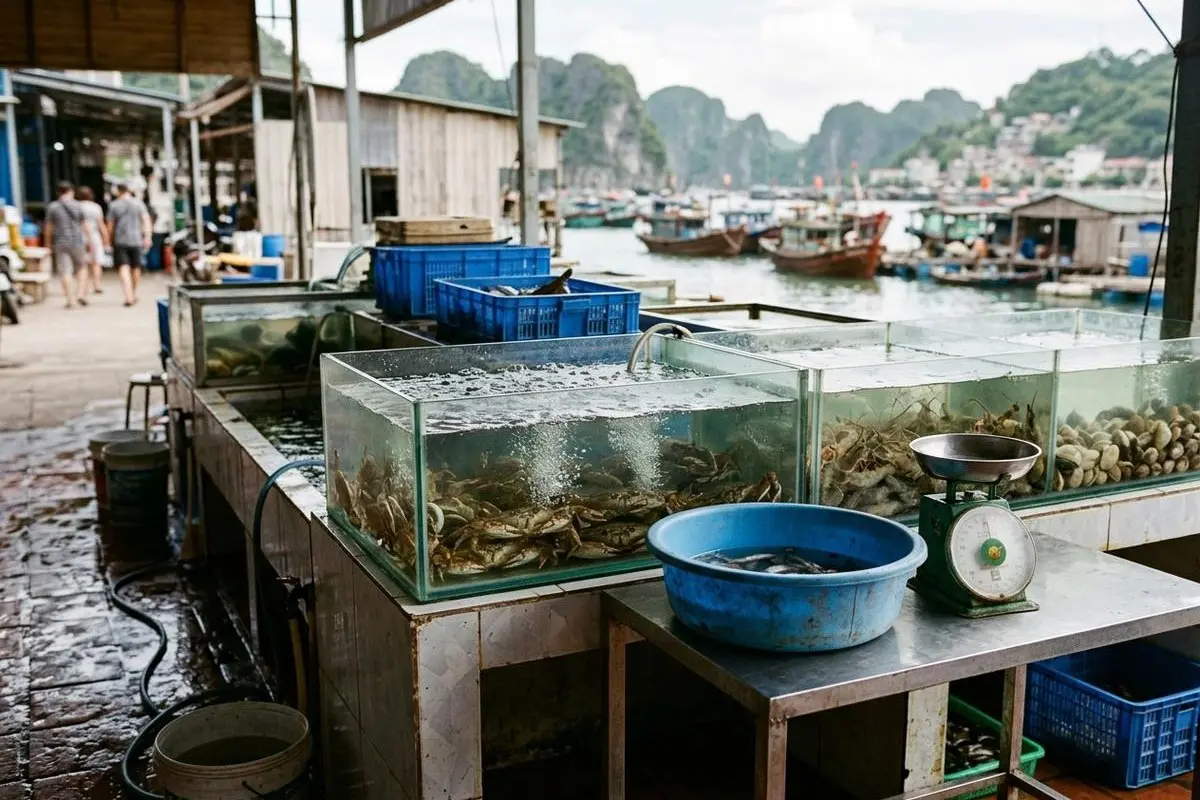
Dried seafood is sold by weight, and prices vary a lot with species, size, season and quality. Premium large squid costs several times more than small grades. Because prices change often, we do not list figures here. Instead:
- Ask the price per kilo before the seller weighs anything.
- Compare two or three stalls for the same product and size.
- Bargain politely in markets, but expect fixed prices in shops and supermarkets.
- Watch the scale and ask to see the weight if it is not shown clearly.
- Be wary of very cheap offers, which may mean lower grades, added weight from moisture or old stock.
Need cash for the market? Our ATMs and currency exchange guide helps you find dong quickly.
Packing and Taking Dried Seafood Home
Dried seafood travels well if it is packed properly. The strong smell is the main challenge.
- Ask for vacuum sealing. Most shops and many market stalls can vacuum pack for you. It keeps the product fresh and holds in the smell.
- Double bag it. Put the vacuum pack inside another sealed bag, then in your checked luggage.
- Keep labels or invoices so you can show what it is if asked.
- Check your home country’s rules. Some countries restrict or require declaration of animal and seafood products. Declare them if required.
Read our guide to duty free and customs rules when leaving Haiphong before you pack, and check the rules of the country you are flying to.
How to Enjoy Dried Squid Like a Local
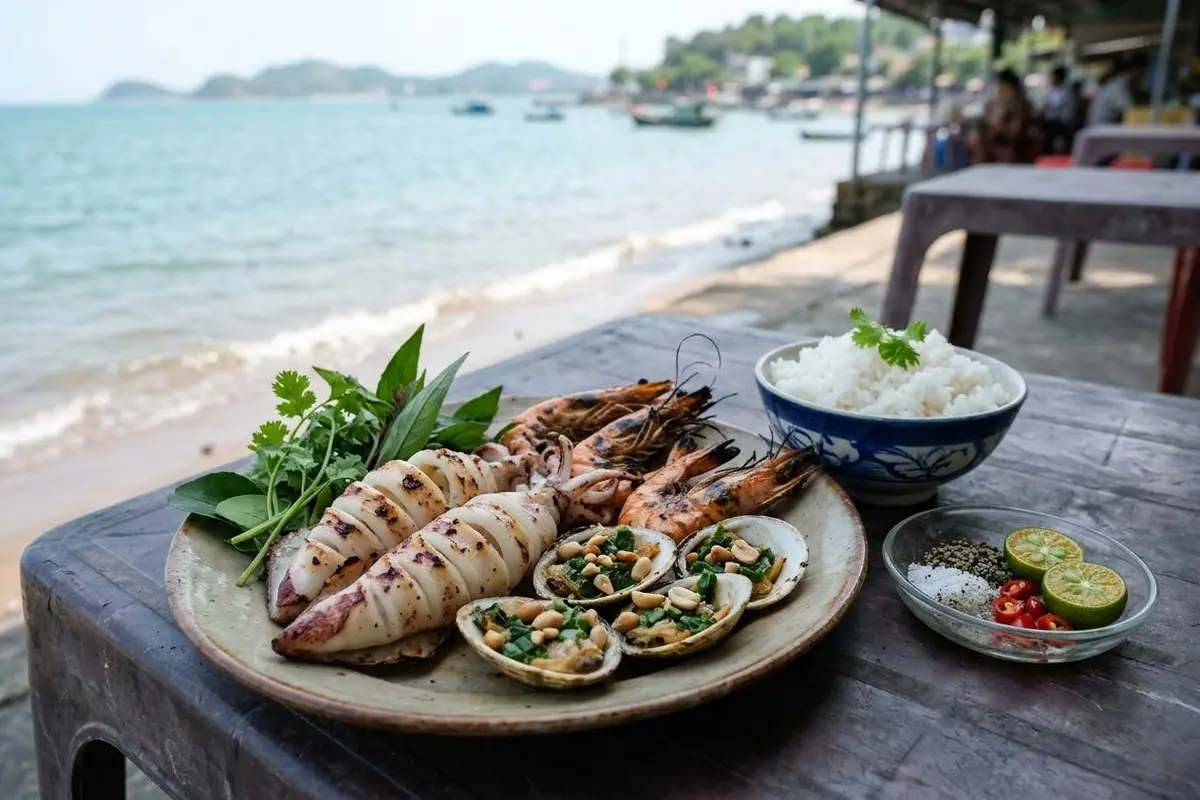
In Haiphong, dried squid is not just a souvenir. It is a social snack. Locals grill it over charcoal until it curls and turns golden, then tear it into thin strips and dip it in chili sauce or mayonnaise mixed with chili. It is served with cold beer at sidewalk bars and with tea at home when guests visit.
At home, you can toast squid in a dry pan or under a grill for a minute or two on each side, then pound it lightly to soften the fibers before tearing. Dried shrimp can be soaked and added to soups, noodle broths or stir-fried vegetables for a rich sea flavor.
Want to taste seafood fresh before you shop? Try one of the best seafood restaurants in Haiphong first.

Frequently Asked Questions
Where is the best place to buy dried seafood in Haiphong?
For choice and atmosphere, try the covered markets in the city center or the market in Cat Ba town. For fixed prices and travel-ready packaging, go to a specialty dried goods shop or a supermarket.
Is dried squid from Cat Ba better?
Cat Ba has a large fishing fleet and a reputation for good dried squid. Quality still varies by seller and season, so check color, smell and texture wherever you buy.
Can I take dried seafood on a plane?
Usually yes, if it is sealed and packed in checked luggage. Rules differ by country, so check the import rules of your destination and declare it if required.
How long does dried squid keep?
Vacuum-packed squid keeps for several months in a cool, dry place, and longer in the fridge or freezer. Once opened, keep it sealed and eat it within a few weeks.
Do I need to bargain?
In markets, polite bargaining is normal. In shops and supermarkets, prices are usually fixed.
Take a Taste of the Port City Home
Now you know where to buy dried seafood in Haiphong: the covered markets for choice, Cat Ba and Do Son for the catch straight from the coast, and shops or supermarkets for easy, sealed packs. Check the quality, ask the price per kilo, get it vacuum packed and you will have one of the most authentic gifts the city offers.
Haiphong Adventure runs motorbike and walking Haiphong tours that include local markets, so you can shop with a guide who knows what to look for. Browse our Haiphong tours or message us to plan your day.
Contact Haiphong Adventure
- WhatsApp, Viber, WeChat: +84(0)934.555.001
- KakaoTalk, Line ID: haiphongadventure