
Comparing Bus And Train From Hanoi To Haiphong
Almost every week a traveler messages us with the same question: should I take the bus or the train from Hanoi to Haiphong? Both are cheap, both run every day, and both will get you to the coast in a morning. But they feel completely different. One is a fast, practical ride along the expressway; the other is a slow, rattling journey through rice fields and small towns that has barely changed in decades. Picking the right one depends on your schedule, your luggage and what kind of day you want.
Below, our team at Haiphong Adventure compares the two side by side: travel time, comfort, rough cost ranges, where you board and get off, how much luggage you can bring, and which type of traveler each option suits. We also cover limousine vans and private cars briefly, because for many visitors they end up being the real winner. Schedules and fares change, so treat every number here as a range and double-check close to your travel date.
Hanoi To Haiphong: The Quick Comparison
The two cities are roughly 100–120 km apart depending on where you start and finish. Since the Hanoi–Haiphong expressway (about 105 km) opened, road travel has become much faster than it used to be, while the railway still follows its old colonial-era line through the Red River delta. Here is the short version before we go into detail:
- Bus: usually around 1.5–2.5 hours depending on traffic and which bus station you use; frequent departures throughout the day; fares in a low range; you board at one of Hanoi’s big bus stations.
- Train: usually around 2.5 hours, sometimes a little more; only a few departures daily; very cheap; you board in central Hanoi and arrive at Haiphong Railway Station in the city centre.
- Limousine van: about the same time as the bus, more comfortable, often with hotel pickup in Hanoi’s Old Quarter; mid-range price.
- Private car: fastest door to door, around 1.5–2 hours; the most expensive option but easy to split between a group.
If you only remember one thing: the bus wins on frequency and flexibility, the train wins on atmosphere and on dropping you right in the old centre of Haiphong.

How The Train Works On This Route
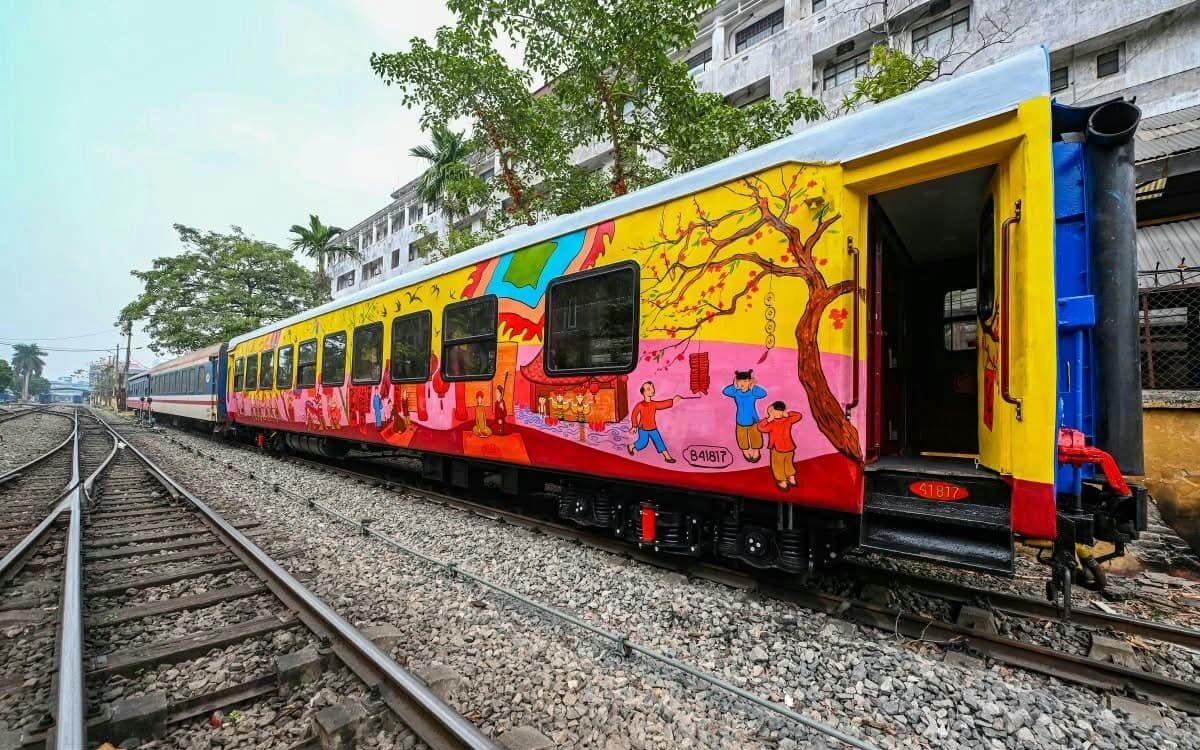
The railway line from Hanoi to Haiphong is one of the oldest in Vietnam. Trains leave from central Hanoi – depending on the departure, from Hanoi station or from Long Bien station near the Old Quarter – and roll east across the Red River, through Gia Lam and past towns such as Hai Duong before reaching Haiphong. There are usually only a handful of departures each day, often clustered in the early morning and afternoon, so the timetable shapes your plans rather than the other way round.
Tickets are sold at the station counters and through Vietnam Railways’ official channels. On weekdays you can often buy on the day, but on weekends and public holidays it is wise to buy a day or two ahead. Seats are basic: you will typically choose between hard seats and soft seats, and the difference in price is small. Do not expect a dining car or a fast connection – this is a local train used by students, traders and families, and that is exactly its charm. You can read what the ride really feels like in our Hanoi to Haiphong train experience.
How The Bus Works On This Route
Buses from Hanoi to Haiphong are a high-frequency shuttle service. In Hanoi, departures leave from the large intercity bus stations, mainly Gia Lam on the east side of the Red River, plus Giap Bat, Nuoc Ngam and My Dinh depending on the operator. In Haiphong, buses arrive at stations such as Lac Long, Niem Nghia, Thuong Ly or Vinh Niem, which sit at different edges of the city centre.
On most routes you simply turn up, buy a ticket at the counter or from the conductor, and leave within 15–30 minutes. Many buses use the expressway, which keeps the trip short, but some still stop to pick up passengers along the way. The vehicles range from modern coaches with air-conditioning to older, more crowded models. You rarely need to book ahead, except around Tet and long holiday weekends when the whole country is travelling.
Recommended tour
The Haiphong Street Food and City Tour

Combine Haiphong’s top city sights with a tasting trail of famous dishes like banh da cua and banh mi cay, all by motorbike with a local guide.
From $85 per person
Travel Time And Reliability
On paper, the bus is faster. A coach on the expressway can cover the distance in about 1.5–2 hours when traffic is light. In reality you have to add the time it takes to reach the bus station in Hanoi, which can be 20–45 minutes from the Old Quarter at rush hour, and then the ride from the Haiphong bus station to your hotel. Door to door, the bus often takes closer to 2.5–3 hours.
The train usually takes around 2.5 hours from station to station, and sometimes runs a little late. But the stations are central at both ends, so the door-to-door time is not as different as it first appears. The bigger issue with the train is the limited number of departures: miss one and you may wait several hours for the next. Buses, by contrast, leave so often that a missed departure costs you very little.
Our verdict: if your timing is tight or uncertain, take the bus. If your plans fit one of the train departures, the time difference is small enough not to matter.
Comfort And Space On Board
Comfort varies a lot on both sides. Modern coaches have reclining seats and strong air-conditioning, sometimes too strong, so bring a light layer. Older buses can be cramped, with luggage piled in the aisle, horns blaring and the driver weaving through traffic. Motion sickness is more common on buses than on the train, especially for travelers who try to read or look at their phones.
The train is slower but smoother. You can stand up, stretch, walk to the door between carriages and watch the countryside drift past. Seats are simple and the carriages can be warm in summer, yet many travelers tell us they found the ride relaxing. Families with young children often prefer the train because kids can move around a little and there is no stop-start traffic.

Cost Ranges For Each Option
Both options are budget-friendly, and neither will make a dent in your travel fund. As a rough guide, and always subject to change:
- Train: usually the cheapest way to go, often in the range of roughly 80,000–150,000 VND depending on seat type and day.
- Public bus: similar or slightly higher, commonly around 100,000–150,000 VND.
- Limousine van: a step up, often somewhere around 200,000–350,000 VND per seat, sometimes including hotel pickup.
- Private car with driver: typically priced per vehicle rather than per person, often around 1–2 million VND one way depending on car size and pickup point.
Remember to add the cost of getting to and from stations. A Grab or taxi to Gia Lam bus station can cost more than the train ticket itself. If you are watching every dong, the train from central Hanoi is hard to beat. Once you arrive, you can stretch your budget further with our list of free things to do in Haiphong.
Stations, Pickup And Drop-Off
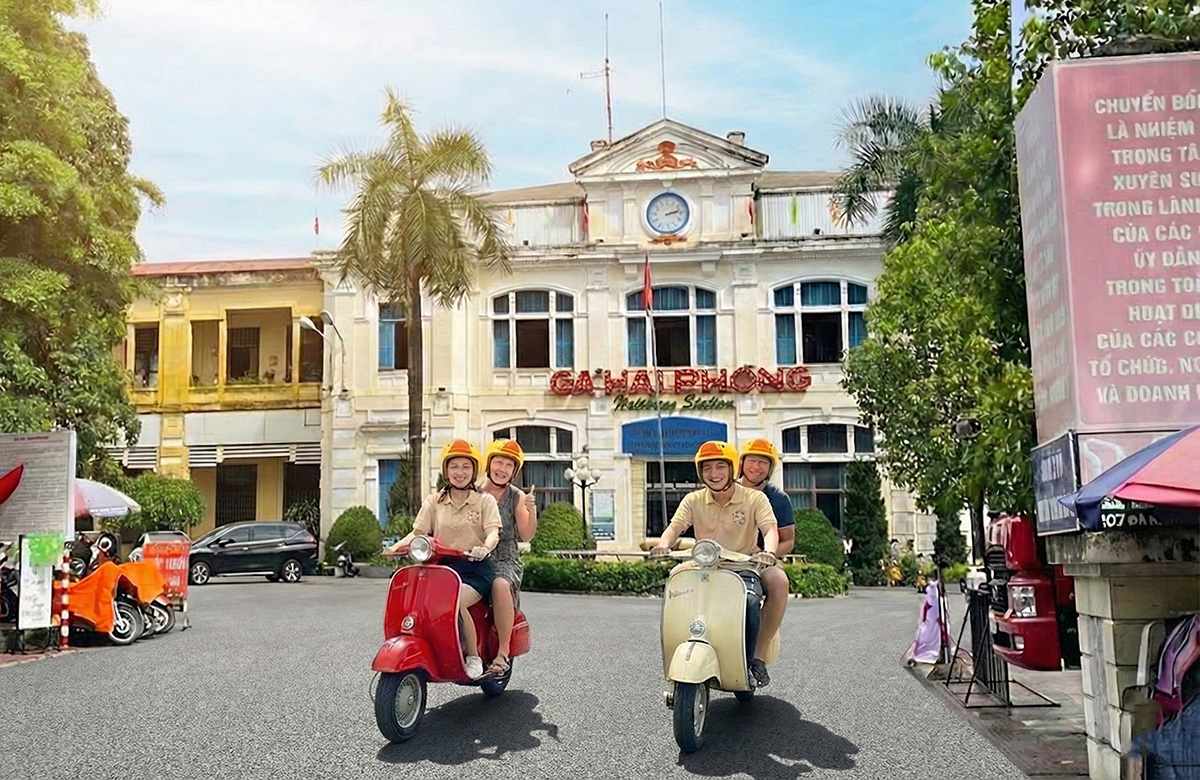
This is where the two options really differ. The train leaves from the heart of Hanoi and arrives at Haiphong Railway Station, a lovely yellow colonial building in the old French quarter. From there you can walk to many central hotels, cafes and sights, including the Opera House area. That is a big advantage if you are staying downtown.
Buses mostly use stations on the edges of each city. In Hanoi, Gia Lam is the most common starting point for Haiphong, and it is across the river from the Old Quarter. In Haiphong, your arrival station depends on the operator. Some are a short taxi ride from the centre, others take longer. Always check which station your bus will use, and whether it stops near your accommodation along the way – drivers will often let you off at a convenient point on the main road if you ask.
Luggage, Bikes And Big Bags
Backpacks and medium suitcases are fine on both. Buses have a luggage hold underneath, though on busy services bags sometimes end up inside, under seats or in the aisle. Keep valuables with you, and watch your bag when the bus makes stops.

On the train, you carry your luggage on board and store it on racks or near your seat. Larger items such as bicycles or motorbikes can sometimes travel as cargo, but this involves separate paperwork at the station and is not something to arrange on the morning of departure. Surfboards, prams and very large cases are generally easier in a limousine van or private car, where the driver helps load everything and you are not climbing steps with heavy bags.
What About Limousine Vans And Private Cars?
Many visitors end up choosing neither the classic bus nor the train. Limousine vans – nine-seat or similar minivans with larger, softer seats – have become a popular middle ground on this route. Several operators offer them, and many include pickup from hotels in Hanoi’s Old Quarter and drop-off at an address in central Haiphong. That removes the hassle of getting to a bus station and makes the journey feel almost private. The trade-off is a slightly higher price and occasional detours to collect other passengers.
A private car is the most convenient choice for families, small groups, or anyone carrying a lot of luggage. You leave when you want, stop where you want (our guide to scenic stops between Hanoi and Haiphong has some ideas), and arrive at your door in about 1.5–2 hours. Split between three or four people, the cost per person often comes close to limousine prices. If you want help arranging a car or van, our team can advise on options – just message us.

Who Should Choose Bus Or Train From Hanoi To Haiphong?
Choose the train if…
- You enjoy slow travel and want to see village life, rice fields and small stations.
- Your hotel is in the old centre of Haiphong, near the railway station.
- You are on a tight budget and staying near Hanoi’s central stations.
- You are travelling with children who get restless or carsick on buses.
Choose the bus if…
- You need flexible departure times or might be running late.
- You are heading straight on to Cat Ba or another coastal area and want a fast transfer.
- You do not mind a short taxi ride at either end.
Choose a limousine van or private car if…
- You have heavy luggage, a group, or limited mobility.
- You want door-to-door service and a quieter ride.
If Cat Ba is your final goal rather than Haiphong itself, read our guide to planning a perfect Cat Ba tour from Haiphong City before you book anything.
Step-By-Step: A Smooth Travel Day
Here is the simple plan we often suggest to guests coming from Hanoi to Haiphong for a day or two:

- The day before: check current train times or limousine options, decide on your station, and buy a train ticket if it is a weekend or holiday.
- Morning: eat breakfast near your hotel, then take a Grab or taxi to the station with at least 20–30 minutes to spare (more for the train).
- On the way: keep water, snacks, a light jacket and your phone charged. Save your hotel address in Vietnamese to show a driver later.
- Arrival: from the railway station, walk or take a short ride to your hotel; from a bus station, use a ride-hailing app or a metered taxi.
- Afternoon: drop your bags, grab a bowl of crab noodle soup, and start exploring the colonial streets around the Opera House.

Practical Tips From Our Local Team
- Avoid travelling on the first and last days of long holidays, especially around Tet, 30 April–1 May and 2 September. Buses fill up and roads slow down.
- Bring small banknotes. Bus conductors and station vendors may not have change for large notes.
- If a stranger at a bus station insists on carrying your bag or “helping” you to a bus, politely decline and go to the official ticket counter.
- Download an offline map and keep your destination pinned so you can check where the bus is going. Our local traffic tips for the Hanoi to Haiphong trip explain what to expect on the road.
- Ask your hotel to write the station name in Vietnamese – it saves a lot of confusion with drivers.
- If you arrive late in the evening, pre-book your first night’s accommodation close to where you get off.
Once you are in town, our guide to the best things to do in Haiphong on a weekend is a good way to plan your first days without wasting time.
FAQ About Bus And Train From Hanoi To Haiphong
Is the bus or the train faster?
The bus is usually faster on the road itself, around 1.5–2 hours on the expressway. Once you add the trip to and from outer bus stations, though, the difference compared with the train’s roughly 2.5 hours is often smaller than people expect.
Do I need to book in advance?
On normal weekdays you can usually buy bus and train tickets on the day. For weekends, holidays and Tet, buy train tickets a day or more ahead and consider booking a limousine seat early.
Which station in Hanoi should I go to?
For trains, check whether your departure leaves from Hanoi station or Long Bien station. For buses, Gia Lam is the most common station for Haiphong, but some operators use other stations, so confirm when you book.
Is it safe to take the bus as a solo traveler?
Yes, generally. Use official ticket counters, keep valuables on you, and be wary of anyone pushing you toward a particular bus. Women travelling alone often feel more comfortable on the train or in a limousine van.
Can I go straight to Cat Ba instead?
Yes. Some bus and limousine services connect Hanoi with Cat Ba via Haiphong, combining road and ferry or bridge. Times and routes change, so check our Haiphong to Cat Ba ferry and bus tips for the latest options or ask us.
Is there Wi-Fi on board?
Some buses and limousine vans advertise Wi-Fi, but it is often unreliable. A local SIM card or eSIM with data is much more dependable for both the bus and the train.
Plan Your Haiphong Days With Us
However you choose to travel, the real fun starts once you arrive. Our guides meet guests from both the train and the bus every week, and we are happy to help you work out timings, suggest where to stay, or arrange a car if you prefer. When you are ready to explore, browse our Haiphong tours – street food evenings, motorbike rides through hidden alleys, and countryside trips with local guides who grew up here.
Message Haiphong Adventure any time with your travel date and we will reply with honest, local advice.
WhatsApp, Viber, WeChat: +84(0)934.555.001
KakaoTalk, Line ID: haiphongadventure