Exploring Cho Sat Market History And Trade Life
Cho Sat market, the Iron Market of Haiphong, is not a polished tourist bazaar. It is a working trading hub where shop owners sell electrical goods, tools, fabric and household items to people who need them today. Behind that everyday bustle lies a long story about how Haiphong grew from a river port into one of Vietnam’s great trading cities.
In this guide, the Haiphong Adventure team explains where the market came from, how trade has shaped it over the decades, what you will see inside now and how to visit in a way that respects the people who work there. It is written for curious travelers who enjoy history you can touch, and it pairs perfectly with a walk or a ride through the old center on one of our Haiphong tours.
Markets are one of the best windows into local life. If you enjoy them, see our Haiphong food tour route through local markets as well.
Where Cho Sat Market Is And Why It Matters
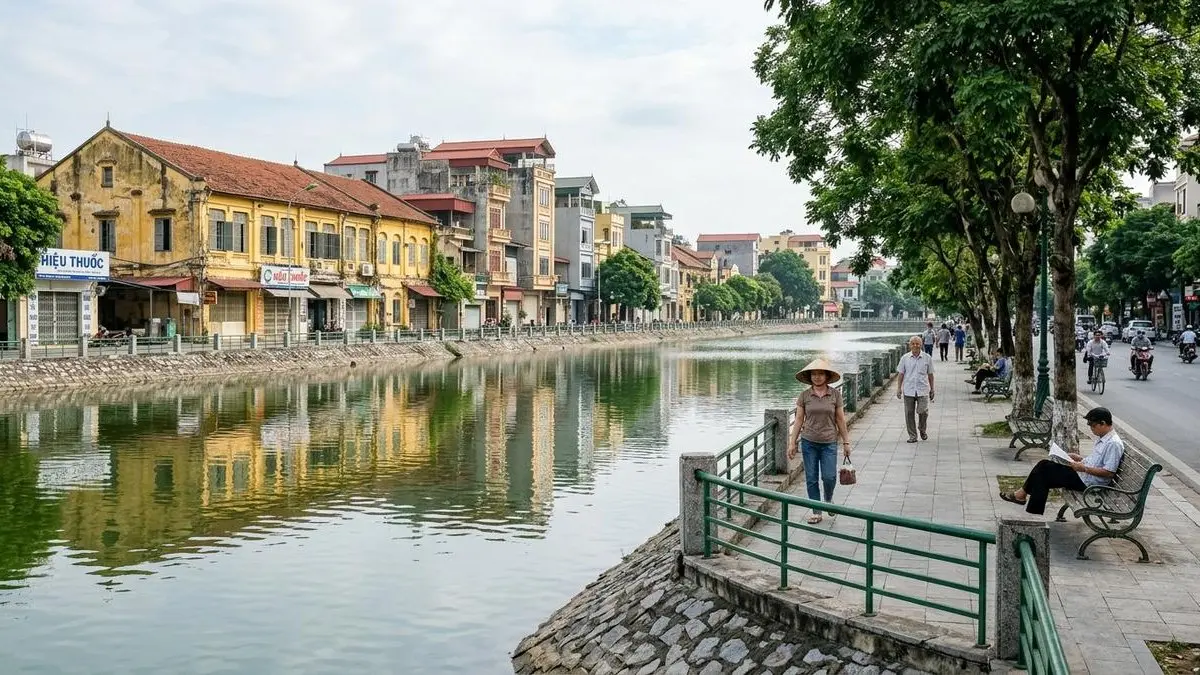
Cho Sat sits in the old heart of Haiphong, in Hong Bang district, close to the Tam Bac River and Tam Bac Lake. This area was the commercial core of the early port city. Goods arrived by water, merchants built shophouses along the banks and markets grew up where buyers and sellers met.
A name with a story
Sat means iron in Vietnamese. Local accounts usually link the name to the market’s early iron-framed structure, which stood out in a city of brick and timber, and to the metal goods traded there. Whatever the exact origin, the name stuck, and generations of Haiphong families still say they are going to Cho Sat when they need something practical.
Why visitors should care
For travelers, Cho Sat is a chance to see the commercial side of the port city without any staging. There are no performances and no souvenir stalls lined up for tour buses. You simply watch how locals shop, bargain, move goods and run family businesses.
From River Port To Colonial Trading Hub
Long before the market had its iron roof, the waterways around today’s Tam Bac area carried boats loaded with rice, salt, fish and handicrafts from the surrounding countryside. As Haiphong developed into a major port under French rule in the late 19th and early 20th centuries, the city planned markets, roads and warehouses to handle growing trade.
Life along the Tam Bac River
The river was the original highway. Small boats docked along the banks, porters carried goods up to the streets, and traders set up stalls nearby. The rhythm of loading and unloading shaped the whole neighborhood, from the narrow tube houses to the busy lanes behind them.
The colonial market era
During the colonial period, covered markets with metal frames appeared in several Vietnamese cities. They offered shade, order and a fixed place for taxes and trade. Cho Sat became one of the key markets of Haiphong, serving both city residents and traders who came in from rural districts.
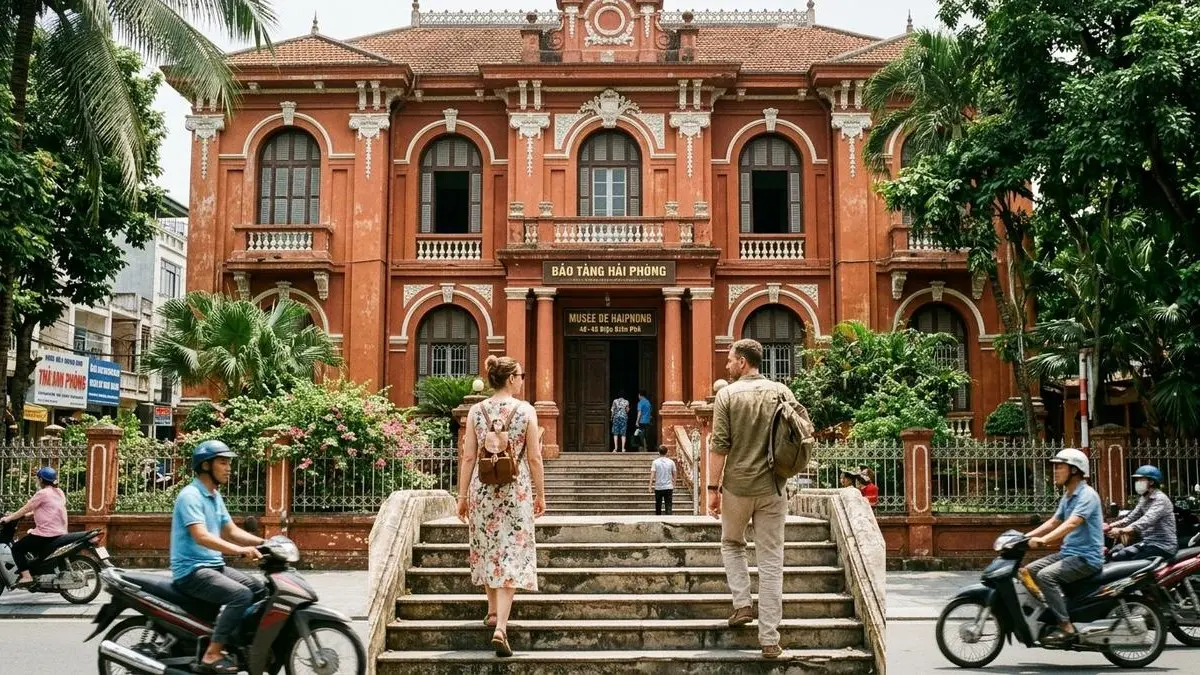
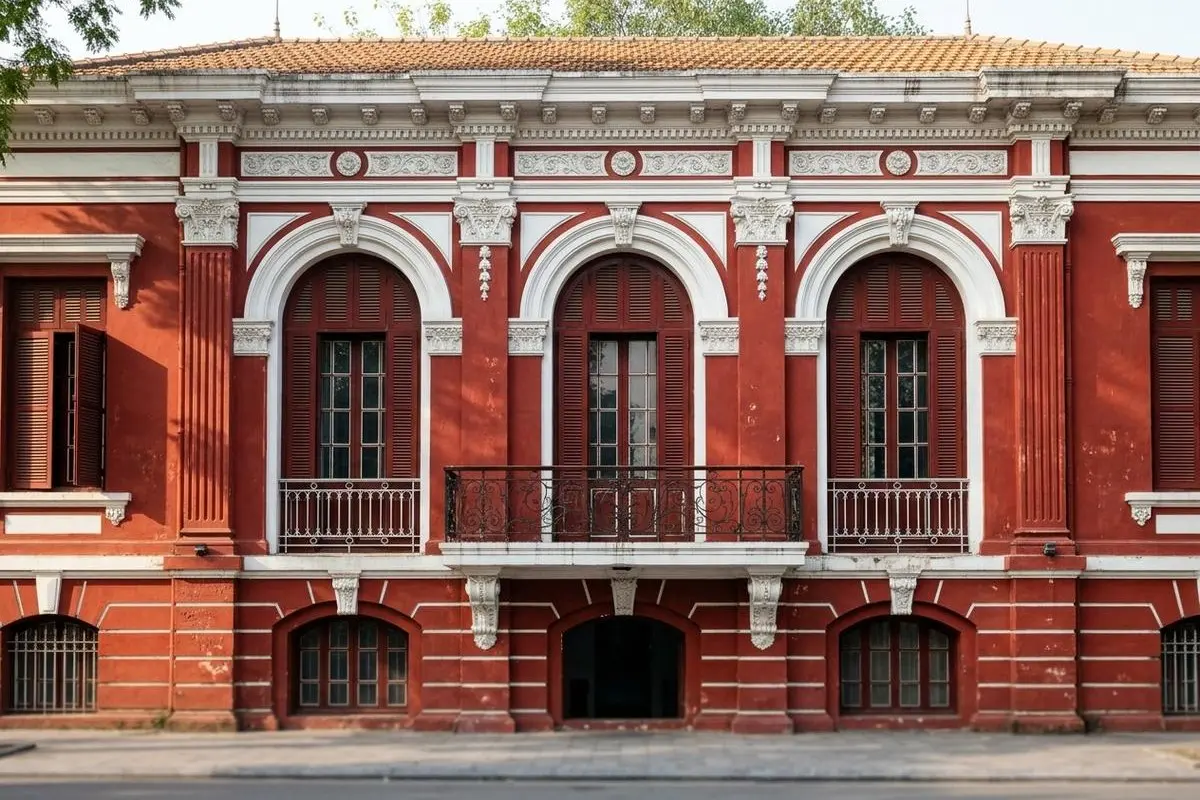
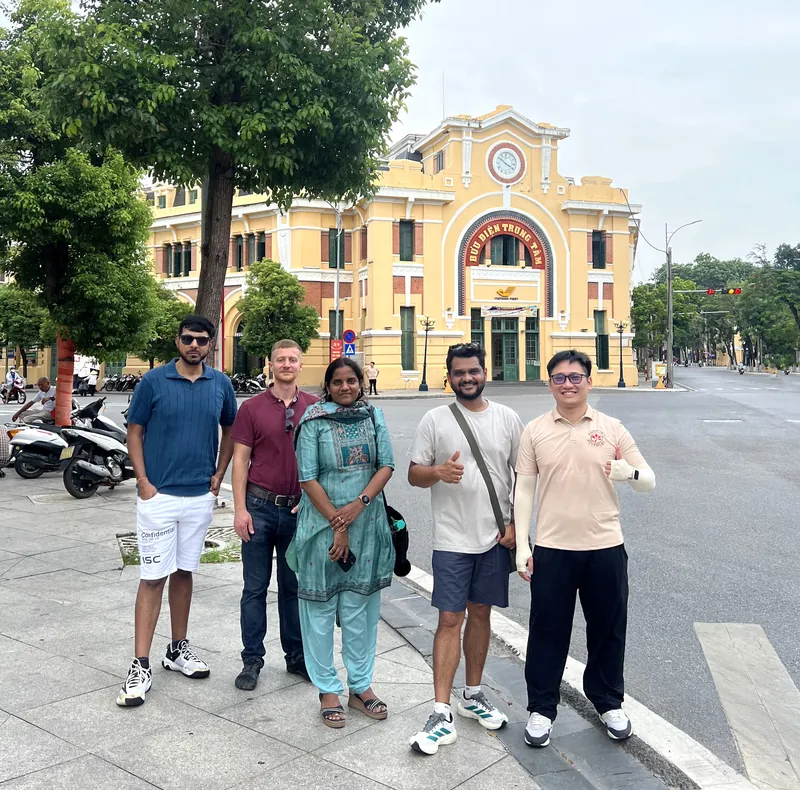
You can still see the architecture of that era a short walk away, including the elegant cultural landmarks of old Haiphong such as the Opera House and the City Post Office.
>>> Cultural Insights From A Haiphong City Tour Day
Change, Rebuilding And A Modern Market
Like many old markets in Vietnam, Cho Sat has changed shape over time. The original structure aged, the city grew around it, and the market was eventually redeveloped into a larger modern building. Today’s visitors see a multi-level trading center rather than the old iron hall, but the role of the place, a hub for practical goods, has continued.
What stayed the same
- Family-run stalls passed from parents to children.
- A focus on useful, everyday goods rather than luxury items.
- Busy streets around the market where wholesale and retail mix.
- Porters, motorbike deliveries and constant movement of stock.
What changed
- Modern electrical goods, phones and accessories replaced many older trades.
- The building is larger and more organized, with stalls arranged by category.
- Many shops now also sell online, but customers still come to check and compare in person.
Exact dates of each rebuilding phase are best confirmed locally, as accounts differ. Ask a guide or an older stall owner and you will often hear personal memories of how the market used to look.
Trade Life At Cho Sat Today
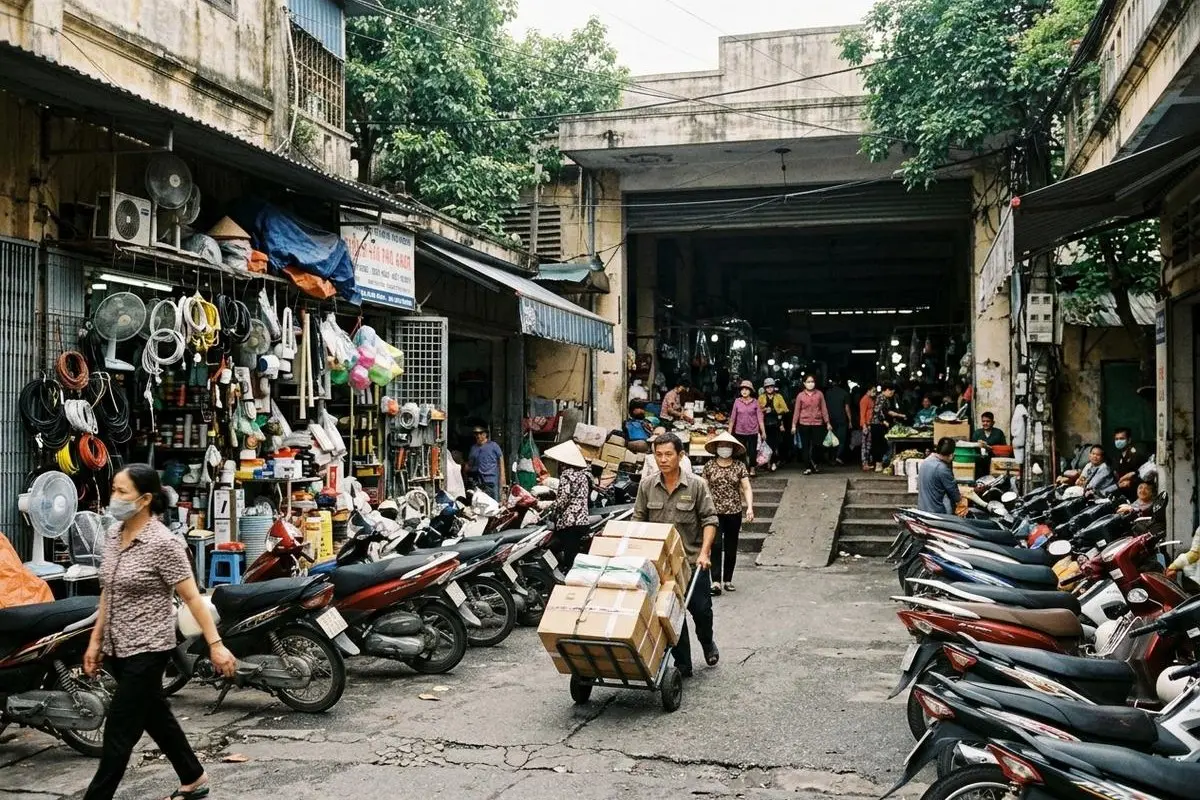
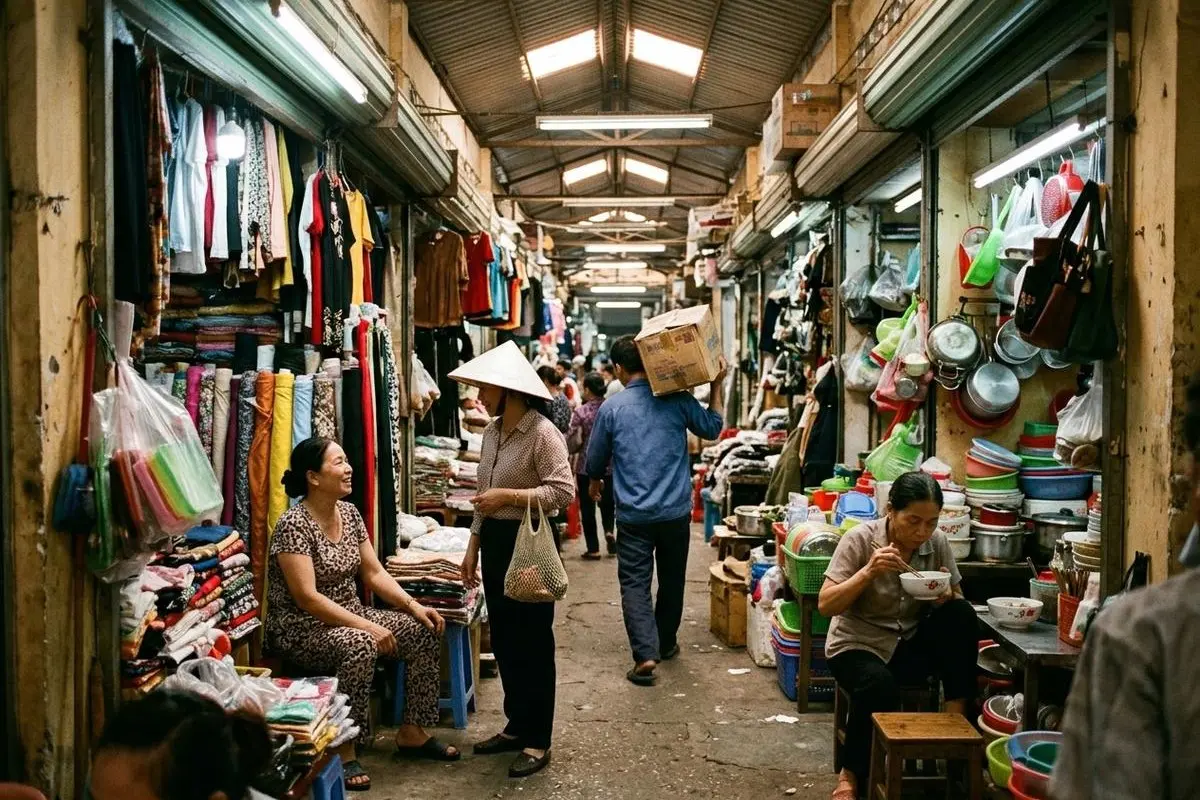
Walk in on a weekday morning and you will feel the pace immediately. Shop owners unpack boxes, test fans and cables, and talk prices with regular customers. Delivery riders arrive with stacks of goods tied to their motorbikes, and porters push hand trolleys through narrow gaps.
Main types of goods
- Electrical and electronic goods: fans, lights, cables, sockets, small appliances and repair parts.
- Phones and accessories: chargers, cases, headphones and repair services.
- Tools and hardware: hand tools, locks, hinges and household fittings.
- Fabric and clothing: bolts of cloth, everyday clothes and tailoring supplies in some sections.
- Household items: kitchenware, plastic goods and cleaning supplies.
Wholesale and retail side by side
Many traders sell both to individual customers and to smaller shops from other districts. You may see someone buy a single light bulb next to a shop owner loading dozens of boxes onto a motorbike. This mix is part of what keeps the market alive.
How bargaining works
Prices are often flexible, especially for larger purchases. Locals compare several stalls, ask for a discount politely and build long-term relationships with trusted sellers. As a visitor, keep negotiations friendly and remember that a small difference matters more to a family business than to your travel budget.
>>> Unusual Things To Do In Haiphong Off Beaten Path
The Streets Around The Market
Some of the most interesting scenes happen outside the building. The surrounding streets are lined with shophouses that specialize in particular trades, and the sidewalks become extensions of each shop. Goods are displayed, repaired and packed right on the pavement.
Watch the delivery culture
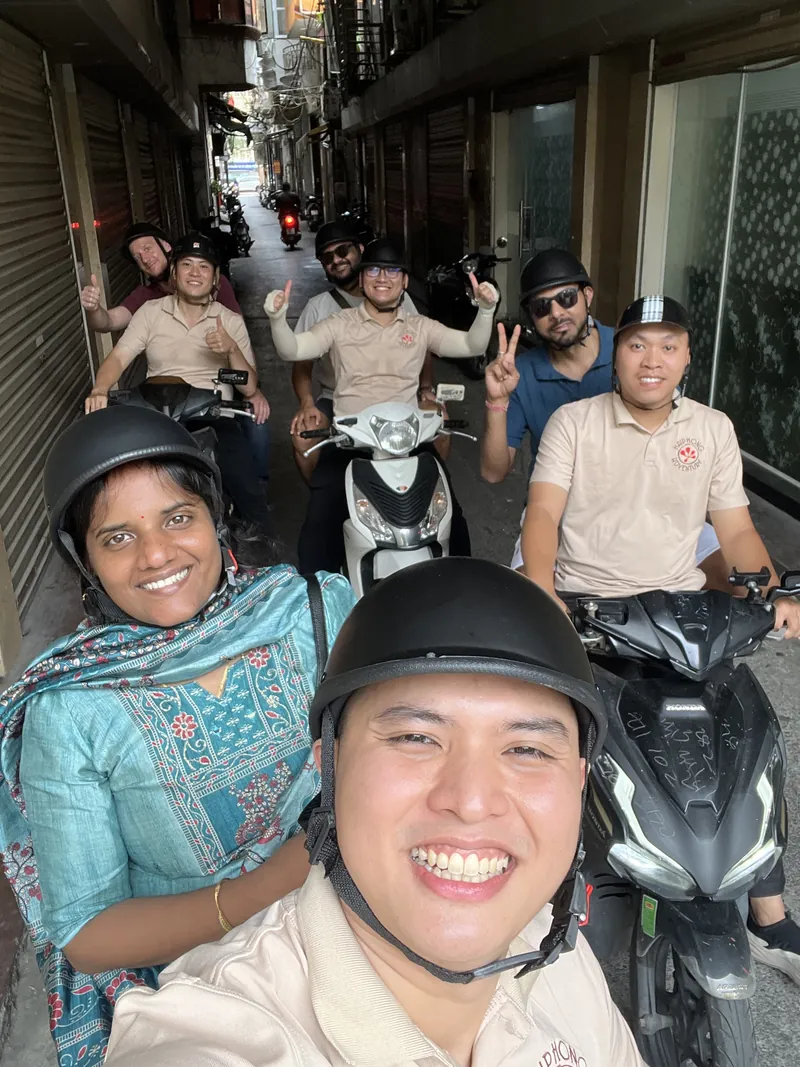
Haiphong runs on motorbikes, and nowhere is this clearer than around Cho Sat. Riders balance boxes, pipes and appliances with impressive skill. Stand to the side, keep your camera ready and enjoy the show, but always give way to working traffic.
Food stops nearby
Traders need to eat, so small food stalls and coffee corners are never far away. Look for busy spots serving noodle soup, rice dishes or sticky rice in the morning, and iced tea in the afternoon. Eating where the market workers eat is a simple way to taste real local food.
Recommended tour
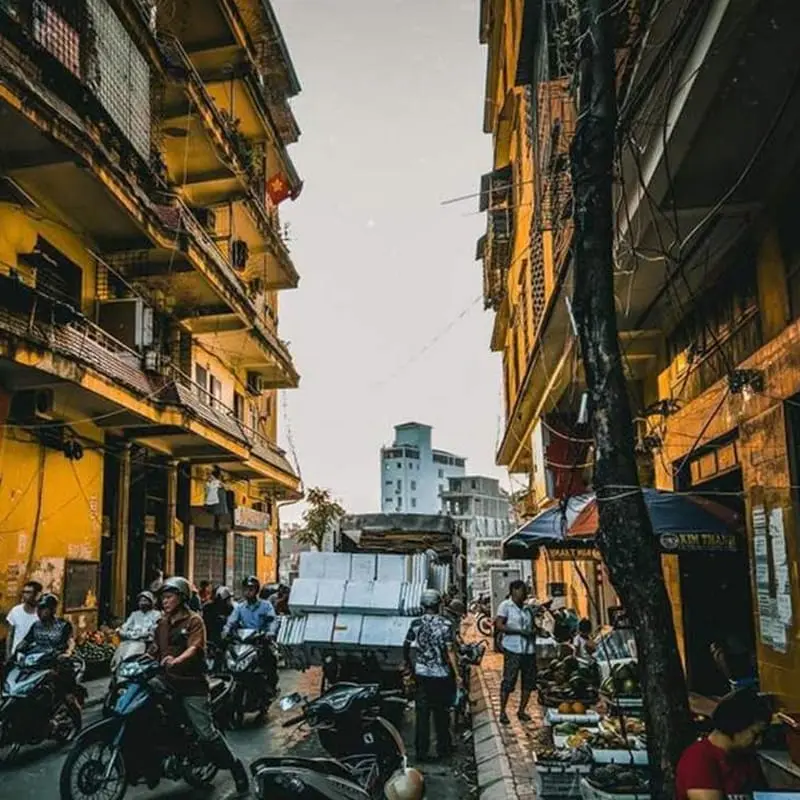
Ride with a local guide through the French quarter, old markets and hidden alleys, with coffee and street food stops along the way. A great way to understand the trading history of the city.
From $79 per person
Tam Bac Lake And The Old Commercial Quarter
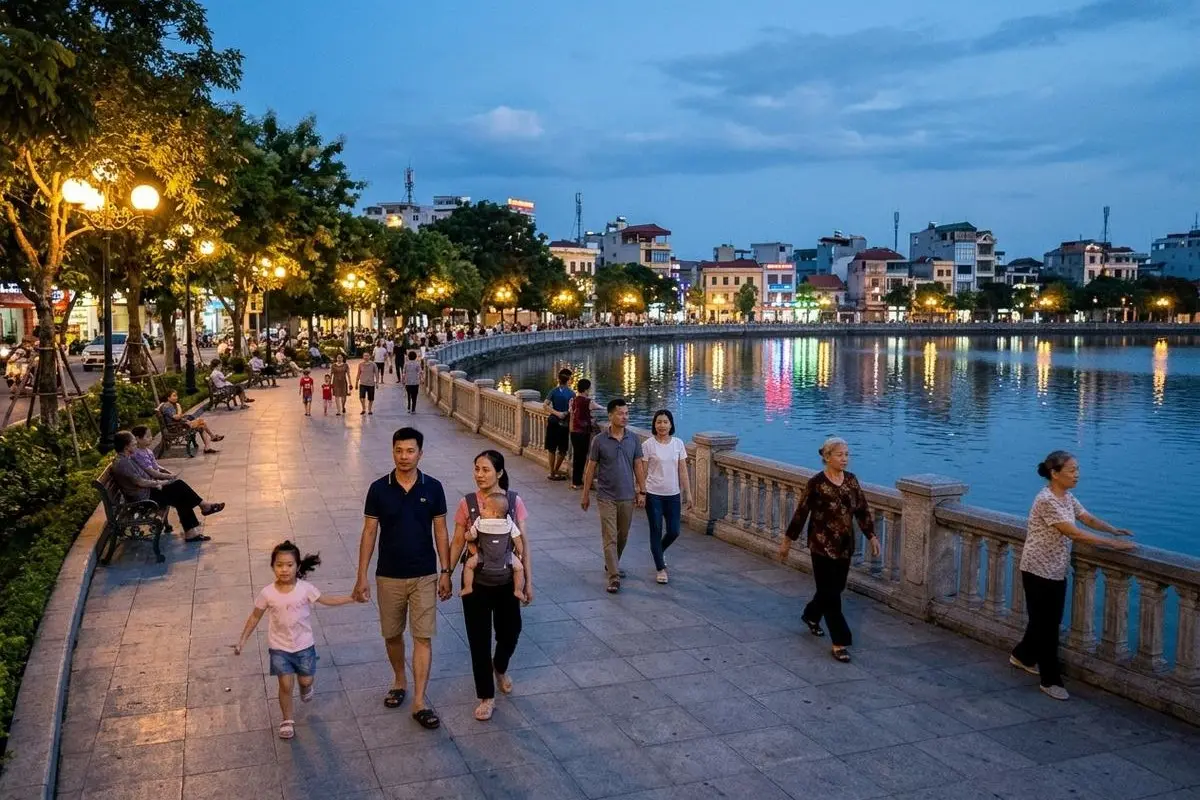
After the market, walk toward Tam Bac Lake. The lake and its promenade have been landscaped in recent years and make a pleasant place to rest. The streets nearby still hold old shophouses, small temples and corner cafes that hint at the trading past of the quarter.
Combine history in one walk
A simple loop links Cho Sat, Tam Bac Lake, the Opera House and the City Post Office. It is a compact way to see how trade, colonial planning and modern city life overlap in central Haiphong. It also fits well with the ideas in our guide to free things to do in Haiphong.
>>> My Favorite Things To Do In Haiphong On Weekend
Practical Tips For Visiting Cho Sat Market
Best time to visit
Weekday mornings are busy and lively, which is great for atmosphere. Early afternoon can be quieter if you prefer space to look around. Many stalls close by early evening, and some may close on public holidays and during Tet, the Lunar New Year.
What to bring
- Cash in small notes, as many stalls do not take cards.
- A small bag worn in front of you in crowded aisles.
- A phone with an offline map and a translation app.
- Comfortable shoes, as floors can be uneven and busy.
Market etiquette
- Ask before taking close-up photos of people or their stalls.
- Do not block narrow aisles while traders are moving goods.
- Avoid handling items you have no intention of buying.
- Smile and say cam on, thank you, even if you do not buy.
Getting there
The market is in the central area of the city and is easy to reach by taxi, Grab or on foot from many central hotels. Parking a motorbike yourself can be tricky in the busy streets, so many visitors prefer to come on a guided tour where the driver handles traffic.
>>> Private Haiphong Tour: Why A Local Guide Changes Everything
Why A Local Guide Helps At Cho Sat
Cho Sat can feel overwhelming at first. Signs are in Vietnamese, stalls look similar and traders are busy. A local guide translates, introduces you to stall owners who are happy to chat, and shares the stories that turn a hardware market into a living history lesson. For visitors short on time, our list of must-visit spots on a Haiphong tour shows how a market visit fits into a wider day.
Frequently Asked Questions
What does Cho Sat mean?
Cho means market and sat means iron, so the name translates as the Iron Market. It is commonly linked to the early iron-framed market structure and the metal goods traded there.
Is Cho Sat market good for tourists?
It is best for travelers who enjoy authentic local life and history. It is a practical trading market, not a souvenir bazaar, so go for the atmosphere and stories.
What is sold at Cho Sat today?
Mainly electrical goods, phones and accessories, tools, hardware, fabric and household items, along with food and drink stalls nearby.
How long should I spend there?
Around 45 minutes to an hour is enough to walk the market and nearby streets. Add more time if you combine it with Tam Bac Lake and the old quarter.
Can I visit Cho Sat on a guided tour?
Yes. Haiphong Adventure can include Cho Sat and the old commercial quarter on city and market tours, depending on your interests and timing.
Discover Haiphong’s Trading Past With Haiphong Adventure
Cho Sat market shows how a river port became a city of traders, and how that spirit lives on in every busy stall. If you would like a local guide to bring its history to life, plan your visit with the Haiphong Adventure team:
- WhatsApp, Viber, WeChat: +84(0)934.555.001
- KakaoTalk, Line ID: haiphongadventure
We look forward to showing you the real Haiphong.