Haiphong Opera House Architecture French Style
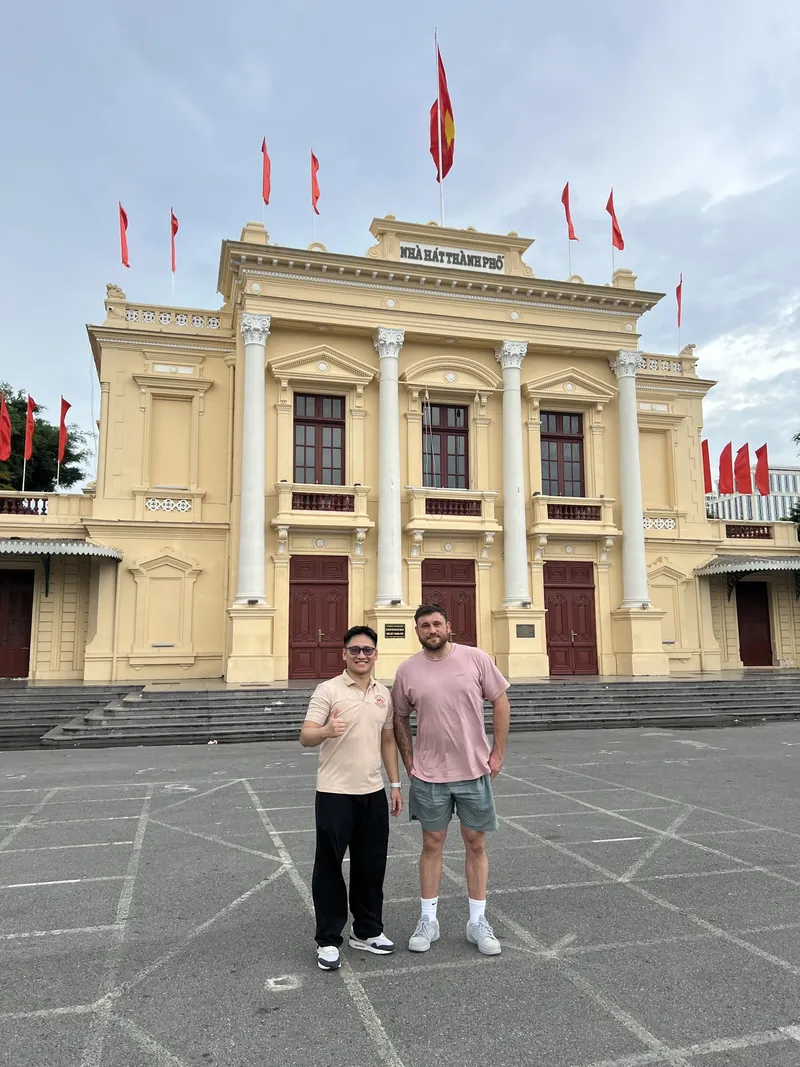
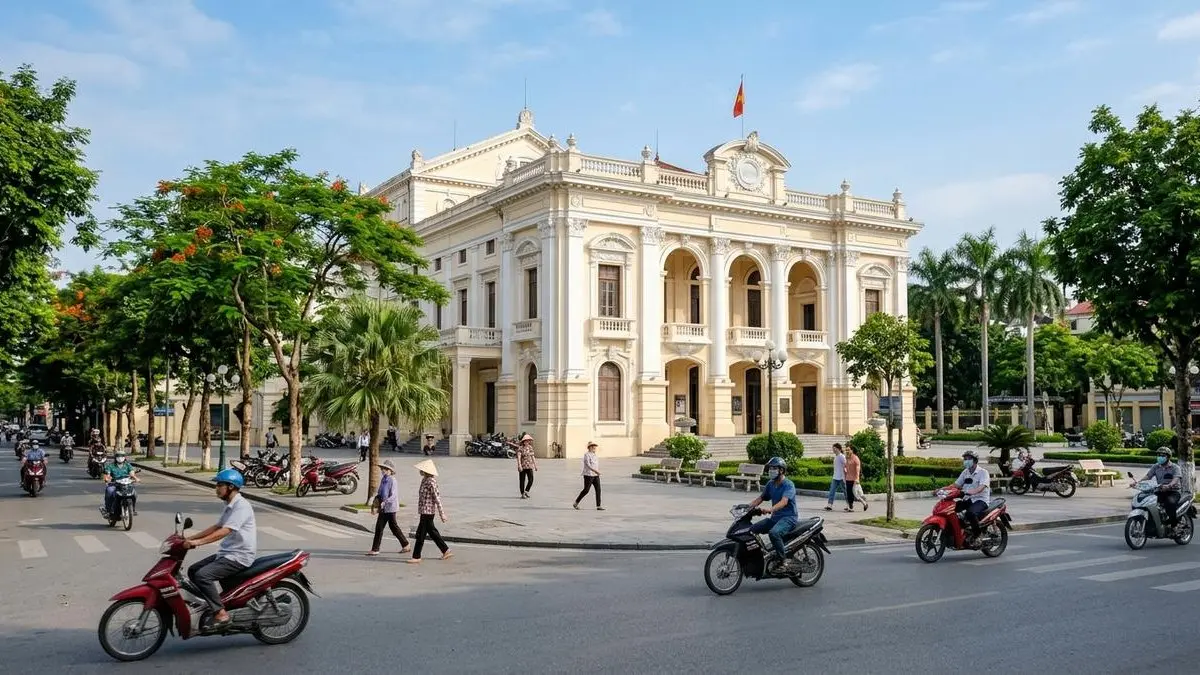
The Haiphong Opera House is the finest example of French colonial architecture in the port city. Built in the early 20th century, its columns, arched windows and elegant facade still dominate the city centre and give Haiphong much of its old-world charm.
In this guide, the Haiphong Adventure team explains the French style behind the Haiphong Opera House, the details worth looking for, how it fits into the colonial city around it and how to enjoy and photograph it on your visit. We keep dates and figures cautious, as sources differ on some details (updated October 2026).
A Short History Of The Haiphong Opera House
Haiphong grew quickly under French rule as the main seaport of northern Vietnam. As the colonial city expanded, the authorities built grand public buildings to show the importance of the port, and a theatre was at the top of the list.
Construction of the Haiphong Opera House is usually dated from 1904 to 1912. It was designed to host European style performances for the colonial community, in a period when opera houses were also rising in Hanoi and Saigon.
After independence, the building took on a new meaning. The theatre and its square became a stage for important moments in the city’s modern history, and today the building is used for performances, ceremonies and city events. It remains one of the best loved landmarks in Haiphong.
The French Style Behind The Design
The Haiphong Opera House follows the neoclassical tradition that was popular for public buildings in France in the late 19th and early 20th centuries. This style borrows from Greek and Roman architecture and aims for balance, order and a sense of grandeur.
Symmetry and proportion
Stand in the middle of the square and you will notice that the facade is almost perfectly symmetrical. The central entrance is framed by matching wings on each side, which gives the building a calm, formal look.
Columns and arches
Classical columns and tall arched openings are the signature of the facade. They create a rhythm of light and shadow that changes through the day, especially in the soft morning and late afternoon light.
Decorative details
Look up and you will see cornices, mouldings, balustrades and ornamental reliefs. These details were typical of French civic architecture and were meant to signal culture and prestige.
Colour and materials
The pale, warm facade colour stands out against Haiphong’s green trees and blue sky. Like many colonial buildings in Vietnam, it combines European design with materials and craftsmanship adapted to the local climate.
Architectural Features To Look For
Use this quick checklist when you visit. It turns a quick photo stop into a small architecture walk.
| Feature | What to notice |
|---|---|
| Central entrance | The grand doors and steps that create a formal arrival |
| Columns | Their spacing and the way they frame the windows and doors |
| Arched windows | Tall openings that bring light inside and soften the facade |
| Roofline | The decorative edge and the way it crowns the building |
| Balustrades | Railings and balconies that add depth to the upper level |
| Square in front | The open space that lets you see the whole building at once |
The interior is usually opened for performances and events. If you have the chance to attend a show, look for the auditorium layout, the stage and the decorative details that echo the facade.
Haiphong Opera House Vs Hanoi Opera House
Visitors often ask how the two famous French theatres of northern Vietnam compare. Both are elegant, but they feel different.
- Size. The Hanoi Opera House is larger and more ornate, while the Haiphong Opera House is more compact and intimate.
- Setting. In Haiphong, the building sits at the end of a long open square, which makes it easy to see and photograph from a distance.
- Atmosphere. Haiphong feels calmer and more local, with families and students filling the square in the evening.
- Period. Both were built in the same era, in the early 20th century, and reflect the same French neoclassical taste.
If you are visiting both cities, seeing the two theatres within a few days is a nice way to compare how the French shaped each city.
>>> 24-Hour DIY Haiphong Tour: The Ultimate Guide
Other French Colonial Buildings Nearby
The Opera House is the star, but central Haiphong has several other colonial buildings within walking distance or a short ride.
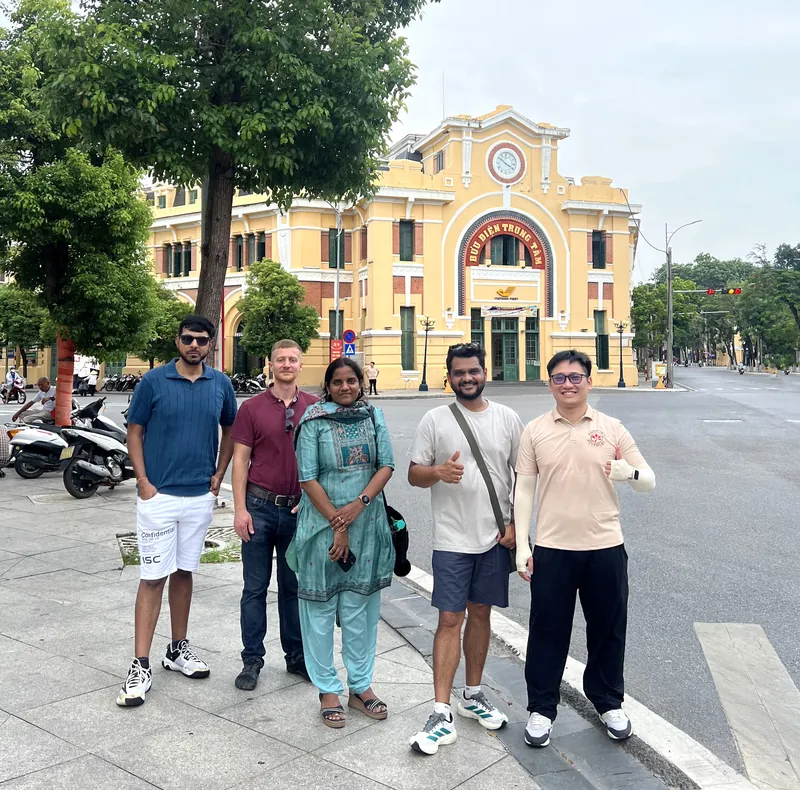
Haiphong City Post Office
With its yellow walls and classic French lines, the city post office is one of the most photogenic colonial buildings in town and still works as a post office.
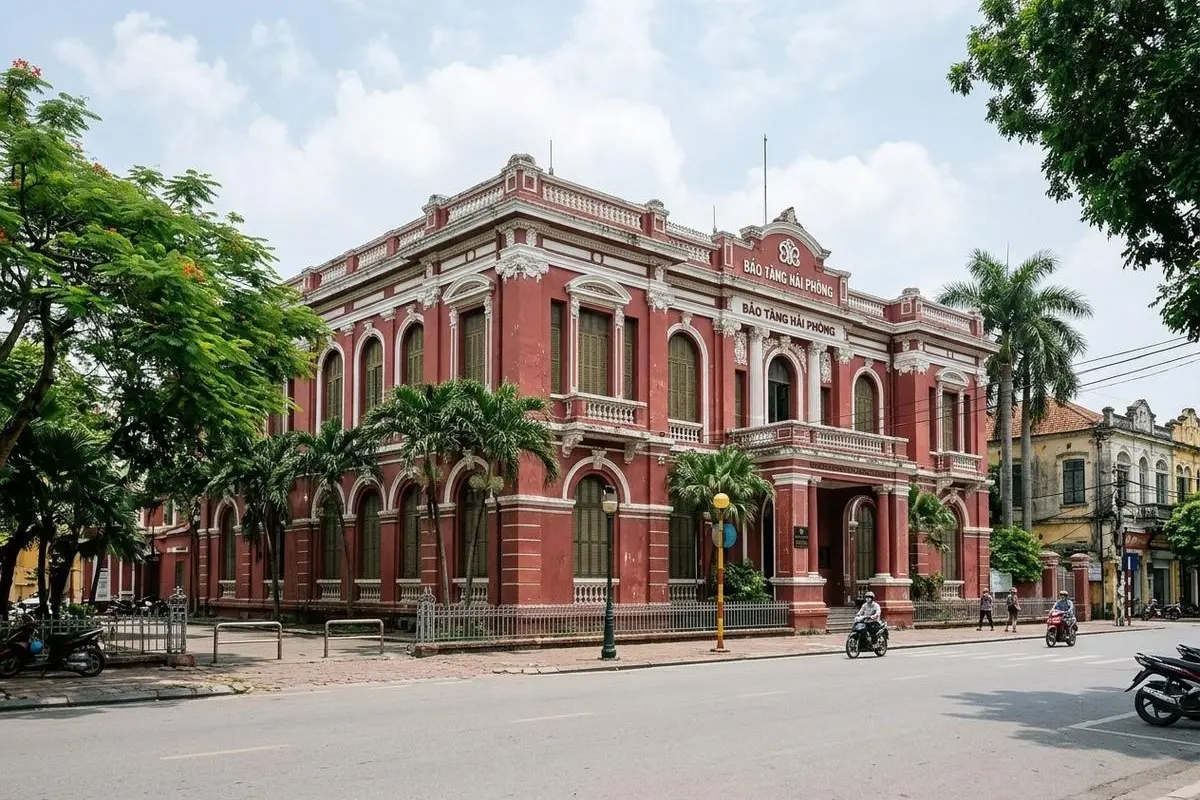
Haiphong Museum
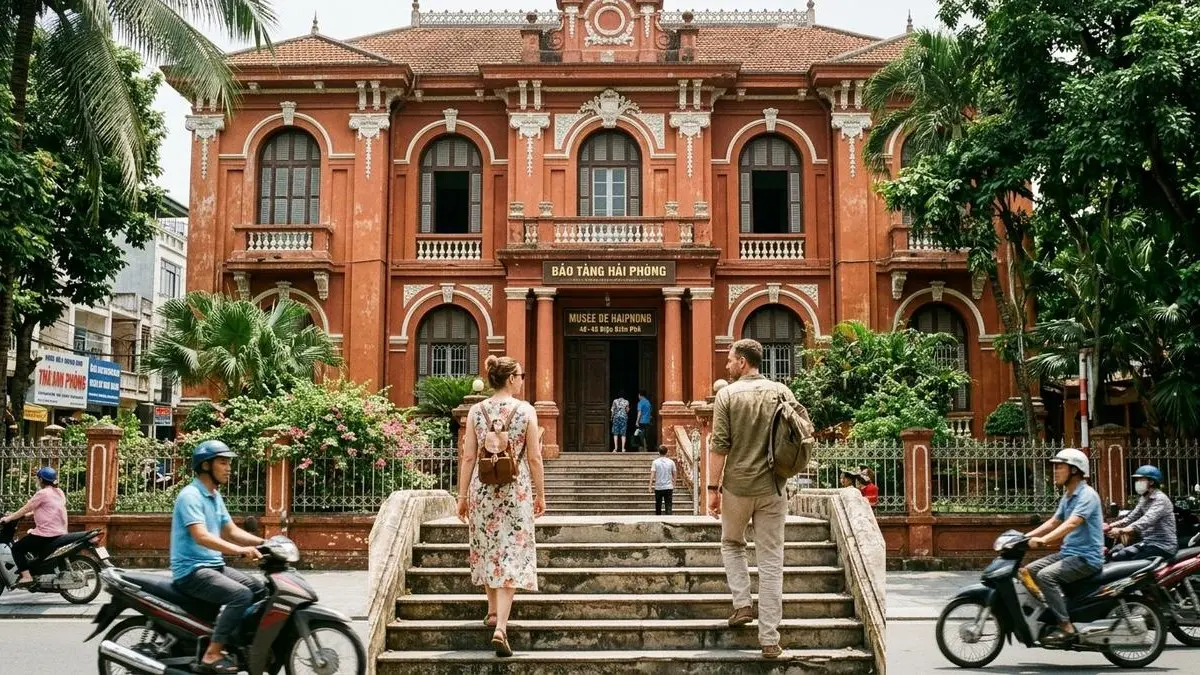
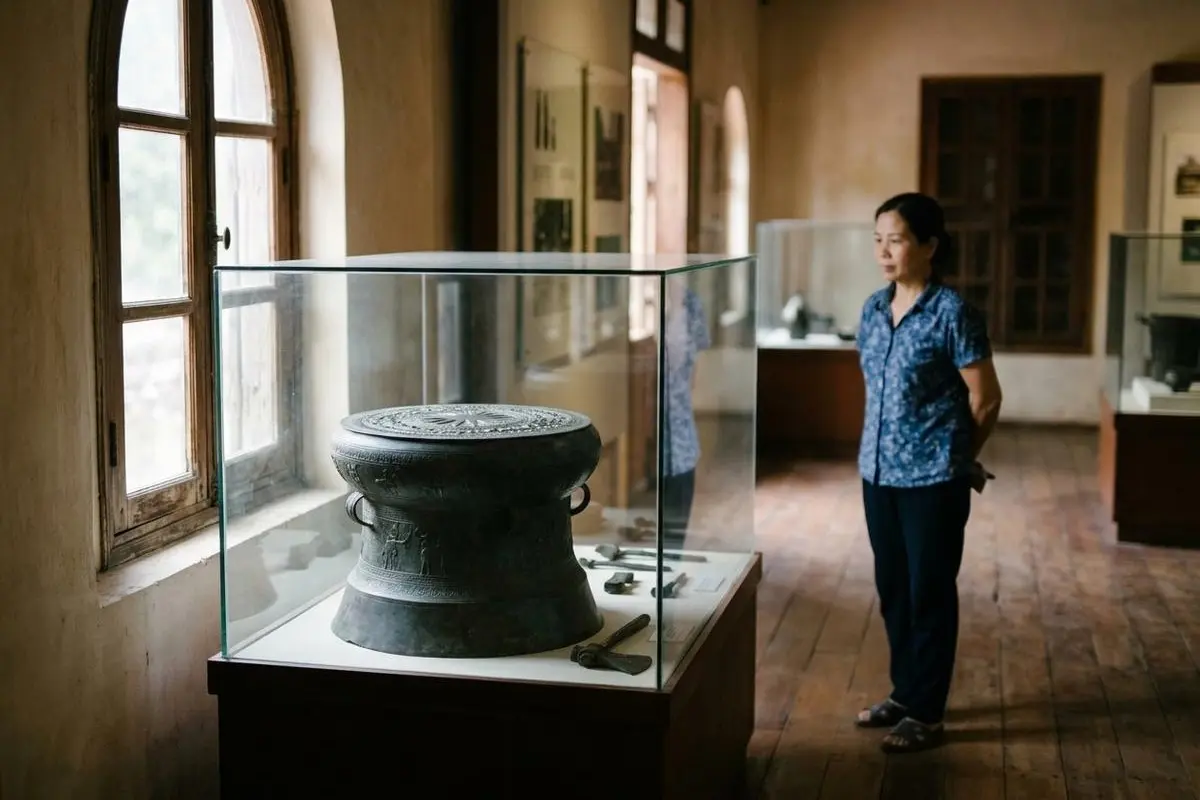
Housed in a striking colonial building on Dien Bien Phu Street, the museum is worth seeing for its facade alone, and the exhibits tell the story of the city.
Old streets and villas
Streets around the centre still have colonial villas and shophouses with shutters, balconies and tiled roofs. Walking or riding slowly through them is the best way to feel the old port city.
For more cultural stops, see our guide to cultural things to do in Haiphong and our list of must-visit spots in Haiphong.
Recommended tour
Taste of Old Haiphong
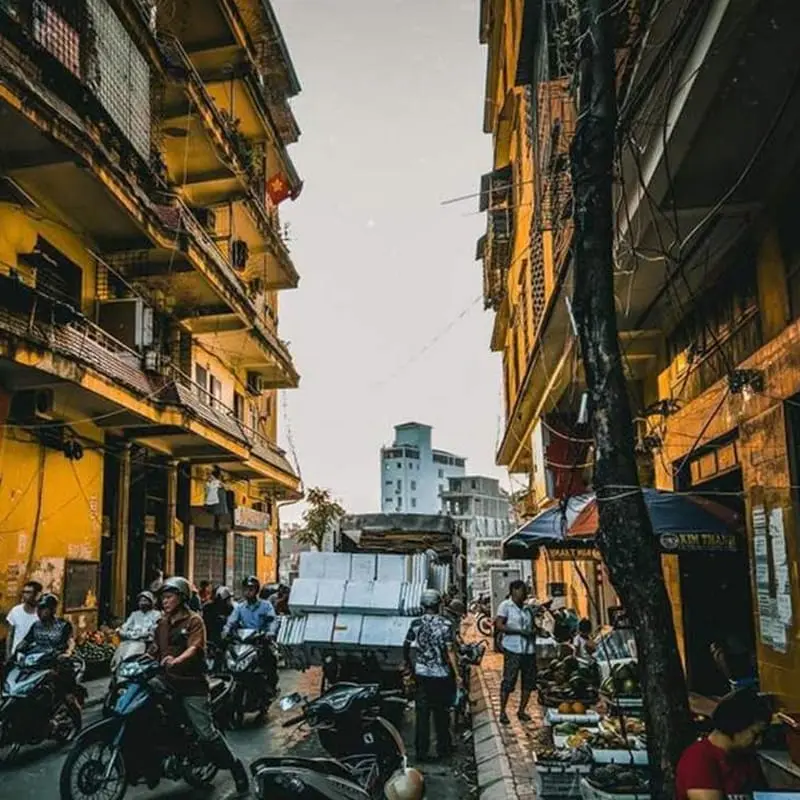
Discover the old port city with a local guide, from colonial streets and landmarks to the markets and flavours that locals love.
From $79 per person
How To Visit And Photograph The Opera House
Best times
- Early morning. Soft light, fewer people and a calm square.
- Late afternoon. Warm light on the facade and long shadows from the columns.
- Blue hour. Just after sunset, when the building lights up and the sky is still blue.
Photo tips
- Stand back on the square to fit the whole symmetrical facade in one frame.
- Use the trees and flower beds as natural frames in the foreground.
- Get closer for details such as columns, windows and balustrades.
- Be careful with traffic when stepping onto the road for a wider view.
Practical tips
- The square is free to visit at any time.
- The interior opens mainly for shows and events, so check posters at the entrance.
- Combine your visit with a coffee nearby and a walk to the Le Chan statue square.
Short on time? Our half-day Haiphong itinerary includes the Opera House and other highlights of the centre.
>>> Unusual Things To Do In Haiphong Off Beaten Path
A Simple Colonial Architecture Walk
- Start at the Opera House. Spend time on the square and study the facade.
- Walk to the Le Chan statue square. Enjoy the open space and city views.
- Visit the city post office. Take photos of the yellow colonial facade.
- Continue to the Haiphong Museum. Admire the building and explore the exhibits.
- Finish with coffee. Rest at a cafe with a view of the old streets.
Many guests on our haiphong tours say this walk was the moment they understood how the French shaped the city, and our guides love sharing the stories behind each building.
Frequently Asked Questions About Haiphong Opera House Architecture
What style is the Haiphong Opera House?
It is a French colonial building in the neoclassical style, with symmetry, columns, arched windows and decorative details.
When was the Haiphong Opera House built?
Construction is usually dated from 1904 to 1912, during the French colonial period.
Can I go inside the Haiphong Opera House?
The interior is mainly open during performances and events. Attending a show is the easiest way to see it.
Is it similar to the Hanoi Opera House?
Both share the French neoclassical style of the same era, but the Haiphong building is smaller and more intimate.
When is the best time to photograph it?
Early morning and late afternoon give the nicest light, and blue hour is great when the facade is lit.
Discover Haiphong Through Its Architecture
The Haiphong Opera House is a beautiful reminder of the city’s layered history, where French design meets Vietnamese life. Take your time on the square, look for the details and continue to the other colonial landmarks nearby.
If you would like a local guide to share the stories behind Haiphong’s old buildings, the Haiphong Adventure team is happy to help you plan your day.
WhatsApp, Viber, WeChat: +84(0)934.555.001
KakaoTalk, Line ID: haiphongadventure