Haiphong During the French Colonial Period and Its Legacy
Haiphong during the French colonial period changed from a modest riverside settlement into the main port of northern Indochina. From the 1870s, when the port was opened to foreign trade, the French built quays, warehouses, wide boulevards, a railway to Hanoi and on to Yunnan in China, and grand public buildings such as the Opera House. The era ended in 1955, after years of conflict. Today its legacy is easy to see in the city center, where yellow colonial facades, tree-lined streets and the old port shape Haiphong’s character.
We lead history walks and city rides through these streets every week. This guide explains how the colonial city grew, what life was like, how the period ended and which buildings you can still visit.
Timeline at a Glance
| Period | What happened |
| 1870s | Haiphong opened to foreign trade, French presence begins |
| 1880s | Haiphong formally becomes a city, port works expand |
| Early 1900s | Railway to Hanoi opens, later extended toward Yunnan; major public buildings rise |
| 1910s to 1930s | Peak growth as a trading and industrial port |
| 1946 | Fighting in Haiphong marks the start of open war with France |
| 1955 | French forces leave Haiphong |
Dates are rounded for clarity. For the long view, see our story of Haiphong’s history from fishing port to vibrant city.
Why the French Chose Haiphong
Haiphong sits near the mouth of the Cam River, part of the Red River delta system, with access to the Gulf of Tonkin. For a colonial power wanting to control trade in northern Vietnam and reach southern China, this was an ideal location. Ships could unload goods here, and rivers and later railways carried them inland to Hanoi and beyond.
The land itself was challenging: low, marshy and prone to flooding. Building the city meant draining swamps, filling land and digging canals, much of it done by Vietnamese laborers in hard conditions.
Building a Port City
Over a few decades, Haiphong was transformed:
- Port and quays: docks, warehouses and shipping offices lined the riverbank.
- Grid streets: wide, straight boulevards replaced village lanes in the new center.
- Railway: the line to Hanoi opened in the early 1900s and was later linked to the railway into Yunnan, making Haiphong a gateway for goods from southern China.
- Industry: cement works, shipyards and factories brought jobs and migrants.
- Public buildings: an opera house, post office, banks, administrative offices and churches gave the city a European look.
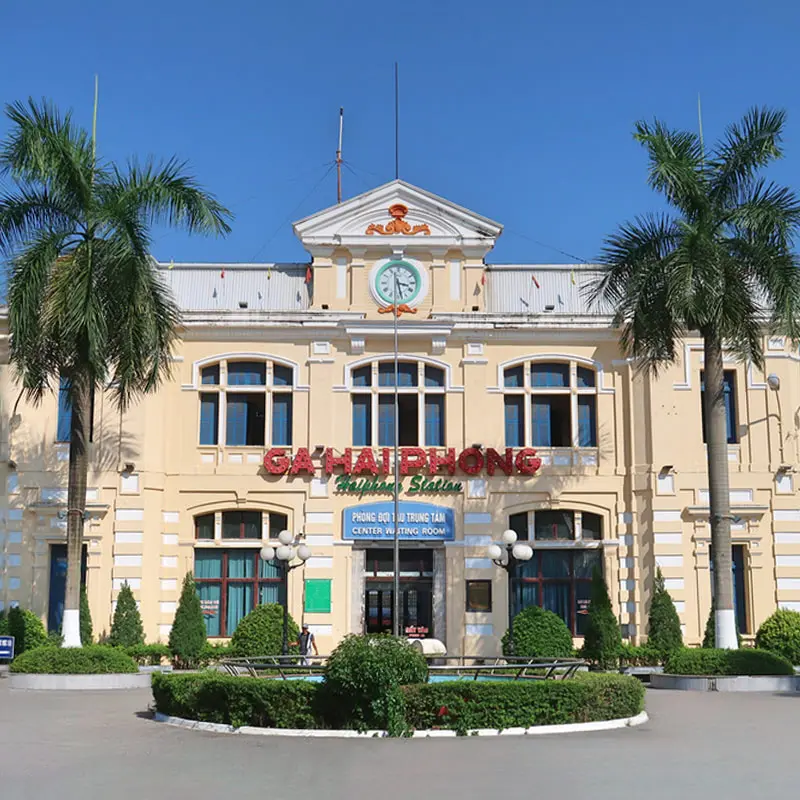
>>> Haiphong Railway Station History And Architecture
Life in Colonial Haiphong
The colonial city was divided. Europeans lived and worked mainly in the new central quarter with its villas and offices, while a busy Chinese trading community ran shops and businesses, and Vietnamese workers and families lived in crowded neighborhoods around the edges and near the port.
For many Vietnamese, life meant long hours on the docks, in factories or on construction sites, with low pay and few rights. At the same time, the growing port created new trades, markets and a lively mix of cultures that still flavors the city’s food and street life today.
Recommended tour
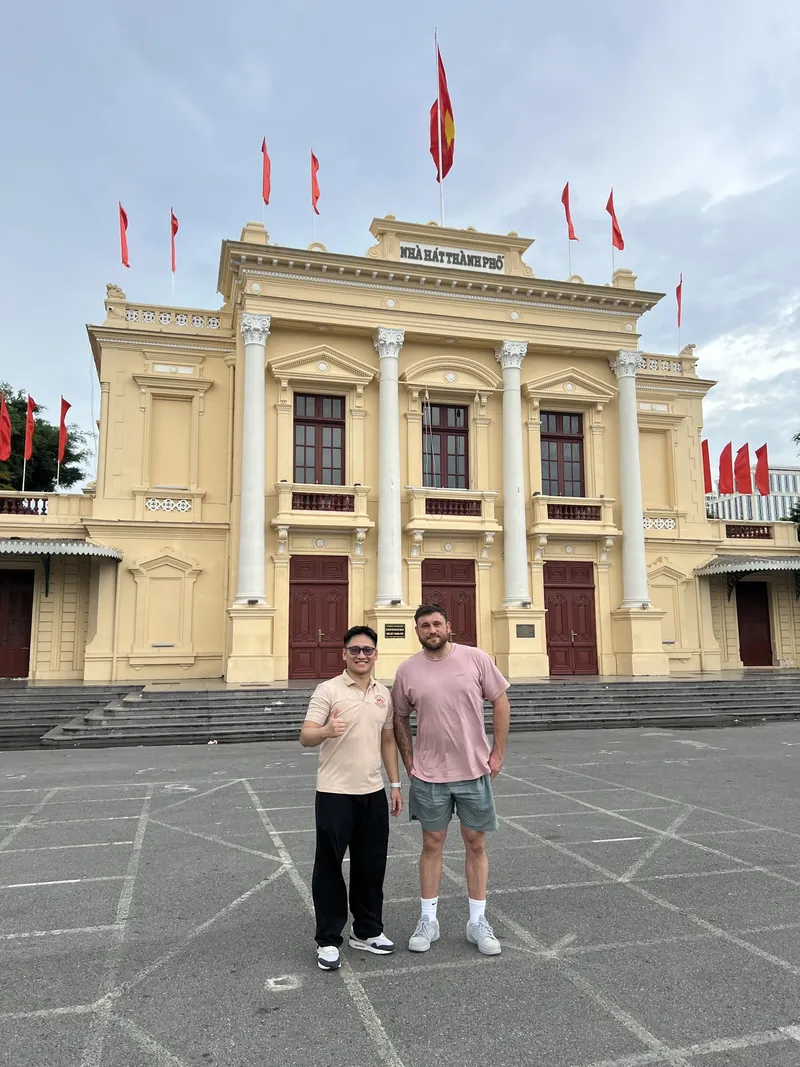
Ride past the Opera House, the old post office and colonial streets with a local guide who brings the city’s history to life.
From $79 per person
Resistance and the End of the Colonial Era
Haiphong’s workers and port communities became an important base for the independence movement. After the Second World War, tensions between the returning French and the Vietnamese independence government grew. In late 1946, fighting broke out in Haiphong, an event widely seen as one of the sparks of the First Indochina War.
After the war ended in 1954, the Geneva agreements set a timetable for French withdrawal from the north. Haiphong was one of the last places the French left, in 1955, closing a chapter of roughly eight decades.
>>> Historical Stories From My Haiphong Walking Tour
Colonial Landmarks You Can Visit Today
- Haiphong Opera House: the grand neoclassical theater at the end of the main boulevard, still used for performances and events.
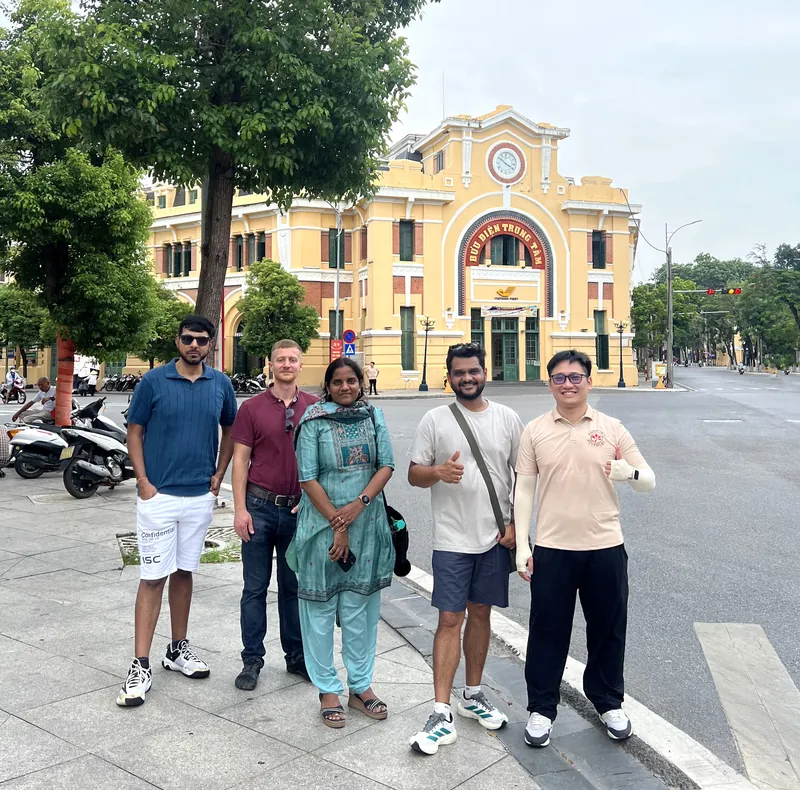
- City Post Office: an elegant yellow building that still works as a post office.
- Haiphong Museum: housed in a striking colonial-era building, with exhibits on the city’s history.
- Haiphong Cathedral: a large Catholic church from the colonial period, a short walk from the center.
- Old streets near the port: rows of shophouses and villas with shutters and balconies.
- Haiphong Railway Station: a historic station on the line to Hanoi.
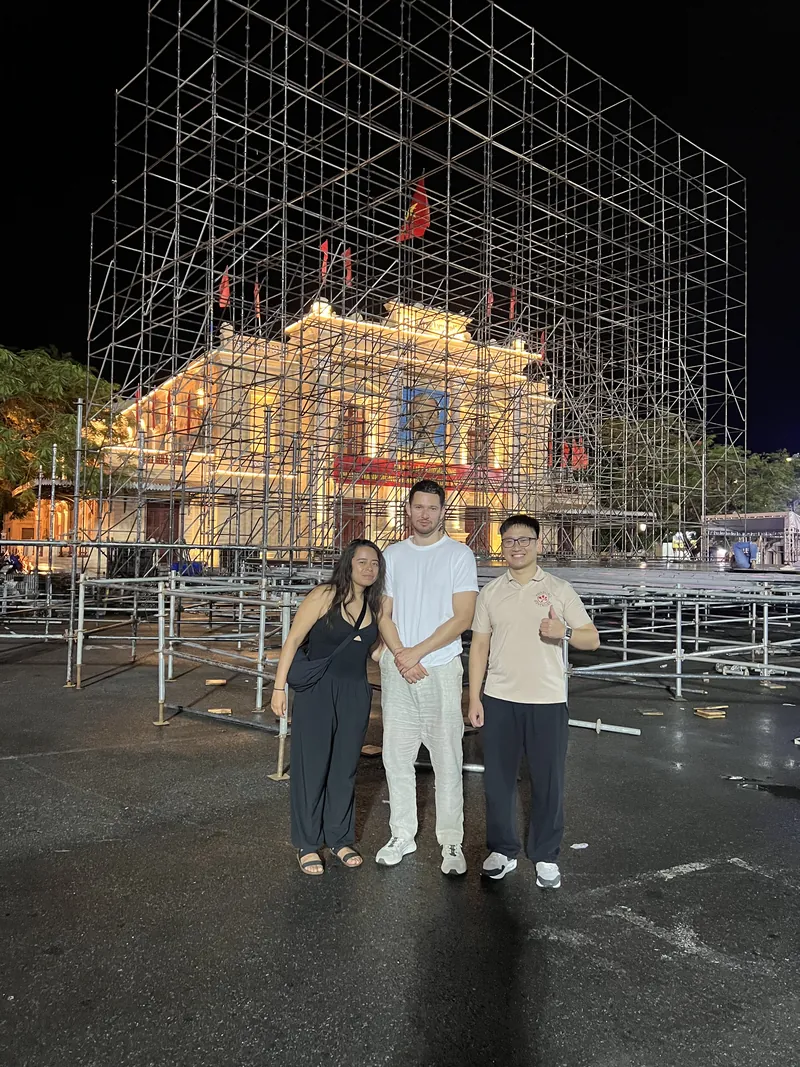
Use our Haiphong colonial buildings map to plan a walk, and learn about the styles in our guide to Haiphong French colonial architecture.
The Legacy Today
The colonial period left Haiphong with more than buildings. Its street plan still guides traffic in the center, the port remains the city’s economic engine, and the railway still links it to Hanoi. Locals have made these spaces their own: sidewalk cafes sit beneath colonial balconies, and families gather on the boulevards in the evening. Many buildings have been restored, while others are slowly aging, giving the center a layered, lived-in charm.
>>> History Of Colonial Haiphong Post Office Building
Frequently Asked Questions
When was Haiphong under French rule?
French influence began in the 1870s, when the port opened to foreign trade, and lasted until French forces left in 1955.
Why was Haiphong important to the French?
It was the main sea gateway to northern Indochina and, through the railway, to southern China, making it vital for trade and military supply.
What colonial buildings can I see in Haiphong?
Highlights include the Opera House, City Post Office, Haiphong Museum building, the cathedral and many old shophouses and villas in the center.
Can I visit inside the Opera House?
Access depends on events and opening arrangements. The exterior and square are always free to enjoy.
What happened in Haiphong in 1946?
Fighting broke out between French forces and Vietnamese forces in the city, one of the events that led to the First Indochina War.
Walk Through Haiphong’s Colonial Past
Understanding Haiphong during the French colonial period makes a walk through the center far more meaningful, from the Opera House to the old port. If you would like a local to share the stories behind the facades, Haiphong Adventure offers city rides, history walks and food tours with friendly English-speaking guides. Explore our Haiphong tours or message us with your questions.
Contact Haiphong Adventure
- WhatsApp, Viber, WeChat: +84(0)934.555.001
- KakaoTalk, Line ID: haiphongadventure