History Of Colonial Haiphong Post Office Building
The Haiphong Post Office is one of the oldest public buildings still serving its original purpose in the city. Built in the early twentieth century during the French colonial period, it was part of a network of post and telegraph offices that connected the busy port of Haiphong with Hanoi, the rest of Indochina and the wider world. More than a century later, its yellow walls and tall windows still welcome residents who come to send letters, parcels and payments.
In this guide, the Haiphong Adventure team traces the story of the building against the history of the city: why Haiphong needed a grand post office, what its architecture says about the colonial era, how the city changed through war and independence and why the building matters to visitors today. Exact construction dates and details vary between sources, so we focus on the well-established context rather than precise figures.
Haiphong Before The Post Office
Long before colonial buildings appeared, the area around Haiphong was a landscape of rivers, mangroves, fishing villages and small trading settlements. Its location near the mouth of the Cam River and close to the sea made it a natural gateway to the Red River Delta.
In the second half of the nineteenth century, French influence in northern Vietnam grew. Haiphong was chosen as a key port because ships could reach it from the Gulf of Tonkin and goods could move inland toward Hanoi. Marshes were drained, canals dug and the first warehouses and administrative buildings constructed. By the late nineteenth century, Haiphong had become a French concession and one of the most important ports in Indochina.
Why a port city needed a post office
- Trade. Merchants needed fast communication with buyers, banks and shipping companies.
- Administration. Colonial offices exchanged reports and orders with Hanoi and Paris.
- Shipping. Ship arrivals, departures and cargo details had to be shared quickly.
- Residents. A growing population of officials, traders and workers sent letters home.
The post and telegraph service was essential infrastructure, as important to the port as its docks and railway.
Building A Colonial Landmark
As Haiphong prospered in the early twentieth century, the colonial administration built a series of impressive public buildings in the city centre. The Opera House, the city hall and the post office all date broadly from this period. Together they were meant to show order, permanence and prestige.
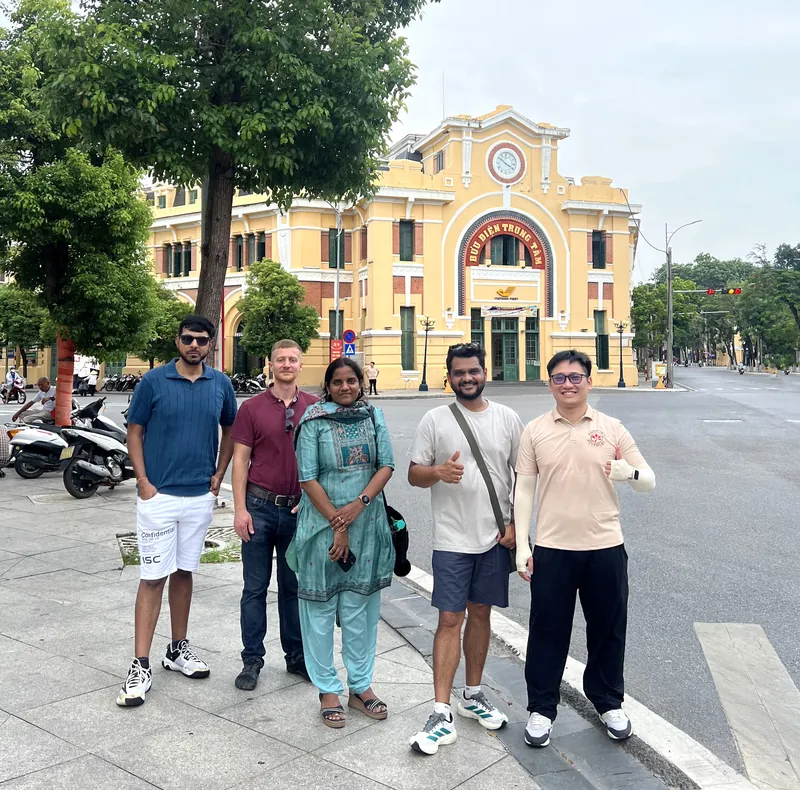
The post office was designed in the European style favoured for official buildings, adapted to the hot, humid climate of northern Vietnam. Its size and decoration signalled that communication was central to the life of the port.
Architectural features of the era
- Symmetrical facades that gave a sense of order and authority.
- Tall windows and high ceilings to keep interiors cool and bright.
- Thick masonry walls to protect against heat and storms.
- Light-coloured render, today a warm yellow, to reflect the sun.
- Decorative mouldings around windows, doors and the roofline.
For a broader look at how these buildings fit into the city, read about a Haiphong city tour with cultural insights, which links the post office with other colonial landmarks.
>>> The Ultimate Haiphong Tour: Top 10 Must-Visit Spots in 2025
Letters, Telegrams And A Connected Port
In its early decades, the post office was much more than a place to buy stamps. It was a hub of communication for the entire port.
| Service | Why it mattered |
|---|---|
| Letters and parcels | Connected families, merchants and officials across Indochina and overseas |
| Telegraph | Allowed near-instant messages about ships, prices and politics |
| Money orders | Helped workers and traders send money safely |
| Official mail | Carried government reports and documents |
Mail moved by ship, by rail between Haiphong and Hanoi and by road. The arrival of the railway linking the port with Hanoi and beyond made the network faster and more reliable, and the post office sat at the centre of this flow of information.
Through War And Change
The twentieth century brought dramatic change to Haiphong. The city lived through the end of colonial rule, the First Indochina War, the departure of French forces in the mid-1950s and later the bombing campaigns of the Vietnam War, when the port was a strategic target.
Throughout these periods, communication remained vital. Post offices continued to carry letters between families separated by war and to support the work of rebuilding afterwards. Many buildings in the city were damaged, repaired or replaced over these decades, which makes surviving colonial landmarks like the post office especially meaningful.
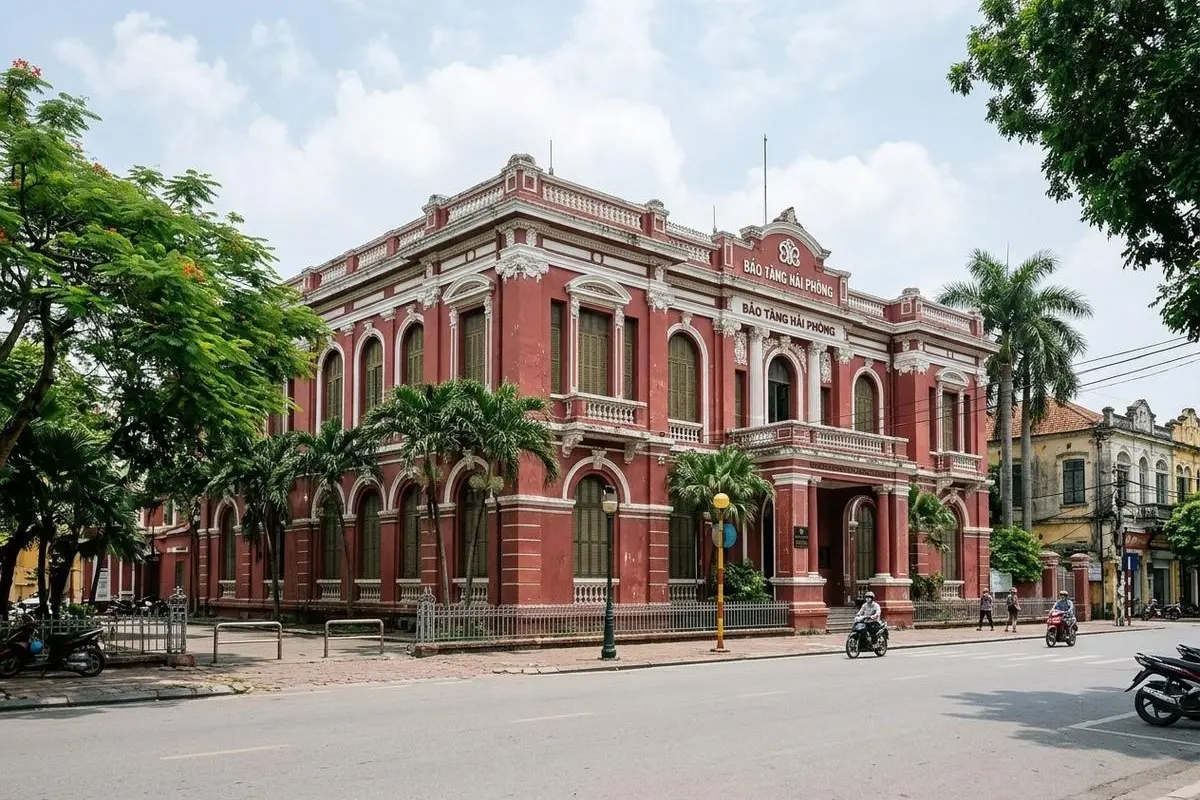
To understand this history in more depth, a visit to the Haiphong Museum nearby is a perfect companion to the post office. Our guide to cultural things to do in Haiphong suggests how to combine them.
Recommended tour
The Haiphong Street Food and City Tour
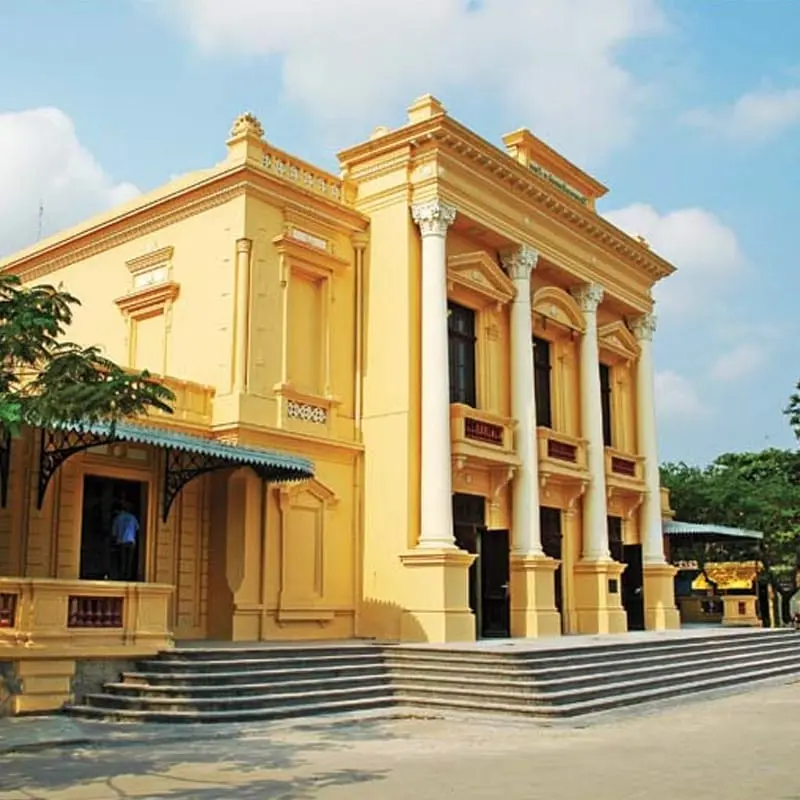
Hear the stories behind the post office, the Opera House and other colonial landmarks, with local food stops along the way.
From $85 per person
A Working Building Today
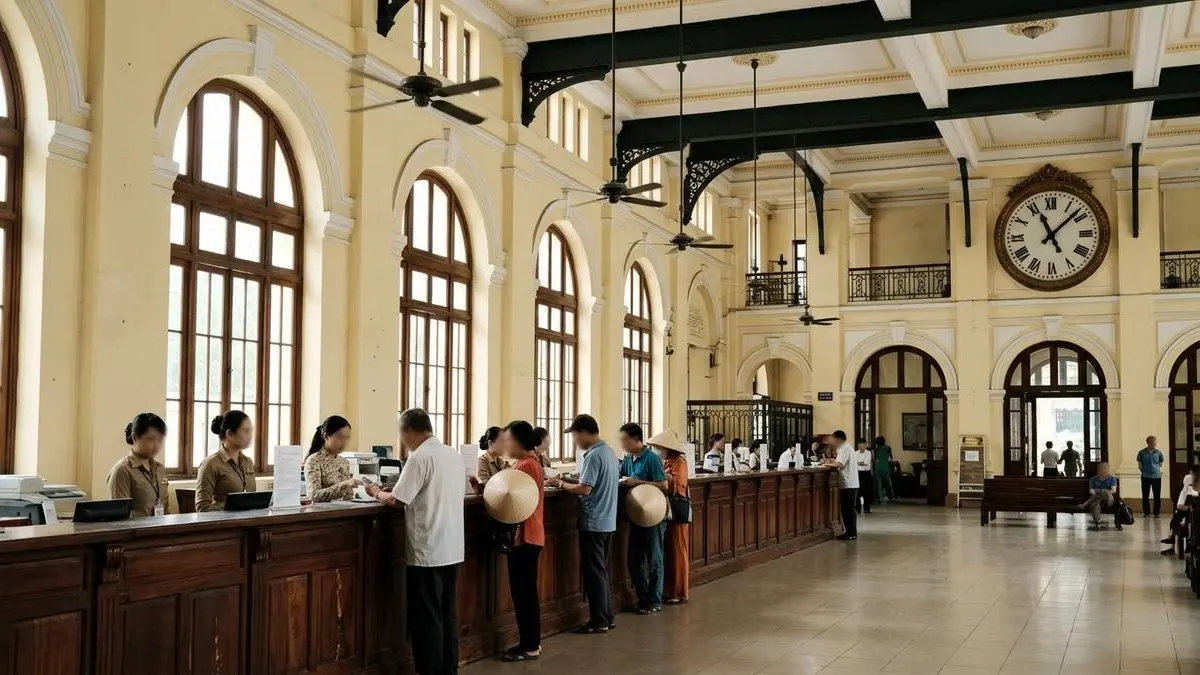
What makes the Haiphong Post Office special is that it never became a museum. It is still a working post office, used daily by residents. Inside, you might see people sending parcels to relatives, collecting documents, paying bills or buying stamps.
- Living heritage. The building’s original purpose continues, linking past and present.
- Maintained and repainted. Its warm colours and tidy facade show ongoing care.
- Modern services. Behind the historic walls, counters handle modern postal and financial services.
- A city landmark. Locals use it as a meeting point and reference for directions.
For visitors, this gives the post office an authenticity that purely decorative buildings lack. You are not just looking at history. You can step inside and take part in it by sending a postcard home.
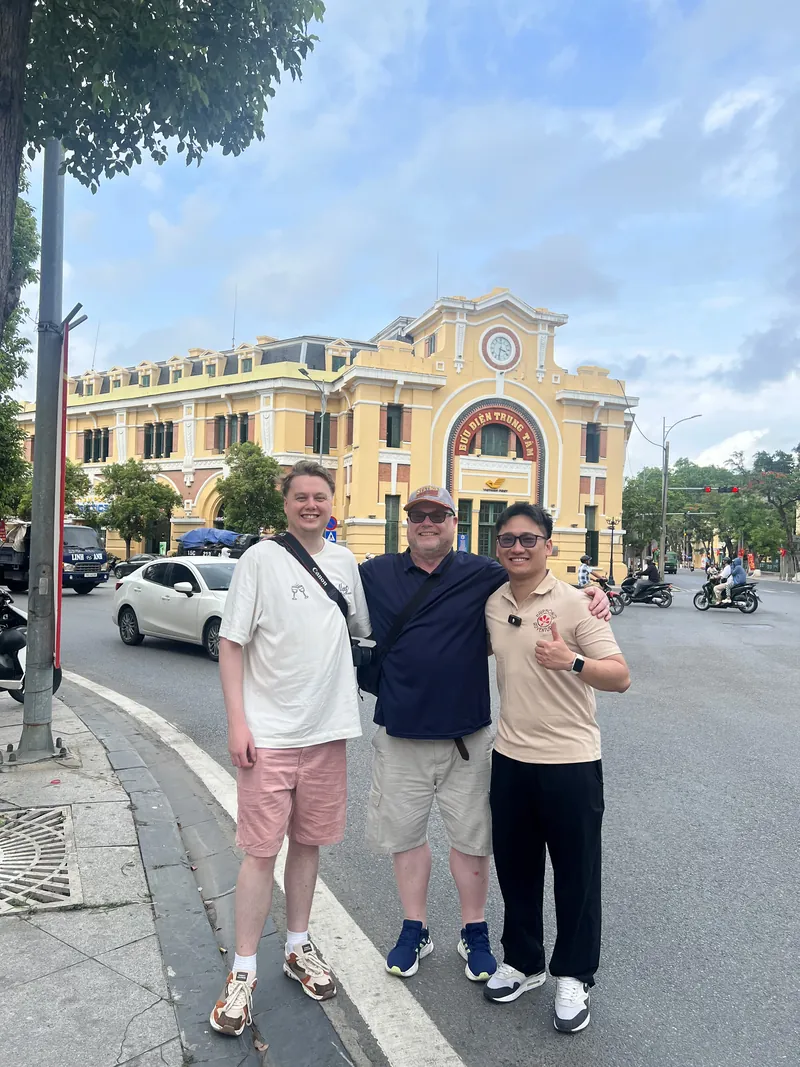
>>> Private Haiphong Tour: Why A Local Guide Changes Everything
The Post Office Among Haiphong’s Colonial Buildings
The post office is part of a wider collection of colonial architecture in Hong Bang District. Seeing them together helps you understand how the French planned the city centre.
- Haiphong Opera House. The grandest cultural building of the era, facing a large square.
- Haiphong Museum. A striking ochre building now home to the city’s history collection.
- Administrative buildings. Several former colonial offices still serve government functions.
- Shophouses and villas. Smaller buildings along tree-lined streets show daily life in the colonial city.
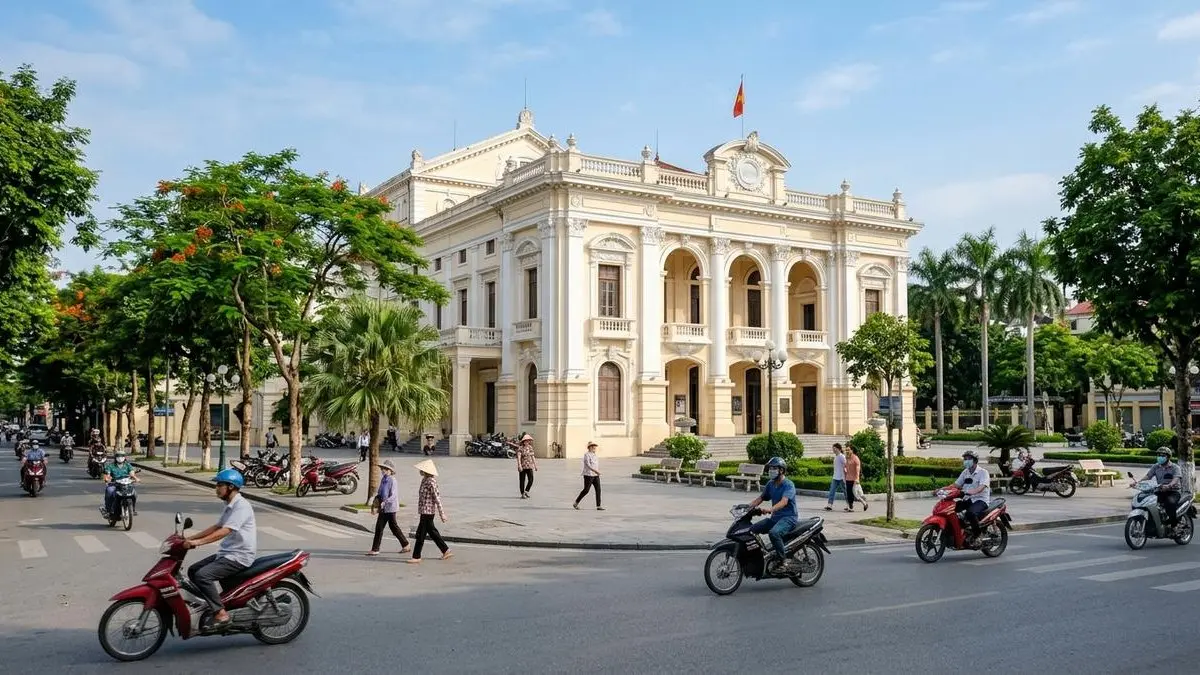
Walking between these buildings is one of the best ways to feel the layout of the old port city. Our 24-hour DIY Haiphong tour includes a route through the colonial core.
How To Appreciate The History On A Visit
A few simple ideas will help you see the building with fresh eyes.
- Stand back first. Look at the whole facade from across the street and notice its symmetry.
- Imagine the past. Picture rickshaws, horse carts and early cars arriving with letters and telegrams.
- Step inside. Notice the high ceiling and tall windows designed for a hot climate.
- Send a postcard. Take part in more than a century of postal tradition.
- Compare buildings. Visit the Opera House and museum to see shared architectural features.
- Ask a local. Many older residents have personal memories connected to the post office.
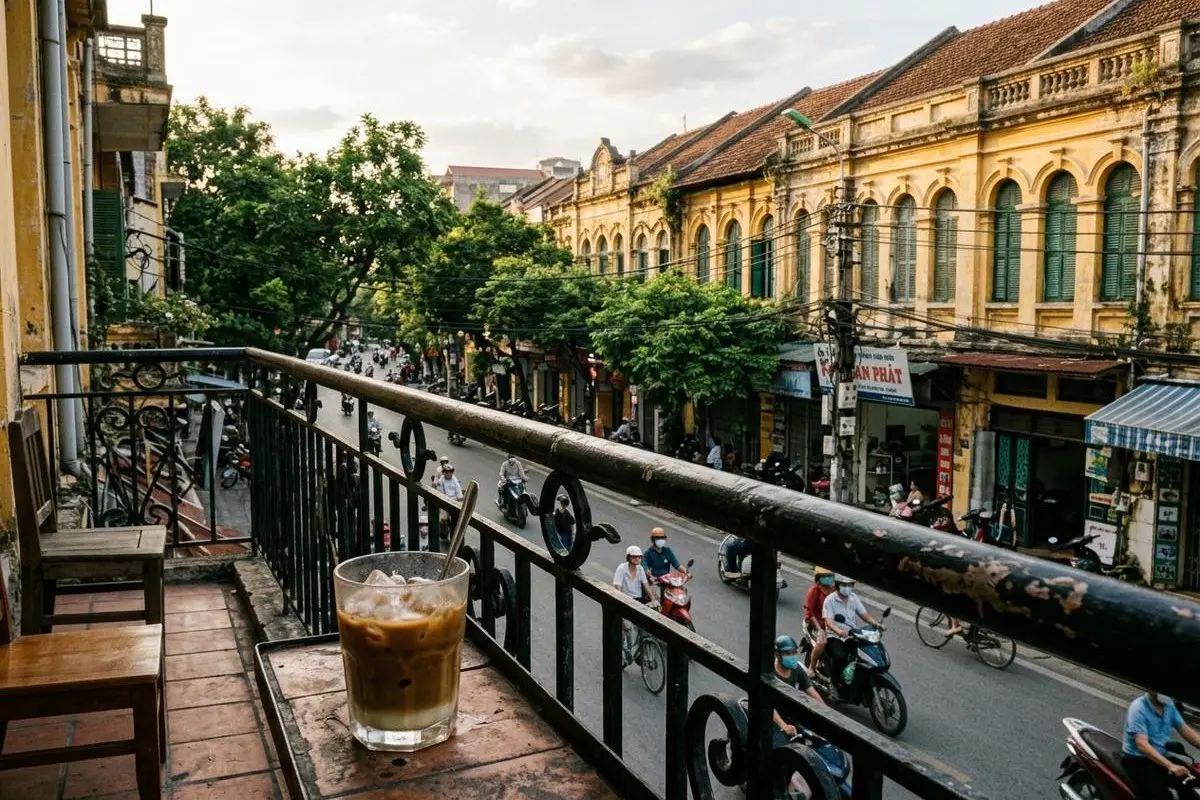
Many visitors explore the area on one of our haiphong tours, where a guide brings these stories to life and connects the post office to the city’s port, wars and rebirth. It is a meaningful stop on any haiphong adventure, especially for travellers who love history.
Practical Information For Visitors
- Location. Hong Bang District, in the old centre near the Opera House and Haiphong Museum.
- Opening hours. As a working post office, it follows business hours that may change; check locally.
- Entry. There is no ticket. You are welcome to enter as a customer, so behave as you would in any public office.
- Photography. Exterior photos are easy. Ask before photographing inside or photographing staff.
- Best time. Morning, for soft light and a calm atmosphere.
If you want more inspiration for a day in the city, see our list of the best things to do in Haiphong.
Frequently Asked Questions About The History Of The Haiphong Post Office
When was the Haiphong Post Office built?
It was built in the early twentieth century during the French colonial period. Sources differ on the exact year, so it is best described as more than a century old.
Is the Haiphong Post Office still in use?
Yes. It still operates as a post office, serving residents and visitors with postal and related services.
What architectural style is the post office?
It is a French colonial building with European classical features such as symmetry, tall windows and decorative mouldings, adapted to the tropical climate.
Why was the post office important to Haiphong?
As a major port, Haiphong depended on fast communication for trade, shipping and administration. The post and telegraph office was central to that network.
Can tourists visit the post office?
Yes. Visitors can admire the exterior, step inside as customers and send postcards. Please be respectful of staff and customers.
Discover The Stories Behind Haiphong’s Landmarks
The history of the Haiphong Post Office mirrors the history of the city itself: a colonial port built for trade, a community tested by war and a modern city that still values its heritage. Standing in front of its yellow facade, you are looking at more than a century of messages, connections and change.
If you would like a local guide to share the stories of Haiphong’s colonial landmarks with you, send the Haiphong Adventure team a message. We will help you plan a heritage walk or ride that suits your interests.
WhatsApp, Viber, WeChat: +84(0)934.555.001
KakaoTalk, Line ID: haiphongadventure