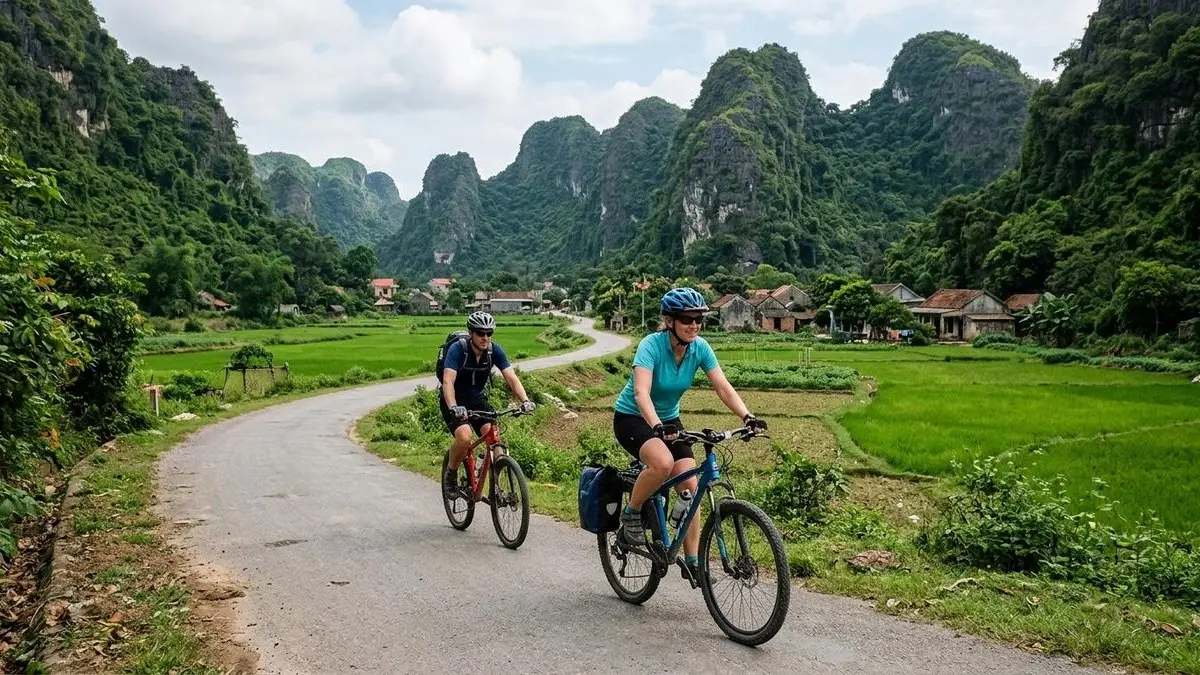
Driving Haiphong To Halong Bay Bridge Experience
Driving from Haiphong to Halong Bay is one of the easier road trips in northern Vietnam, and a big reason is the modern road link with its long bridge crossing. This guide describes what the drive feels like from behind the wheel or the handlebars, how to handle the expressway and the bridge, and what to prepare before you set off. If you are comparing ways to reach the bay, this is the view from the driver’s seat.
We are Haiphong Adventure, a local team that rides and drives these roads regularly. Road works, tolls, speed limits and rules change, so treat everything here as a guide (reference only, updated October 2026) and check current conditions before you go.
What the Haiphong to Halong Bay Route Looks Like
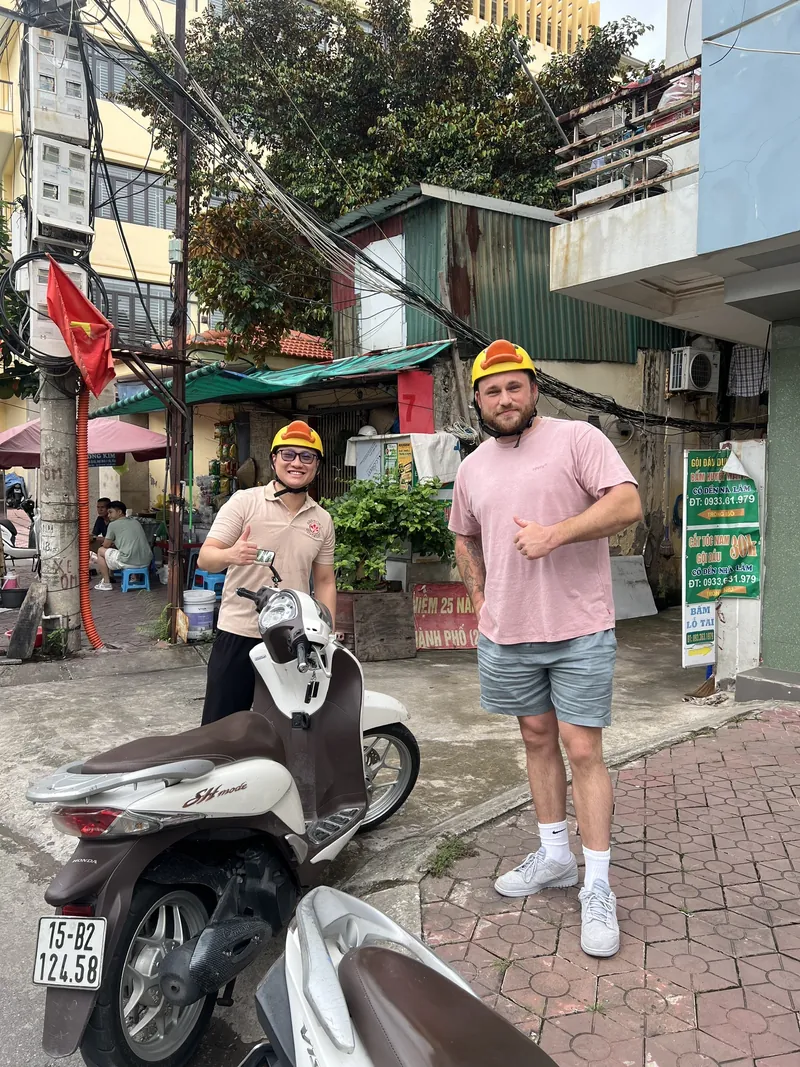
The route links Haiphong with the coastal province of Quang Ninh, where Halong Bay sits. On the way you cross wide rivers and estuaries by bridge, and the scenery changes from city streets to flat delta land, to industrial zones and finally the limestone hills near the bay.
You do not need to memorize road numbers. A navigation app and a charged phone are enough, but download an offline map in case your signal drops near the river crossings.
Leaving Haiphong
Getting out of the city is often the slowest part of the trip. Morning school runs, delivery trucks and motorbikes at every junction mean the first stretch can take longer than the open road that follows.
Starting from the city center gives you a calm reference point and plenty of places to grab breakfast first. Once you clear the urban streets, the road opens up and the pace changes. This is where many first-time visitors relax and start to enjoy the drive.
Rough timing
Many drivers take around one to one and a half hours, depending on where they start and how heavy the traffic is (indicative only). Leave extra time for fuel, a coffee stop and the occasional queue near junctions and toll points.
Crossing the Bach Dang Bridge
The big bridge is the highlight of the drive. Wide, high and lined with a view over the water, it is often the moment travelers reach for their phones. If you are a passenger, enjoy it. If you are driving, keep your eyes on the road.
On the expressway route, this crossing is the Bach Dang Bridge, a cable-stayed bridge over the Bach Dang River estuary that links Haiphong with Quang Ninh. The river is famous in Vietnamese history for battles fought against northern invaders, so it is worth a short story from your guide or driver as you cross.
Wind and weather
Large bridges can feel exposed. Crosswinds are most noticeable in tall vans and buses on the expressway. Riders feel them too on the river bridges of the older roads. Hold the wheel or handlebars firmly and reduce your speed if gusts pick up. In rain or fog, visibility drops, and the lanes can feel narrower than you expect.
Lane discipline
Stay in your lane and keep a steady speed. Do not stop on the bridge to take photos. If you want a picture of it, ask your driver or guide to find a safe viewpoint nearby, or photograph it from the shore.
Expressway Basics
Part of the journey uses a fast, modern road with separated lanes, so it feels very different from city riding. Motorbikes are not allowed on expressways, so this section is mainly for cars, vans and buses. Cars have fewer restrictions, but you still need to keep to posted speed limits.
- Keep to the right-hand lane unless overtaking.
- Leave a generous gap behind the vehicle in front, especially behind trucks.
- Check mirrors often, since vehicles can approach quickly.
- Avoid sudden stops or lane changes without signaling.
Riding a motorbike instead
Vietnamese traffic rules do not allow motorbikes on expressways, so riders use the older national and provincial roads. These roads are slower and busier, with more towns, markets and crossings, but they also show you more of everyday life in the delta. Expect the motorbike journey to take noticeably longer than the car journey.
If you plan to ride a motorbike, our guide to riding from Hanoi to Haiphong by motorbike includes advice about choosing roads that suit two wheels.
Tolls, Fuel and Parking
Expect to pay tolls on some parts of the route. Keep small notes ready or ask whether electronic payment is accepted for your vehicle. Fees change, so check locally rather than trusting an old price.
Fuel
Fill your tank before you head out of Haiphong. Stations are common along the route, but choosing a reputable one is better than stopping at the last minute.
Parking at the bay
Parking near the harbor can be busy. Ask your boat operator or hotel about the best place to leave a vehicle, and confirm whether there is a fee. Never leave valuables visible in a parked car or on a bike.
Recommended tour

Prefer to leave the driving to someone else? Join a Halong Bay day tour with local support.
From $109 per person (reference only, updated October 2026)
Local Driving Habits to Expect
Traffic in Vietnam has its own rhythm. Horns are mostly a polite “here I am” rather than a sign of anger. Motorbikes weave around larger vehicles, and trucks dominate the main roads around ports and industrial areas.
Trucks and container traffic
Near the port zones you will share the road with large container trucks. Give them space, do not sit in their blind spots and be patient when they slow down on slopes.
Sudden changes
Expect vehicles to pull out from side roads and pedestrians or bikes to appear unexpectedly near towns. Slow down when you pass through towns, markets and school zones, and use your horn lightly to signal that you are there.
>>> Travel From Hanoi To Haiphong Local Traffic Tips
Documents and Safety Checklist
Before you drive, make sure you have the correct documents and basic safety gear. Rules for foreign visitors can change, so confirm the latest requirements with an official source or a trusted local operator.
- A valid driving license that is accepted in Vietnam, plus any permit your country requires.
- Vehicle registration papers and insurance, especially for rentals.
- A properly fitted helmet for motorbike riders and passengers.
- A first-aid kit, water and a charged phone.
- Emergency contacts saved in your phone, including your accommodation.
If you are renting a vehicle, protect yourself by reading about scams to avoid with motorbike rental in Haiphong before you hand over documents.
Best Time of Day to Drive
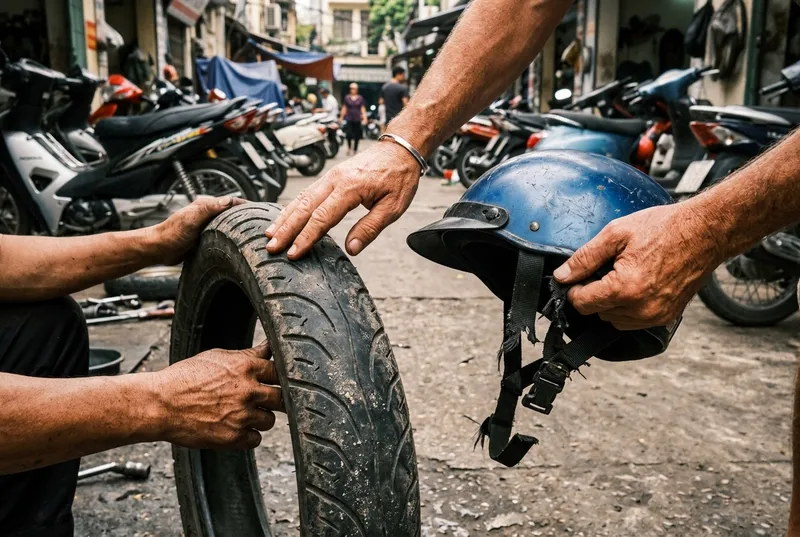
Early morning is usually the most relaxed time. Traffic is lighter, the light is soft and the bridge looks its best. Late afternoon can bring heavier traffic as people head home, so plan your return with some margin.
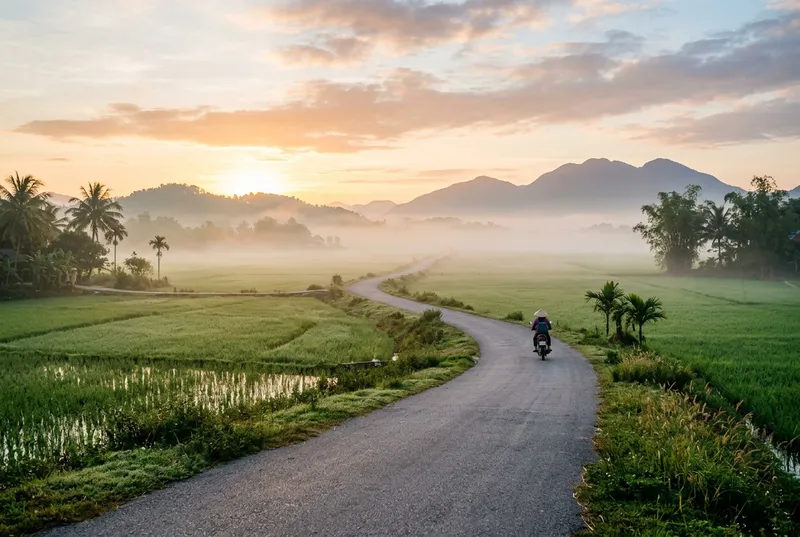
Weather matters too. Heavy rain or strong wind makes the drive less pleasant, and typhoon season brings the possibility of sudden changes. Check the forecast and have a flexible plan.
>>> Exploring Rural Villages Via Haiphong Motorbike Tour
Arriving at the Bay
When you reach Halong, take a moment to settle before boarding a boat. Park, use the toilet, drink some water and check your booking details. If you are planning a cruise, our guide to the Lan Ha Bay tour experience offers a quieter alternative to compare.
Halong Bay is a UNESCO World Heritage site, so travel responsibly. Take your rubbish with you, avoid single-use plastic where you can and follow the instructions of your boat crew.
Driving Yourself or Hiring a Driver
There is no single right way to make this trip. The best choice depends on your license, your confidence in Vietnamese traffic and how much you want to look at the scenery instead of the road.
| Option | Best for | Things to consider |
|---|---|---|
| Self-drive car | Confident drivers with the right documents | License rules for foreigners, tolls, parking at the bay, heavy trucks |
| Self-ride motorbike | Experienced riders who want a slower, local route | No expressway access, longer journey, sun and rain exposure |
| Private car with a local driver | Families, couples and anyone who wants to relax | Agree pickup time, stops and return time in advance |
| Guided day tour | First-time visitors who want everything arranged | Less flexible schedule, booking needed in advance |
For most first-time visitors, we suggest letting a local driver handle the road. You still see the bridge and the changing scenery, but you arrive at the bay rested and ready to enjoy the water.
A Simple Day Plan for the Drive
If you want to drive out and back in one day, a simple plan keeps things relaxed. Treat the outline below as a rough shape rather than a fixed schedule.
Morning
Have breakfast in Haiphong, perhaps a bowl of noodle soup or a strong iced coffee on the sidewalk, then leave early to beat the heavier traffic. Fill the tank on the way out and set your navigation before you start moving.

>>> My Haiphong Street Food Adventure Local Taste
Midday
Arrive at the bay, park and join your boat trip or walk along the waterfront. Eat lunch near the harbor or on board, and drink plenty of water, especially in the hot months.
Afternoon
Start back before the late afternoon rush if you can. Driving in daylight is easier, especially on the bridge and around the port zones where trucks are busy. A relaxed return is a safer return, so do not rush to make up time.
What to Pack for the Road
A road trip to the bay is short, but a small, well-packed bag makes the day easier. Keep it light, especially if you are riding. Put anything that must stay dry in a plastic bag.
- Passport or a copy, license and vehicle papers kept together in one pouch.
- Water, a few snacks and a light rain jacket or poncho.
- Sunscreen, sunglasses and a hat for the boat.
- A power bank and charging cable for navigation.
- Some cash in small notes for parking, drinks and roadside stops.
Riders should add gloves, a long-sleeved top and closed shoes. Long sleeves protect you from both sun and minor scrapes. Closed shoes give better grip when you put your feet down at junctions.

Combining the Trip With Haiphong Tours
Many travelers spend a night in Haiphong before or after the bay. This turns a long transfer into a relaxed weekend. It also gives you a taste of a port city that most visitors skip.
Before You Leave for the Bay
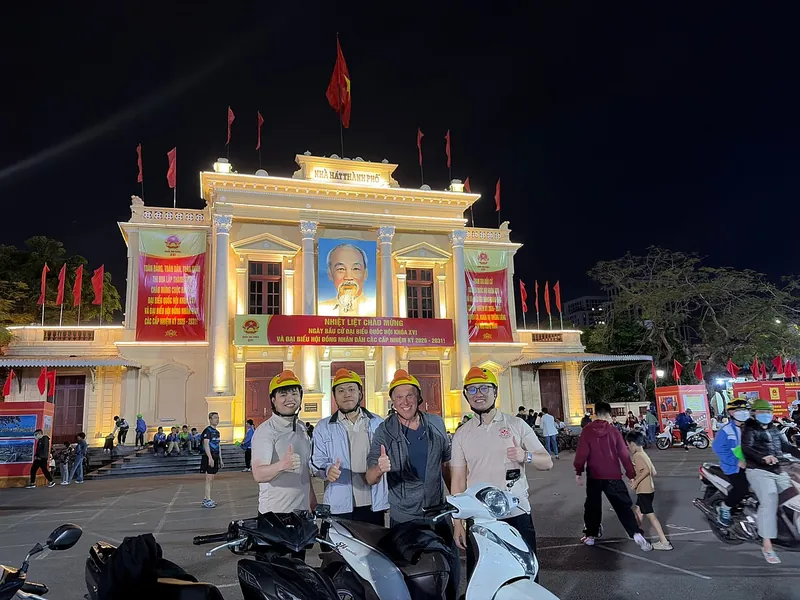
If you arrive the evening before, a short city ride is a gentle way to get used to local traffic as a passenger. You pass the Opera House, the Le Chan statue square and the riverside. You also see how motorbikes move around cars and trucks without having to ride yourself.
After You Return
Back in Haiphong after a day on the water, dinner is the obvious reward. Banh da cua, the city’s crab noodle soup, and spicy mini baguettes are easy to find. A local guide can take you to stalls that are hard to spot on your own.
Haiphong Adventure runs motorbike, food and city tours from the city center with local guides. Tell us your bay dates and we will suggest a tour time that fits around your drive, so you are not rushing between the two.
Tips From Our Local Riders
After many trips along this road, these are the small habits our team relies on.
- Save your hotel and boat operator contacts before leaving, in case you lose signal.
- Carry a light rain jacket all year, since showers can appear quickly near the coast.
- Wear sunglasses and sunscreen, as the glare off the water on the bridge can be strong.
- Take a short break every hour or so if you are riding, to rest your hands and back.
- Keep some cash for small stops, as not every roadside stall accepts cards.
- Do not drink and drive. Alcohol rules for drivers in Vietnam are strict.
Frequently Asked Questions
Can tourists drive from Haiphong to Halong Bay?
Many visitors do, but you must hold the correct license and follow local rules. Confirm current requirements before renting or driving.
Can I ride a motorbike on the expressway?
Motorbikes are not allowed on expressways in Vietnam, so riders take the older national and provincial roads. Check local signs and ask a local operator for the best route for two wheels.
Are there tolls?
Some sections charge tolls. Fees change, so carry small notes and confirm locally.
Is it safe to drive across the bridge?
It is a modern road, but wind, rain and heavy trucks can affect conditions. Stay in your lane, avoid stopping and slow down when it is windy.
Is it easier to hire a driver?
For many travelers, yes. A local driver handles tolls, parking and navigation, so you can relax and enjoy the view.
Plan Your Drive With Haiphong Adventure
If you want local advice on routes or would rather have a driver take the wheel, contact the Haiphong Adventure team. You can also see our Haiphong tours for guided options.
Contact us:
WhatsApp, Viber, WeChat: +84(0)934.555.001
KakaoTalk, Line ID: haiphongadventure
Website: haiphongadventure.com