What To Buy At Cho Sat Market Souvenir Guide
Most travelers expect a souvenir market to be full of silk scarves and painted lacquer boxes. Cho Sat market in Haiphong is different. It is a practical trading hub where locals buy electrical goods, tools, fabric and household items. That is exactly why it is fun to shop there: you take home useful things that real Vietnamese families use every day, at local prices, with a story attached.
This guide from the Haiphong Adventure team explains what is worth buying at Cho Sat, which items make clever souvenirs, what to skip, how bargaining works and how to pack your finds. We also suggest where to go nearby if you still want classic gifts. Stock and stalls change often, so treat this as a guide to categories rather than a fixed shopping list.
Planning your spending for the trip? Our Haiphong budget guide helps you set a sensible daily budget.
Understand Cho Sat Market Before You Shop
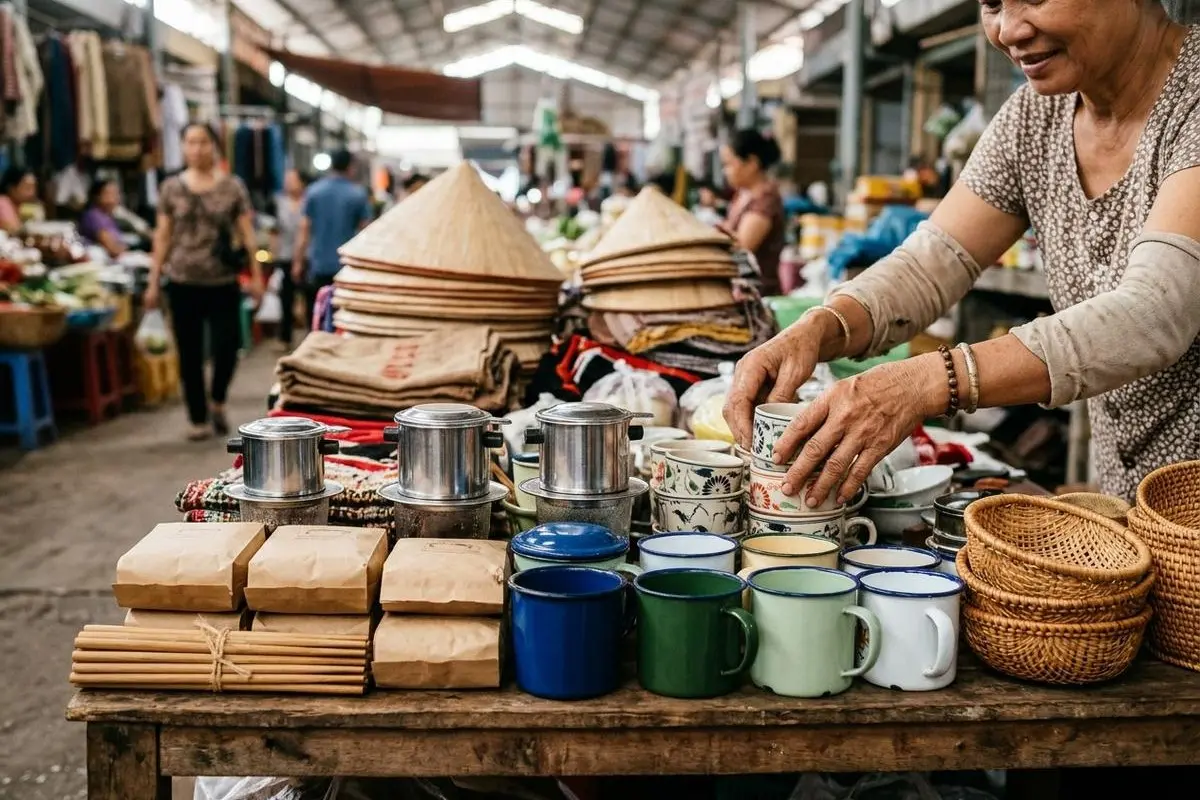
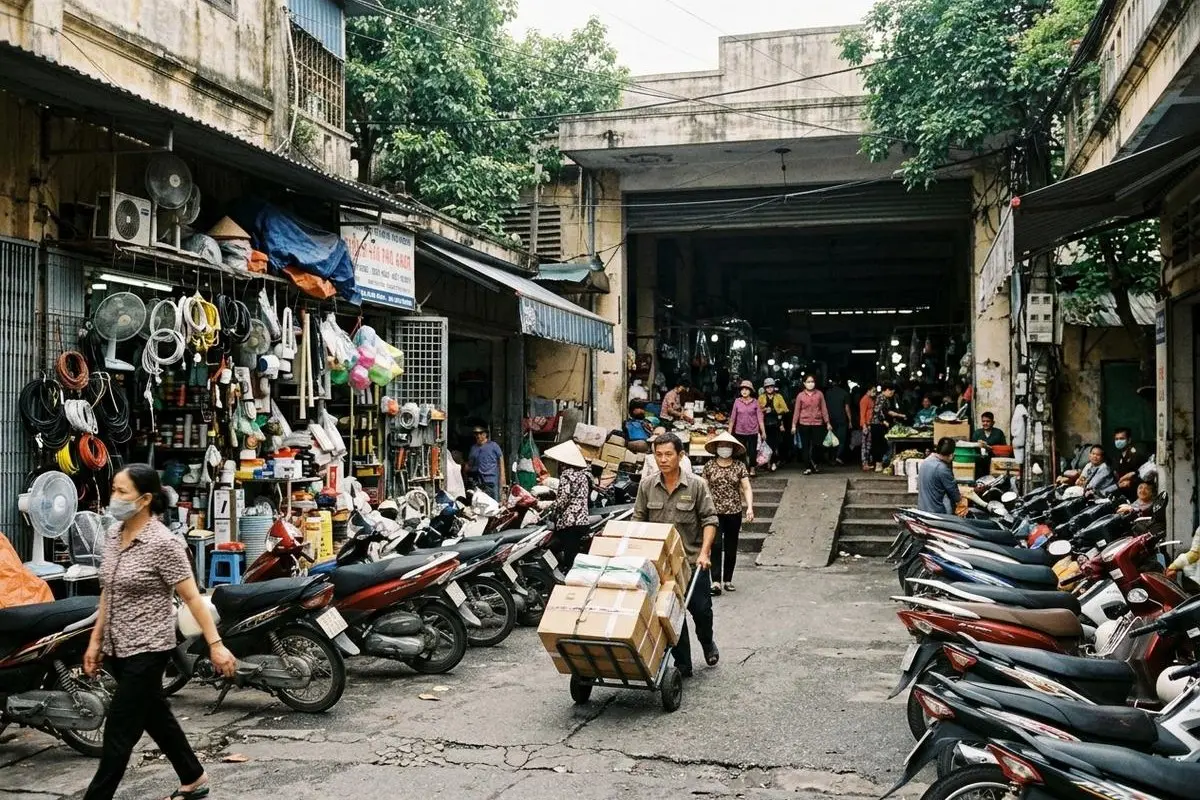
Cho Sat, the Iron Market, sits in the old center of Haiphong near the Tam Bac River. It is known among locals for electrical goods, phone accessories, tools and hardware, with fabric and household goods in some sections and shops in the surrounding streets. It serves residents and small businesses first, not tourists.
Set the right expectations
- Few stalls have English signs or price tags.
- Many sellers speak little English, so a translation app helps.
- Cash is king, and small notes make bargaining easier.
- Quality varies, so check items carefully before you pay.
Why shop here at all?
Because it is real. You see how locals compare, test and bargain. You also find items that are hard to buy at home or cost much more there, from a proper Vietnamese coffee filter to a simple bolt of cotton for a tailor.
Vietnamese Coffee Gear
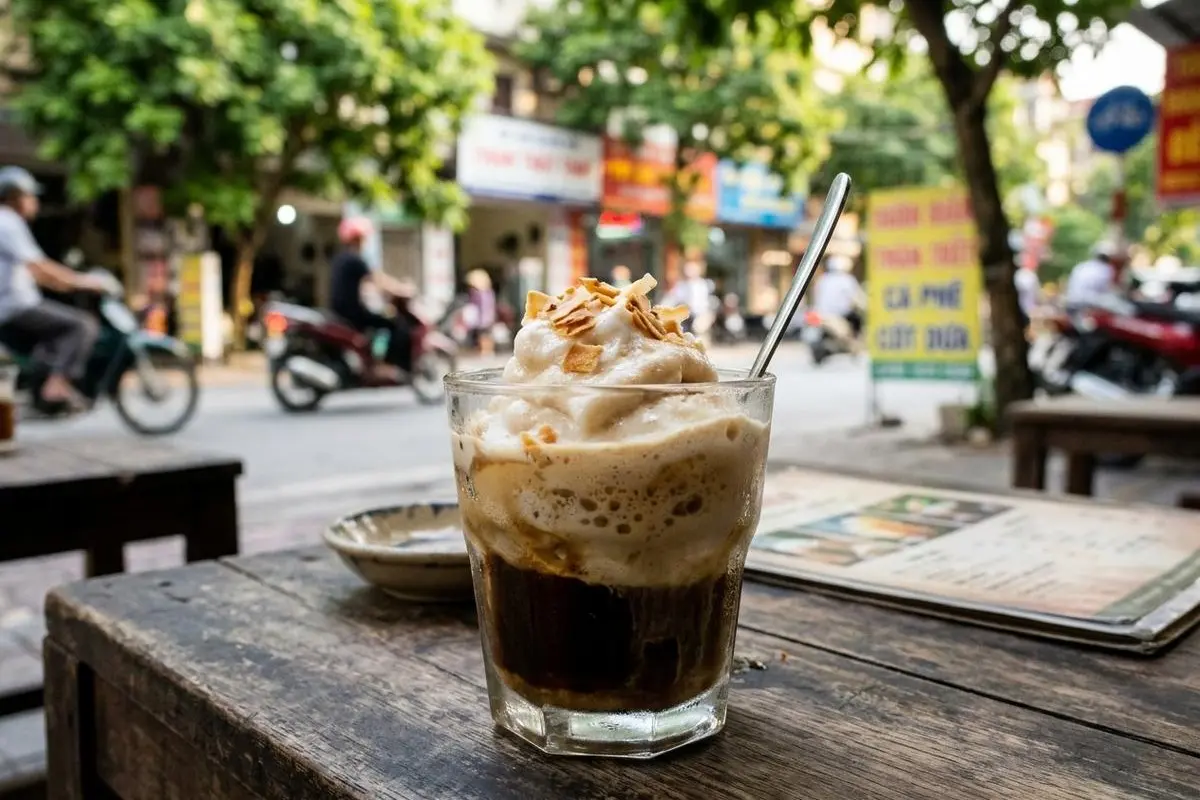
If you fall in love with Vietnamese coffee during your trip, take the ritual home. The phin is a small metal drip filter that sits on top of a glass or cup. It is cheap, light and almost unbreakable, which makes it one of the best souvenirs from any Vietnamese market.
What to look for
- Phin filters: stainless steel lasts longer than thin aluminium. Check that the press plate sits flat.
- Ground coffee: buy sealed packets from a proper shop or grocery store rather than loose coffee, and check the date.
- Glasses and cups: small heat-resistant glasses are classic for iced coffee.
Pair your purchase with a coffee stop nearby. Haiphong’s sidewalk cafes are a great place to learn how locals brew and drink it.
Kitchenware And Table Items
Market kitchenware is practical and inexpensive. Many visitors enjoy bringing home a few everyday items that remind them of meals shared on plastic stools.
Good choices
- Chopsticks: bamboo or wooden sets are light and easy to pack.
- Small dipping bowls: for fish sauce and chili, a fun reminder of street food.
- Enamel or ceramic cups: simple designs that look great at home.
- Noodle soup spoons: the wide spoons used for pho and banh da cua.
What to avoid
Skip heavy cast iron, large pots and anything fragile unless you have space and padding. Sharp knives and some tools may cause problems in cabin baggage, so check airline rules before you buy.
>>> Haiphong Food Tour Route Exploring Local Markets
Travel Gadgets And Phone Accessories
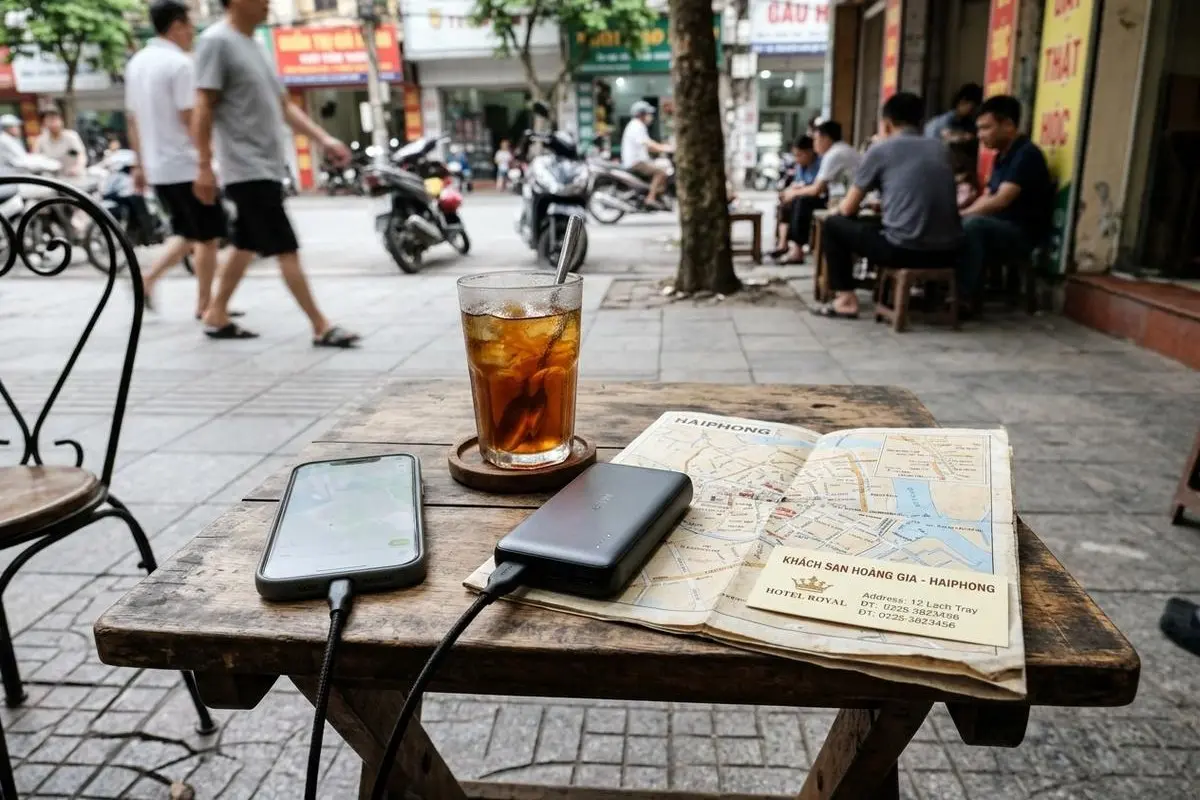
This is where Cho Sat really shines. Electrical and phone stalls sell chargers, cables, power banks, earphones and adapters. If you lost a charger or need a spare cable mid-trip, this is a good place to find one.
Tips for buying electronics
- Ask the seller to test the item in front of you.
- Check the plug type and voltage for your home country.
- Be cautious with very cheap power banks, as quality varies.
- Keep the receipt or the shop name card in case of problems.
- Remember that airlines limit power banks in luggage.
Repairs on the spot
Some stalls also offer quick phone repairs, such as screen protectors or battery checks. Agree on the price first and keep an eye on your device while it is being handled.
Fabric For Tailoring
Some sections of the market and nearby shops sell fabric by the meter. If you plan to have something made by a tailor in Haiphong or later in your trip, buying fabric locally can give you more choice.
How to buy fabric
- Ask your tailor how many meters you need before you shop.
- Feel the fabric and ask whether it is cotton, linen or a blend.
- Check for color consistency along the roll.
- Buy a little extra for adjustments.
Tailoring takes time, so plan at least a few days if you want fittings. A local guide can recommend a tailor and explain your request clearly.
Recommended tour

Explore the real port city from the back of a motorbike with a local driver, including markets, hidden alleys and coffee stops, with a guide who can help you shop and bargain.
From $79 per person
Small Household Items With Local Character
Some of the most memorable souvenirs are everyday objects you rarely see at home. Look around and you may find:
- Woven baskets and trays: light, pretty and useful for storage.
- Plastic stools: the icon of Vietnamese street life. Small ones are surprisingly popular with travelers who have luggage space.
- Conical hats: sometimes sold in nearby markets and shops. They are light but bulky, so plan how to carry them.
- Incense and altar items: interesting to look at, but buy respectfully and ask what they are used for.
>>> My Haiphong Tours Itinerary For Weekend Getaway
What Not To Buy
- Branded goods at suspiciously low prices: they may not be genuine.
- Large appliances: different voltage, heavy and hard to ship.
- Animal products or anything made from protected wildlife: illegal to export and import in many countries.
- Antiques without paperwork: exporting some items may require permits.
- Food without sealed packaging: customs rules at home may not allow it.
How To Bargain At Cho Sat Market
Bargaining is normal, but it should feel friendly, not like a battle. Locals often ask for a small discount, especially when buying several items.
Simple steps
- Ask the price: Bao nhieu tien?
- Compare two or three stalls before you decide.
- Offer a fair counter price and smile.
- Buying more than one item gives you room to ask for a better deal.
- If you agree on a price, pay it. Walking away after agreeing is considered rude.
Stay alert to tricks
Count your change, confirm the currency and check that the item you pay for is the one that goes into your bag. Our article on scams to avoid in Haiphong shares general habits that help in markets too.
>>> Free Things To Do In Haiphong For Budget Travel
Where To Find Classic Souvenirs Nearby
If you also want traditional gifts, combine Cho Sat with other stops. Supermarkets and specialty shops in the city sell packaged coffee, tea, dried fruit and sauces, which travel well. Some hotel and gift shops sell handicrafts, embroidered items and postcards. A guided tour can include these stops so you do not waste time searching.

Souvenir ideas that travel well
- Sealed packets of Vietnamese coffee and tea.
- A phin filter and a pair of small glasses.
- Lightweight woven baskets.
- Chopsticks and dipping bowls wrapped in clothes.
- Postcards and small prints of the Opera House and old streets.
For more ideas on how to spend your days, see our list of the best things to do in Haiphong.
Packing And Customs Tips
- Wrap fragile items in clothes and place them in the middle of your suitcase.
- Keep electronics and power banks in hand luggage if airline rules require it.
- Check your home country’s rules on food, plant material and wood products.
- Keep receipts or notes of what you bought and the price, in case customs ask.
>>> Tips For Joining Haiphong Tours Solo Or Group
Frequently Asked Questions
Is Cho Sat market good for souvenirs?
It is better for practical souvenirs than for classic handicrafts. Think coffee filters, kitchenware, baskets and travel gadgets rather than silk and lacquer.
Do sellers at Cho Sat speak English?
Some do a little, but many do not. A translation app, a calculator for prices or a local guide makes shopping much easier.
Can I pay by card?
Most stalls prefer cash in Vietnamese dong. Bring small notes and keep larger notes separate.
Should I bargain at Cho Sat market?
Yes, polite bargaining is normal, especially for several items. Keep it friendly and pay the price you agree on.
What time is best for shopping?
Weekday mornings and early afternoons are good. Some stalls close earlier in the evening and during public holidays.
Shop Like A Local With Haiphong Adventure
Shopping at Cho Sat market is about more than what you bring home. It is a window into how the port city lives and works. If you would like a local guide to translate, bargain fairly and show you the best stalls, contact the Haiphong Adventure team:
- WhatsApp, Viber, WeChat: +84(0)934.555.001
- KakaoTalk, Line ID: haiphongadventure
Happy shopping in Haiphong.