Legend Of Victory On Bach Dang River Stories
The Bach Dang River is the setting for some of the most loved stories in Vietnam. On this tidal river on the northern edge of Haiphong, Vietnamese leaders defeated invading fleets three times, in 938, 981 and 1288, by hiding sharp wooden stakes under the water and waiting for the tide to turn. Every Vietnamese child grows up with these tales of courage, clever planning and teamwork.
In this guide, the Haiphong Adventure team retells the legend of victory on the Bach Dang River the way our local guides share it with guests: the heroes, the famous lines, the folk stories and the poems, plus where you can still feel these stories today. Some details come from old chronicles and are told in slightly different ways, so we keep to the versions most Vietnamese people know (updated October 2026).

Why The Bach Dang River Stories Still Matter
Most countries have a battlefield that turned into a symbol. For Vietnam, that place is a muddy, tidal river between Haiphong and Quang Ninh. The Bach Dang River stories are not only about winning wars. They are about a smaller nation using its knowledge of the land and water to stand up to much bigger powers.
When Vietnamese people tell these stories, they usually highlight four ideas:
- Knowing your home. The heroes won because they understood the river, its channels and its tides better than anyone.
- Patience. The trap only worked if everyone waited for exactly the right moment.
- Unity. Soldiers, villagers, fishermen and leaders all had a part to play.
- Continuity. Three generations of heroes, centuries apart, used the same river and the same idea.
If you are curious about how these values show up in daily life, our guide to cultural things to do in Haiphong is a good place to continue.
The First Legend Ngo Quyen And The Hidden Stakes Of 938
A country waiting for its chance
For about a thousand years, northern Vietnam had been ruled by Chinese dynasties. In the early tenth century, local leaders began to take control again. When the governor Duong Dinh Nghe was killed by one of his own officers, Kieu Cong Tien, the traitor asked the Southern Han kingdom for help. The Southern Han saw an opportunity and sent a fleet led by a prince named Liu Hongcao, known in Vietnamese as Hoang Thao.
Ngo Quyen’s clever plan
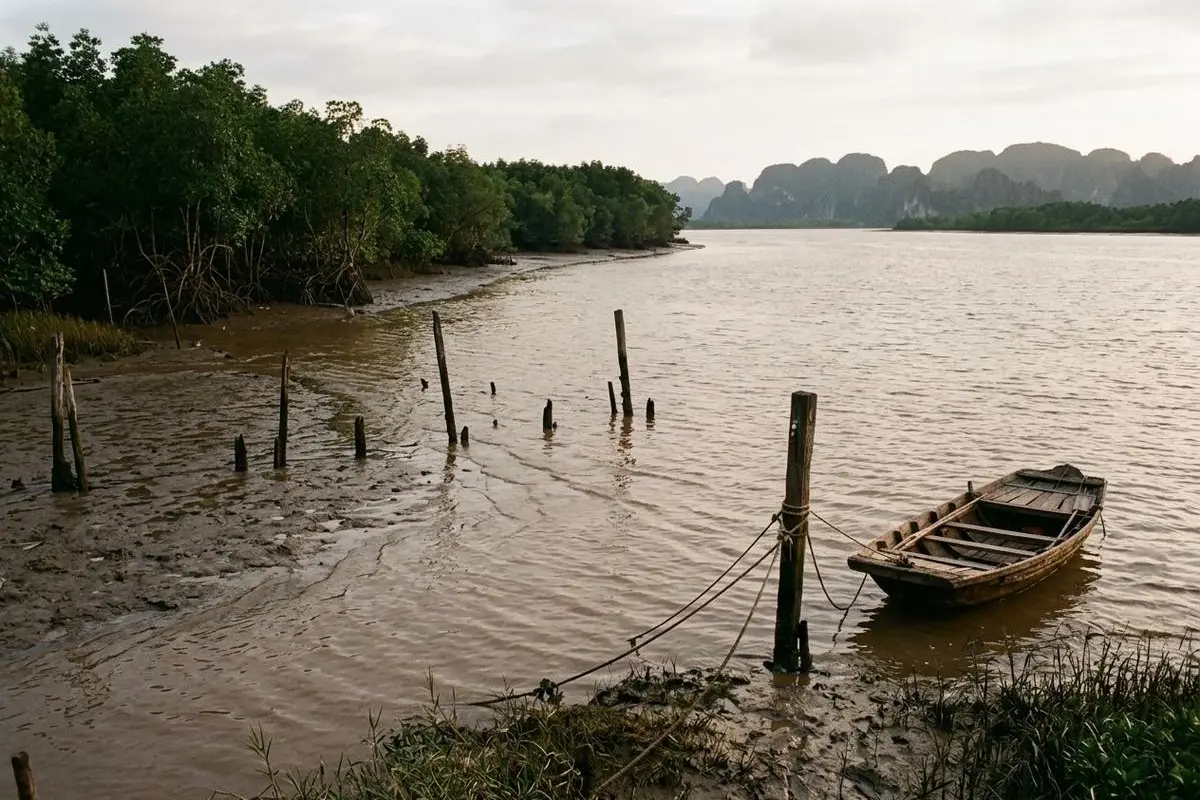
Ngo Quyen, a talented general and the son-in-law of Duong Dinh Nghe, moved quickly. He defeated Kieu Cong Tien, then turned his attention to the coming fleet. The story says he studied the Bach Dang estuary carefully and noticed how high the water rose and how fast it fell each day.
His men cut hardwood trunks, sharpened them and, according to the chronicles, fitted some with iron tips. They drove the stakes deep into the riverbed near the mouth of the river. At high tide, the brown water covered everything. Nothing looked unusual.
The ambush
When the enemy ships arrived at high tide, light Vietnamese boats rowed out to fight, then pretended to flee upstream. The Southern Han fleet chased them deep into the river. Then the tide turned. As the water dropped, the heavy ships ran onto the hidden stakes, which pierced their hulls and held them in place. Vietnamese soldiers attacked from the banks and from small boats. The chronicles say Hoang Thao died in the battle and the Southern Han ruler gave up his plans.
In 939, Ngo Quyen declared himself king. For Vietnamese people, this is the moment the long period of northern rule ended, and the start of a new independent era.
>>> Unusual Things To Do In Haiphong Off Beaten Path
The Second Legend Le Hoan Defends The Young Kingdom In 981
Only a few decades later, the young Vietnamese state faced a new crisis. The Dinh dynasty had lost its king and his eldest son, and the heir on the throne was still a small child. At the same time, the Song dynasty in China prepared to invade.
The yellow robe
One of the best-known stories from this time is about the queen mother, Duong Van Nga. Facing a dangerous invasion with a child king, she chose to support the experienced commander Le Hoan. In the popular version of the story, she placed the royal yellow robe on his shoulders in front of the court, asking him to lead the country. Le Hoan became king and is remembered as Le Dai Hanh.
Fighting on the river again
Le Hoan organised the defence on both land and water. Historical records describe battles on the Bach Dang River, where Vietnamese forces again used the river and stakes to block the enemy fleet. On land, the Song commander Hou Renbao was lured into a trap and killed. The invasion collapsed, and the new kingdom survived.
Guides often tell this story to show that the Bach Dang River was not a lucky one-time victory. Vietnamese leaders remembered what worked and used it again.
The Third Legend Tran Hung Dao And The Mongol Fleet Of 1288
The most famous of all the Bach Dang River stories belongs to Tran Hung Dao, also called Tran Quoc Tuan, the great general of the Tran dynasty. In the thirteenth century, the Mongol Yuan empire controlled a huge part of Asia. It invaded Dai Viet, the Vietnamese kingdom of the time, three times, in 1258, 1285 and 1287 to 1288.
Words that became legends
Several moments from these wars are now part of everyday Vietnamese culture:
- The Dien Hong conference. The retired king gathered village elders from across the country and asked whether they should make peace or fight. The story says the elders answered with one voice: “Fight!”
- The Proclamation to the Officers. Tran Hung Dao wrote a famous call to his commanders, urging them to train hard and stop chasing comfort while the country was in danger. Vietnamese students still study it at school.
- “Cut off my head first.” When the king asked whether it was wiser to surrender, Tran Hung Dao is said to have replied that if the king wanted to surrender, he should first cut off his general’s head.
- The young prince with the banner. Tran Quoc Toan, a teenage prince who was told he was too young to join the war council, raised his own small army under a banner promising to defeat the strong enemy and repay the king.

The battle of 1288
Tran Hung Dao knew the stories of Ngo Quyen and Le Hoan. He prepared an even larger field of stakes in the channels of the Bach Dang River. In the spring of 1288, the Mongol fleet, led by commanders including Omar, began to retreat through the river. Vietnamese boats engaged them and drew them into the trap at high tide.
As the tide fell, the ships stuck fast on the stakes. Vietnamese soldiers attacked from all sides, and many ships were destroyed or captured, together with several commanders. The battle took place around the eighth day of the third lunar month, and this date is still remembered in local ceremonies along the river.
>>> The Ultimate Guide to Haiphong Motorbike Tour Routes for Scenic Views
Three Victories Side By Side
Here is a quick way to remember the three Bach Dang River legends.
| Year | Hero | Invader | Story people remember most |
|---|---|---|---|
| 938 | Ngo Quyen | Southern Han | The first stake trap and the end of northern rule |
| 981 | Le Hoan (Le Dai Hanh) | Song dynasty | The queen mother’s yellow robe and a kingdom saved |
| 1288 | Tran Hung Dao | Yuan Mongols | The elders shouting “Fight!” and the great fleet trapped |
Folk Tales And Local Stories Along The River
Besides the official history, villages along the Bach Dang River keep their own smaller stories. They are often shared by older residents, temple keepers and local guides, and they change a little with every telling.
- Villagers who helped plant the stakes. Many riverside communities proudly say their ancestors cut trees, carried trunks and worked through the night to build the traps.
- Fishermen and the tides. Local stories praise fishermen who knew every channel and helped the generals choose the right place and time.
- Spirits of the river. In temples near the water, some people pray to the heroes and to local guardian spirits for safe journeys and good harvests.
- Stakes found in the fields. In modern times, farmers and builders digging near the river have found old wooden stakes in the mud. Each discovery brings the legends back into the news.
These stories are part of what makes visiting the area special. With a local guide, a quiet riverbank turns into a place full of voices.

Recommended tour
Haiphong Countryside & Coastal Landmarks

Love stories of old heroes? Ride with a local guide through villages, pagodas and historic landmarks around Haiphong, and hear the legends where they happened.
From $79 per person
Bach Dang In Poems, Songs And Names
The legend of victory on the Bach Dang River lives on in Vietnamese literature and everyday life.
A famous rhapsody
In the fourteenth century, the scholar Truong Han Sieu wrote the “Rhapsody on the Bach Dang River” (Bach Dang Giang Phu). In it, a traveller visits the old battlefield and talks with local elders about the great victories. The poem praises the heroes but also reminds readers that true strength comes from virtue, not only from the land. It is still taught in Vietnamese schools.
Songs, plays and films
The Bach Dang battles appear in patriotic songs, traditional theatre, children’s books, comics and historical dramas. Many Vietnamese can describe the stake trap in detail, even if they have never visited the river.
Streets and bridges
Almost every large Vietnamese city has a Bach Dang street. Statues of Tran Hung Dao stand in many city centres, and his name is everywhere, from schools to ships. When you walk around Haiphong, keep an eye out for these names.
Exploring the city’s old streets by motorbike is one of the easiest ways to spot them, as we describe in our cultural insights from a Haiphong city tour.
Where To Feel The Legends Today
You do not need to be a history expert to enjoy the Bach Dang River. These are the places and moments where the stories feel most alive.
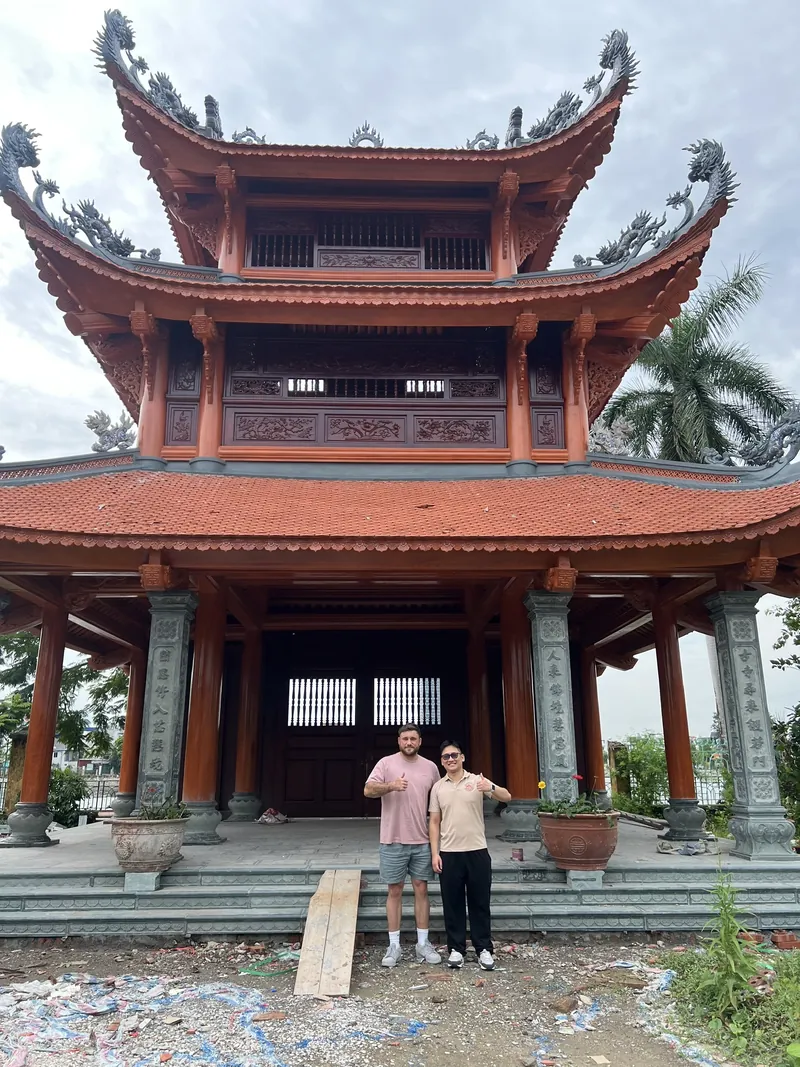
- The Bach Dang Giang relic area in Thuy Nguyen. On the Haiphong side of the river, temples and memorial spaces honour the heroes, and you can look out over the water where the battles took place.
- The stake fields. Old stakes have been found and preserved on both banks, in Thuy Nguyen and in Quang Yen across the river. Seeing real wood from the battles is a powerful moment.
- Temples to Tran Hung Dao. Temples dedicated to him are found across northern Vietnam. Locals visit to pray for protection and success.
- Commemorations in the third lunar month. Around the anniversary of the 1288 victory, communities near the river hold ceremonies and festivals. Dates follow the lunar calendar, so check each year.
- The river at changing tide. Simply watching the water rise or fall helps you understand how the trap worked.
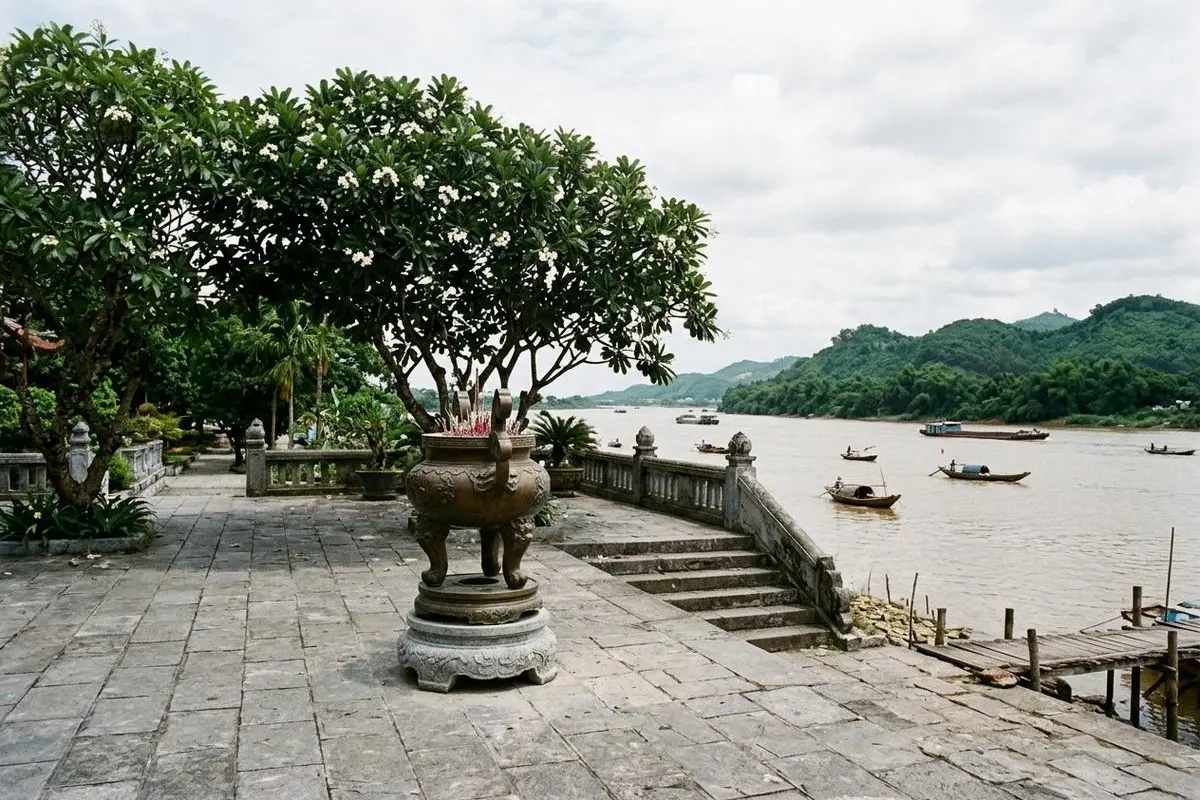
The relic sites are quiet, rural places rather than big attractions, and most signs are in Vietnamese. That is why many guests on our haiphong tours like to visit with a guide who can translate the boards and share the stories behind each temple. If you plan to combine the river with village life, see our guide to exploring rural villages on a Haiphong motorbike tour.
>>> The Ultimate Haiphong Tour: Top 10 Must-Visit Spots in 2025
Tips For Enjoying The Bach Dang Stories On Your Trip
- Read a short version first. Knowing the three heroes before you go makes temples and statues much more meaningful.
- Ask about the tide. If you can, visit when the tide is going out to see the riverbanks appear.
- Dress for temples. Cover shoulders and knees, and speak quietly near altars.
- Do not touch the stakes. The old wood is fragile and protected heritage.
- Bring small cash. Useful for drinks, parking and a small donation at temples.
- Share stories with your guide. Locals love hearing how visitors see their heroes, and you may hear a family version of the legend in return.
Frequently Asked Questions About The Bach Dang River Legends
What is the legend of the Bach Dang River?
It is the story of three Vietnamese victories, in 938, 981 and 1288, where invading fleets were trapped on hidden wooden stakes as the tide went out.
Who are the heroes of the Bach Dang River?
Ngo Quyen in 938, Le Hoan (Le Dai Hanh) in 981 and Tran Hung Dao in 1288. All three are honoured in temples and street names across Vietnam.
Are the Bach Dang River stories true?
The battles are recorded in historical chronicles, and real wooden stakes have been found along the river. Some details, like famous quotes, are told in different versions.
Where is the Bach Dang River?
It flows along the northern edge of Haiphong, between the Thuy Nguyen area and Quang Yen in Quang Ninh province, before reaching the sea near Halong Bay.
Can I visit the Bach Dang River from Haiphong city?
Yes. The Thuy Nguyen side is an easy half day trip from the city by car or motorbike, ideally with a local guide.
Hear The Bach Dang River Legends Where They Happened
The legend of victory on the Bach Dang River is a story of smart planning, patience and people working together against much stronger enemies. Standing by the muddy, tidal water near Haiphong, with the hills on the horizon and incense rising from riverside temples, those old stories feel close and real.
If you would like to visit the river, hear the legends from a local and combine them with villages and coastal landmarks, the Haiphong Adventure team is happy to help you plan your day.
WhatsApp, Viber, WeChat: +84(0)934.555.001
KakaoTalk, Line ID: haiphongadventure