Visiting Hang Kenh Communal House Dress Code
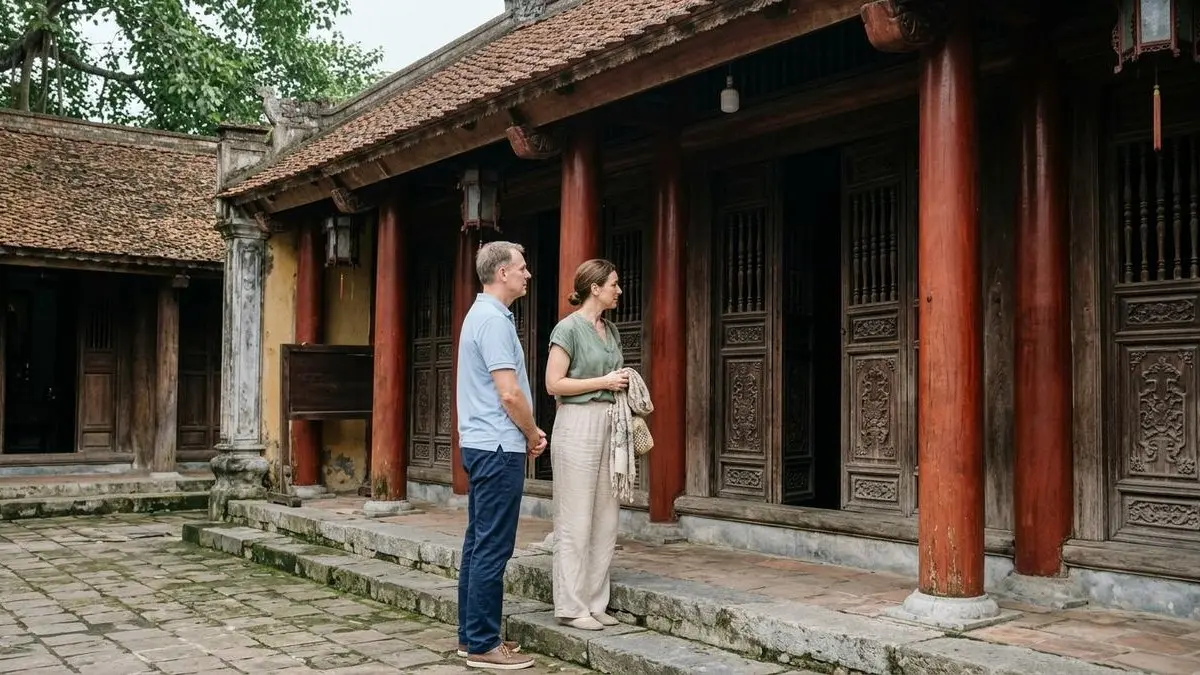
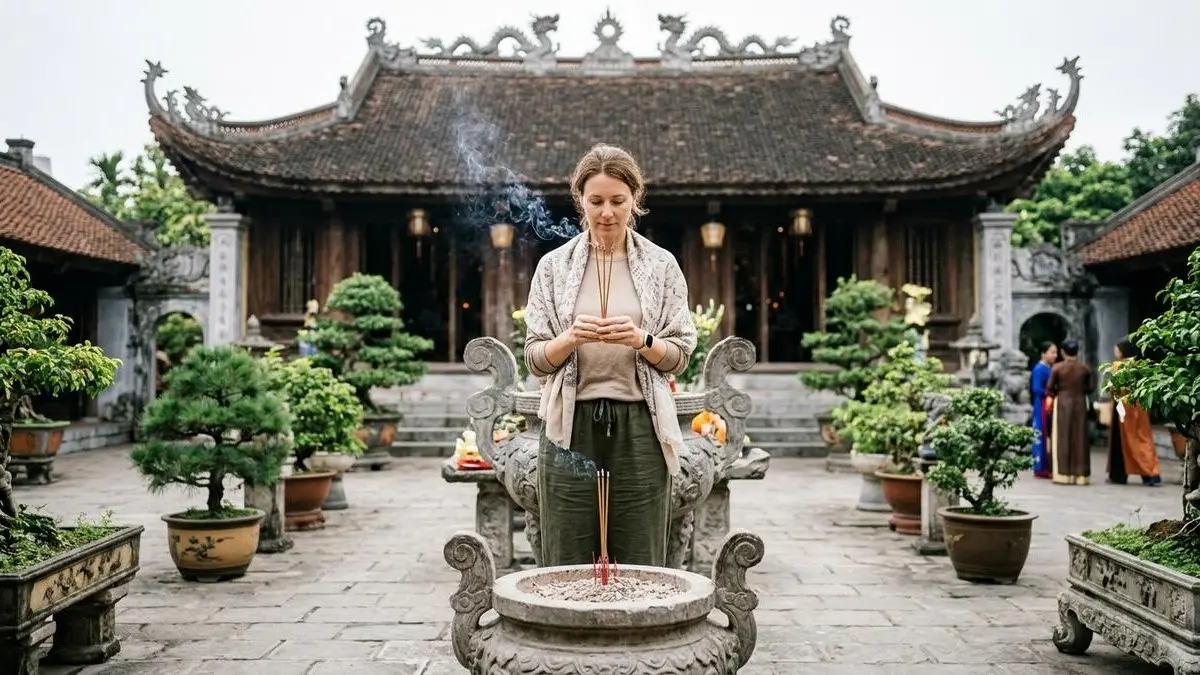
The dress code for visiting Hang Kenh Communal House is simple: cover your shoulders and knees, choose neat, modest clothing and be ready to remove your hat when you enter the hall. There is no strict uniform and staff rarely turn anyone away, but this is an active place of worship, and dressing respectfully shows care for the local community. Light, loose clothing in natural fabrics works well in Haiphong’s warm, humid climate.
In this guide, the Haiphong Adventure team explains what to wear, what to avoid, how to adjust your outfit by season and which small etiquette points make your visit to Hang Kenh smooth and pleasant. Local customs can vary on festival days, so follow any signs or requests from caretakers on site (updated October 2026).
Why A Dress Code Matters At Hang Kenh
Hang Kenh is a traditional village communal house, or dinh, built in the mid-19th century. It honours the national hero Ngo Quyen and local guardian spirits, and residents still come here to light incense and pray.
In Vietnamese culture, visiting a sacred place is a sign of respect for the spirits and for the community that looks after it. Clothing is one of the most visible ways to show that respect. You do not need special clothes, but beachwear or very revealing outfits can make local worshippers uncomfortable.
- It is a living place of worship. People pray here every day.
- It honours a national hero. Ngo Quyen is deeply respected in Haiphong.
- It is a protected heritage site. Visitors are guests of the community.
If you plan to visit several heritage sites in one day, our guide to cultural things to do in Haiphong lists other places where the same dress code applies.
The Simple Dress Code At A Glance
Use this quick checklist before you leave your hotel.
| Area | Recommended | Better to avoid |
|---|---|---|
| Shoulders | T-shirt, blouse or shirt with sleeves | Tank tops, strapless or spaghetti-strap tops |
| Legs | Long trousers, midi or long skirt, knee-length shorts at minimum | Short shorts, mini skirts |
| Fabric | Light cotton or linen, not see-through | Sheer or very tight clothing |
| Head | Hat for the sun outside, removed indoors | Wearing a cap inside the hall |
| Feet | Sandals or slip-on shoes | Muddy hiking boots on the altar steps |
| Messages | Plain or simple prints | Offensive slogans or images |
>>> Unusual Things To Do In Haiphong Off Beaten Path
What To Wear For Women
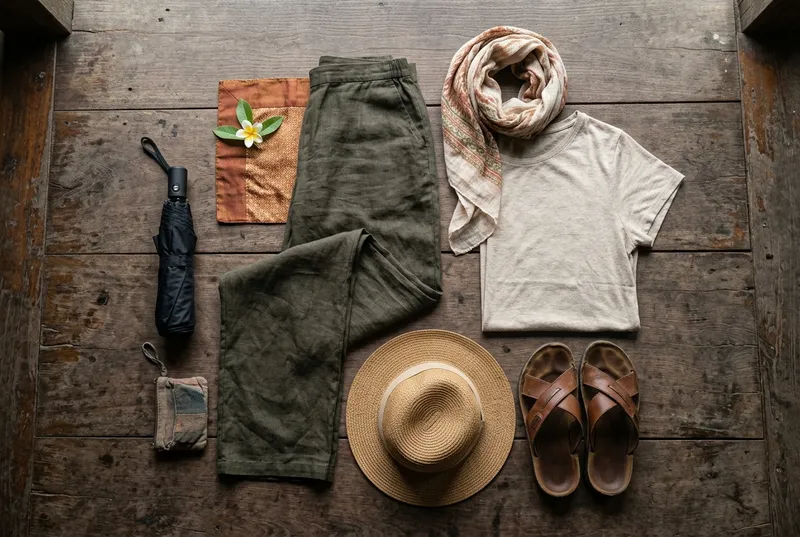
Women can wear almost any everyday outfit as long as it is modest. Comfort matters too, because the city is warm for much of the year.
- Tops. A loose blouse or T-shirt that covers the shoulders.
- Bottoms. Linen trousers, a midi skirt or a long, flowing dress.
- Layers. A light scarf or shawl is handy. It can cover your shoulders if you are wearing a sleeveless dress for the rest of the day.
- Shoes. Sandals or flats that are easy to slip off.
What To Wear For Men
For men, the rules are equally relaxed.
- Tops. A T-shirt, polo or short-sleeved shirt. Avoid sleeveless vests.
- Bottoms. Long trousers or chinos are best. Knee-length shorts are generally accepted but look less respectful.
- Hats. Take off caps and hats before you step into the hall.
- Shoes. Sandals or light trainers.
Recommended tour
The Haiphong Street Food and City Tour
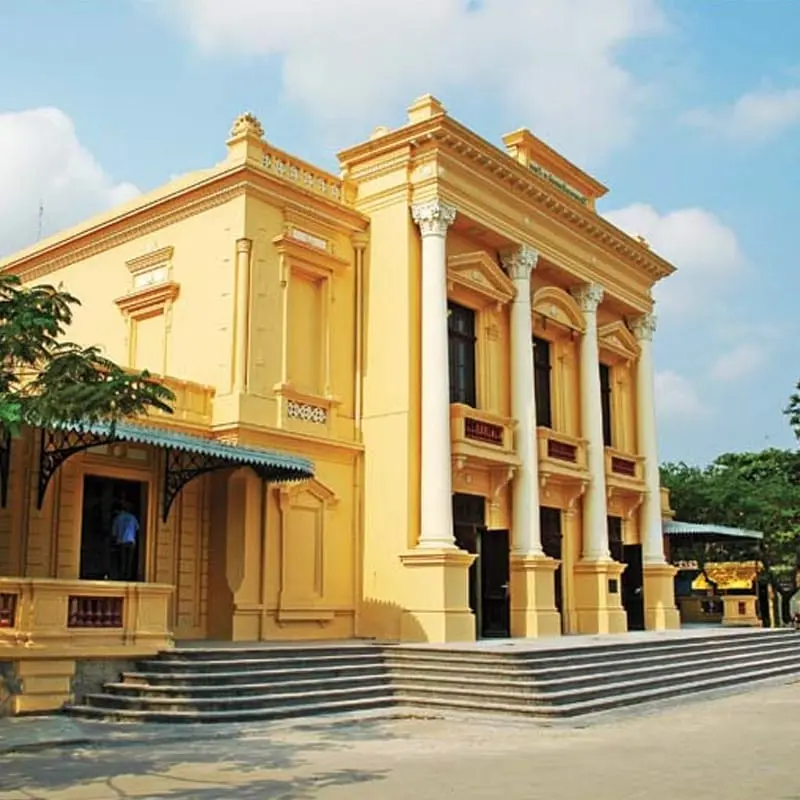
Visit the city’s heritage sites with a local guide who knows the customs, then enjoy Haiphong’s best street food together.
From $85 per person
Dressing For Haiphong’s Seasons
Haiphong has a hot, humid summer and a cooler, damper winter. Your outfit for Hang Kenh can adapt without breaking the dress code.
Hot months (roughly May to September)
Choose breathable cotton or linen in light colours. Loose long trousers are often cooler than tight shorts. Bring water and a hat for the walk, then remove the hat inside.
Cool months (roughly December to March)
Mornings can feel chilly and damp. Wear long trousers and a light jacket or cardigan. Layers make it easy to adjust between the street and the shaded hall.
Transition months
In spring and autumn the weather can change quickly. A light scarf and a foldable rain jacket cover most situations.
Weather patterns vary from year to year, so check the forecast a day or two before your visit.
>>> My Favorite Things To Do In Haiphong On Weekend
Shoes And Footwear Etiquette
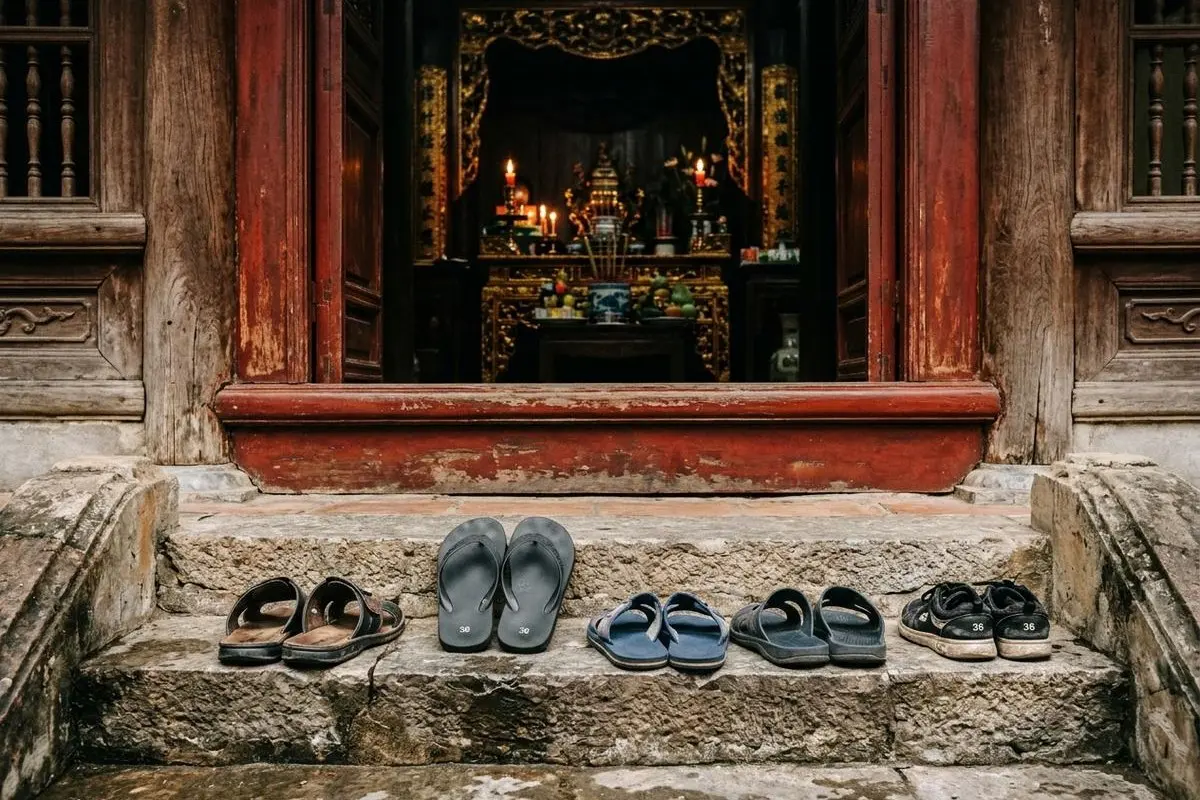
At many Vietnamese pagodas and shrines, visitors remove their shoes before stepping onto raised platforms or into certain rooms. At communal houses, practice can vary.
- Watch what locals do. If you see shoes lined up at a doorway, remove yours too.
- Follow signs. Some areas near the altar may be off limits.
- Wear easy shoes. Slip-ons save time and avoid holding others up.
- Keep socks clean. If you prefer not to walk barefoot, clean socks are fine.
Etiquette Beyond Clothing
Dressing well is the first step. These small habits complete a respectful visit.
- Speak quietly. Keep conversations low inside the hall.
- Do not touch the carvings or altar. The ironwood carvings are more than 150 years old.
- Do not point your feet at the altar. If you sit, tuck your feet to the side.
- Ask before photographing people. Many visitors come to pray.
- Avoid flash. It disturbs worshippers and does not suit old wood.
- Leave a small donation if you wish. It helps the caretakers maintain the site.
A private Haiphong tour with a local guide is a good option if you are unsure about customs, since your guide can show you what to do at each step.
Festival Days And Special Occasions
During traditional ceremonies, Hang Kenh can be busy with local people in their best clothes, including the ao dai. The atmosphere is joyful but more formal.
- Dress a little smarter. Neat long trousers or a long skirt are ideal.
- Give space to processions. Stand aside and watch quietly.
- Follow the caretakers. Some areas may be reserved for ceremonies.
Many travellers include Hang Kenh on one of our haiphong tours, which makes it easy to time the visit and understand what is happening during a ceremony. It is a meaningful moment in any haiphong adventure.
What To Pack For The Day
- A light scarf or shawl
- Long trousers or a long skirt
- Easy slip-on shoes or sandals
- A sun hat and sunscreen for the walk
- A small bottle of water
- Small cash notes for a donation
- A phone with the name “Dinh Hang Kenh” saved for Grab or taxi
For more ideas on combining heritage sites with food and walks, see our Haiphong city tour with cultural insights.
Frequently Asked Questions About The Hang Kenh Communal House Dress Code
Is there a strict dress code at Hang Kenh Communal House?
There is no formal uniform, but visitors are expected to dress modestly, with shoulders and knees covered.
Can I wear shorts to Hang Kenh?
Knee-length shorts are generally accepted, but long trousers or a long skirt are more respectful, especially on festival days.
Do I need to take off my shoes?
Practice can vary. Follow signs and what local visitors do. If shoes are lined up at a doorway, remove yours.
Can I wear a hat inside?
Remove hats and caps before entering the hall as a sign of respect.
What if I am wearing a sleeveless top?
Carry a light scarf or shawl to cover your shoulders when you go inside.
Dress With Respect And Enjoy Your Visit
Following the Hang Kenh Communal House dress code is easy: modest, comfortable clothing, a scarf in your bag and shoes you can slip off. With these simple steps, you can relax and enjoy the carvings, the courtyard and the peaceful atmosphere of this historic place.
If you would like a local guide to accompany you and explain the customs along the way, send the Haiphong Adventure team a message. We will help you plan a heritage visit that suits you.
WhatsApp, Viber, WeChat: +84(0)934.555.001
KakaoTalk, Line ID: haiphongadventure