
Local Food Haiphong Shore Excursions Tasting
If you are planning haiphong shore excursions built around local food, the short answer is simple: keep the route compact, eat where residents eat, and let a local guide handle the ordering. Haiphong is a port city with a food culture that is proud, a little stubborn and very different from Hanoi. A few hours on the ground can be enough to taste its famous crab noodle soup, crab spring rolls and fiery bread rolls, as long as you do not waste time on transfers.
This guide is written for cruise passengers, ferry travellers and anyone else who has a limited window in the city. It explains how to think about your time ashore, which dishes to prioritise, how to eat safely and comfortably, and how a tasting outing with Haiphong Adventure can fit around a ship or train schedule. Please treat all timings as rough estimates and confirm the details of your own arrival with your cruise line or transport provider.
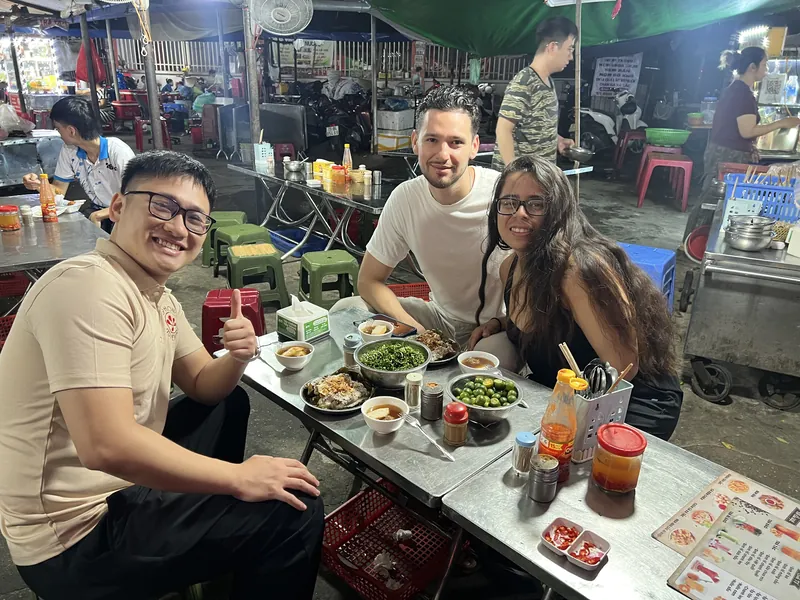
Why Food Makes the Best Haiphong Shore Excursions
Most visitors who arrive by sea want to see something that feels real in a short time. Temples and museums are fine, but they are the same in many cities. Food is different. A bowl of noodles eaten on a low plastic stool tells you more about a place than an hour in a gift shop, and in Haiphong the local dishes are strongly tied to the sea, the river delta and the city’s trading history.
Food-led haiphong shore excursions also solve a practical problem. Eating is naturally flexible. You can stop after two dishes or keep going for six, you can start early or late, and you rarely need tickets or reservations. That flexibility matters when your ship’s departure time is fixed and you do not want to rush.
There is a second advantage. Tasting tours keep you in the city centre, where the old French-era streets, markets and cafes are close together. You move on foot or by short rides, so you spend more time eating and looking and less time sitting in a vehicle.
What to expect from the city
Haiphong is a working port and an industrial centre, not a polished resort. Streets can be loud, pavements are shared with parked motorbikes, and the best food stalls often look humble. Visitors who enjoy that energy usually love the city. If you prefer quiet, air-conditioned sightseeing, set your expectations accordingly.
Know Your Time Ashore Before You Plan
The most important step happens before you leave home. Ask your cruise line or travel provider exactly where and when you will arrive, when you must be back, and how long the transfer to the city centre usually takes. Port locations for large ships can be a fair distance from the old centre, and that gap eats into your food time.
Write down the all-aboard time, then subtract a generous safety margin. Many travellers like to be back at the pier or station at least an hour before the deadline, and that is a sensible habit in a city where traffic can be unpredictable. If you are on an independent trip, apply the same logic to your bus, train or ferry departure.
A simple way to split the hours
Rather than a rigid timetable, think in three blocks.
- A first block for transfer and a light first stop, such as a coffee or a breakfast-style dish.
- A middle block for the main tasting, with three to five small plates spread over different neighbourhoods.
- A final block for a market walk, a sweet snack and the return trip with spare time.
If your window is short, drop the middle block down to two or three stops rather than skipping the buffer. Missing a departure is the one mistake that no meal can fix.
The Dishes You Should Not Miss
Haiphong has a compact list of signature dishes. You do not need to try everything, but these are the ones that locals will mention first. Prices change, so ask the vendor before you order if you are paying yourself, and treat any figure you read online as a reference only.
Banh da cua, the crab noodle soup
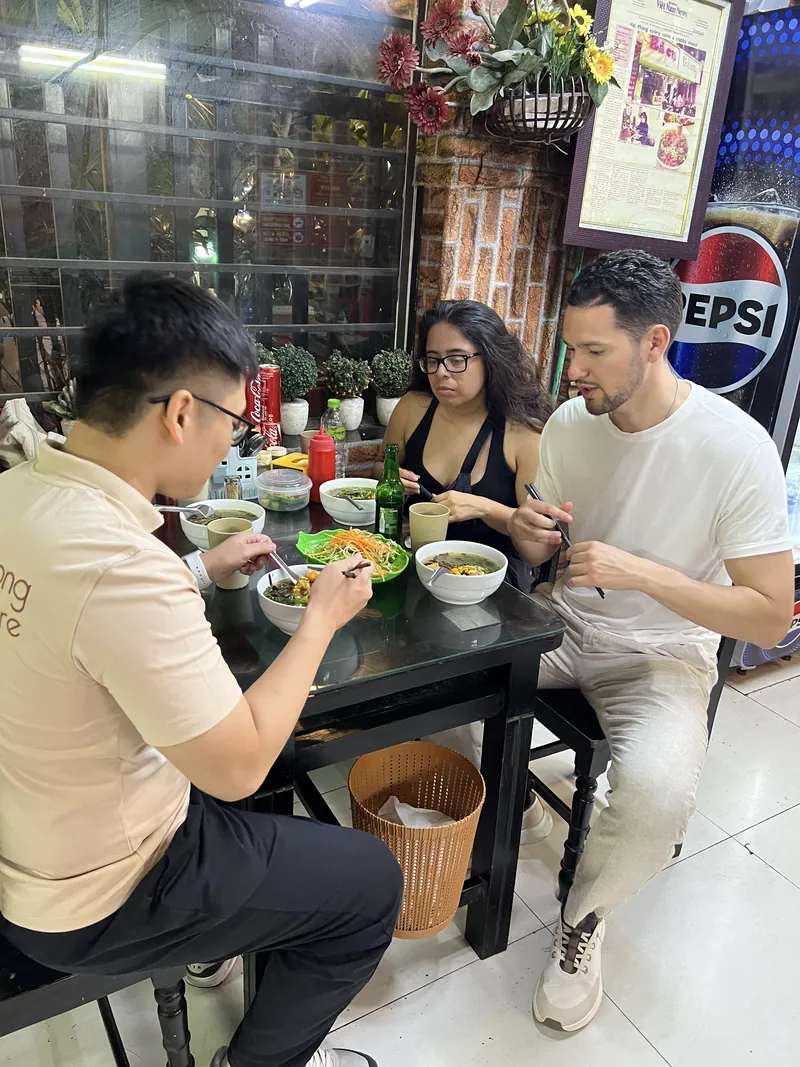
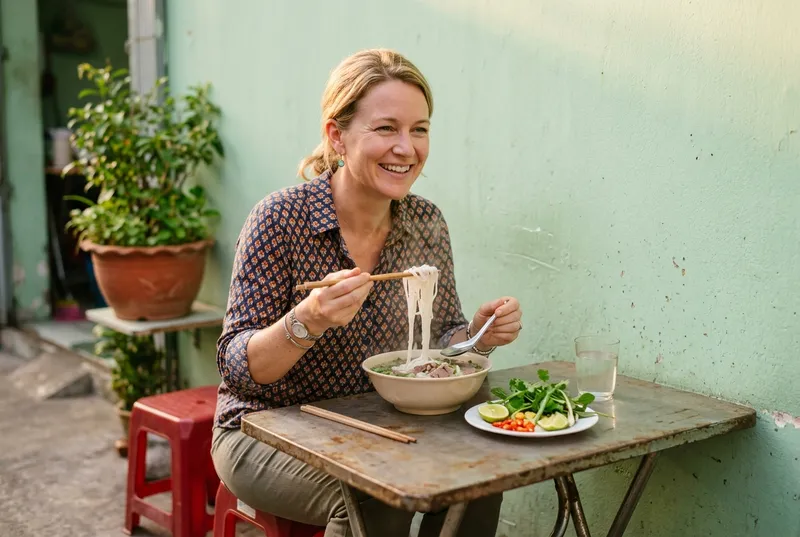
This is the city’s calling card. Flat brown rice noodles sit in a broth made from field crab, topped with pieces of crab paste, fried tofu, morning glory and herbs. The broth is deep and slightly sweet, and the red-brown colour surprises first-timers. It is usually served with a side of herbs and chilli, so you can adjust it to your taste. If you only have time for one bowl, make it this one.
Nem cua be, the crab spring rolls
These are chunky, crisp rolls filled with crab meat and other ingredients, fried until golden and cut into pieces. They are eaten with fresh herbs, lettuce and a dipping sauce. They are filling, so share a plate if you want to save space for the next stop.
Banh mi cay, the spicy bread roll
Haiphong has its own take on the baguette sandwich. The small crisp roll is usually filled with pate and finished with a hot chilli sauce that gives the city a bit of a reputation. If you do not handle heat well, ask for it mild or with sauce on the side. Vendors are used to curious visitors and will often smile and adjust it.
Seafood, snails and grilled snacks
A port city eats from the sea. Depending on the season you may see snails, clams, squid and small shellfish on offer. Evening is the usual time for these, so they work best if your stay runs late into the day. Eat only where the food is cooked fresh in front of you and where there is a steady crowd.
Sweet endings
Vietnamese sweet soups, jellies and iced desserts are a good way to cool down after a spicy lunch. Look for the glass counters with colourful toppings and ask the seller to recommend a combination.
>>> My Haiphong Street Food Adventure Local Taste
How a Guided Tasting Saves You Time
You can certainly walk into the centre and eat on your own, and plenty of travellers do. The challenge for a short stay is that menus are in Vietnamese, many stalls specialise in a single dish and the best places can be hard to spot from the road. A local guide removes that guesswork. They know which stall is open at what hour, how to order, how much a fair portion should cost and which dishes suit your appetite and spice tolerance.
Guided tastings are also a good way to meet people. Guides can explain the story behind each dish, help you talk to the cook and answer questions about daily life in the city. That context turns a snack into a memory.
The table below sums up the main differences for a short stay.
| Factor | Eating on your own | Eating with a local guide |
|---|---|---|
| Finding good stalls | Trial and error, often near main roads | Guide knows trusted stalls, including hidden ones |
| Ordering | Menus mostly in Vietnamese | Guide orders and explains each dish |
| Timing | Easy to lose time searching | Route planned backwards from your return time |
| Dietary needs | Hard to explain allergies | Guide checks ingredients with the cook |
| Local stories | Limited | History and daily life shared at every stop |
Why a small group or private format helps
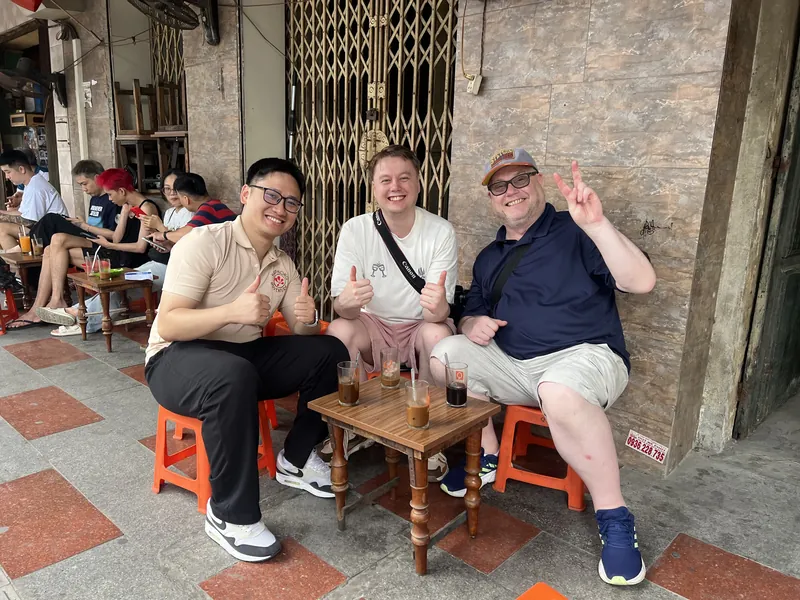
Large groups move slowly and struggle to fit around tiny tables. Small groups and private outings are more nimble, which matters when your ship is waiting. Tell your guide your deadline when you book, so the route can be built backwards from your return time.
A Sample Food-Led Outing in Haiphong
The following outline is a planning example, not a fixed schedule. Real stops depend on the season, the day of the week and what is open when you arrive.
Stage one, a gentle start
Begin with something light near the centre. A Vietnamese coffee, a bread roll or a small bowl of noodles will settle you after the journey and give your guide a chance to learn what you like. This is also the time to mention allergies, dietary rules and any dishes you want to avoid.
Stage two, the signature bowl
Move on to a crab noodle specialist. Because these shops often sell out of the best ingredients earlier in the day, it is wise to visit them in the first half of your time ashore. Take your time with the toppings and ask what each one is.
Stage three, snacks between sights
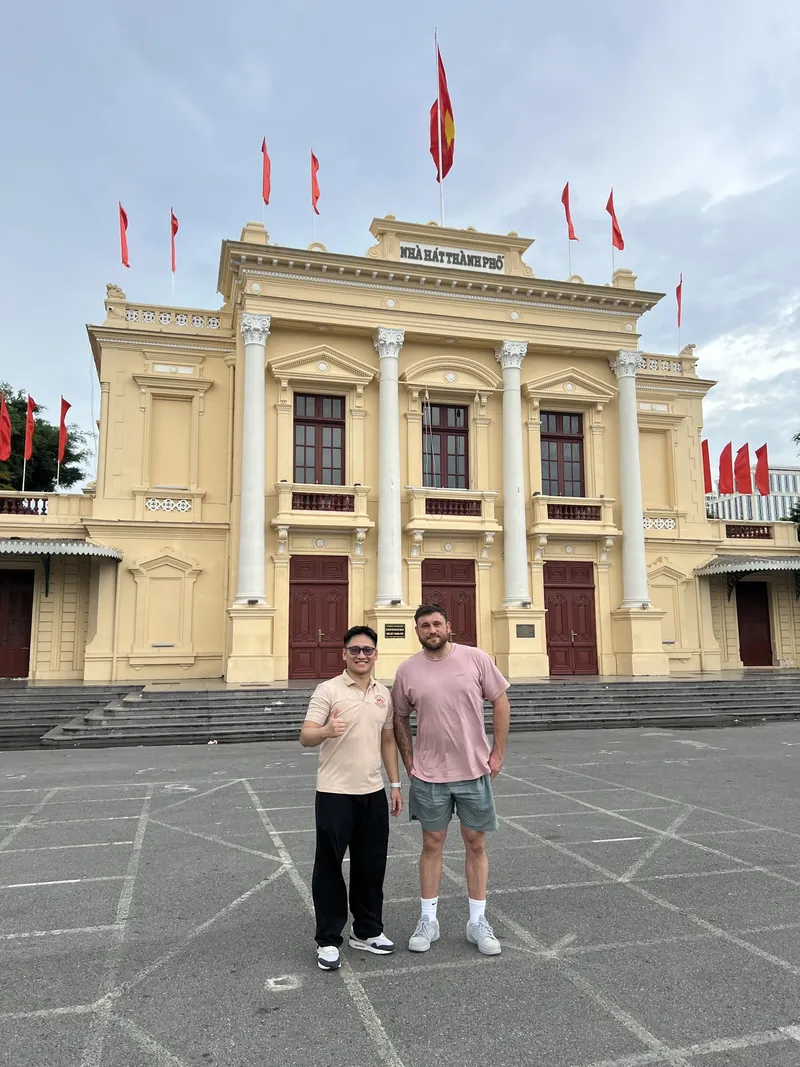
Walk toward the old French-era buildings and the city’s main squares, stopping for crab spring rolls or a roll with spicy sauce. Between bites you can look at the architecture, the theatre building and the tree-lined streets. If you want more ideas for a short stay, our guide to things to do in Haiphong on a weekend lists other sights that sit close together.
Stage four, a market and a sweet finish
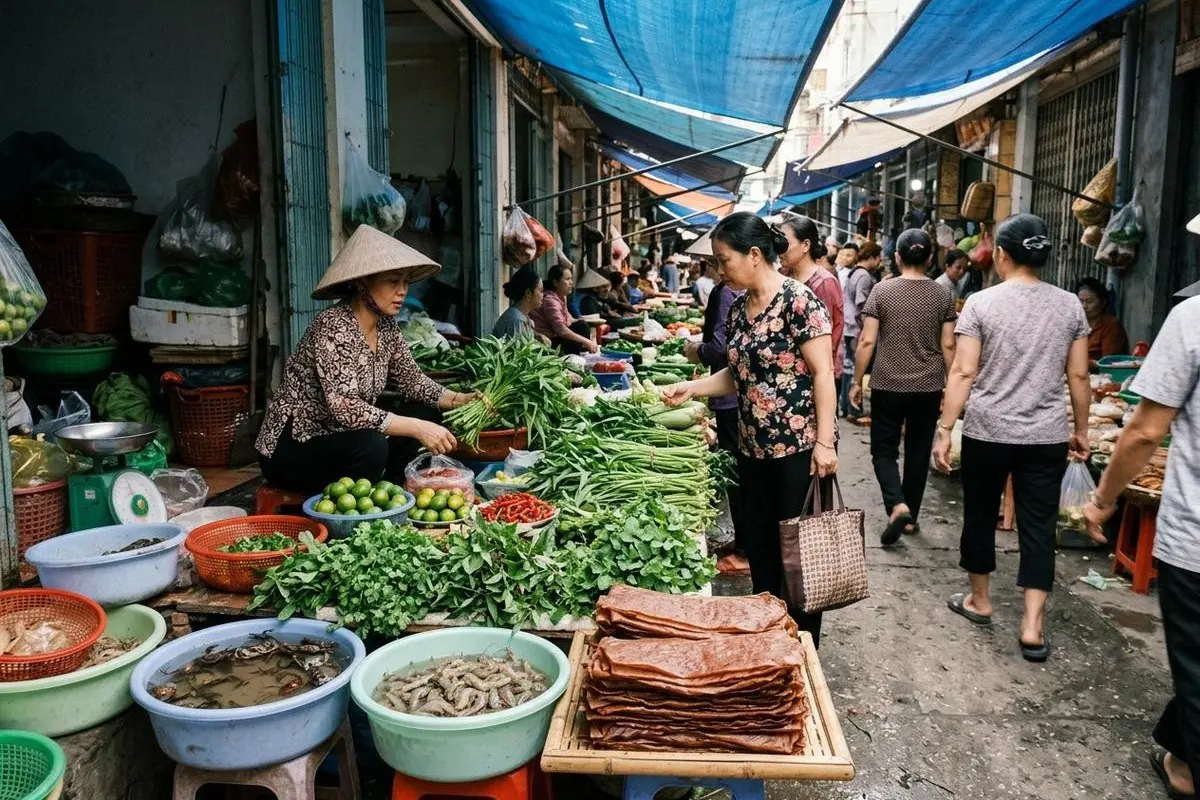
Finish with a walk through a local market, where you can see fresh produce, dried goods and seafood. Pick up a sweet treat or a small gift and head back with your buffer time intact. Markets are also a lovely place for photos, but ask before pointing your camera at someone.
>>> Secrets To Enjoying A Real Haiphong Food Tour
Recommended tour
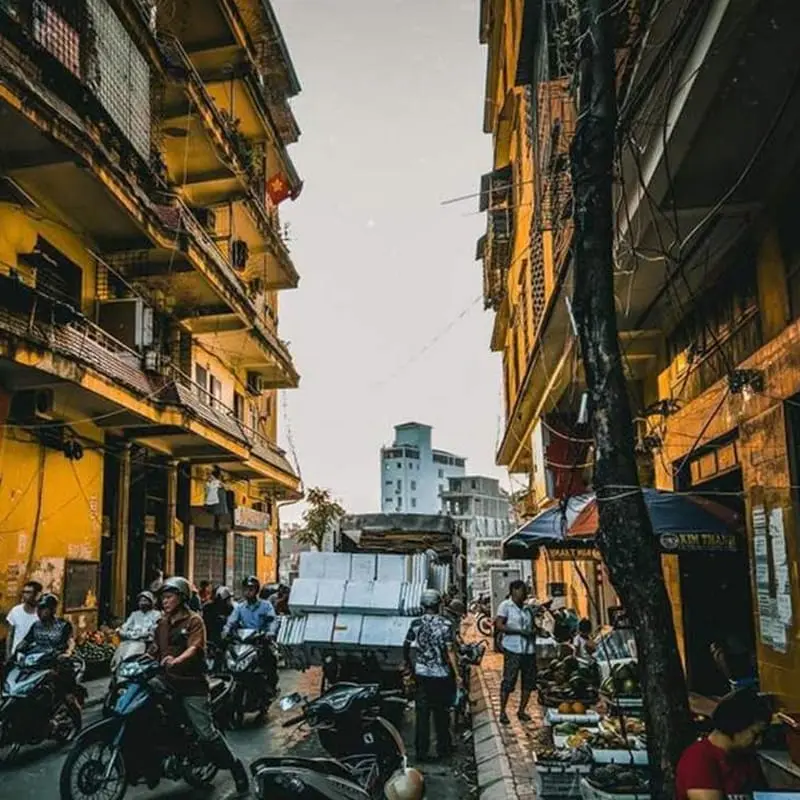
A guided outing built around the flavours of the old city, handy when you have a fixed amount of time. Check the tour page for the current duration.
From $79 per person (reference price, updated 10/2026)
Eating Well and Staying Comfortable
Street food has a deserved reputation as a highlight of Vietnam. It does not have to upset your stomach, and a few habits will keep you comfortable on your haiphong shore excursions and any other day out.
- Choose busy stalls where food is cooked and served quickly.
- Prefer dishes that are served piping hot and avoid anything that has been sitting out.
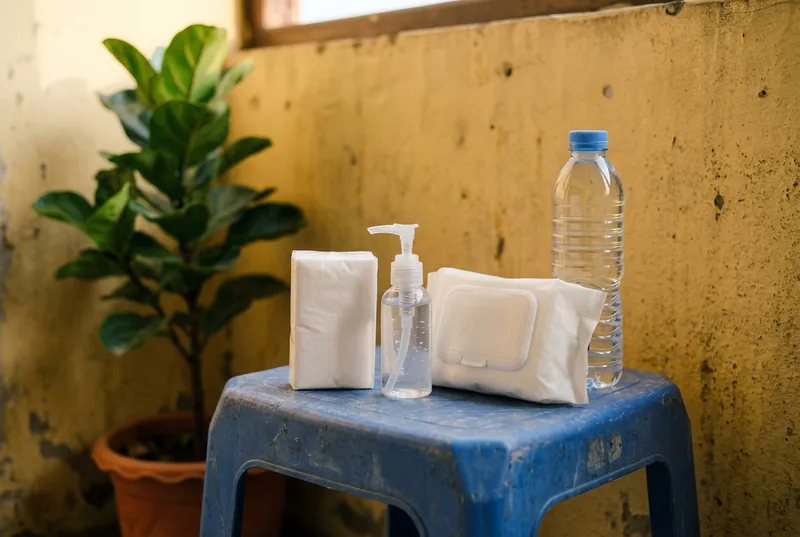
- Drink sealed bottled water and ask for drinks without ice if you are unsure about the source.
- Use hand sanitiser before eating, since many stalls do not have a sink nearby.
- Start with small portions so you can try more dishes.
- Carry small notes and a little cash, as many stalls do not take cards.
Dietary needs
Vegetarian, halal and allergy-friendly eating is possible but needs planning, because broths and sauces often contain fish, shrimp or pork. Tell your guide in advance, and if you have a serious allergy, carry a translated card. Crab and shellfish are central to the local cuisine, so travellers with seafood allergies should be especially careful.
Heat and weather
Haiphong can be hot and humid for much of the year and cool and damp in winter. Wear light clothes, comfortable shoes and a hat in warm months, and bring a thin rain jacket in case of a shower. Always check the forecast before you go ashore.
Getting Around Haiphong Without Stress
Short stays call for simple transport. In the old centre many food stops are within walking distance of each other, but the heat and the traffic can be tiring. Ride-hailing apps and local taxis are common, though availability and prices vary. Agree on a price or insist on the meter before you set off, and keep the address of your return point saved on your phone.
Crossing the street
Traffic flows like a river. Walk slowly and steadily, do not stop suddenly and do not run. Drivers will move around you. It feels odd at first, yet it is the safest approach.
Motorbike options
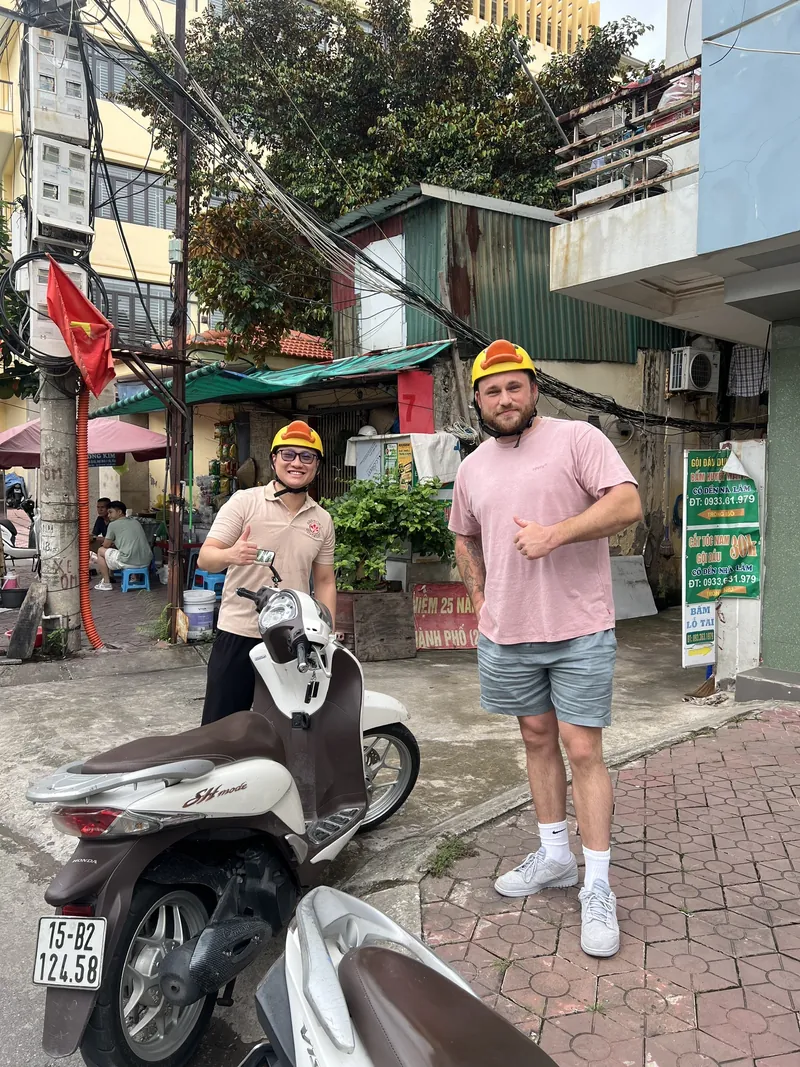
A motorbike tour is a fun way to cover more ground and see the city from the same level as the locals, and our guides regularly lead small groups through the streets. If you want to read more about this style of travel, have a look at our overview of Haiphong tours and pick a format that matches your comfort level.
Beyond Food, Short Add-Ons Worth Considering
If you still have time and energy after eating, a couple of small additions fit into a short stay.
Cultural stops
The city has pagodas, old communal houses and museums that reflect its maritime history. You can read about the options in our article on cultural things to do in Haiphong. Opening hours and ticket rules change, so check the latest details before you go.
Budget-friendly walks
Not everything has to cost money. Parks, lakeside paths and streets full of colonial buildings are free to enjoy, and our list of free things to do in Haiphong offers more ideas for a relaxed stroll between meals.
>>> Cultural Things To Do In Haiphong You Must Try
Understanding the wider country
Vietnam is a food-loving country with strong regional styles, and it is useful to see how Haiphong fits in. Northern dishes tend to be lighter and less sweet than southern ones, and Haiphong adds its own seafood twist. Ask your guide to compare the local bowls with what you may have tried in Hanoi, and you will start to notice the regional differences on the rest of your trip.
What to Bring on a Food-Focused Day Ashore
Packing light makes everything easier. A small daypack, a refillable water bottle, a few tissues, wet wipes, some small bills, sun protection and a charged phone are usually enough. Bring your ship card or ticket, a photocopy of your passport if your cruise line recommends it, and the contact number of your ship’s port agent. Wear shoes that you do not mind getting a little dirty, because the best stalls are sometimes on rough ground.
Manners at the table
Eating in Vietnam is relaxed, but a few small gestures go a long way. Smile and greet the cook, do not be shy about asking for the herb plate to be refilled, and try not to leave chopsticks standing upright in a bowl. Slurping noodles is perfectly acceptable. If you are unsure how to eat something, watch the people around you or ask your guide.
Frequently Asked Questions
Is one day enough to try the main local dishes?
Yes, a few hours is enough to taste the signature dishes if you plan well. You will not eat everything the city offers, but you can try the crab noodle soup, a roll with spicy sauce and a couple of snacks.
Can I do a food outing if my ship docks for only a few hours?
It is possible, but you must confirm your arrival and all-aboard times first. Choose two or three stops close together and keep a generous safety buffer.
Is street food safe for visitors?
Most travellers eat it without problems when they pick busy stalls, choose hot freshly cooked food and drink sealed water. If you have a sensitive stomach, start with small portions.
Is the food very spicy?
Chilli is usually served on the side or as a sauce, so you can control the heat. The spicy bread roll is the main exception, so ask for it mild if you prefer.
How do I book a guided tasting?
Send us your arrival and departure times, the size of your group and any dietary needs, and we will suggest a route that fits. Prices and availability are for reference only and may change, so confirm them at the time of booking.
Plan Your Taste of Haiphong With Us
Short stays reward careful planning, and local knowledge makes all the difference. Haiphong Adventure offers guided food outings that can be shaped around your schedule, whether you are arriving by ship, bus or train. Tell us when you arrive and when you must leave, and we will build a route that keeps you well fed and on time.
Contact us any time.
- WhatsApp: +84 (0)934 555 001
- Viber and WeChat: +84 (0)934 555 001
- KakaoTalk and Line ID: haiphongadventure