Haiphong Seafood Prices Per Kg and How Not to Overpay
Haiphong seafood prices per kg depend on three things: the type and size of the seafood, whether it is alive in a tank, and where you buy it. In most seafood restaurants you choose live seafood from tanks, it is weighed, and you pay the price per kilogram plus any cooking fee. Prices change with the season and the daily catch, so the safest way not to overpay is simple: ask the price per kilo, watch the weighing, and agree on the cooking method and total before the kitchen starts.
We are Haiphong Adventure, a local team in Haiphong. We eat seafood with travelers in the city, in Do Son and on Cat Ba, and this guide shares what we have learned about how pricing works and how to order fairly.
How Seafood Pricing Works in Haiphong
Haiphong is a port city with fishing communities along its coast and islands, so seafood is part of everyday eating. Most visitors meet it in one of three places, each with its own pricing style.
| Where you buy | How you pay | Price level |
|---|---|---|
| Local wet markets | Per kg, raw, you cook it yourself or take it to a restaurant | Lowest |
| Local seafood restaurants | Per kg for live seafood, plus a cooking fee or set price per dish | Medium |
| Tourist and waterfront restaurants | Per kg or per dish, often with higher margins for the view | Highest |
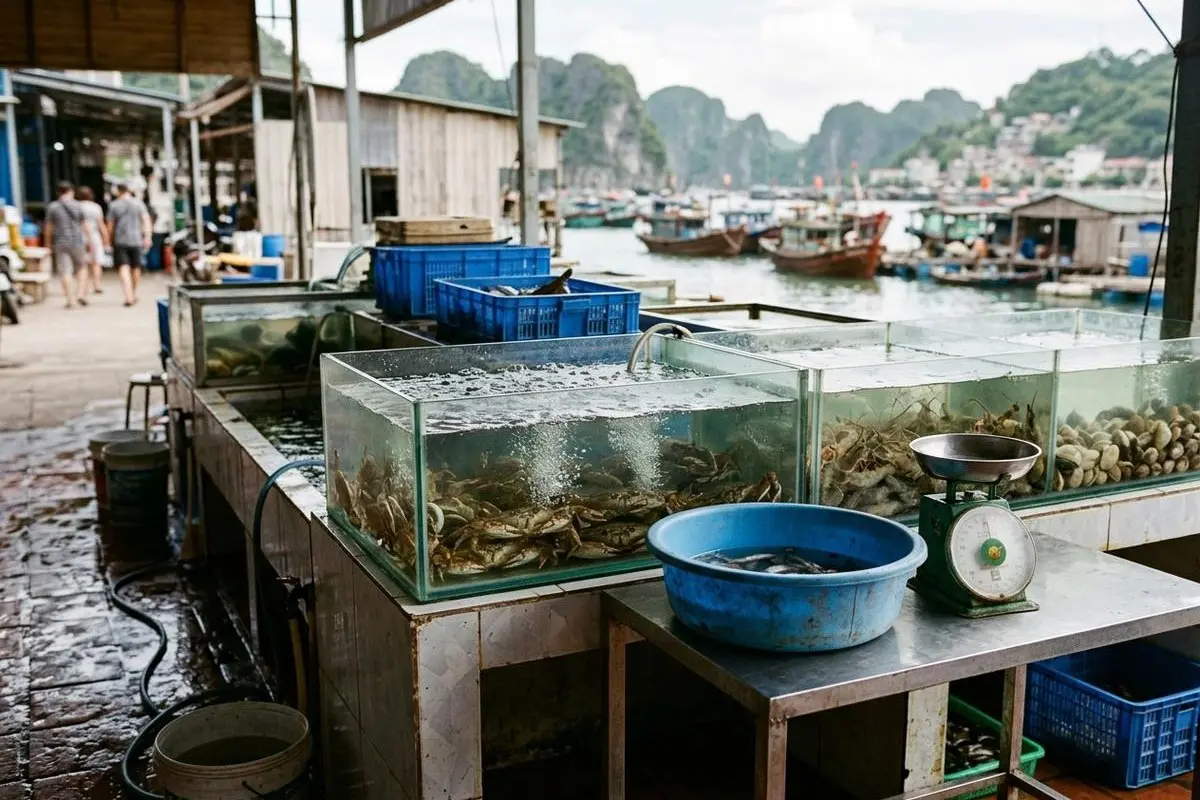
In a restaurant, the price per kilo usually refers to the live weight, before cooking. Some places include cooking in the price, while others add a small fee per dish. Always ask which applies.
Which Seafood Costs More and Why
We do not publish exact prices here, because they move with the season, weather and daily catch. Instead, use this guide to understand which items are usually cheaper or more expensive, then ask for the current price on the day (reference only, updated November 2026).
| Seafood | Usual price level | Notes |
|---|---|---|
| Clams, snails, mussels | Budget | Great for sharing, often sold by the plate at oc stalls |
| Squid and cuttlefish | Mid | Price rises for large, fresh squid |
| Prawns and shrimp | Mid to high | Bigger prawns cost much more per kilo |
| Fish | Mid to high | Depends heavily on species and size |
| Crabs | High | Female crabs with roe and large crabs are pricier |
| Mantis shrimp | High | Popular and seasonal, size matters |
| Lobster and rare shellfish | Premium | Always confirm price and weight before cooking |
What changes the price
- Season and weather: stormy weeks mean fewer boats out and higher prices.
- Size: large individual crabs or prawns can cost much more per kilo than small ones.
- Alive or not: live seafood in tanks costs more than chilled seafood.
- Location: tourist areas and holiday weekends push prices up.
Where to Eat Seafood in Haiphong
City center
Central Haiphong has many local seafood restaurants and evening oc stalls. Prices are usually fair because most customers are locals. It is a good place to try snails, clams and grilled squid without a long journey.
Do Son
The seaside district of Do Son has a long row of seafood restaurants near the beach. Weekends and summer holidays are busy, and prices at the most visible spots can be higher.
Cat Ba Island
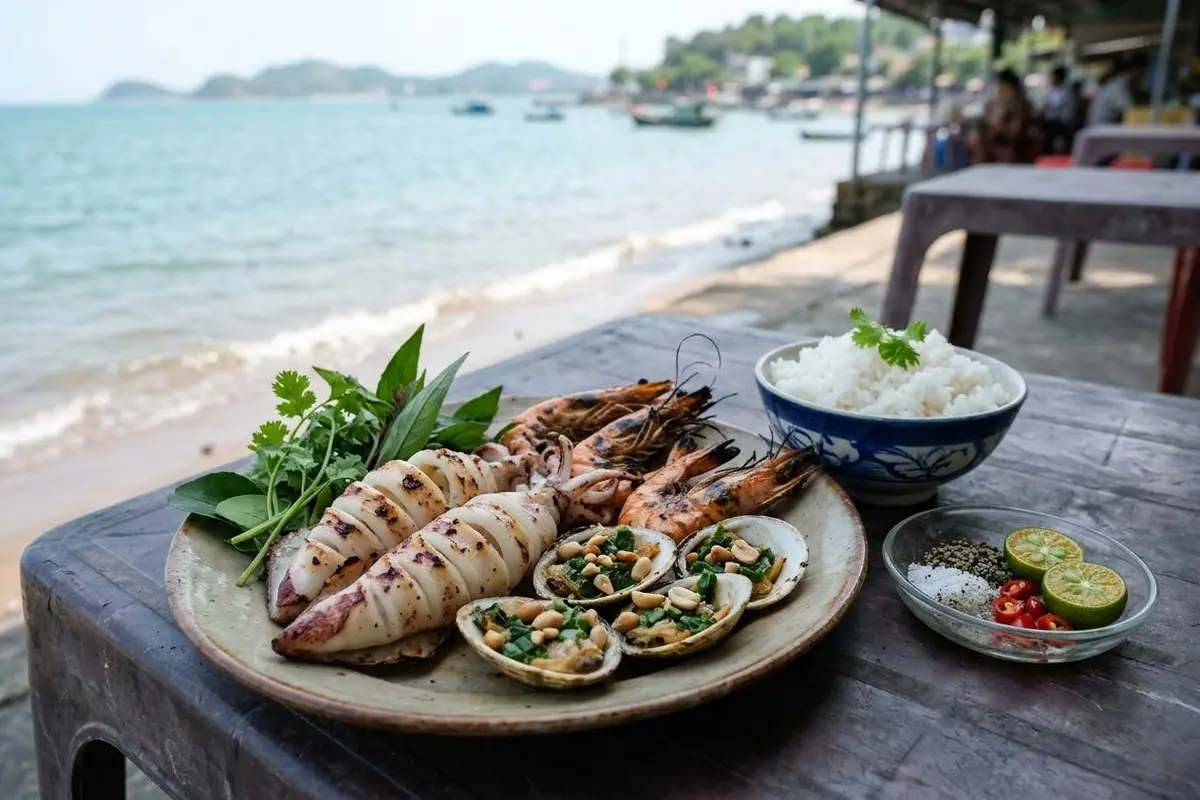
On Cat Ba, harbor-front restaurants display live seafood in tanks. Floating restaurants in the bays are scenic but are where overcharging stories are most common, so be extra careful there. Our tips on what to know before booking a Cat Ba tour cover more island advice.
>>> Planning A Perfect Cat Ba Tour From Haiphong City
Recommended tour
The Haiphong Street Food and City Tour
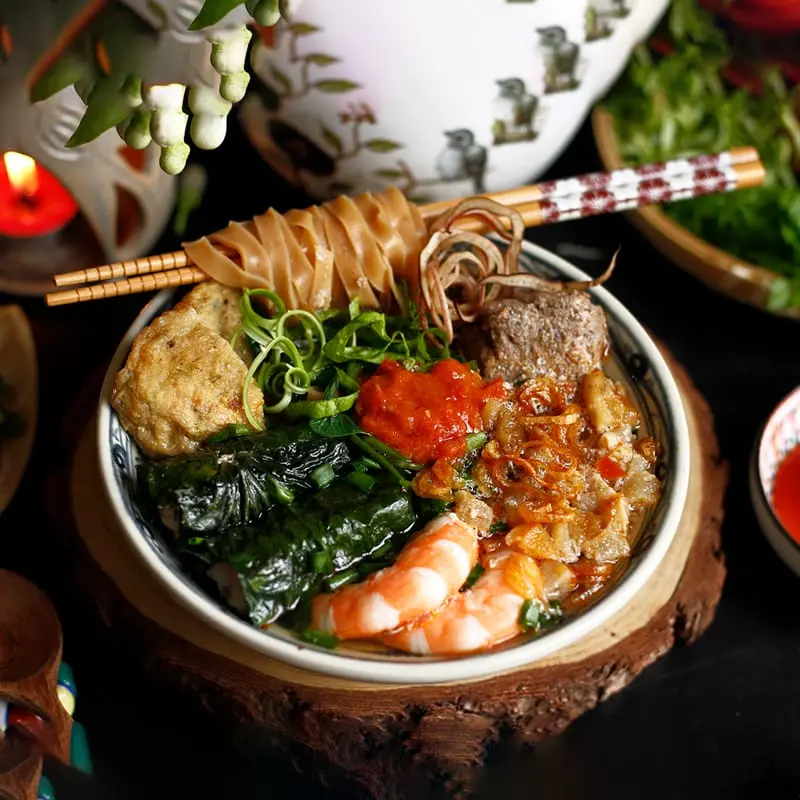
Eat where locals eat, from crab noodle soup to shellfish stalls, with a guide who orders for you and makes sure you pay local prices.
From $85 per person
Step by Step, How to Order Seafood Fairly
- Look at the board or menu. Many restaurants list the price per kg next to each tank or on a board. If there is none, ask.
- Ask the price per kilo. Say bao nhieu tien mot can? (how much per kilo?). Write the number down or ask the staff to type it on a phone calculator.
- Choose your seafood. Point to the exact items you want. Ask for a smaller amount if you are not sure, since you can always order more.
- Watch the weighing. Stay at the scale while it is weighed and note the weight.
- Agree on cooking. Choose how it should be cooked, such as steamed, grilled or stir-fried with garlic, and ask if there is a cooking fee.
- Confirm the total. Multiply the weight by the price and agree on the number before the seafood goes to the kitchen.
- Check the bill. Compare it with what you agreed, including drinks, rice, tissues and any extra dishes.
Common Ways Travelers Overpay
- Price per 100 grams confusion: some places quote per 100 g or per piece, which looks cheap until the bill arrives. Ask clearly if the price is per kilo.
- Not watching the scale: always see the weight yourself.
- Swapped seafood: in rare cases the cooked dish may not match what you chose. Remember sizes and numbers of pieces.
- Extra dishes you did not order: politely send back anything you did not ask for before eating it.
- Touts and commission: be wary of strangers who lead you to a specific restaurant.
- No agreed total: the biggest risk is ordering without a confirmed price.
If something seems wrong, stay calm and polite, show the numbers you noted and ask the staff to recheck. Most disputes are solved quickly with a smile and clear figures.
>>> Scams To Avoid With Motorbike Rental Haiphong
Buying at the Market and Cooking Fees
Some locals buy seafood at a wet market early in the morning, then pay a nearby restaurant to cook it. This can save money, but not every restaurant accepts outside seafood, so ask first and agree on the cooking fee per dish.
Markets are busiest and freshest in the early morning. Bring small notes, check that shellfish are alive and closed, and ask the vendor to clean the seafood if needed. For more on market life, see our Haiphong food tour route through local markets.
Freshness and Food Safety Tips
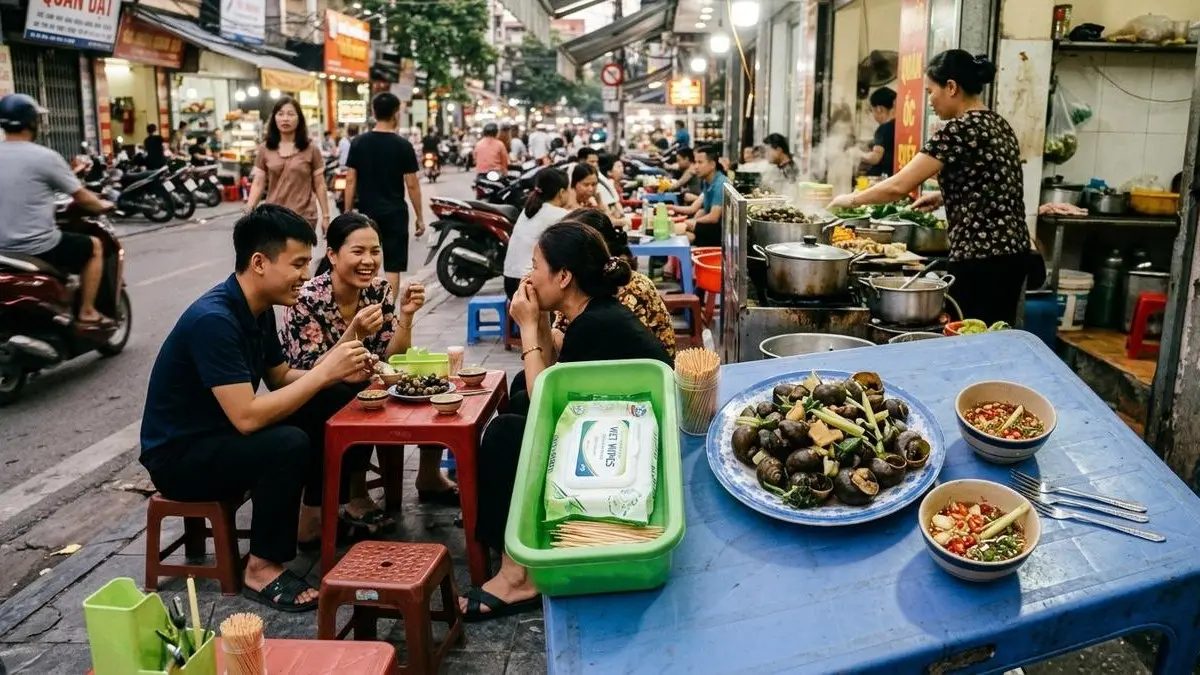
- Choose busy restaurants where seafood moves fast.
- Live seafood should be active. Shellfish should be closed or close when touched.
- Prefer well-cooked dishes if you have a sensitive stomach.
- Drink bottled water and wash or sanitize your hands before eating.
- If you have a shellfish allergy, carry a written note in Vietnamese.
For more on Haiphong’s shellfish stalls and how locals eat there, read our Haiphong street food adventure.
Useful Vietnamese Phrases
| Phrase | Meaning |
|---|---|
| Bao nhieu tien mot can? | How much per kilo? |
| Can cho toi xem | Weigh it so I can see |
| Nua can | Half a kilo |
| Hap / nuong / xao toi | Steamed / grilled / stir-fried with garlic |
| Tong cong bao nhieu? | How much in total? |
| Tinh tien | The bill, please |
Frequently Asked Questions
Are Haiphong seafood prices per kg cheaper than in Hanoi?
Often yes at local restaurants, since Haiphong is close to the fishing grounds. Tourist spots and holiday periods can be just as expensive, so always ask.
Is the price per kilo for live or cooked weight?
In most restaurants it is the live weight before cooking. Confirm when you order.
Do restaurants charge extra for cooking?
Some include cooking in the price per kilo, others add a fee per dish. Ask before ordering.
What is the best seafood to try on a budget?
Clams, snails and squid offer great flavor for a modest price, especially at evening shellfish stalls.
Should I tip at seafood restaurants?
Tipping is not expected at local restaurants, but leaving small change for good service is appreciated.
Enjoy Fair-Priced Seafood with Haiphong Adventure
Seafood is one of the best reasons to visit Haiphong, and a little knowledge keeps your bill fair. If you would like a local to take you to trusted seafood spots and handle the ordering, message us or browse our Haiphong tours.
Contact Haiphong Adventure:
WhatsApp, Viber, WeChat: +84(0)934.555.001
KakaoTalk, Line ID: haiphongadventure