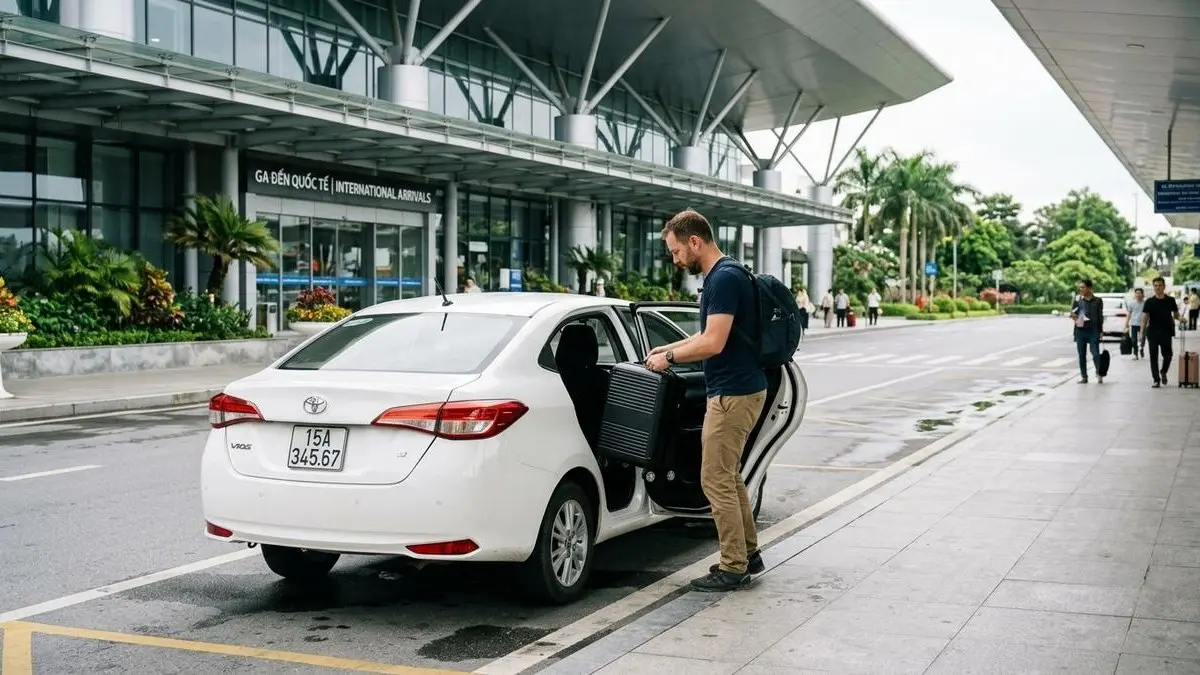
Shopping in Haiphong: Best Markets, Malls and Local Finds
Shopping in Haiphong is less about luxury boutiques and more about local life: busy covered markets, sidewalk stalls, a few modern malls and food specialties you will not find back home. The best places to start are the old markets near the city center for local goods and snacks, a modern mall for air-conditioned browsing and fixed prices, and the evening walking areas for casual souvenirs. This guide explains where to go, what to buy, how to pay and bargain, and how to pack your finds for the flight home.
Haiphong is a working port city, so shopping here feels authentic and relaxed. You will rarely be pushed hard by sellers, and many visitors find that a market walk is one of the most memorable parts of their trip, even if they buy very little.
What Shopping in Haiphong Is Really Like
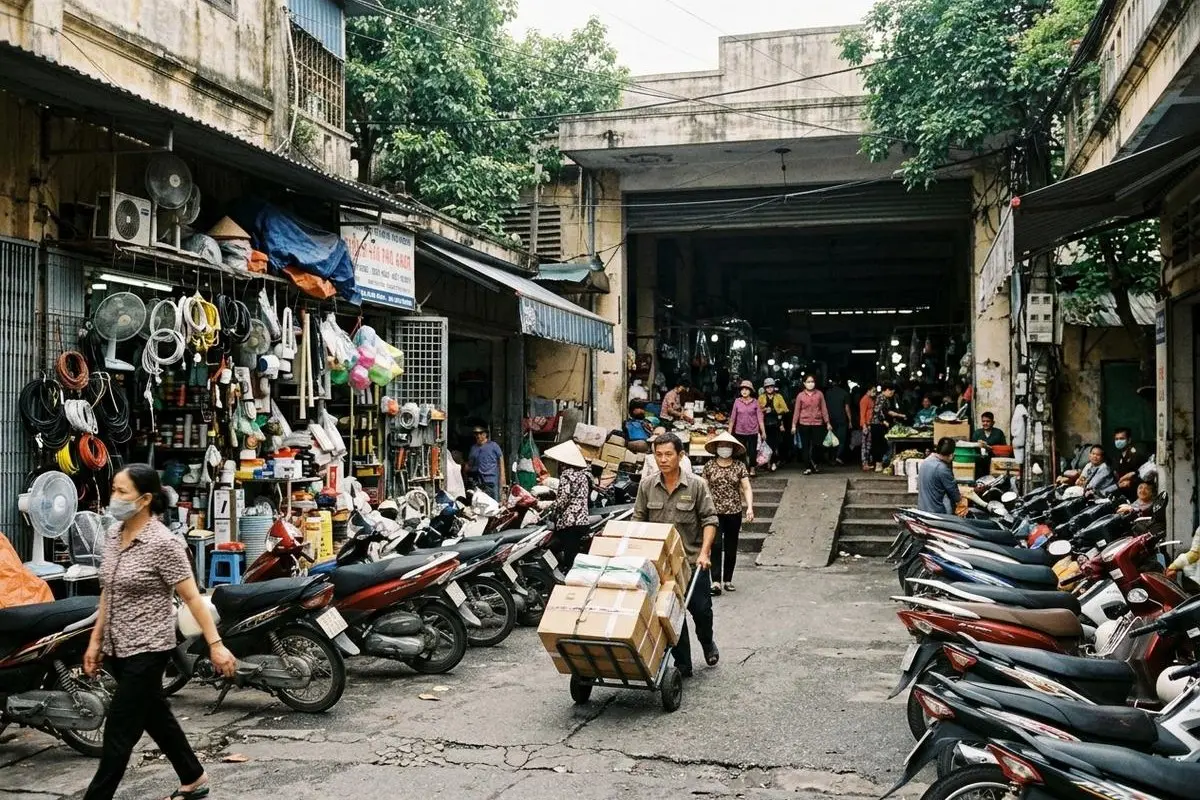
Before you set out, it helps to know the shopping style of the city. Haiphong mixes three very different worlds:
- Traditional markets: crowded, noisy and full of character, with fresh food on the ground floor and clothes, fabric or household goods elsewhere.
- Street shops and stalls: small family businesses selling everything from snacks to phone accessories, often grouped by type along one street.
- Modern malls: air-conditioned centers with supermarkets, international brands, food courts and cinemas.
Most travelers enjoy a little of each. Markets are best for atmosphere and local products, malls for convenience and fixed prices, and street shops for quick everyday purchases. Opening hours vary by place and season, so treat any times you hear as a guide and check on the day.
Best Markets to Visit
Markets are the heart of shopping in Haiphong. Even if you are not planning to buy, a slow walk through one is a great introduction to daily life in the city.
Cho Sat Market
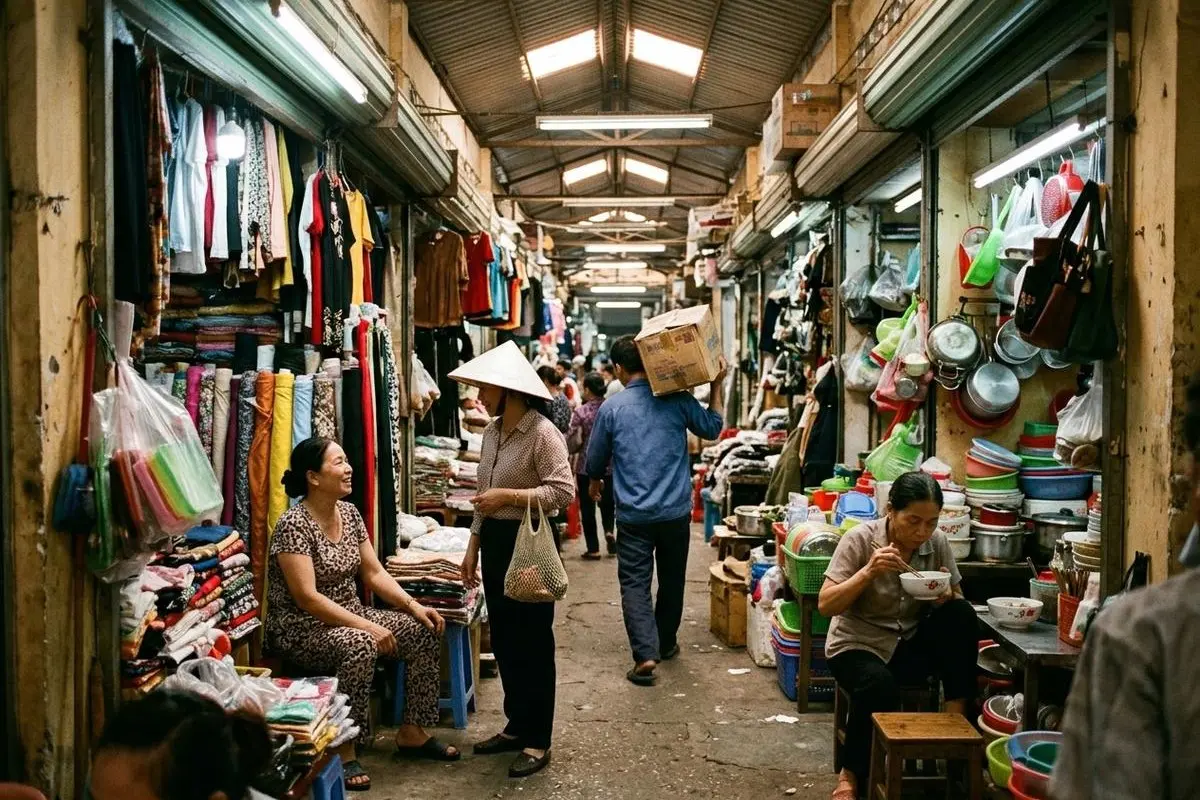
Cho Sat, often translated as the Iron Market, is one of the best known markets in central Haiphong. It is a multi-level covered market where locals shop for clothes, fabric, shoes, household items and snacks. Aisles are narrow and packed, so go with a small bag and plenty of patience. Our guide on what to buy at Cho Sat Market lists the most useful stalls for visitors.
Neighborhood Wet Markets
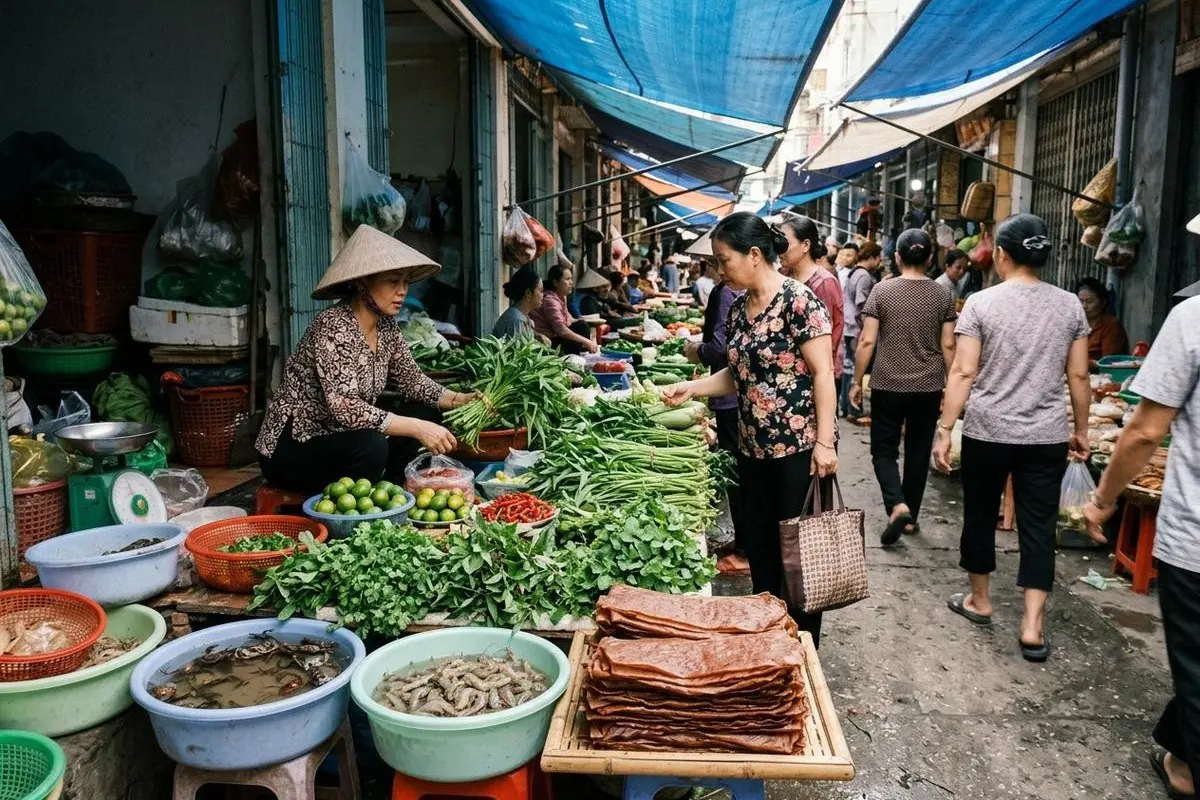
Every district has its own morning wet market selling vegetables, herbs, meat and seafood. These are not designed for tourists, but they are fascinating to see. Come early, when the market is most lively, and always ask before taking close-up photos of vendors.
Evening and Night Markets
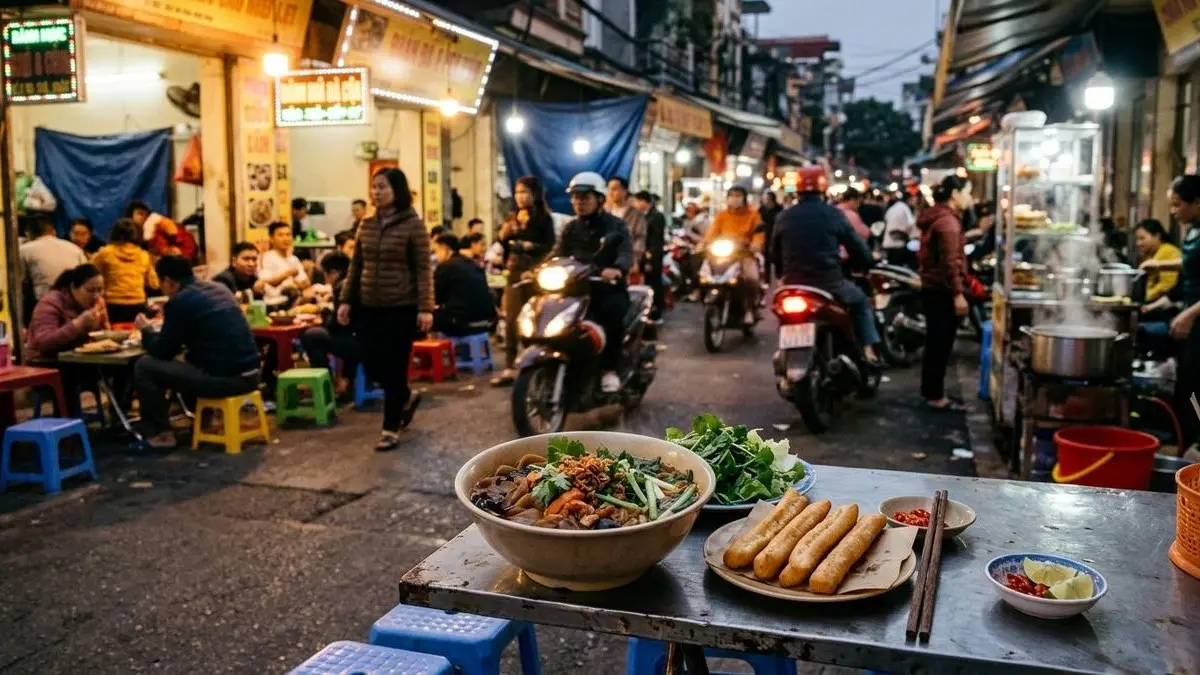
On some evenings, pedestrian areas in the center fill with food carts, clothing stalls and small toy and accessory sellers. The mood is relaxed and family friendly. For details on what to expect and what to eat while you browse, see our Haiphong night market guide.
>>> Local Vibe Inside Cho Sat Market Walking Tour
Shopping Malls and Supermarkets
If the heat or the crowds become too much, a modern mall is an easy escape. Haiphong has several large shopping centers, including a big Japanese-style mall in Le Chan district and Vincom malls in the city. They typically offer:
- A large supermarket, which is a convenient place to buy packaged snacks, coffee and dried goods with clear labels and fixed prices.
- Local and international fashion, cosmetics and electronics stores.
- Food courts and restaurants, useful if you want a simple meal in air conditioning.
- Cinemas and play areas, handy for families with children.
Malls are also a stress-free choice if you do not enjoy bargaining. Prices are marked, cards are widely accepted and staff in larger stores often speak some English. Store lists and hours change, so check the mall’s own information before a special trip.
Best Souvenirs and Local Specialties to Buy
The most memorable things to take home from Haiphong are usually edible or practical rather than decorative. Here are the items visitors ask about most:
| Item | Why buy it | Where to look |
|---|---|---|
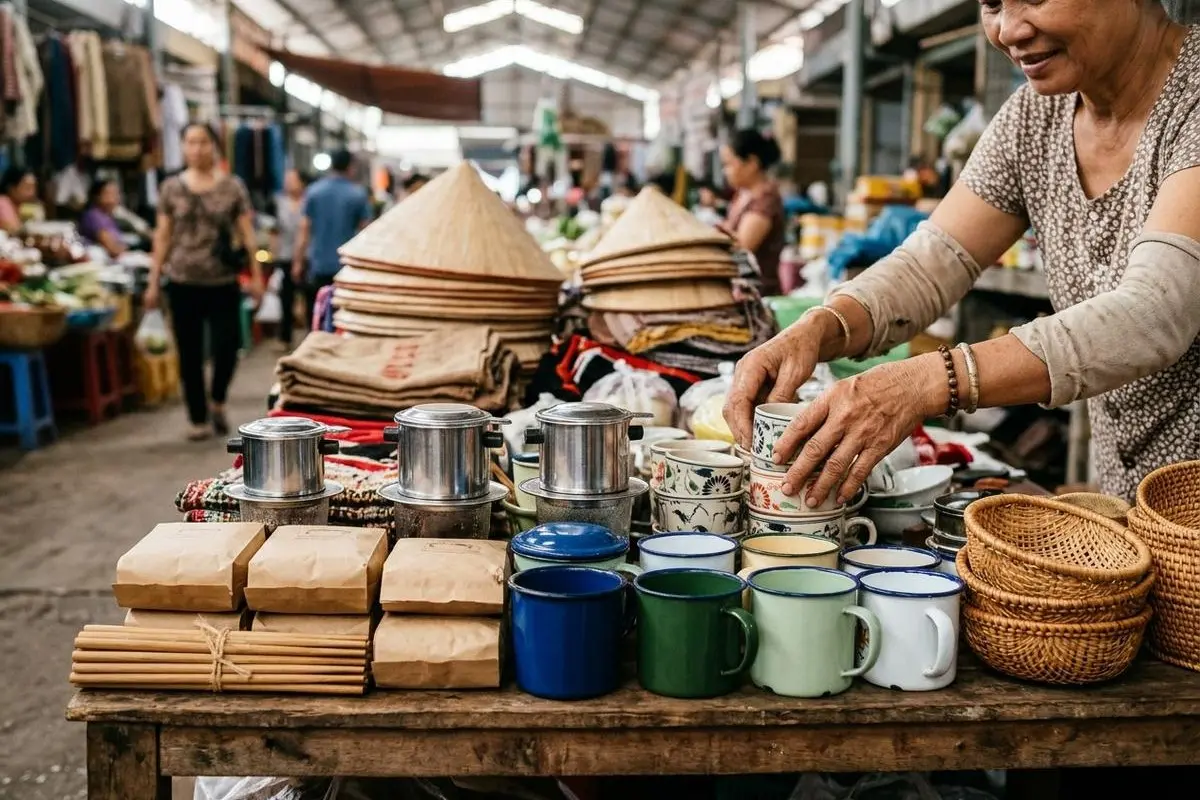
| Dried seafood (squid, shrimp, fish) | A classic gift from a coastal city, light to carry | Markets and specialty shops, supermarkets for sealed packs |
| Banh da (dried red rice noodles) | The noodle used in banh da cua, Haiphong’s signature soup | Markets and supermarkets |
| Cat Hai fish sauce | A well known local fish sauce from the nearby island district | Supermarkets and food shops, choose sealed bottles |
| Vietnamese coffee | Ground coffee or beans plus a small phin filter | Coffee shops, supermarkets |
| Simple clothing and fabric | Casual clothes, scarves and fabric at local prices | Cho Sat and street shops |
| Small handicrafts | Lacquer, ceramics or woven items as gifts | Souvenir shops and craft stalls |
When buying food, choose vacuum-sealed or well-packed products, check the expiry date and keep receipts. If you want to taste before you buy, a guided food walk is a great way to learn which specialties you actually like. Knowing a few local dish names will also help you recognize what you see on the shelves.
Recommended tour
Ride through the real city with a local guide who knows the markets, food stops and back streets, and can help you translate and compare prices along the way.
From $79 per person
How to Bargain Politely
Bargaining is normal in traditional markets and at many street stalls, but not in malls, supermarkets or shops with printed price tags. Done with a smile, it is part of the fun. A few simple rules:
- Ask the price first and listen. Do not name a number until you know what the seller expects.
- Offer a lower price calmly, then meet somewhere in the middle. There is no fixed formula, so compare a few stalls first.
- Stay friendly. Raising your voice or showing frustration rarely works in Vietnam.
- Walk away politely if the price does not suit you. Sometimes the seller will call you back with a better offer.
- Only bargain if you intend to buy. Once a price is agreed, it is good manners to complete the purchase.
Remember that a small difference in price often means more to a market seller than to a traveler. Bargain for fairness, not for the lowest possible number.
>>> Haiphong Walking Tour Through The Local Markets
Practical Items You Can Buy on the Go
Shopping in Haiphong is not only about gifts. Many travelers arrive missing something, or need a quick replacement after a rainy day. The good news is that everyday items are easy to find and usually inexpensive.
- Rain gear: light plastic raincoats and ponchos are sold at convenience stores, street stalls and petrol stations, especially in the wet season.
- Sun protection: hats, sunglasses and sunscreen are available in markets and pharmacies. Bring your preferred sunscreen brand from home if you have sensitive skin.
- Pharmacy basics: pharmacies are common in the center and stock painkillers, rehydration salts and plasters. Bring any prescription medicine you need, along with its original packaging.
- Phone accessories: chargers, cables and power banks are sold in phone shops and malls. Check quality before you buy cheap electronics.
- Everyday clothes: if you packed too little for the weather, markets and malls sell light layers for summer and jackets for the cooler months.
Convenience stores are open long hours in central areas and are a reliable place for water, snacks and toiletries, with fixed prices and no bargaining needed.
Market Etiquette and Responsible Shopping
Markets are workplaces first and attractions second. A little awareness goes a long way and makes the experience better for everyone:
- Ask before photographing vendors up close. A smile and a gesture toward your camera is usually enough, and some sellers will politely say no.
- Do not block narrow aisles while you stop to look. Step aside to let shoppers with heavy bags or bikes pass.
- Avoid touching fresh food unless the seller invites you to choose.
- Bring a reusable bag to cut down on plastic, which is still handed out freely in many markets.
- Skip wildlife products such as shells, coral or items made from protected animals. They may be illegal to export and harm local ecosystems.
Buying directly from small family stalls is one of the simplest ways to support the local economy during your trip.
Money, Cards and Payments
Vietnam uses the dong (VND). How you pay depends on where you shop:
- Markets and street stalls: cash is king. Carry small notes, because sellers may not have change for large bills early in the day.
- Malls and supermarkets: international cards are widely accepted. Keep some cash as a backup.
- QR payments: many local shops accept bank transfers by QR code. These usually require a Vietnamese bank account or a compatible app, so most short-stay visitors still use cash.
Count your change, keep larger notes separate from small ones, and avoid pulling out a thick wallet in a crowded market. Exchange rates and ATM fees vary, so check with your bank before you travel.
Shopping Streets and Areas in the Center
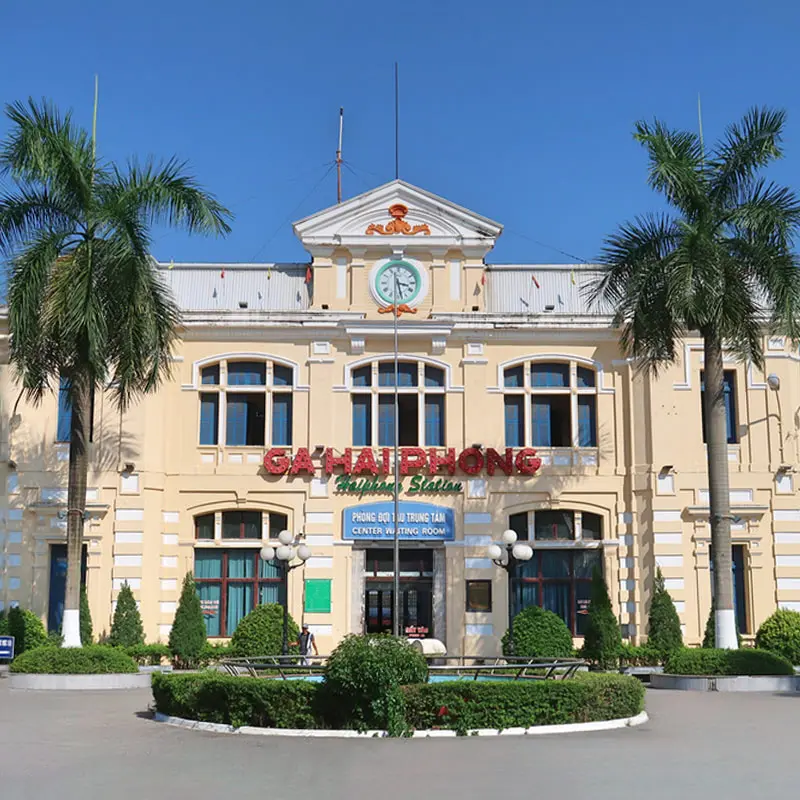
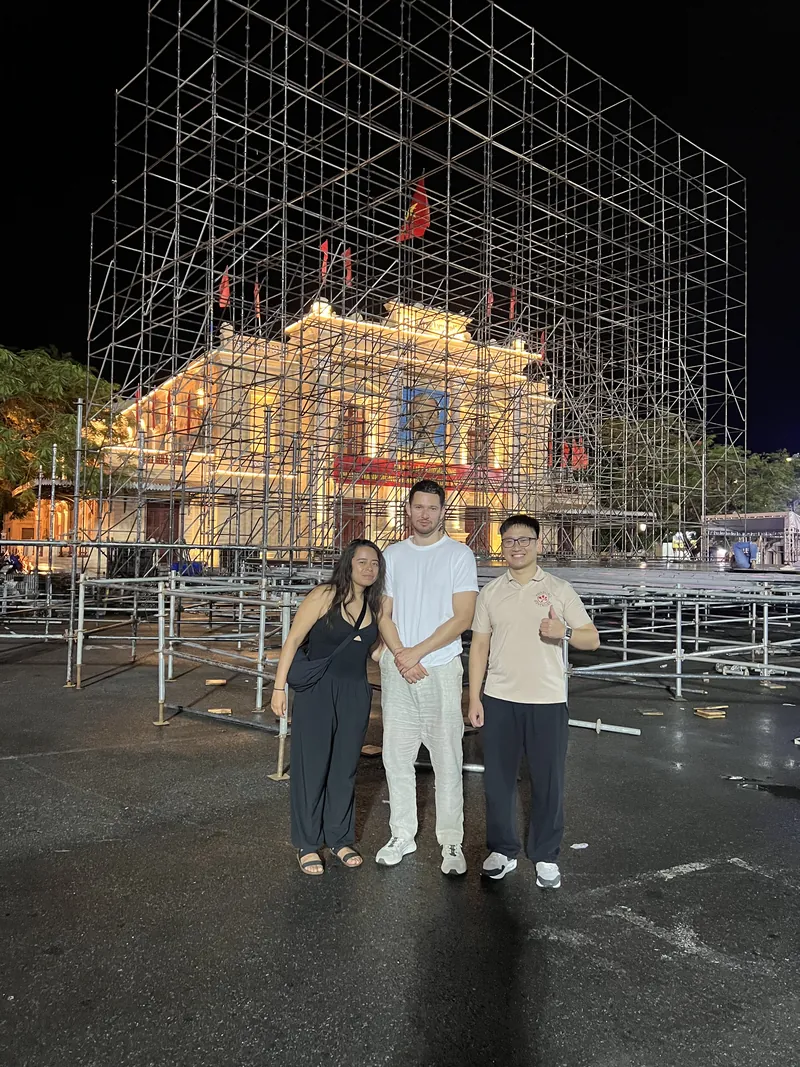
Much of the best browsing in Haiphong happens on foot in the central districts. Streets around the Opera House, the older market areas and the lakeside promenades are full of small shops, cafes and stalls. A relaxed walking loop might include a market in the morning, coffee on a sidewalk, and an evening stroll when the streets cool down and lights come on.
If you are choosing a hotel with shopping in mind, staying in the center means you can drop your bags between outings. Our guide to the best area to stay in Haiphong compares the main neighborhoods.
>>> Experiencing Haiphong Nightlife Like A Local
Seasonal Shopping and Tet Markets
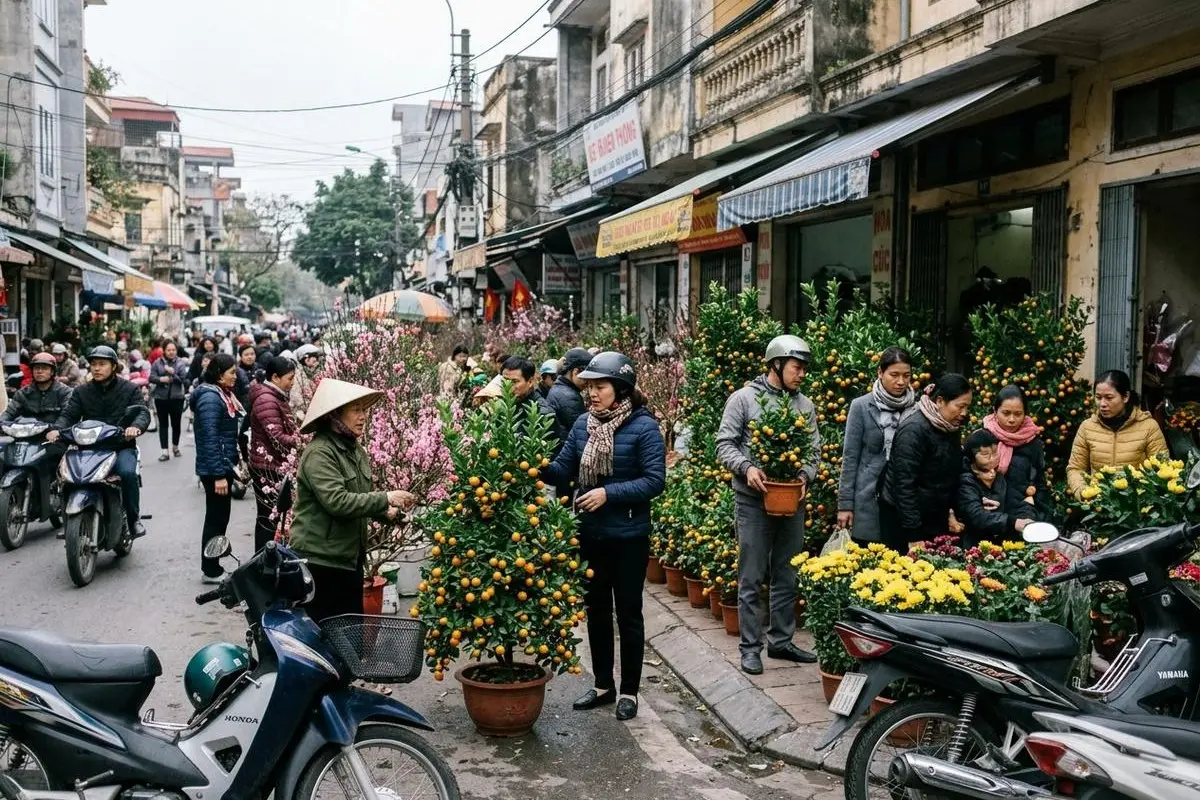
The weeks before Tet, the Lunar New Year, are the most colorful time to shop. Flower markets appear on sidewalks, selling peach blossoms, kumquat trees and decorations, and shops stock special gift baskets and sweets. It is a wonderful time to see the city, but streets are busy and some prices rise.
During the main Tet holiday itself, many family-run shops and market stalls close for several days, while malls and supermarkets may keep shorter hours. If your trip falls around Tet, do your shopping before the holiday begins. Our Haiphong festivals calendar shows what happens when.
Packing and Taking Purchases Home
A few practical steps will save you trouble at the airport:
- Liquids: fish sauce and other liquids must go in checked luggage, well sealed and wrapped in plastic bags. Some airlines have specific rules for strong-smelling foods, so check before you fly.
- Dried food: choose vacuum-sealed packs, which travel better and are easier to show at customs.
- Customs rules: many countries restrict meat, seafood or plant products. Check the import rules of your home country before buying food gifts.
- Fragile items: ask the seller to wrap ceramics or lacquer carefully, or pack them between clothes.
- Weight: dried goods are light, but bottles and ceramics add up quickly. Leave space in your bag.
If you plan a big shopping day near the end of your trip, schedule it before your last night so you have time to repack calmly.
A Half Day Shopping Plan
Want a simple route? Here is a half day plan that mixes markets, food and a little air conditioning:
- Early morning: breakfast of banh da cua, then a walk through a neighborhood wet market.
- Mid morning: browse Cho Sat for clothes, fabric and small goods.
- Late morning: sidewalk coffee break and a stroll past the colonial streets near the Opera House.
- Lunch: local seafood or a simple rice meal.
- Afternoon: cool off in a mall and pick up sealed snacks and coffee at the supermarket.
Prefer an insider to show you around? A local guide can take you to the right stalls, explain what you are looking at and help with prices, which makes Haiphong tours with a market stop a favorite for first-time visitors.
Frequently Asked Questions
Is Haiphong good for shopping?
Yes, if you enjoy local markets, food specialties and everyday goods at local prices. It is not a luxury shopping destination, but it offers an authentic experience and a few modern malls for convenience.
What is the best souvenir from Haiphong?
Dried seafood, banh da noodles, local fish sauce and Vietnamese coffee are popular choices. Choose sealed packaging and check your home country’s import rules for food.
Can I bargain in Haiphong malls?
No. Prices in malls, supermarkets and shops with printed tags are fixed. Bargaining is expected mainly at traditional markets and some street stalls.
Do markets in Haiphong accept credit cards?
Most market stalls only accept cash or local QR transfers. Bring small notes for markets and use your card in malls and larger stores.
When is the best time of day to visit markets?
Morning is best for wet markets and food, when goods are freshest. Covered markets with clothes and household goods stay open longer, and evening walking areas come alive after dark.
Shop Haiphong Like a Local
Shopping in Haiphong is a window into the everyday rhythm of a Vietnamese port city: crowded markets, friendly sellers, good snacks and a few modern malls when you need a break. With some cash in small notes, a friendly bargaining style and a little packing know-how, you can bring home gifts that really taste of Haiphong. If you would like a local to show you the best markets and food stops, Haiphong Adventure offers guided city rides and food tours designed for international travelers. Browse our Haiphong tours or message us with your dates.
Contact Haiphong Adventure
- WhatsApp, Viber, WeChat: +84(0)934.555.001
- KakaoTalk, Line ID: haiphongadventure