Best Souvenirs to Buy in Haiphong: Gifts Worth Packing Home
The best souvenirs to buy in Haiphong are the ones locals actually give each other: dried squid and shrimp from the coast, a bottle of Cat Hai fish sauce, packs of red banh da noodles, good Vietnamese coffee and a few handmade crafts from the villages around the city. Haiphong is a working port, not a souvenir town, so the real treasures sit in markets, food shops and small family stores rather than in glossy gift shops. This guide lists what is worth packing, where to look, what to pay attention to and how to get it home safely.
We are Haiphong Adventure, a local team that guides international travelers around the city every week. On our Haiphong tours, guests often ask us the same question at the end of the day: ‘What should I bring home from here?’ These are the answers we give them.
What Makes a Good Souvenir from Haiphong
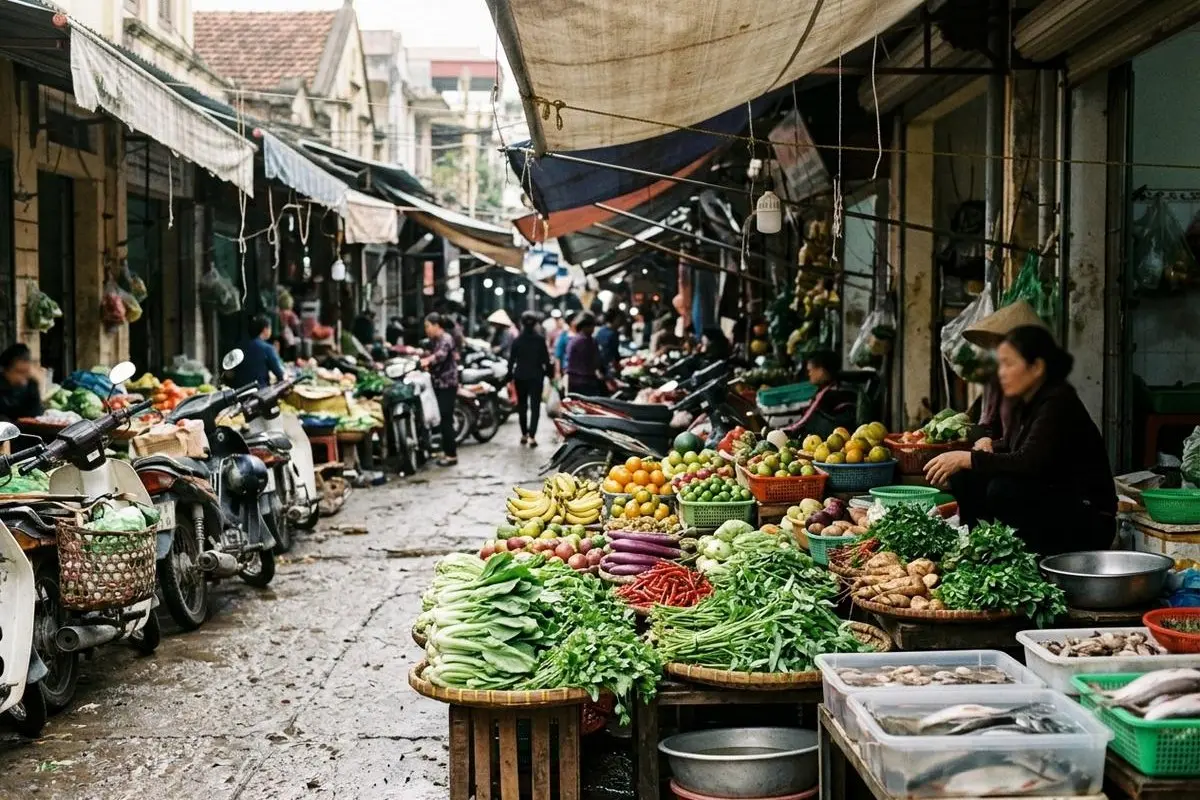
Before you start shopping, it helps to know what kind of gifts this city does well. Haiphong is famous inside Vietnam for its seafood, its noodle dishes and its strong local character. It is not famous for silk, pearls or mass-produced trinkets. That shapes what is worth buying.
- Edible gifts travel best. Dried seafood, sauces, noodles, coffee and tea are light, local and genuinely useful.
- Crafts come from the countryside. Wood carving, lacquer and woven goods are made in villages around Haiphong and across northern Vietnam.
- Practical buys are cheap. Clothes, bags and everyday items often cost less here than in Hanoi.
- Quality varies a lot. The same product can be excellent or poor depending on the shop, so a little local knowledge goes a long way.
A simple rule we share with guests: buy something you saw or tasted during your trip. A gift with a story, such as the coffee you drank on a sidewalk stool, will mean more than any keyring.
Dried Squid and Dried Shrimp
If you ask a Haiphong family what to bring as a gift, many will say dried squid. The city and the nearby islands have long fishing traditions, and dried seafood is the classic present that people from the coast carry to relatives in other provinces.
What to Look For
- Dried squid: good pieces are thick, evenly coloured and smell of the sea rather than ammonia. Locals grill them over charcoal and tear them into strips as a beer snack.
- Dried shrimp: bright orange-pink shrimp of even size are a sign of better quality. They are used in soups, salads and stir-fries.
- Dried fish: small dried fish and fish fillets are cheaper and popular with Vietnamese families, though some visitors find them too strong.
Tips Before You Buy
Prices depend on the size grade and season, so compare two or three stalls before deciding. Ask the seller to vacuum seal the bag if they can, because it keeps the smell in and the product fresh. For a gentle introduction to how seafood is priced in the city, read our guide to Haiphong seafood prices per kg.
Remember that some countries restrict animal products in luggage. Check the customs rules of your home country before you fill a suitcase with dried seafood.
Cat Hai Fish Sauce
Cat Hai is an island district of Haiphong, and its fish sauce has been well known in northern Vietnam for generations. It is made from fresh anchovies and salt, fermented slowly in large containers. For anyone who loves Vietnamese cooking, a bottle of real northern fish sauce is a meaningful gift.
- Choose bottles that are sealed at the factory, with a clear label and production date.
- Smaller bottles are easier to pack and less risky if something breaks.
- Wrap the bottle in a plastic bag, then in clothes, and put it in checked luggage, never in your cabin bag.
Fish sauce has a powerful smell if it leaks, and some airlines have their own rules about carrying it. Ask your airline before you travel, especially on domestic flights inside Vietnam.
Banh Da Noodles for Haiphong’s Signature Soup
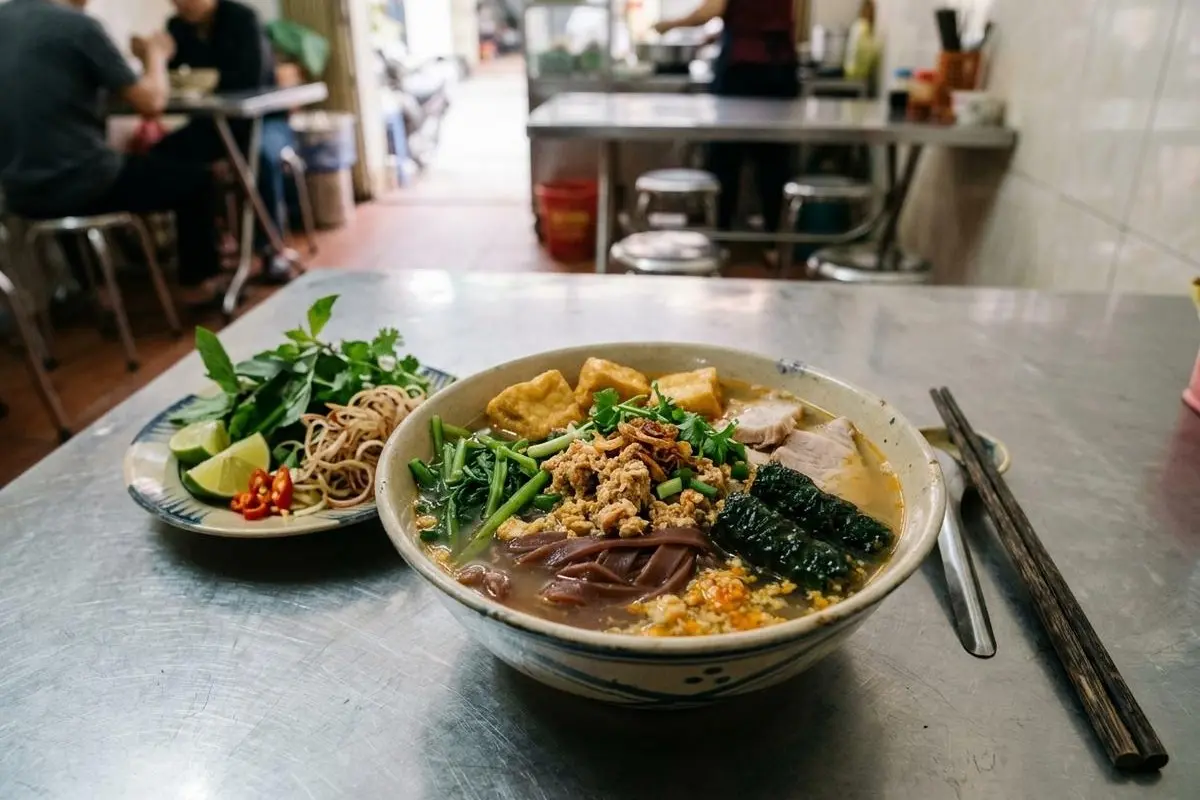
Banh da cua, the crab noodle soup, is the dish that defines Haiphong for most Vietnamese people. Its secret is the noodle itself: flat, chewy, reddish-brown rice noodles called banh da do. Dried packs are sold in markets and supermarkets and are easy to carry home.
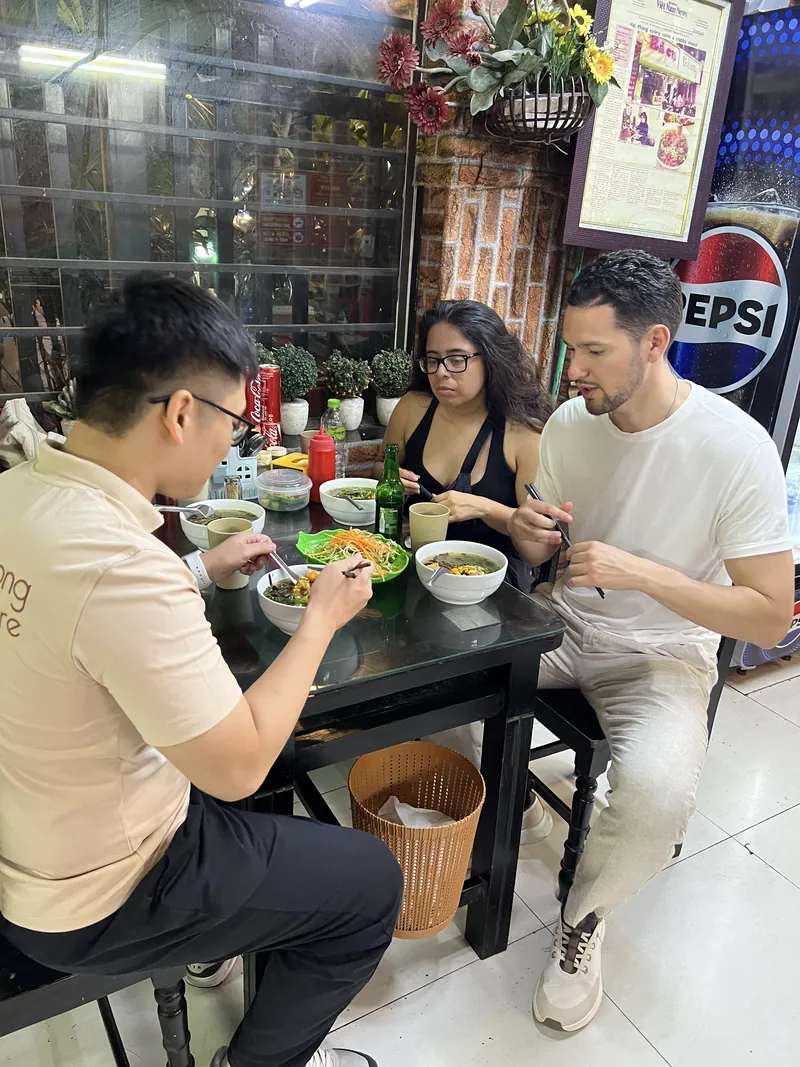
Pair the noodles with a short handwritten recipe from your guide or the shop owner and you have a gift that is cheap, light and full of local flavour. If you are not sure which dishes to try before you shop, our Haiphong local dishes list explains the names you will see on shelves and menus.
>>> What to Eat in Haiphong Local Dishes You Cannot Miss
Vietnamese Coffee and a Phin Filter
Coffee culture is everywhere in Haiphong, from tiny sidewalk stalls to old colonial houses turned into cafes. Coffee is one of the easiest and most popular gifts you can take home.
What to Buy
- Ground coffee or whole beans: Vietnam mainly grows robusta, which is strong and chocolatey. Many shops also sell arabica blends from the Central Highlands.
- A phin filter: the small aluminium or stainless steel drip filter used for Vietnamese coffee. It is cheap, light and almost unbreakable.
- Condensed milk: if you want to recreate ca phe sua da, buy a tin at a supermarket, but pack it in checked luggage.
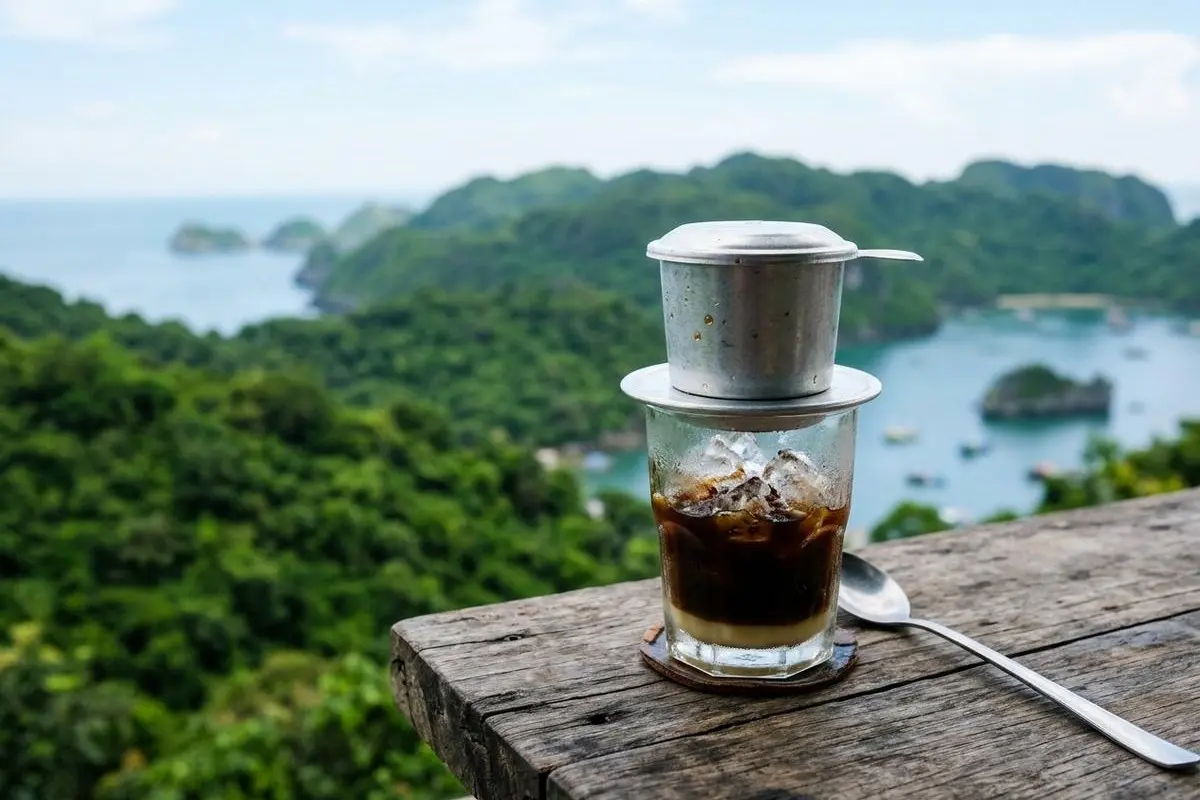
Buy from a shop that roasts its own beans if you can, and ask to smell before you pay. Freshly roasted coffee should smell rich and sweet, not flat or burnt.
Wood Carvings from Bao Ha Village
About an hour from the city center, in Vinh Bao district, Bao Ha village has a long tradition of wood carving and of making the wooden figures used in Vietnamese water puppetry. Small carved statues, figures and decorative pieces make beautiful, personal souvenirs.
- Small pieces are easier to carry and less likely to break.
- Ask what wood is used and whether the piece is finished with lacquer or paint.
- Wrap carvings in soft clothes and keep them away from heavy items in your bag.

Visiting a craft village is a lovely half day out from the city, and you can watch artisans at work before you buy. Opening hours and workshops vary, so go with someone who knows the village or confirm plans ahead.
Recommended tour
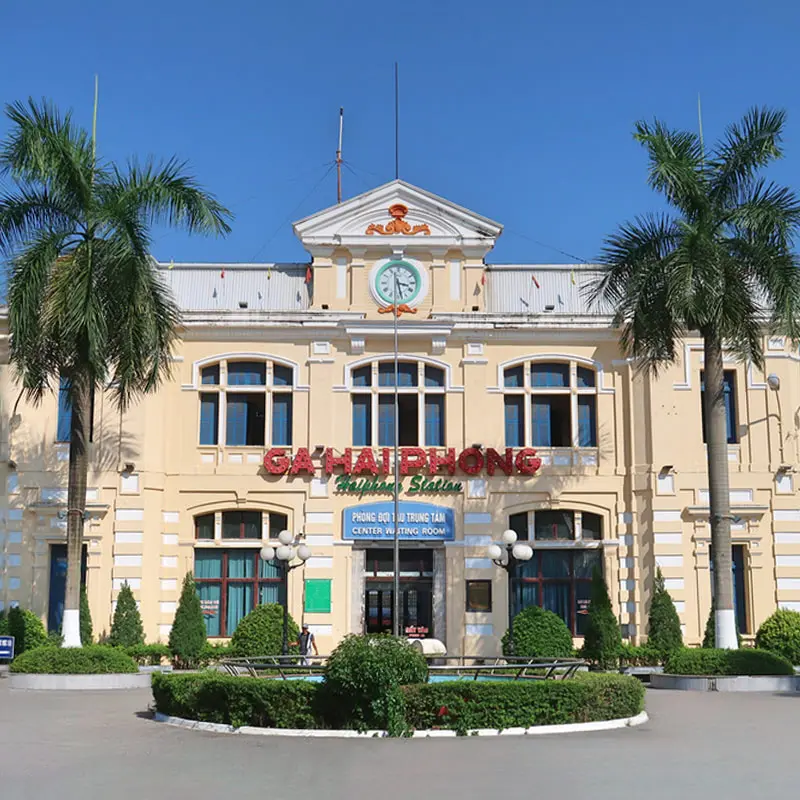
Shop with a local guide who knows the markets, coffee shops and food stores, and can help you translate, taste and compare before you buy.
From $79 per person
Lacquerware, Ceramics and Woven Crafts
Northern Vietnam has a long tradition of lacquer painting, glazed ceramics and woven rattan, bamboo and sedge goods. In Haiphong you will find them in souvenir and home decor shops rather than in huge craft markets, so the choice is smaller but the prices are often fair.
| Craft | Good gift ideas | Packing tip |
|---|---|---|
| Lacquerware | Small boxes, coasters, trays, chopsticks | Light and sturdy, wrap to avoid scratches |
| Ceramics | Tea cups, small bowls, a simple teapot | Wrap each piece, carry in hand luggage |
| Rattan and bamboo | Coasters, trays, small baskets, place mats | Very light, can be squashed, pack on top |
| Embroidery | Pouches, cushion covers, small wall pieces | Flat and easy to fit in any bag |
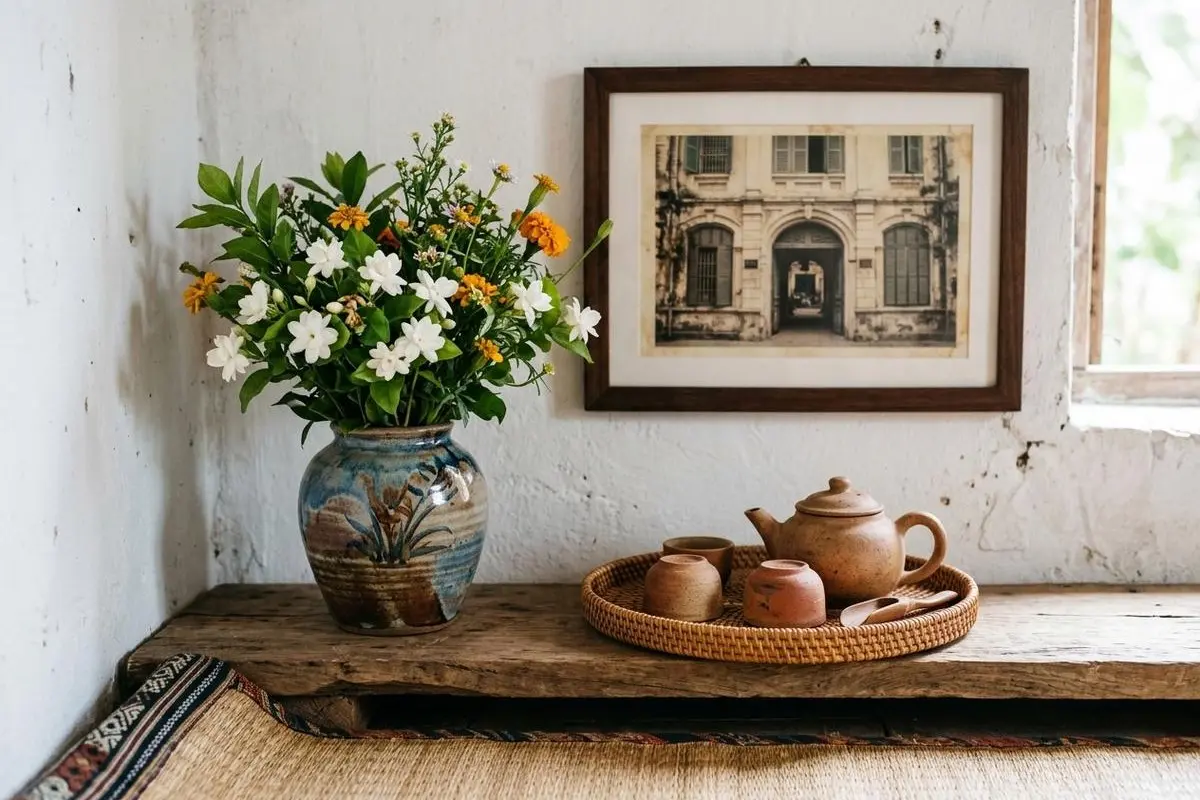
Check the finish carefully. Good lacquer is smooth with no bubbles, and good ceramics sit flat with an even glaze. If a shop sells the same piece in many colours, it is usually factory made, which is fine for a cheap gift but not a true handicraft.
Tea and Local Snacks
Green tea is part of daily life in Haiphong. You will see small cups of hot or iced tea offered at almost every street stall. Loose green tea from the northern hills, often sold in simple packs at markets, is an easy gift for tea lovers.
Snacks are another fun choice. Supermarkets sell sealed Vietnamese sweets, dried fruits, roasted nuts and rice crackers that are safe to pack. Fresh local treats such as banh mi que, the thin spicy baguette sticks of Haiphong, are best eaten on the spot rather than carried home.
>>> Haiphong Desserts and Che to Try on a Sweet Food Tour
Clothing, Ao Dai and Everyday Finds
For practical shopping, Haiphong is a good place to pick up casual clothes, light scarves, sandals and bags at local prices. Some travelers also order a simple ao dai, the Vietnamese long dress, from a tailor. Allow several days for fitting and ask for a clear finish date before paying a deposit.
Cho Sat is one of the best known central markets for this kind of shopping. Our guide on what to buy at Cho Sat Market explains what each area sells and how to move around inside.
Where to Buy Souvenirs in Haiphong
Different gifts come from different places. Use this quick overview to plan your shopping time.
| Where | Best for | Price style |
|---|---|---|
| Traditional markets | Dried seafood, noodles, tea, clothes | Bargaining is normal |
| Food and specialty shops | Fish sauce, sealed dried seafood, coffee | Usually fixed prices |
| Supermarkets and malls | Packed snacks, coffee, condensed milk | Fixed prices, cards accepted |
| Coffee roasters and cafes | Fresh beans, phin filters | Fixed prices |
| Craft villages and decor shops | Wood carvings, lacquer, ceramics | Some room to negotiate |
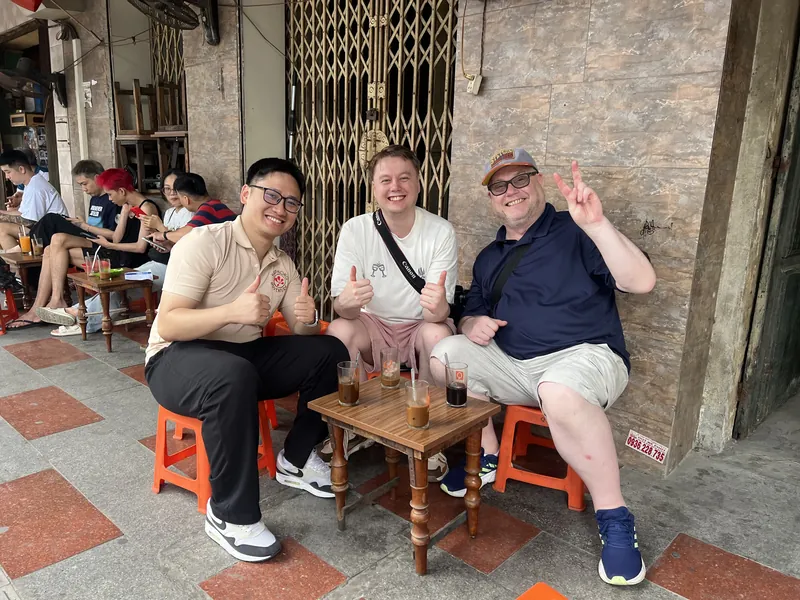
If you are short on time, the evening market area is a relaxed place to browse after dinner. See our Haiphong night market guide for what to expect there.
How to Bargain and Pay
Bargaining is part of the experience in traditional markets, but not in supermarkets, malls or shops with printed price tags. Keep it friendly and light.
- Ask the price first, then offer a little lower and meet in the middle.
- Smile, stay patient and be ready to walk away politely.
- Buying several items from one stall usually gets a better price.
- Carry small Vietnamese dong notes, as many market sellers do not take cards.
- Check change and count notes carefully, since several notes look similar.
Prices in this guide are not listed on purpose, because they change with size, season and shop. Treat any number you hear as a reference only (updated November 2026) and compare before you buy.
>>> Exploring Cho Sat Market History And Trade Life
Packing Your Haiphong Souvenirs
A little care at the end of your trip saves a lot of trouble at the airport.
- Liquids: fish sauce, condensed milk and any bottles go in checked luggage, double bagged.
- Smelly foods: vacuum seal dried seafood and keep it in a separate bag.
- Fragile items: wrap ceramics and carvings in clothes and carry the most delicate pieces by hand.
- Customs: many countries limit meat, seafood, plant and wood products, so declare food when asked and check the rules before you fly.
- Receipts: keep them for anything valuable, in case you are asked about it.
Frequently Asked Questions
What is the most famous souvenir from Haiphong?
Dried squid is the gift most Vietnamese people link with Haiphong, followed by Cat Hai fish sauce and banh da noodles for making crab noodle soup.
Can I take fish sauce on a plane?
Only in checked luggage, sealed and well wrapped, and only if your airline allows it. Rules differ between airlines, so ask before you fly.
Where can I buy souvenirs with fixed prices?
Supermarkets, malls, coffee shops and specialty food stores usually have fixed prices and printed tags, which is easier if you do not want to bargain.
Are souvenirs cheaper in Haiphong than in Hanoi?
Everyday goods and food products are often a little cheaper in Haiphong, while Hanoi has a bigger range of handicraft and silk shops aimed at tourists.
Is it worth visiting a craft village to buy souvenirs?
Yes, if you have half a day. You see how pieces are made, meet the artisans and buy directly from them, which makes the gift far more personal.
Shop for Haiphong Souvenirs With a Local
The best souvenirs to buy in Haiphong are simple, local and full of flavour: dried seafood, fish sauce, red banh da noodles, coffee and a few handmade crafts. With a local guide from Haiphong Adventure, you can taste before you buy, find honest shops and avoid the tourist mark-ups. Browse our Haiphong tours and tell us what you would like to bring home, and we will plan the stops for you.
Contact Haiphong Adventure
- WhatsApp, Viber, WeChat: +84(0)934.555.001
- KakaoTalk, Line ID: haiphongadventure