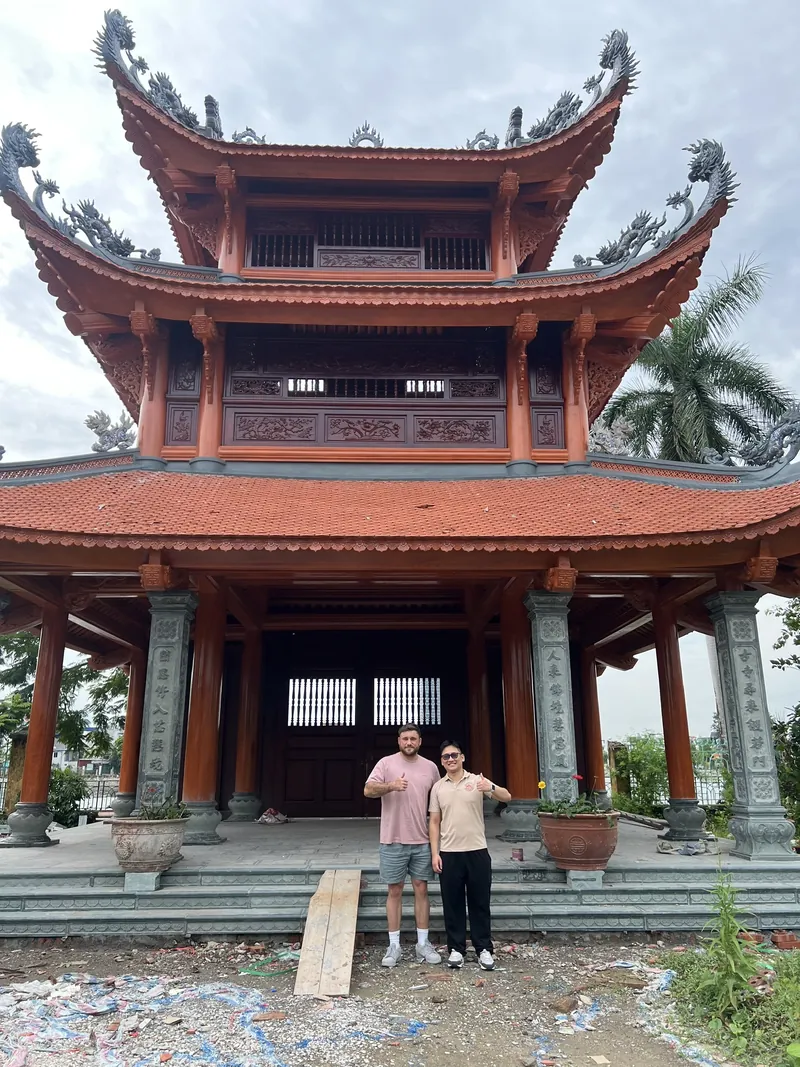
Hiking Elephant Mountain Haiphong Trail Guide
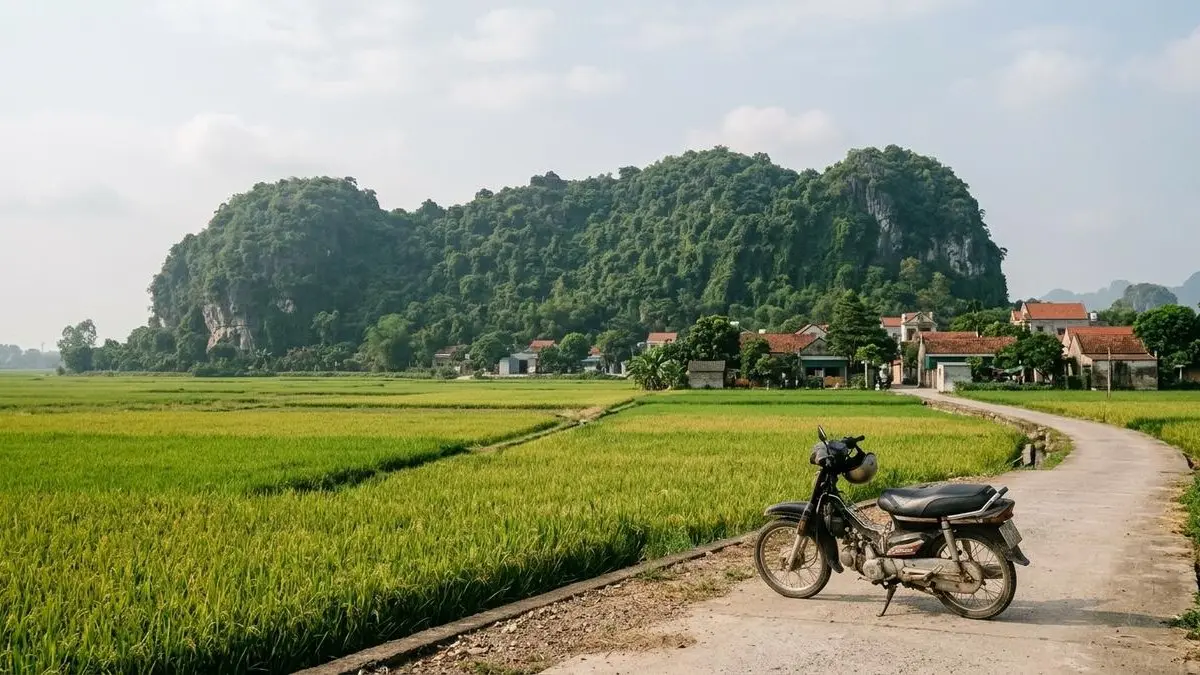
Elephant Mountain Haiphong, known locally as Nui Voi, is a long limestone hill rising out of the rice fields in the An Lao countryside, roughly 20 km southwest of the city centre. From some angles it looks like an elephant resting in the paddies, which is how it got its name. It is not a big, challenging peak, but it is a lovely half day escape with short rocky trails, small caves, temples, village life and wide views over the green plains.
This trail guide from the Haiphong Adventure team explains what to expect when hiking Elephant Mountain, how to get there, the best time to go, what to bring and how to stay safe. Trails here are informal and local conditions change, so treat distances and times as a rough guide and ask locals or your guide on the day (updated October 2026).
What Is Elephant Mountain Haiphong
Elephant Mountain is a cluster of low limestone hills that stretch for a couple of kilometres across the flat delta. Unlike the dramatic karsts of Lan Ha Bay, it feels quiet and rural. Farmers work the fields at its foot, buffalo graze nearby and small paths lead up into the rocks.
The area is also important for history. Archaeologists have found ancient tools, bronze objects and pottery around the mountain, linked to early communities who lived in the Red River Delta thousands of years ago. Today the site is protected as a historical relic, with small temples and a pagoda where local people come to pray.
- Landscape: limestone hills, shrubs, small caves and rice fields all around.
- Culture: temples, a village pagoda and local legends about the elephant shape.
- History: an important archaeological area of ancient Haiphong.
- Atmosphere: few foreign visitors, slow village life and fresh air.
If you love places that most visitors miss, our list of unusual things to do in Haiphong has more ideas like this.
How To Get To Elephant Mountain From Haiphong
Elephant Mountain sits in the countryside southwest of the city. The ride takes you past suburbs, markets and then open fields. Travel time depends on traffic and your exact starting point, but many visitors reach the foot of the hills in around 40 to 60 minutes.
| Option | Best for | Notes |
|---|---|---|
| Guided motorbike tour | Most travellers | A local guide finds the right paths, explains the history and handles the traffic |
| Self-ride motorbike | Experienced riders with a valid licence | Village roads are narrow and signs are mostly in Vietnamese |
| Grab car or taxi | Families or rainy days | Arrange the return trip in advance, as rural pickups can be slow |
| Bicycle | Fit cyclists | Possible, but main roads out of the city are busy |
If you plan to ride yourself, read our Haiphong motorbike safety tips first, and make sure your travel insurance covers motorbike riding.

Elephant Mountain Trail Overview
There is no single official hiking route on Elephant Mountain. Instead, a few short footpaths lead from the villages and temples up into the rocks. Most visitors combine a short climb with a walk around the foot of the hills.
| Section | What you see | Difficulty |
|---|---|---|
| Village approach | Rice fields, houses, gardens, buffalo | Easy, flat |
| Temple and pagoda area | Shrines, incense, old trees, stone steps | Easy |
| Short rocky climb | Limestone outcrops, shrubs, views over the plain | Moderate, uneven and steep in places |
| Cave entrances | Small natural caves at the foot of the rocks | Easy to moderate, often dark and slippery |
A relaxed visit with the climb, temples and a slow walk around usually takes two to three hours on site. Add time for the ride and a local lunch, and it makes a comfortable half day.
>>> The Ultimate Guide to Haiphong Motorbike Tour Routes for Scenic Views
Hiking Elephant Mountain Step By Step
Start in the village
Leave your motorbike or car near the temple area or a village house, asking permission if needed. Walk through the lanes and fields first. This is a great time for photos of farmers, ducks and the hills reflected in the paddies.
Visit the temples and pagoda
At the foot of the mountain you will find small places of worship. Step in quietly, dress modestly and follow local customs. If there is an elderly caretaker, a small donation is a kind way to say thank you.
Climb the rocky path
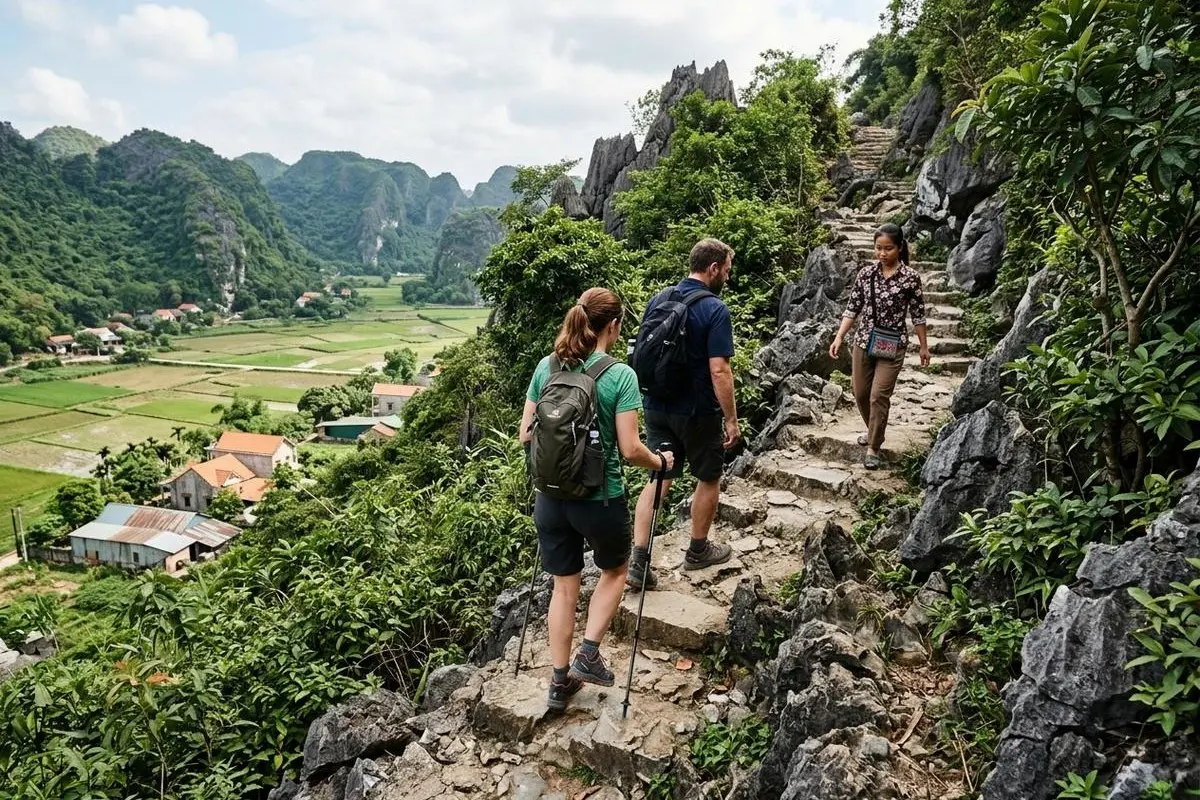
From near the temples, footpaths climb into the limestone. Some parts have rough stone steps, while others are simply rock and dirt. Go slowly and use your hands where needed. The views open up quickly, so you do not need to go far to enjoy the scenery.
Enjoy the viewpoints
From the higher rocks you can look across a patchwork of rice fields, villages, fish ponds and roads. On clear days the view stretches far across the delta. Early morning and late afternoon light make the fields glow.
Peek into the caves
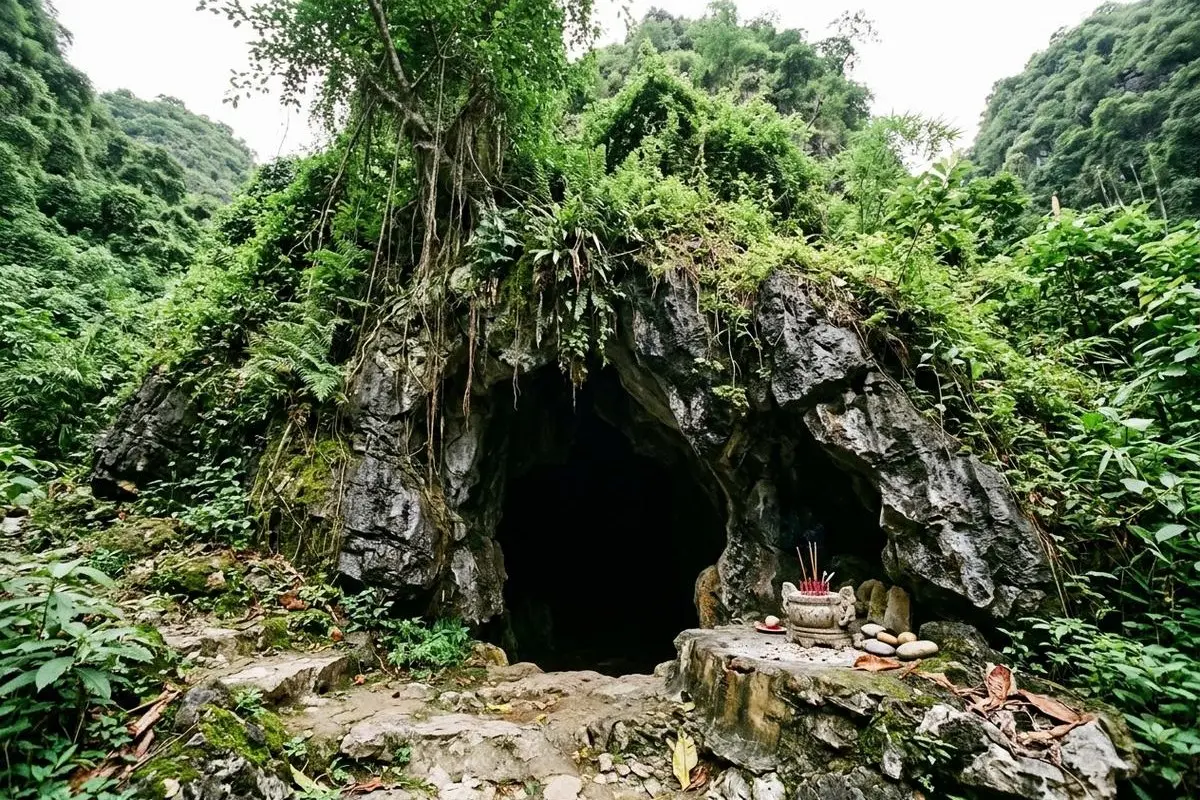
Several small caves sit at the foot of the rocks. Some contain small shrines. Look in from the entrance with a torch, but do not go deep inside without a local guide, as floors can be uneven and slippery.
Best Time To Hike Elephant Mountain
| Season | Weather | Hiking notes |
|---|---|---|
| Spring (February to April) | Mild, often misty or drizzly | Green fields, but rocks can be slippery |
| Summer (May to August) | Hot, humid, storms possible | Start very early, carry plenty of water |
| Autumn (September to November) | Warm, often clearer skies | Usually the most pleasant, golden rice before harvest |
| Winter (December to January) | Cool and grey | Comfortable for walking, bring a light jacket |
Whatever the season, early morning is the best time. The air is cooler, the light is soft and village life is at its busiest. Avoid the climb during or right after heavy rain.
Recommended tour
Haiphong Countryside & Coastal Landmarks
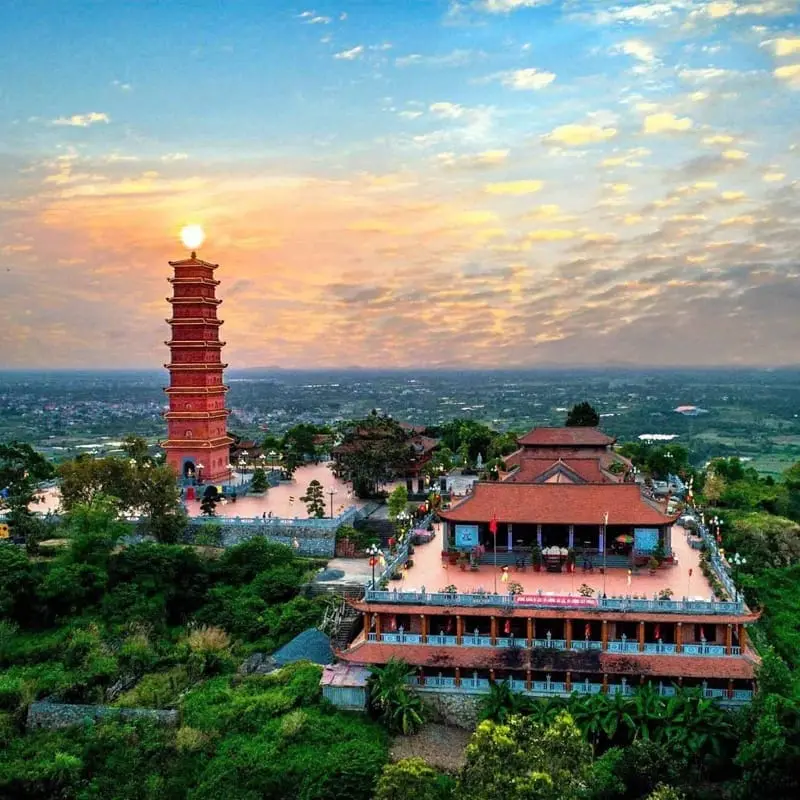
Love rice fields, old pagodas and quiet hills? Ride with a local guide through the Haiphong countryside and coastal landmarks, with stories and stops along the way.
From $79 per person
What To Bring For The Hike
- Shoes with good grip. Trainers or light hiking shoes, not flip-flops.
- Water. At least one litre per person, more in summer. Village shops are small.
- Sun protection. Hat, sunglasses and sunscreen, as the rocks have little shade.
- Long, light trousers. Useful against scratches from shrubs and for temple visits.
- Insect repellent. Especially near fields and caves.
- A small torch. For looking into cave entrances.
- Small cash. For drinks, parking and temple donations.
- Rain jacket. Weather can change, especially in spring and summer.

Safety Tips On Elephant Mountain
- Stay on visible paths. Limestone can be sharp and loose, and some edges drop steeply.
- Do not climb wet rock. After rain, enjoy the temples and fields instead.
- Hike with someone. Phone signal is usually fine, but it is safer not to go alone.
- Watch your step in caves. Floors are uneven and dark. Do not enter deep sections alone.
- Respect wildlife. You may see snakes or insects in the bushes. Leave them alone.
- Mind the heat. Rest in the shade and drink water before you feel thirsty.
- Tell someone your plan. Let your hotel or guide know where you are going.
>>> Free Things To Do In Haiphong For Budget Travel
Respecting Local Culture
Elephant Mountain is a living place, not a theme park. Local families farm the land, worship at the temples and care for the relic area.
- Dress modestly near temples and the pagoda, covering shoulders and knees.
- Ask before photographing people, especially the elderly.
- Do not walk through planted rice fields. Use the raised paths between them.
- Take all rubbish back with you.
- Do not move stones, touch altars or take anything from the caves.
A friendly smile and a simple xin chao (hello) go a long way. Many villagers are curious about foreign visitors and happy to chat with a guide translating.
Combine Elephant Mountain With Other Countryside Stops
Elephant Mountain fits nicely into a countryside loop. Popular combinations include:
- Village life. Stop at a local market, a family workshop or a home garden on the way.
- Pagodas and temples. Visit other old pagodas around the city, such as Du Hang Pagoda in the city centre.
- Local food. Finish with a bowl of banh da cua, Haiphong’s famous crab noodle soup.
- Coast. On a longer day, continue towards the Do Son peninsula.
For more inspiration, see our guide to exploring rural villages on a Haiphong motorbike tour, and our tips for a half-day Haiphong tour if you only have a few hours.
>>> My Haiphong Tours Itinerary For Weekend Getaway
A Sample Half Day Elephant Mountain Itinerary
- 07:00 Leave Haiphong city after a quick breakfast.
- 08:00 Arrive in the countryside, walk through the village and rice fields.
- 08:45 Visit the temples and pagoda at the foot of the mountain.
- 09:15 Climb the rocky path to a viewpoint, then look into a cave entrance.
- 10:30 Coffee or fresh coconut at a village shop.
- 11:30 Lunch on the way back, then rest in the city during the hottest hours.
Times are only a guide. Many guests on our haiphong tours prefer to slow down, stop for photos and chat with locals along the way.
Frequently Asked Questions About Elephant Mountain Haiphong
Where is Elephant Mountain in Haiphong?
It is in the An Lao countryside, roughly 20 km southwest of Haiphong city centre, surrounded by rice fields and villages.
How hard is the Elephant Mountain hike?
Easy to moderate. The paths are short, but some sections are steep, rocky and uneven. Good shoes are important.
How long does a visit take?
Plan two to three hours on site, or a half day including travel from the city.
Is there an entrance fee?
Visiting the area is usually free, but a small donation at temples is appreciated. Arrangements can change, so check locally.
Can I visit without a guide?
Yes, but paths are unmarked and signs are in Vietnamese. A local guide makes it easier to find the trails, temples and caves, and to understand their history.
Discover The Quiet Side Of Haiphong
Hiking Elephant Mountain Haiphong is a simple, rewarding way to see the countryside beyond the city: limestone rocks, small caves, temples, rice fields and friendly villages, all within an easy ride. Bring good shoes and water, go early and take your time.
If you would like a local guide to show you the trails and combine the mountain with village life and good food, the Haiphong Adventure team is happy to help.
WhatsApp, Viber, WeChat: +84(0)934.555.001
KakaoTalk, Line ID: haiphongadventure