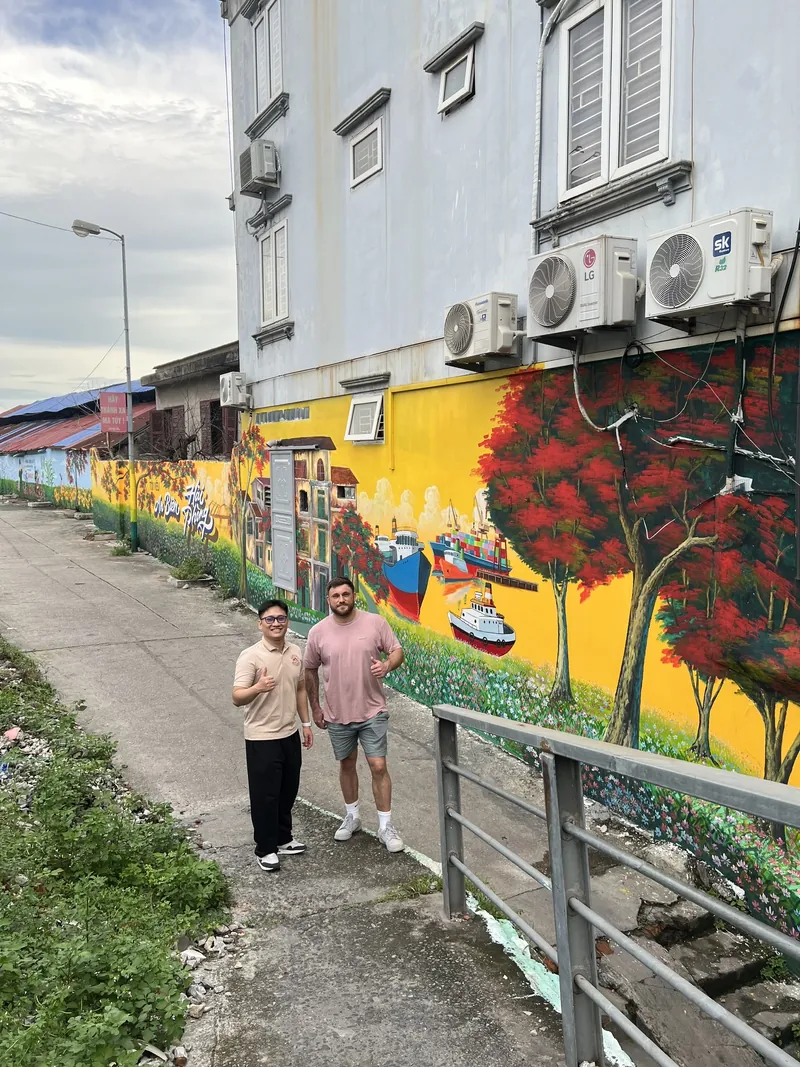
Etiquette When Visiting Du Hang Pagoda Haiphong
Visiting Du Hang Pagoda is one of the most rewarding cultural experiences in Haiphong, and a little etiquette goes a long way. This ancient Buddhist pagoda is an active place of worship, so locals come to pray, make offerings and find calm. When you dress and behave respectfully, you are warmly welcomed, and you will feel much more relaxed too.
This practical guide from the Haiphong Adventure team covers everything first-time visitors ask about: what to wear, when to take off your shoes, how to light incense, photography rules, how to greet monks and what changes on festival days. Customs can vary slightly between pagodas, so when in doubt, watch what locals do and follow their lead (updated October 2026).
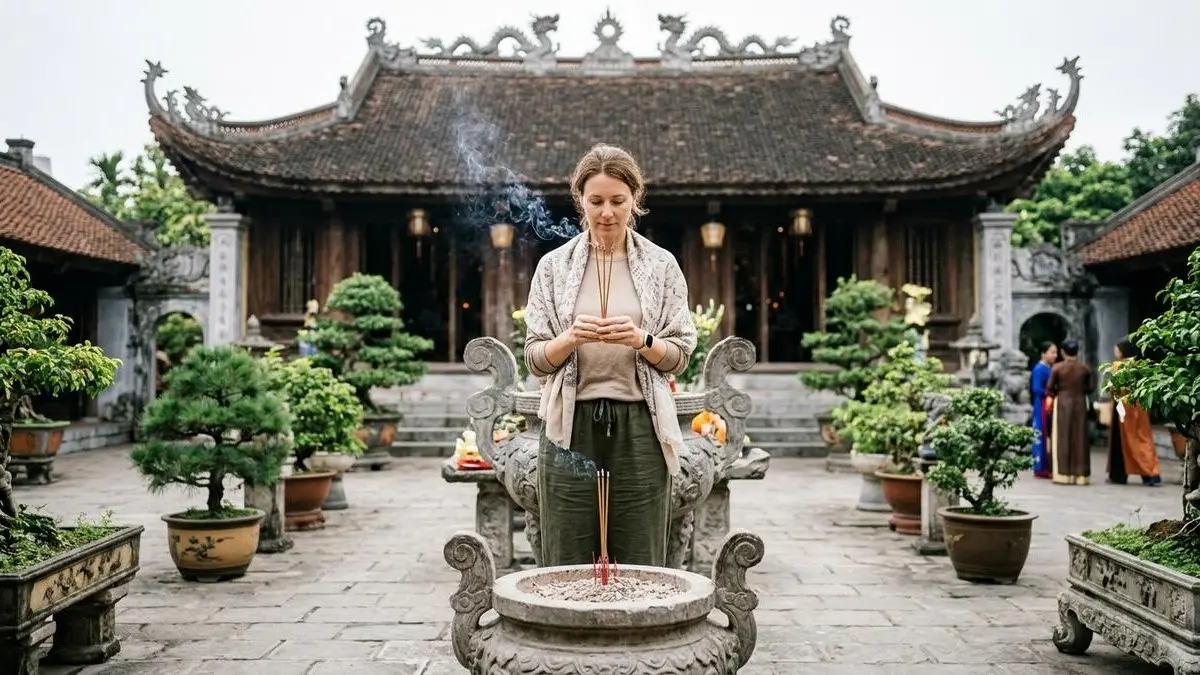
Why Etiquette Matters At Du Hang Pagoda
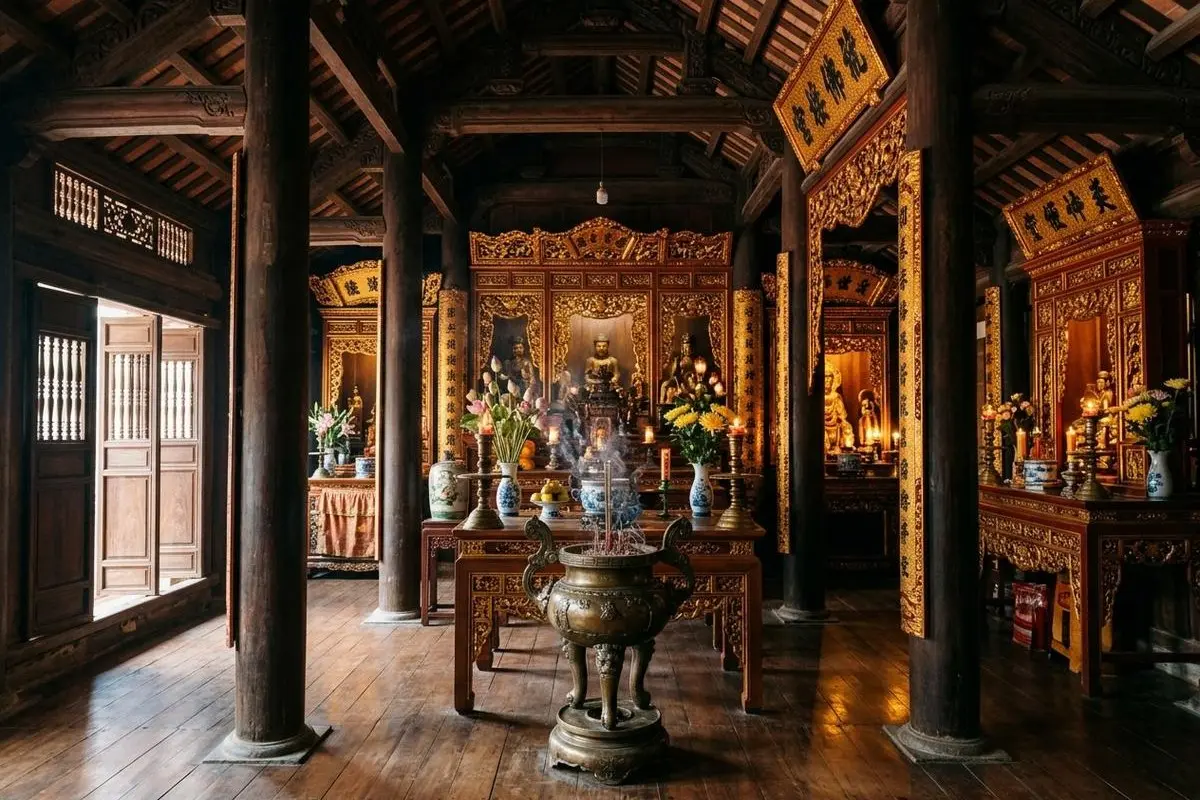
Du Hang Pagoda is not a museum or a theme park. Monks and nuns live and practise here, and many local families have prayed at this pagoda for generations. Respectful behaviour protects that atmosphere and shows appreciation for the people who care for it.
- It is a sacred space. Altars, statues and ritual objects are treated with deep reverence.
- Worshippers come for peace. Quiet behaviour helps everyone focus.
- Good manners open doors. Locals are far more likely to smile, explain customs or invite you to watch a ceremony when you show respect.
The good news: the rules are simple and easy to remember. If you are planning a full cultural day, our list of cultural things to do in Haiphong has more places where the same manners apply.
What To Wear
Modest clothing is the most important rule. You do not need special clothes, just cover up a little more than you would on the beach or in a cafe.
| Item | Recommended | Avoid |
|---|---|---|
| Tops | T-shirts or shirts with sleeves, or a scarf over the shoulders | Tank tops, crop tops, very low necklines |
| Bottoms | Long trousers, skirts or shorts that cover the knees | Very short shorts or skirts |
| Fabric | Light cotton or linen for hot days | See-through or very tight clothing |
| Shoes | Sandals or slip-ons that are easy to remove | Complicated laced boots |
| Hats | Fine outside for sun protection | Wearing hats inside the halls |
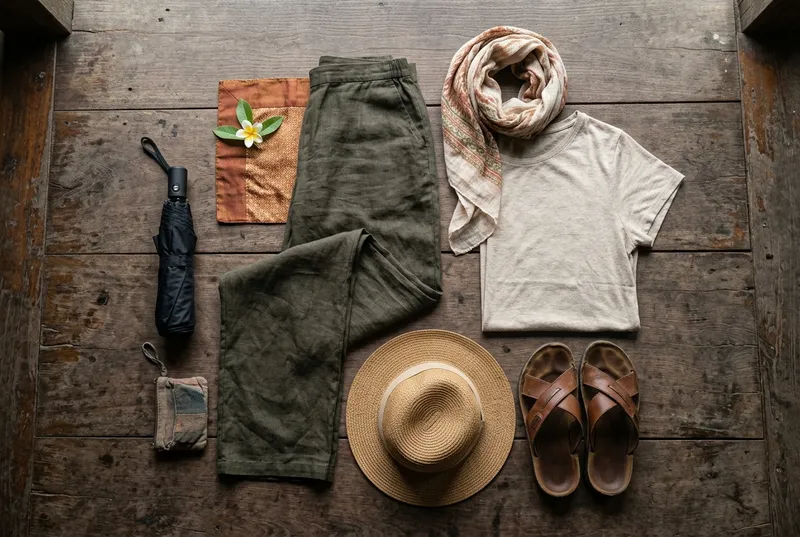
A light scarf or sarong in your day bag is the easiest solution. It protects you from the sun outside and covers shoulders or legs when you step into the halls.
Shoes, Hats And Entering The Halls
Entering the main halls of Du Hang Pagoda calls for a few small gestures.
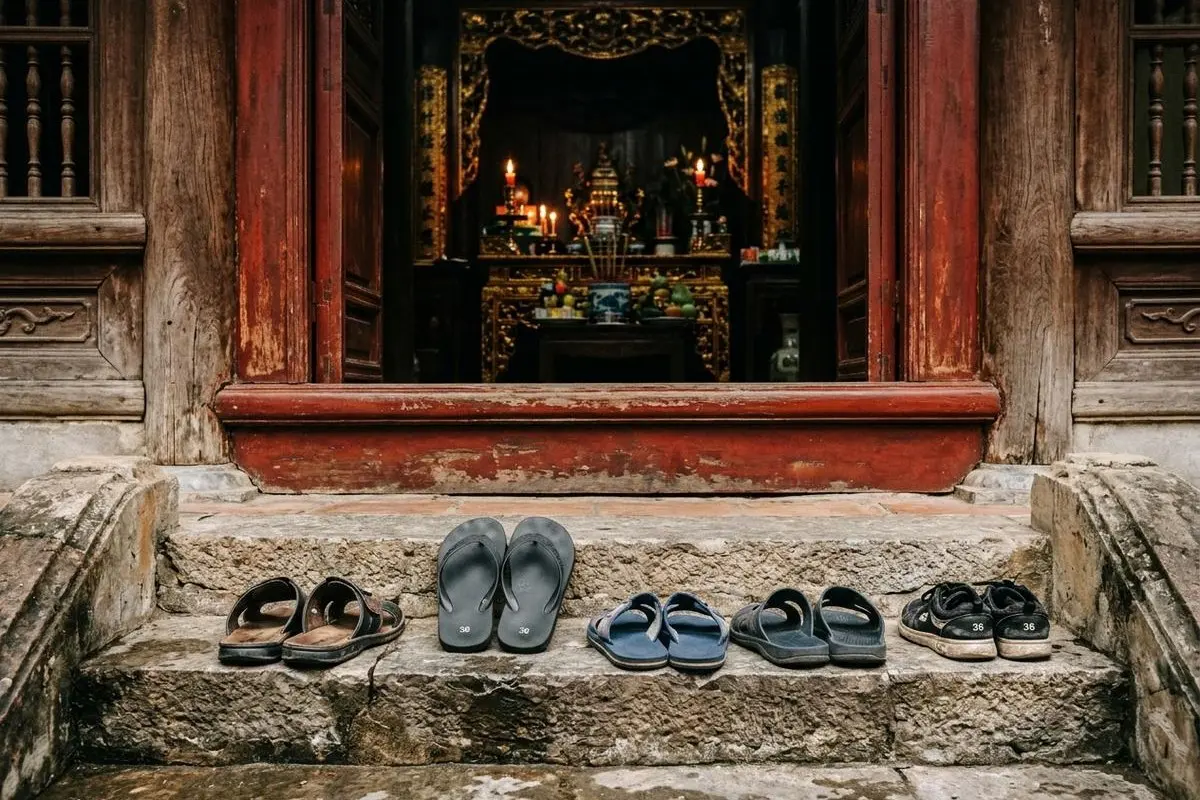
- Watch the doorway. If you see shoes lined up outside, remove yours and leave them neatly to the side.
- Remove your hat and sunglasses before stepping inside.
- Step over the threshold rather than standing on it. Raised wooden thresholds are traditional in Vietnamese temples.
- Enter quietly and pause at the back to let your eyes adjust to the low light.
- Keep to the sides if people are praying in front of the main altar.
>>> Free Things To Do In Haiphong For Budget Travel
How To Offer Incense Respectfully
Lighting incense is a lovely way to take part, whatever your beliefs. Many visitors do it as a gesture of respect or gratitude.
Step by step
- Buy or accept incense sticks at the pagoda. Small stalls nearby often sell them, and a donation is appreciated.
- Light the sticks from a candle or the lighter provided. If a flame appears, gently wave it out. Do not blow on incense.
- Hold the sticks with both hands at chest level, face the altar or burner and bow slightly.
- Make a silent wish, thanks or a moment of reflection.
- Place the sticks upright in the sand of the incense burner. Odd numbers, often one or three, are traditional.
Common mistakes
- Waving lit incense around while talking or taking photos.
- Placing sticks on altars instead of in the burner.
- Standing directly in front of someone who is praying.
Recommended tour
The Haiphong Street Food and City Tour
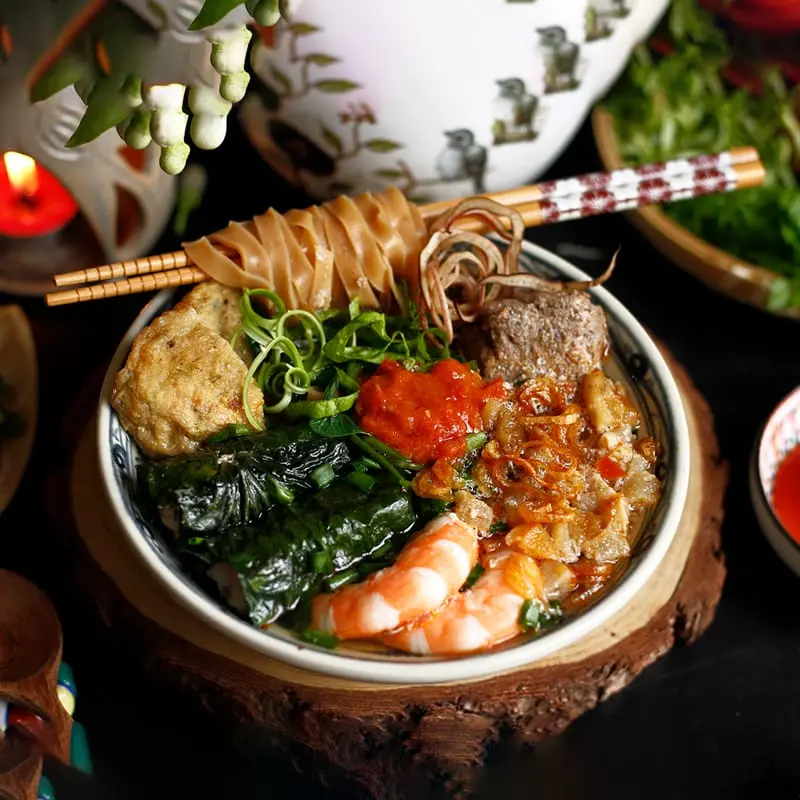
Explore Haiphong’s heritage and local customs with a friendly guide, then enjoy crab noodle soup, banh mi cay and coconut coffee.
From $85 per person
Offerings And Donations
You will see fruit, flowers, cakes and sometimes paper offerings on the altars. These are gifts from worshippers.
- Do not touch or take anything from the altars, even if it looks like food left out.
- Small donations go in the donation box. Any amount is welcome and nothing is required.
- If you bring an offering, simple fruit or flowers are appropriate. Hand it to a caretaker or place it where locals do.
- Avoid offering meat or alcohol at a Buddhist altar.
Visiting the pagoda costs nothing, which makes it a great stop on a budget. Our Haiphong budget guide has more tips for keeping travel costs low.
Photography Rules
Du Hang Pagoda is very photogenic, but cameras should never disturb worship.
| Situation | Usually fine | Please avoid |
|---|---|---|
| Gate and courtyards | Photos of architecture and gardens | Blocking paths for long photo shoots |
| Inside halls | Quiet photos without flash, if allowed | Flash, tripods, loud shutter sounds |
| People praying | Wide shots where people are not the focus | Close-ups without permission |
| Monks and nuns | Photos after asking politely | Surprise portraits |
| Selfies | Discreet selfies in courtyards | Posing with your back to the altar or making jokes near statues |
If a sign or staff member says no photos, simply put your camera away.
Talking To Monks And Locals
Monks, nuns and caretakers are often kind and curious about visitors. A few gestures help you start on the right foot.
- Greet with a small bow and hands pressed together at the chest.
- Use simple words. Xin chao means hello and cam on means thank you.
- Keep a respectful distance. Women traditionally avoid touching monks, including handshakes, so let them lead.
- Do not interrupt chanting or ceremonies to ask questions. Wait until they finish.
- Ask questions gently. Many caretakers are happy to share a story about the pagoda if you show interest.
>>> Half-Day Haiphong Tour: Best Things to See in 4 Hours
Body Language And Behaviour
Small details of body language matter in Vietnamese religious spaces.
- Do not point your feet at altars or statues when sitting. Tuck them to the side.
- Never climb on statues, stupas, steles or walls for photos.
- Avoid public displays of affection. Holding hands is fine, kissing is not.
- Phones on silent, and take calls outside the gate.
- No smoking, alcohol or snacks inside the pagoda grounds.
- Walk around, not across, prayer mats and cushions.
Visiting With Children
Children are welcome at Du Hang Pagoda, and many local families bring theirs. Prepare kids before you go: explain that it is a quiet place, like a library, and give them a small mission, such as spotting dragons on the roof or counting the stone stupas. Keep the visit short for younger children and step outside to the courtyard if they need to move. Our family trip guide has more ideas for travelling with kids in Haiphong.
Festival Day And Lunar Calendar Etiquette
On the 1st and 15th days of the lunar month, and during major Buddhist festivals such as Buddha’s birthday and Vu Lan, Du Hang Pagoda becomes much busier.
- Arrive early if you want space and calm.
- Let worshippers go first at altars and incense burners.
- Be patient in crowded courtyards and keep bags close.
- Dress a little more formally than usual, as many locals wear their best clothes.
- Watch ceremonies from the side and never walk between monks and the altar.
A local guide can tell you which days are special and help you understand what you are seeing. Many guests on our haiphong tours say these moments of shared culture were the highlight of their trip.
>>> Unusual Things To Do In Haiphong Off Beaten Path
Quick Etiquette Checklist
- Shoulders and knees covered
- Scarf in your bag
- Shoes off where others remove theirs
- Hat and sunglasses off inside
- Phone on silent
- Incense held with both hands, never blown out
- No flash, ask before photographing people
- Feet never pointed at altars
- Small donation if you wish
- Speak softly and smile
Frequently Asked Questions About Du Hang Pagoda Etiquette
Do I need to be Buddhist to visit Du Hang Pagoda?
No. Visitors of all backgrounds are welcome as long as they behave respectfully.
Can I wear shorts?
Shorts that cover the knees are usually fine. Very short shorts are not, so carry a scarf or sarong just in case.
Do I have to take my shoes off?
Usually only when entering certain halls. Follow the example of locals and look for shoes left at the door.
Is it rude not to light incense?
Not at all. Lighting incense is optional. Simply being quiet and respectful is enough.
Can I give money to monks directly?
It is better to use the donation box. If a monk offers a blessing or help, a polite thank you and a small bow are perfect.
Visit With Confidence And Respect
Good etiquette at Du Hang Pagoda comes down to three things: dress modestly, move quietly and follow the lead of local worshippers. Do that, and you will enjoy a calm, welcoming visit to one of Haiphong’s most treasured spiritual sites. If you would like a local guide to explain the customs or help planning your time in the city, the Haiphong Adventure team is happy to help.
WhatsApp, Viber, WeChat: +84(0)934.555.001
KakaoTalk, Line ID: haiphongadventure