Architecture Details Of Du Hang Pagoda Guide
Du Hang Pagoda is one of the finest examples of traditional northern Vietnamese temple architecture in Haiphong. Its gate, tiled roofs, carved wooden beams, statues and stone stupas tell a story of craftsmanship that has been repaired and renewed over many centuries. Knowing what to look for turns a short visit into a fascinating lesson in design and symbolism.
In this guide, the Haiphong Adventure team walks you through the main architectural details of Du Hang Pagoda, from the street gate to the quiet stupa garden. You do not need any background in architecture, just curiosity and a little time. The pagoda is an active place of worship and parts are sometimes under restoration, so what you see may vary slightly (updated October 2026).
Du Hang Pagoda Architecture At A Glance
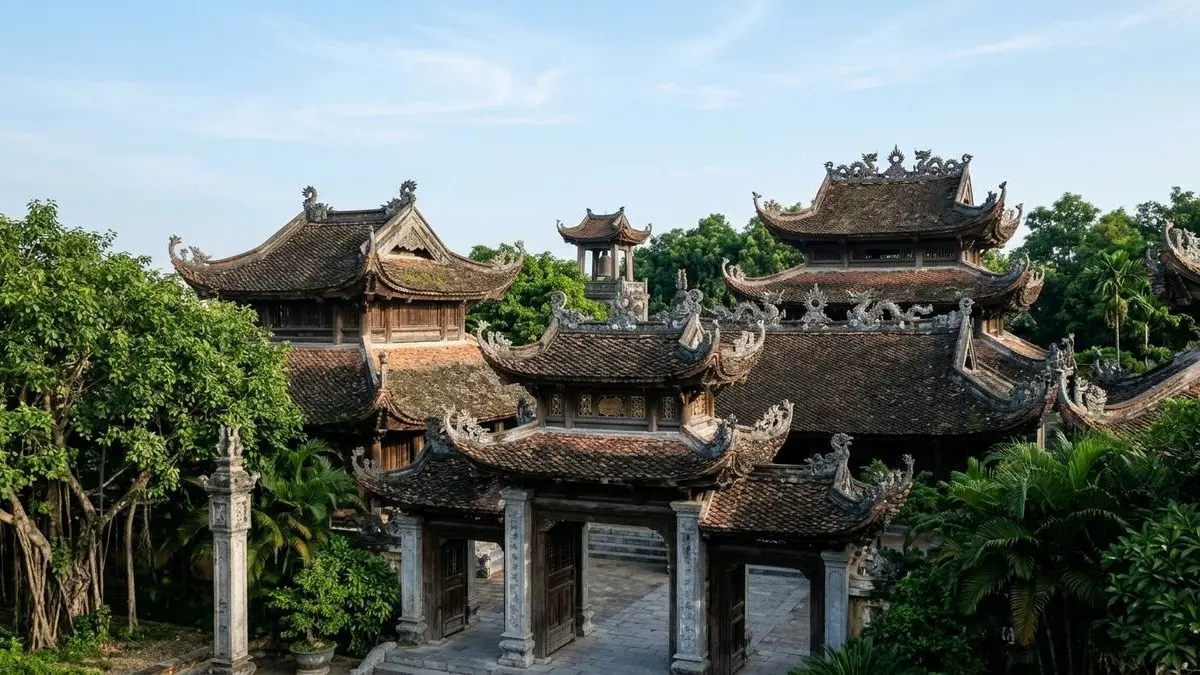
Local records trace Du Hang Pagoda back around a thousand years. Like most old pagodas in the Red River Delta, it has been rebuilt and restored several times, so today you see a blend of older elements and later repairs. The overall style follows the classic northern Vietnamese model: low, wide buildings with heavy tiled roofs, wooden frames and inward facing courtyards.
| Element | What to look for | Meaning |
|---|---|---|
| Three-entrance gate | Central and side doorways under curved roofs | Passage from the everyday world to a sacred space |
| Main halls | Front hall, incense hall and upper hall in a row | A path that leads visitors gradually toward the Buddha |
| Roofs | Dark clay tiles, upturned corners, ridge ornaments | Protection and harmony with nature |
| Wooden frame | Ironwood columns, carved beams and brackets | Strength, skill and devotion of local carpenters |
| Statues | Tiered altars with Buddhas and bodhisattvas | Buddhist teachings shown in visual form |
| Stupas and steles | Stone towers and inscribed slabs | Memory of monks and donors |
If you are building a heritage day in the city, our cultural insights from a Haiphong city tour pair well with this guide.
The Three-Entrance Gate
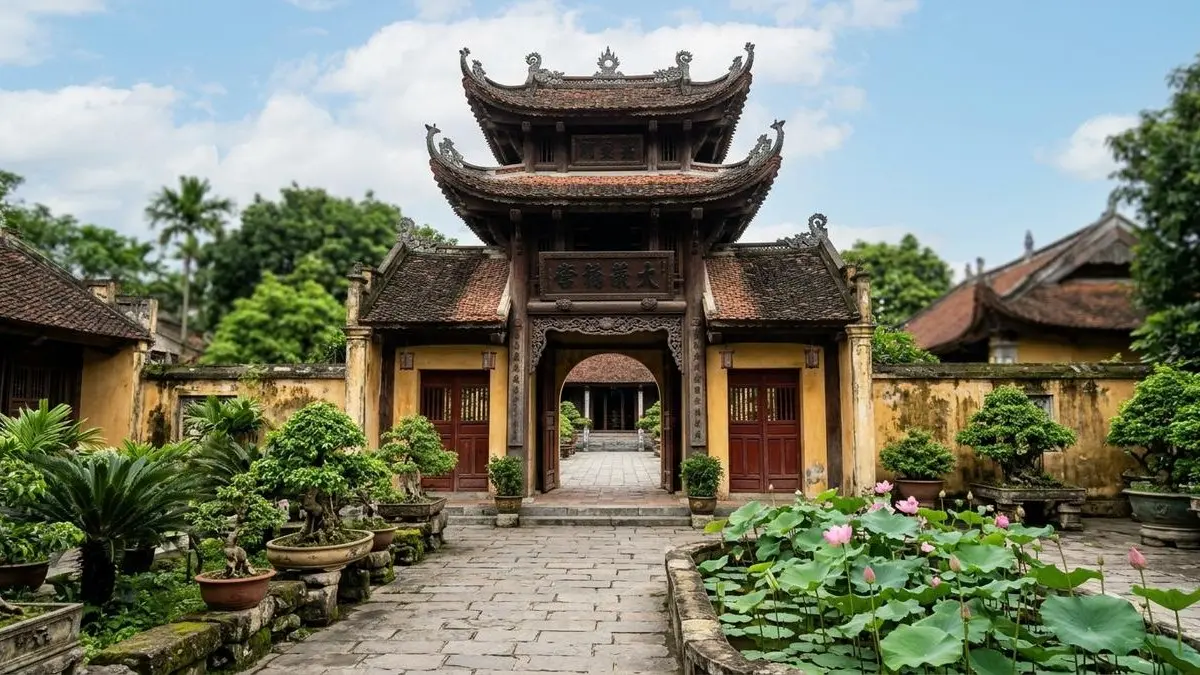
Your visit begins at the gate, known in Vietnamese as tam quan. It usually has a large central doorway flanked by two smaller ones, each under its own curved roof. The three openings are often linked to Buddhist ideas of emptiness, formlessness and freedom from desire, a reminder to leave worldly worries outside.
Look at the proportions: the gate is not tall or grand compared with European churches. Northern Vietnamese religious buildings tend to stay close to the ground, wide and welcoming rather than towering. Notice the roof tiles, the decorative ridge and any Chinese characters on the boards above the doors, which usually carry the pagoda name or a short blessing.
Courtyards And The Overall Layout
Beyond the gate, the pagoda opens into courtyards with bonsai trees, potted plants and an incense burner. Many classic northern pagodas arrange their main halls along a central axis, with corridors or side buildings enclosing the space. This creates a calm, inward looking world, hidden from the busy street.
Reading the axis
Stand in the courtyard facing the main hall and you will notice how everything lines up: the gate, the incense burner, the doorway and the central altar. Walking forward along this line is part of the experience, moving from bright open air into the dim, sacred interior.
Side buildings
Around the main halls you may find a patriarch hall honouring former abbots, a shrine to the Mother Goddess, which reflects the mix of Buddhism and local beliefs in Vietnam, and living quarters for the monastic community. Some areas may be private, so look for signs or ask before entering.
>>> Unusual Things To Do In Haiphong Off Beaten Path
Roofs, Tiles And Ridge Ornaments
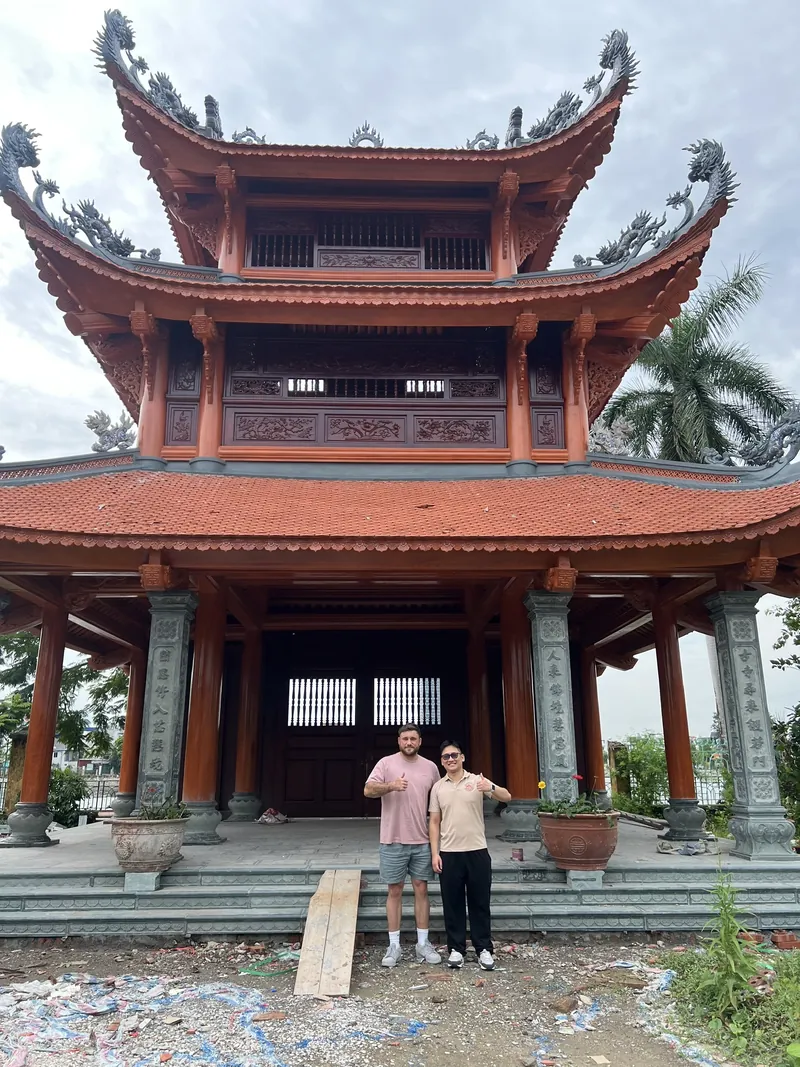
The roofs are among the most photogenic details of Du Hang Pagoda. Heavy clay tiles are laid in overlapping rows, and the corners sweep upward in elegant curves. This shape is a hallmark of traditional Vietnamese architecture and is often compared to the tip of a boat or the curl of a flame.
- Upturned corners lighten the visual weight of the massive roofs.
- Ridge ornaments such as dragons, phoenixes or a pearl at the centre symbolise protection and good fortune.
- Moss and patina on older tiles show the passing of time and the humid coastal climate.
For the best photos, step back to the edge of the courtyard in soft morning or late afternoon light, when the roof lines stand out against the sky.
Carved Wooden Frames And Beams
Inside, the true craftsmanship of Du Hang Pagoda appears. Traditional pagodas are built around a timber frame, often made of durable ironwood. Thick round columns stand on stone bases, which protect the wood from damp ground, and support a network of beams and brackets.
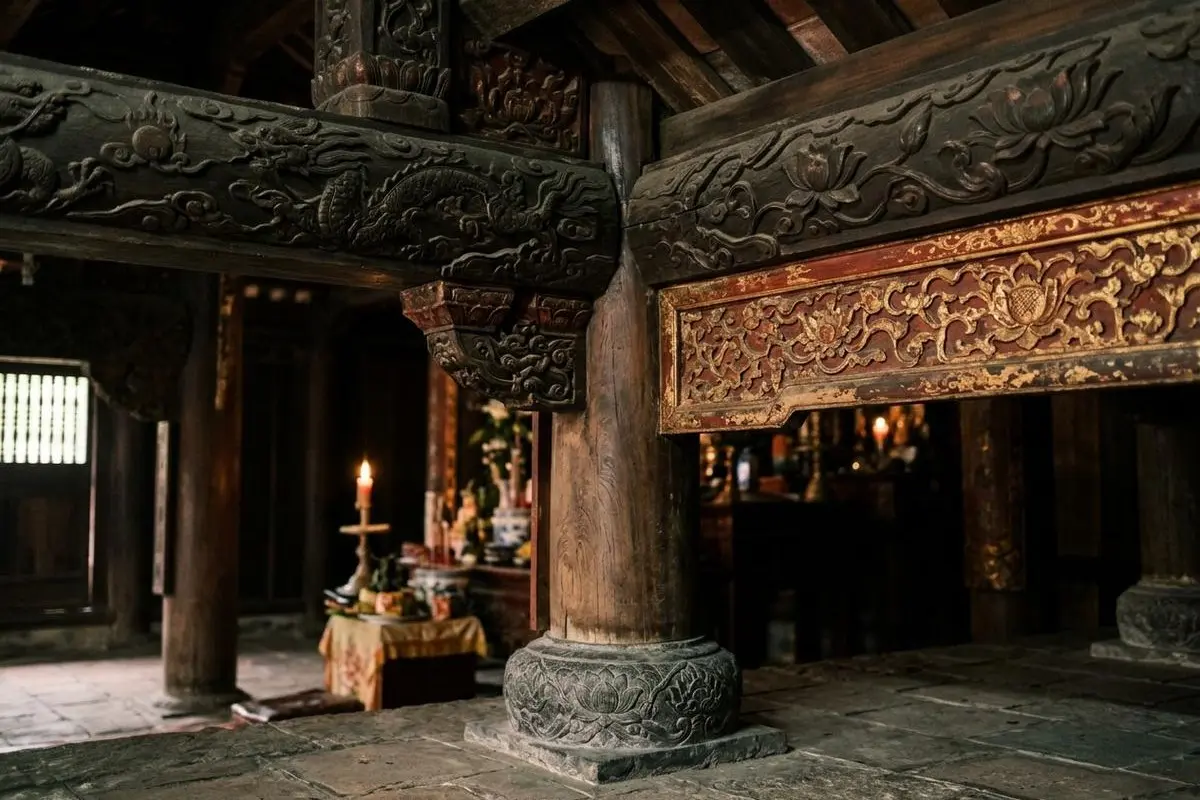
Motifs to spot
- Dragons: power, rain and protection, often curling along beams.
- Clouds and waves: the flow of nature and the heavens.
- Lotus flowers: purity rising from muddy water, a central Buddhist symbol.
- The four sacred creatures: dragon, unicorn, turtle and phoenix appear in many Vietnamese temples.
Lacquer and gilding
Panels and altar frames are often finished in red and gold lacquer. Look closely at the horizontal boards and vertical parallel sentences hanging in the halls. Written in classical characters, they carry teachings, blessings or the names of donors.
Recommended tour
The Haiphong Street Food and City Tour
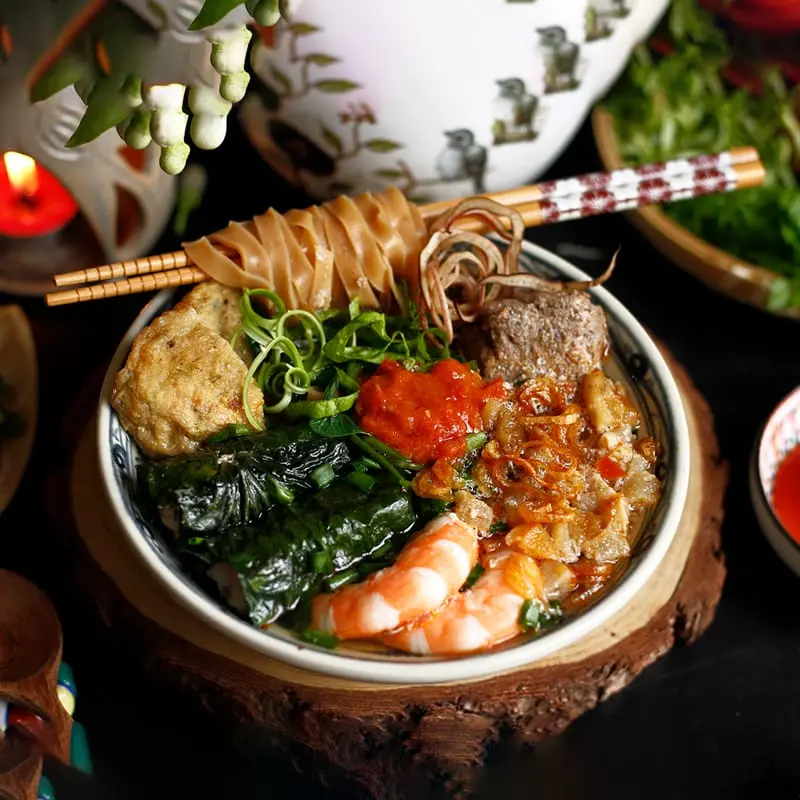
See Haiphong’s architecture and heritage with a local guide, then taste crab noodle soup, banh mi cay and coconut coffee along the way.
From $85 per person
Statues And Altar Arrangement
The upper hall holds the main altar, usually arranged in several tiers. While each pagoda differs, northern Vietnamese altars commonly follow a similar order from top to bottom.
- Top tier: Buddhas of the past, present and future, representing the continuity of time.
- Middle tiers: Amitabha Buddha and attendant bodhisattvas, symbols of compassion and wisdom.
- Lower tiers: Shakyamuni Buddha, sometimes shown as a newborn child, and guardian figures.
On the sides of the halls you may see fierce guardian statues and figures of judges or saints. Their dramatic expressions contrast with the calm faces of the Buddhas. Please do not touch statues or step onto altar platforms, and ask before taking photos inside.
Stone Stupas, Steles And Bells
Some of the most interesting details are outdoors and easy to miss.
Stupas
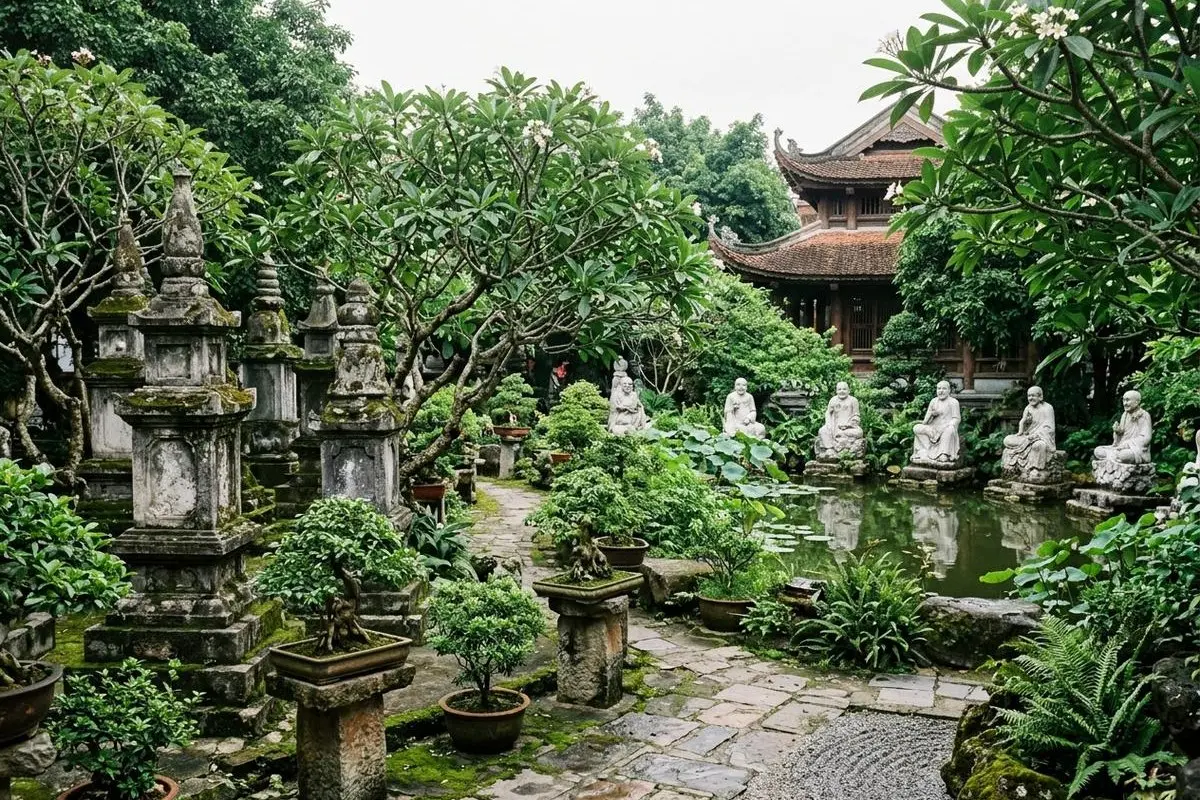
Stone stupas, slender towers of several tiers, mark the resting places of respected monks. Look for carved lotus patterns and inscriptions, now softened by weather and moss.
Steles
Inscribed stone slabs record restorations, donations and important events in the pagoda’s life. Even if you cannot read the characters, the steles show how many generations have cared for the site.
Bells and drums
A large bronze bell and a drum are traditional in Vietnamese pagodas, used to mark ceremonies and the rhythm of the day. If you hear the bell, pause and listen to how long the sound lasts.
>>> My Favorite Things To Do In Haiphong On Weekend
A Self Guided Architecture Route
Use this simple route to see every key detail in about one hour.
- Street side: photograph the full gate and roof line from across the lane.
- Gate: look at the three doorways, ridge ornaments and name board.
- Courtyard: stand on the central axis and notice how the halls line up.
- Front and incense halls: study the columns, stone bases and carved brackets.
- Upper hall: observe the tiered altar from the back, quietly.
- Side buildings: peek respectfully at the patriarch hall and Mother Goddess shrine if open.
- Garden: finish among the stupas and steles, then rest in the shade.
Short on time? Du Hang Pagoda fits neatly into a half day Haiphong itinerary with other heritage stops in the centre.
Photography Tips For Architecture Lovers
- Go early. Morning light is soft and the courtyards are quiet.
- Use a wide angle for the gate and roofs, and a short telephoto for ridge ornaments and carvings.
- Respect worshippers. Do not photograph people praying without permission, and avoid flash inside.
- Look for frames. Doorways and columns make natural frames for altars and courtyards.
- Shoot details. Textures of tiles, lacquer and stone often make the most memorable images.
Joining a local guide helps too. Our guides on haiphong tours enjoy pointing out symbols and stories that are easy to overlook. If you value that kind of insight, read our post on cultural things to do in Haiphong for more ideas.
>>> Private Haiphong Tour: Why You Need a Local Guide
Frequently Asked Questions About Du Hang Pagoda Architecture
How old is Du Hang Pagoda?
Local records trace it back around a thousand years, but the buildings have been rebuilt and restored many times, so most structures you see are much younger.
What style is Du Hang Pagoda?
It follows traditional northern Vietnamese pagoda architecture: wooden frames, heavy tiled roofs with upturned corners, a three-entrance gate and halls along a central axis.
Can I take photos inside?
Photography is usually fine in courtyards. Inside the halls, ask first and avoid flash, especially during prayers.
How long do I need to see the architecture?
About one hour lets you see the gate, halls, carvings and stupa garden at a relaxed pace.
Is there an entrance fee?
Visiting is generally free. Donations are welcome but optional.
Look Closer At Haiphong Heritage
Every curve of the roof, carved dragon and weathered stupa at Du Hang Pagoda reflects the skill and faith of the people who built and cared for it over centuries. Take your time, follow the central axis and let the details reveal themselves. If you would like a local guide to explain the symbols or help planning your heritage day in Haiphong, the Haiphong Adventure team is happy to help.
WhatsApp, Viber, WeChat: +84(0)934.555.001
KakaoTalk, Line ID: haiphongadventure