
Road Trip Guide Hanoi To Haiphong By Motorbike
Riding a motorbike from Hanoi to Haiphong is one of the easiest short road trips in northern Vietnam. The distance is only around 100–120 km, the land is flat, and you pass through rice fields, market towns and busy industrial belts that show how the Red River delta really lives. It is a good first taste of Vietnamese riding before bigger loops in the mountains – as long as you plan the route correctly and respect the rules of the road.
Our guides at Haiphong Adventure ride in and around this area every day, and we regularly help travelers who want to do the trip on two wheels. This guide covers the important legal point that catches many visitors out, plus licences and insurance, choosing a bike, route planning on National Highway 5 and quieter roads, fuel, rest stops and the safety habits that matter most. Rules and conditions change, so use it as a starting point and double-check anything you are unsure about.
First, The Legal Bit: No Motorbikes On The Expressway
This is the most important thing in the whole article. The Hanoi–Haiphong expressway, about 105 km of fast, straight road, is closed to motorbikes. You will see signs at the entrances, and police do stop riders who try to use it. Even if you slip past the toll gate, riding a scooter among trucks and cars doing high speeds is genuinely dangerous.
Instead, motorbikes use National Highway 5 (Quốc lộ 5), the older main road that runs roughly parallel to the expressway, or the network of provincial and village roads across Hung Yen and Hai Duong provinces. Many navigation apps will try to send you onto the expressway because it is shortest. Before you set off, switch your map to a motorbike or two-wheeler mode if available, or choose “avoid highways”, and check that the planned line follows Highway 5 or local roads rather than the toll road.
Licence, Insurance And Paperwork
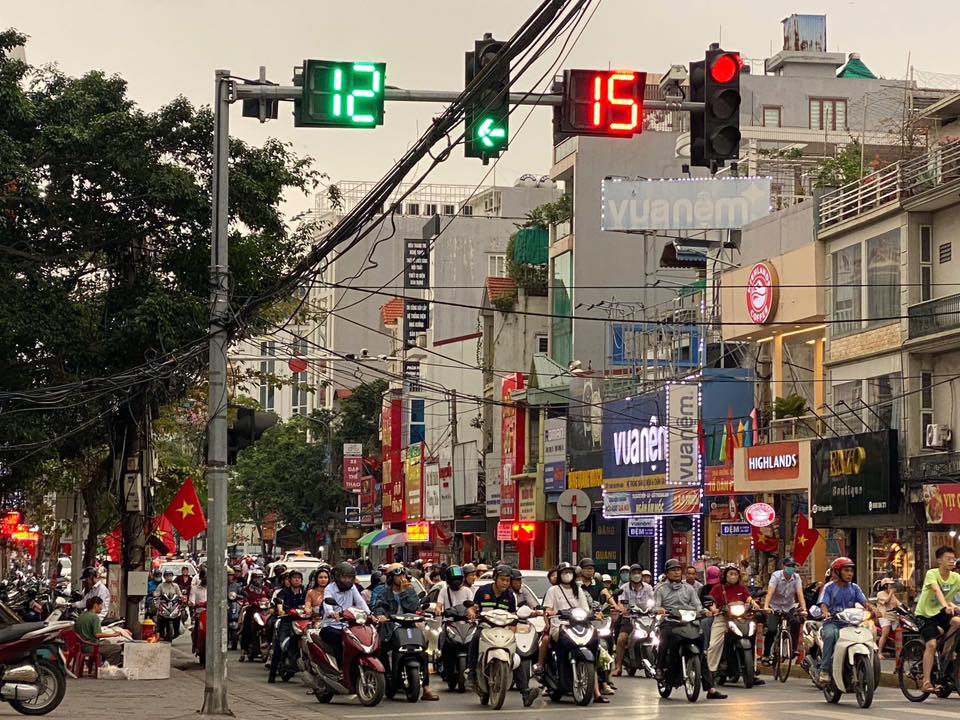
Many foreign visitors ride in Vietnam without the right licence, and it can cause real problems if something goes wrong. In general, you need a licence that is valid in Vietnam for the size of bike you are riding. Vietnam recognizes International Driving Permits issued under the 1968 Vienna Convention, provided the permit includes the motorcycle category; permits under other conventions may not be accepted. Some nationalities can also convert a home licence to a Vietnamese one. The rules have been updated in recent years, so check the current situation for your country before you travel.
Insurance is the other half of the picture. Basic compulsory third-party liability insurance for the bike should be carried with the vehicle papers, and rental shops usually provide this. More important for you is travel insurance: many policies do not cover motorbike accidents if you are riding without a valid licence or helmet, or if the engine is above a certain size. Read the small print before the trip, not after.
Always carry your passport or a copy, your licence and IDP, and the bike’s registration papers (often a blue card). If you rent, ask the shop to show you all the documents and photograph them.
Choosing Your Bike And Gear
For a flat ride like this, you do not need a big machine. A reliable 110–125cc semi-automatic or automatic scooter is perfect and is what most locals ride. Manual bikes are fine if you are comfortable with gears, but in stop-start traffic around Hanoi and Haiphong an automatic is less tiring. Before you leave, check:
- Brakes – both should bite firmly without pulling to one side.
- Tyres – decent tread and correct pressure; ask a mechanic to check if unsure.
- Lights, indicators and horn – you will use the horn a lot.
- Mirrors – adjust them properly; trucks will be overtaking you.
- Chain and oil, if it is a manual or semi-automatic.
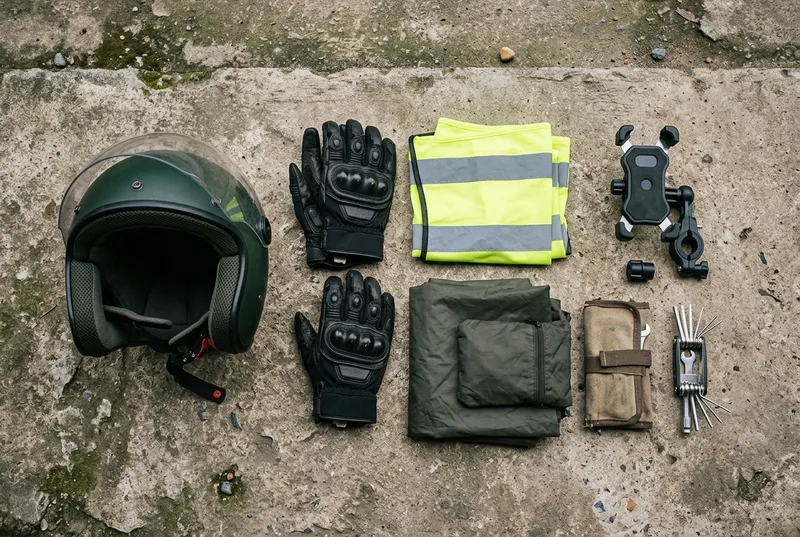
Wear a proper helmet with a visor, not a thin novelty one. Add a long-sleeved shirt or light jacket, long trousers, closed shoes and gloves. A rain poncho, a phone mount, a power bank and a small bungee cord to secure your bag will make the day much easier. We also offer motorbike rental for experienced riders – message us if you would like to discuss bikes and routes.

Recommended tour
Haiphong Countryside & Coastal Landmarks

Leave the city behind for rice fields, village pagodas and coastal landmarks on a relaxed motorbike ride with a local guide.
From $79 per person
Plan Your Route Around National Highway 5
For most riders, Highway 5 is the simplest motorbike route from Hanoi to Haiphong. You leave Hanoi heading east across the Red River, pass through the busy areas around Gia Lam and Nhu Quynh, then continue through Hai Duong city before entering Haiphong from the west. Signposts toward Haiphong are generally clear, and there are petrol stations, cafes and mechanics all along the way.
The downside is traffic. Highway 5 carries a lot of trucks and local vehicles, especially near industrial zones, and the scenery in some stretches is factories rather than fields. Many sections have a lane or shoulder used mainly by two-wheelers – stay in it and keep right. Riding time is usually around 3–4 hours including a couple of short stops, though it can be longer if you leave at rush hour. Start early and aim to be out of Hanoi before 7:00 or after the morning peak has cleared.

Try Quieter Provincial Roads If You Have Time
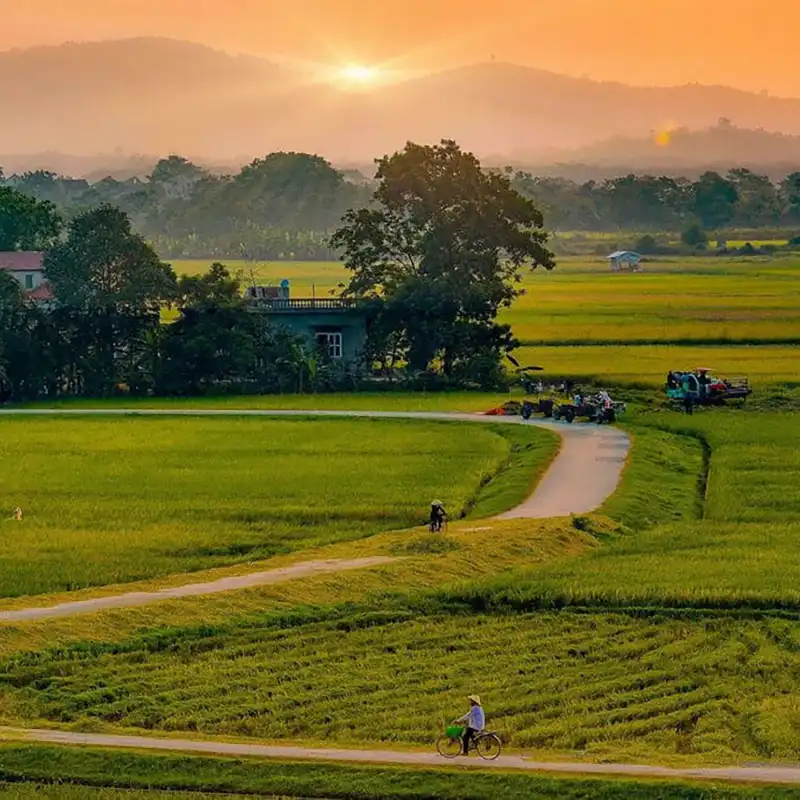
If you have a full day and some confidence with maps, you can leave the main highway for smaller provincial roads and dyke tracks through the countryside of Hung Yen and Hai Duong. Here the traffic thins out, and you ride past rice paddies, fish ponds, temple gates and villages where children shout hello. It is slower, but far more pleasant.
A few cautions: road surfaces vary, some bridges are narrow, and signposts are only in Vietnamese. Download offline maps, plan rough waypoints in advance, and always know how to get back to Highway 5 if you get tired or lost. We keep this article focused on getting there safely – for ideas of where to stop and look around along the way, see our guide to scenic stops between Hanoi and Haiphong.

Fuel Up Smartly
Fuel is easy to find on this route. Petrol stations are frequent along Highway 5 and in every town, and most are staffed – you simply open the seat, tell the attendant the amount or say “đầy” (full), and pay in cash or sometimes by card or QR code. A small scooter’s tank usually covers well over 100 km, but fill up before leaving Hanoi anyway so you are not hunting for a station in heavy traffic.
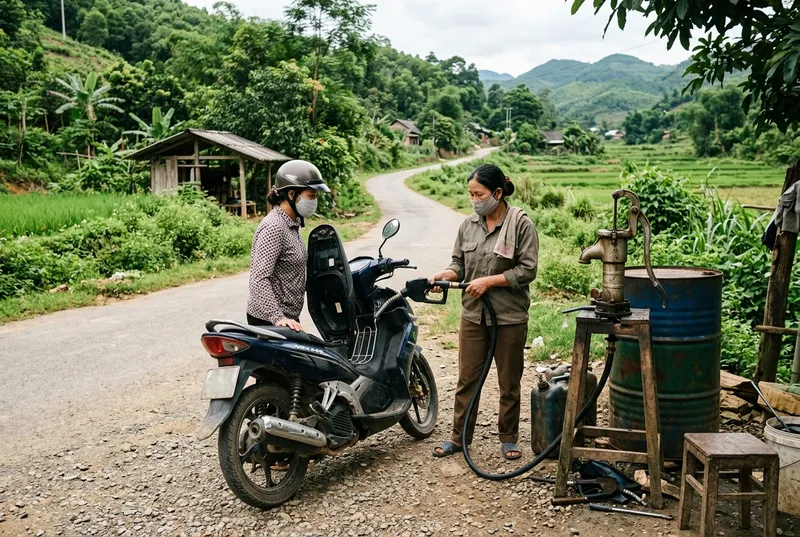
On quieter provincial roads, stations are less frequent. Top up whenever you drop below half a tank. In villages you may see petrol sold in bottles by small shops; it works in an emergency, but quality can be uncertain, so use proper stations whenever possible. Keep some small notes handy for fuel and drinks.
Take Regular Rest Stops
Even on a short trip, fatigue creeps up faster than you think, especially in summer heat. We suggest stopping roughly every 45–60 minutes. Roadside cafes with hammocks and plastic chairs are everywhere – order an iced tea or coffee, rest your back, and check your route. Sugarcane juice stalls are another favourite of ours on hot days.
Hai Duong is a natural halfway point for a longer break and an early lunch. Its local specialities, including small green bean cakes, make good souvenirs. Park where you can see your bike, lock the steering, and take your helmet with you or lock it to the bike. If you are unsure where to park in a town, small paid parking spots outside cafes and shops are cheap and safe.
Ride Defensively Around Trucks
The biggest danger on this route is not other scooters – it is large vehicles. Container trucks heading to and from Haiphong port, coaches and construction lorries share Highway 5 with you. They are heavy, slow to stop, and often overtake with only a short horn to warn you. Our riding rules for this road:
- Stay in the right-hand lane or two-wheeler lane unless you need to turn.
- Never ride in a truck’s blind spot – if you cannot see the driver’s mirror, they cannot see you.
- Keep a bigger gap than you would at home; dust and sudden braking are common.
- Expect vehicles to pull out from side roads without stopping. Slow down at every junction.
- Use your horn with a short beep when passing or approaching blind corners.
- Zero alcohol. Vietnam has a zero-tolerance rule for drink-riding, and police checkpoints are common.
For more advice on road habits and busy junctions, read our local traffic tips for travelling from Hanoi to Haiphong.
Handle Weather And Breakdowns
Summer brings intense heat and sudden thunderstorms; winter brings grey drizzle, cold wind and occasional fog in the morning. In heavy rain, pull over under a shop awning and wait – storms usually pass within an hour, and riding in poor visibility next to trucks is not worth the risk. Wet roads, especially painted lines and metal plates, become very slippery.
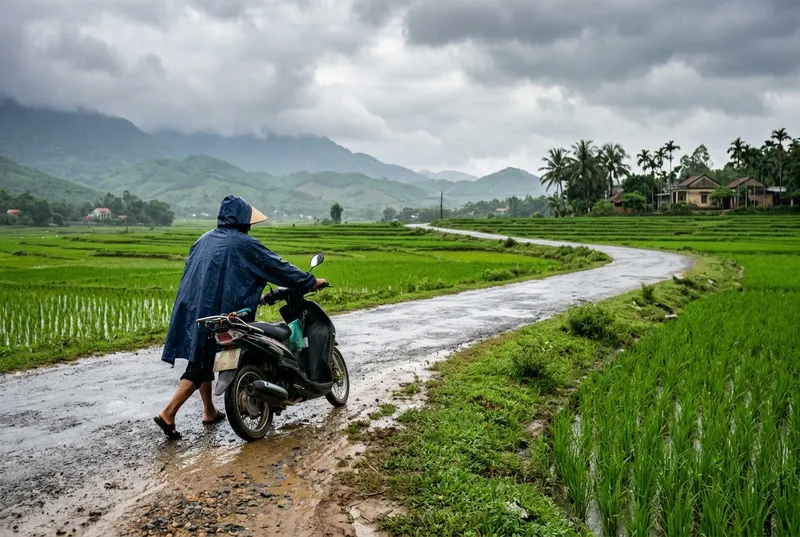
Punctures are the most common problem. The good news is that roadside repair stands, often marked by a tyre and a hand-painted “vá xe” sign, are everywhere in Vietnam. A puncture repair is quick and cheap. For anything more serious, ask at the nearest cafe – someone will know a mechanic. If you rented the bike, keep the shop’s number saved and call them before agreeing to major repairs.

Is Riding From Hanoi To Haiphong Right For You?
We love this ride, but we also tell guests honestly when it is not a good idea. If you have never ridden a motorbike before, Highway 5 is not the place to learn: trucks, dust and fast-changing traffic leave little room for mistakes. If you have ridden scooters in quieter parts of Southeast Asia and feel comfortable in traffic, you will probably enjoy it, provided you go slowly and start early.
Think, too, about what you gain. If your goal is simply to get from Hanoi to Haiphong quickly, the bus or train is faster, cheaper once you count fuel and rental, and far less tiring. The motorbike makes sense when the journey itself is the point – when you want to stop at a village market, take a detour through rice fields, or simply have your own wheels for exploring the coast afterwards. Some guests choose a middle path: they take the bus to Haiphong, rent a bike here, and ride the quieter countryside roads around the city instead of the busy highway.
Whatever you decide, be honest about your experience, your energy and the weather on the day. Changing your plan is always better than forcing a ride you are not enjoying.
Sample Day: Hanoi To Haiphong By Motorbike
Here is a relaxed one-day plan that our guests have used successfully:
- 6:30: breakfast near your hotel and a final check of the bike.
- 7:00: leave Hanoi before the worst of the rush, crossing the Red River and heading for Highway 5.
- 8:00–8:20: first coffee stop once you are clear of the city traffic.
- 9:30–10:30: reach Hai Duong. Take a longer break and an early lunch.
- 11:00: continue toward Haiphong, or detour onto quieter roads for an hour if you feel comfortable.
- 12:30–13:30: arrive in Haiphong, check in, park the bike and rest through the hottest part of the day.
- Late afternoon: explore the city on foot, or join a guided ride so you can enjoy the sights without navigating.
If you are spending a weekend, our guide to things to do in Haiphong on a weekend shows how to fill the next two days.
Parking And Riding Once You Arrive
Most hotels in Haiphong have space to park motorbikes, often in a ground-floor garage or front area, and staff will move bikes around overnight. Ask at check-in. When you go out, use attended parking spots outside cafes, restaurants and markets; you get a small ticket and pay a modest fee when you leave.
City riding in Haiphong is calmer than Hanoi, but one-way streets, roundabouts and busy junctions around the centre take some getting used to. If you are tired after the trip, leave the bike at the hotel and use a ride-hailing app for the evening.
FAQ About Riding From Hanoi To Haiphong
Can I ride a motorbike on the Hanoi–Haiphong expressway?
No. Motorbikes are not allowed on the expressway. Use National Highway 5 or smaller provincial roads instead.
How long does the ride take?
Usually around 3–4 hours on Highway 5 including short stops. On quieter back roads, allow most of a day.
Do I need an International Driving Permit?
You need a licence valid in Vietnam for your bike’s engine size. An IDP under the 1968 convention with a motorcycle category is commonly accepted, but rules vary by country, so check before you ride.
Is the route suitable for beginner riders?
The road is flat, but heavy truck traffic makes Highway 5 tough for complete beginners. Build confidence in quieter areas first, or ride with a guide.
Can I send my bike back to Hanoi by train or bus?
Often yes – bikes can sometimes travel as cargo by train or on certain buses. It requires paperwork and some planning, so ask at the station or check with us before relying on it.
What is the best season for the ride?
Spring and autumn usually offer the most comfortable temperatures. Summer is hot with storms, and winter can be cold and damp, so dress accordingly.
Ride With Local Guides In Haiphong
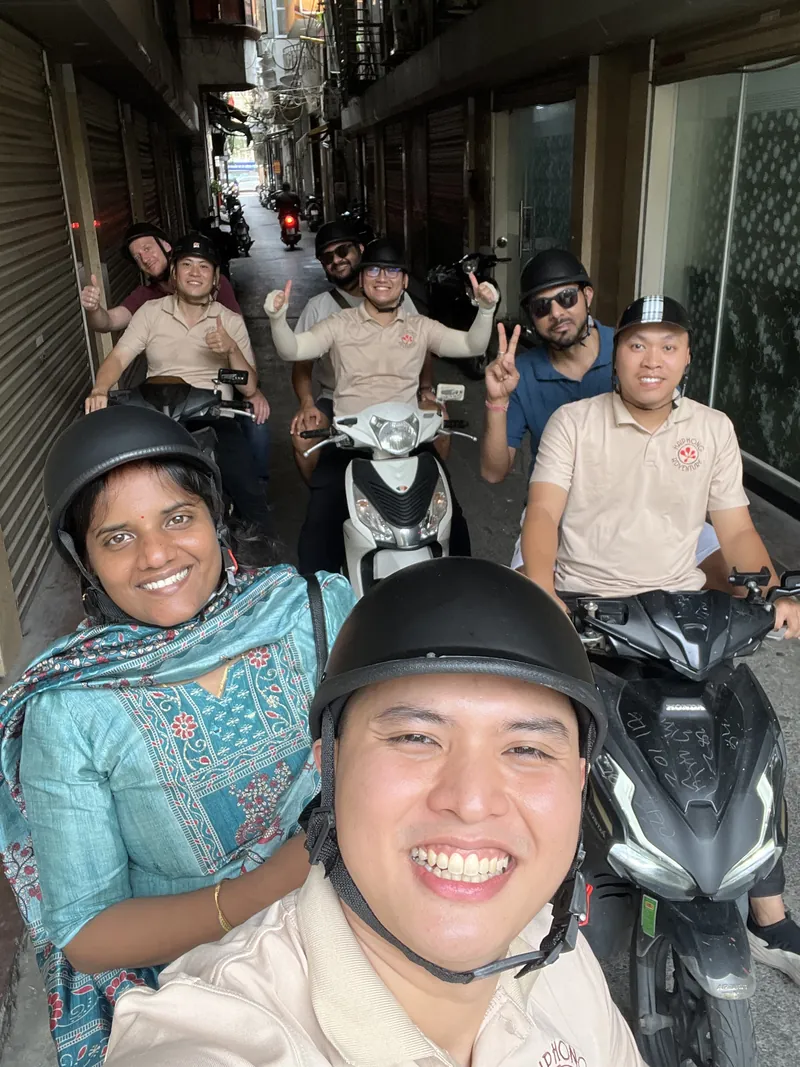
A road trip is a great way to arrive, and once you are here our team can show you the parts of the city and countryside that are hard to find alone. Our Haiphong tours include motorbike rides through village lanes, coastal roads to Do Son and pagodas tucked between rice fields, with experienced local riders handling the traffic.
Send Haiphong Adventure your plans, and we will happily share route advice or help with rental options.
WhatsApp, Viber, WeChat: +84(0)934.555.001
KakaoTalk, Line ID: haiphongadventure