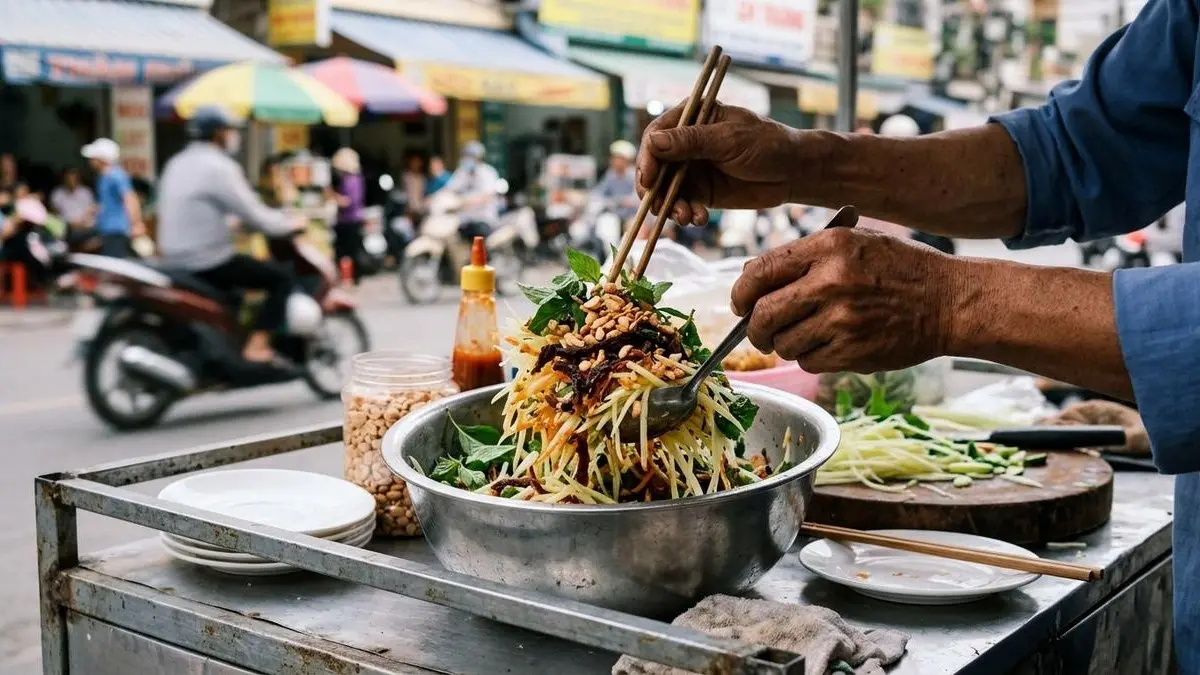
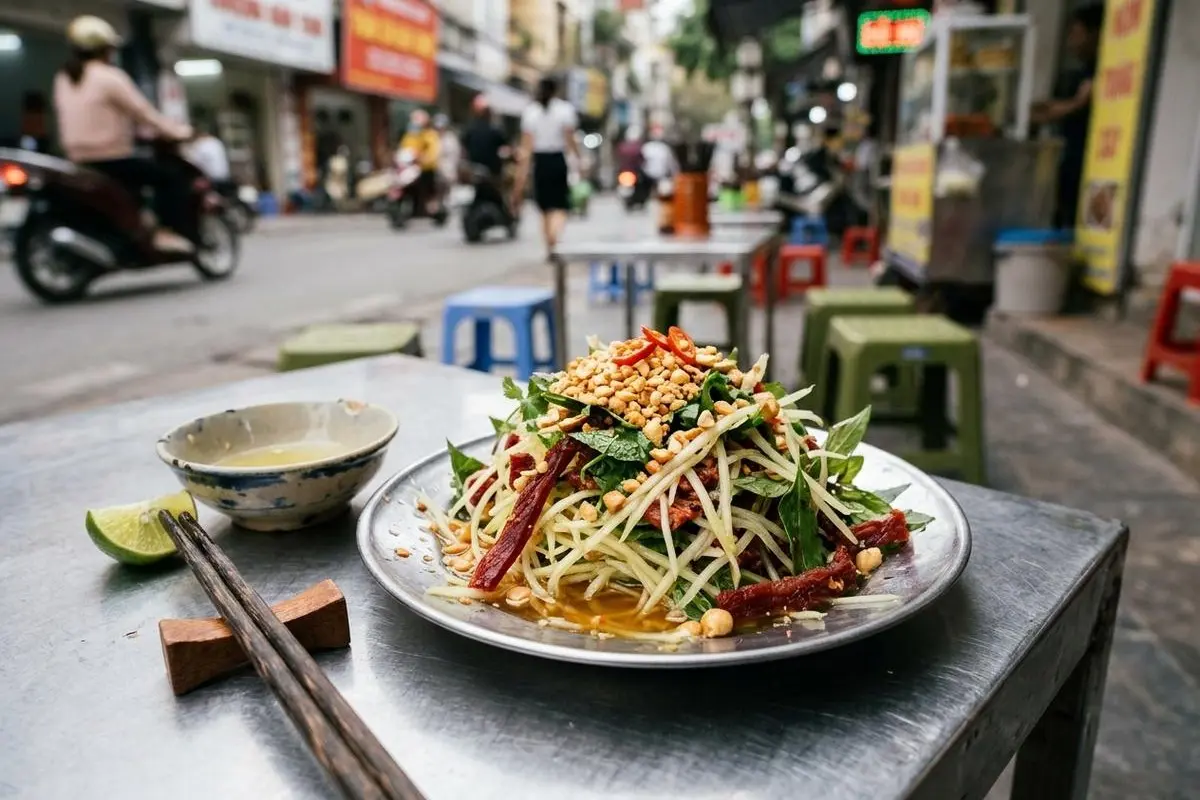
Street Food Around Cho Sat Market Haiphong Area
If you are searching for the best street food around Cho Sat Market in Haiphong, the short answer is this: go hungry, go in the late afternoon, and plan to graze on small plates rather than sit down for one big meal. Cho Sat Market sits in the old part of the city, where daily shopping, small eateries and sidewalk stalls blend into one busy, friendly food scene. This guide shares what to eat, how to move around, and how to stay comfortable while you do it. At Haiphong Adventure we run motorbike food walks every week, so the tips below come from real days spent eating our way through this part of town.
Why Cho Sat Market Is Worth a Food Stop
Most visitors to northern Vietnam rush from Hanoi to Ha Long Bay and skip Haiphong. That is a pity, because the city is known across Vietnam for its own food culture: crab-based noodle dishes, spicy bread, fresh seafood and a long list of snacks you will rarely see outside the port city. A traditional market is the easiest place to meet that culture, and the streets around Cho Sat Market are a good example of how locals really shop and eat.
Unlike polished food halls, this area works on a simple rhythm. Vendors set up, regulars drop by on the way home, and the best stalls are usually the ones with a small crowd on plastic stools. You do not need to speak Vietnamese. Pointing, smiling and watching what the person next to you orders will get you far.
If you want a wider picture of how food and markets connect in the city, our article on a Haiphong food tour route through local markets shows how several neighbourhoods fit together in one day.
Getting There and the Best Time to Go
How to reach the market area
Haiphong is compact, so the market area is easy to reach from most central hotels. Ride-hailing apps and local taxis are the simplest option if you are not on a guided tour, and a short ride in the city centre is usually inexpensive. Always show the driver the name of the market on your phone map, since pronunciation can cause confusion. Opening hours and exact stall locations can change, so treat any times you read online, including ours, as a guide only and check on the day.
When to eat
Markets in Vietnam tend to be liveliest in the morning, but street food around them often peaks twice: early for breakfast dishes and again in the late afternoon and early evening. If you want a calm walk and better light for photos, aim for mid to late afternoon. Breakfast fans can arrive early, though some evening-only vendors will not be open yet.
Weather matters too. Haiphong summers are hot and humid, and the cooler months from autumn to early spring make wandering between stalls far more pleasant. Bring a light layer in winter, because the northern coast can feel damp and breezy.
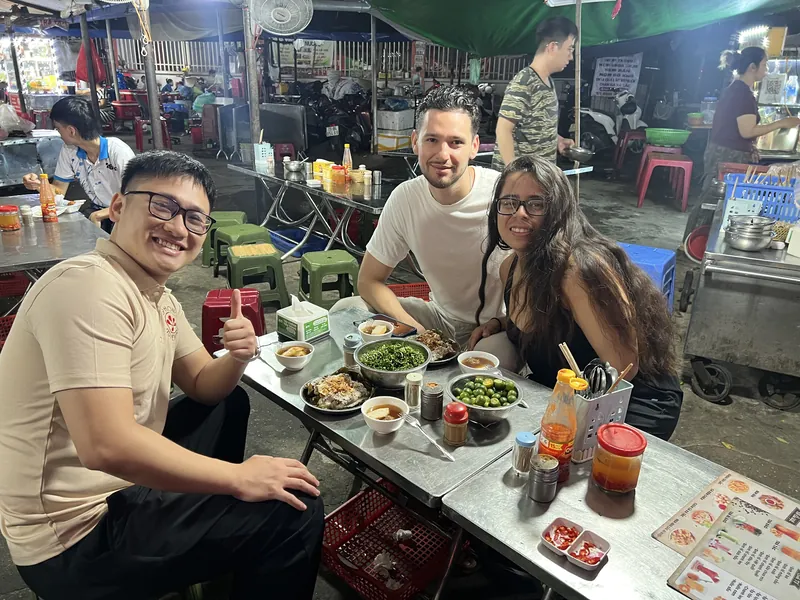
What to Eat Around Cho Sat Market
Exact menus differ from stall to stall and from season to season, but these are the kinds of dishes that visitors usually look for in Haiphong. Use the list as a menu of ideas rather than a promise of what each vendor sells.
Banh da cua, the city’s signature noodle soup
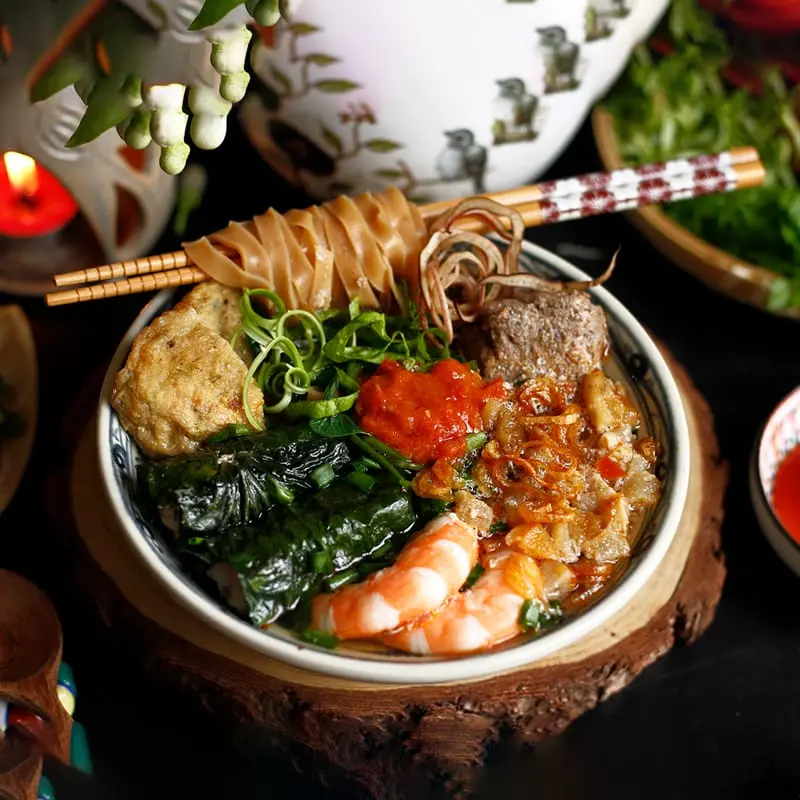
Banh da cua is the dish most people associate with Haiphong. It uses flat brown noodles in a crab-flavoured broth, often topped with fried shallots, herbs and other toppings depending on the cook. If you only try one bowl, make it this one. Our short piece on the history of banh da cua in Haiphong explains why locals are so proud of it.
Banh beo and other small steamed bites
Banh beo are tiny steamed rice cakes served in small dishes with savoury toppings and a dipping sauce. They are made for sharing and for sampling, which makes them ideal when you want to taste several things without filling up. Expect to order a few plates and eat them slowly.
Spicy bread and grilled snacks
Haiphong is also famous for its spicy bread, a small crispy loaf served with a chilli sauce that can be fierce. If you are sensitive to heat, ask for less sauce. Grilled skewers, fried snacks and seafood bites are common near evening markets as well, and they are easy to eat while standing.
Seafood and snail dishes
As a port city, Haiphong has a long tradition of seafood. Snails and shellfish cooked with herbs and dipping sauces are a social food here, usually eaten with friends in the evening. If you are not sure where to start, share a mixed plate and see what you like.
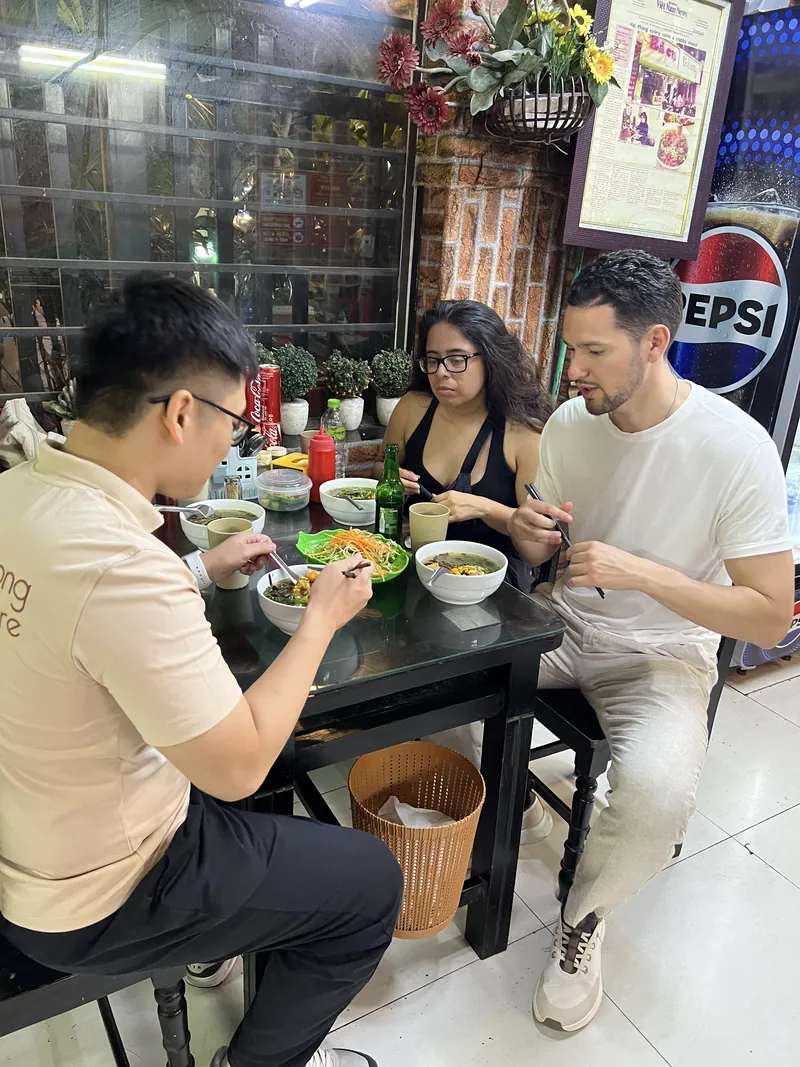
>>> Top Dishes To Try On Your Haiphong Food Tour Day
Snacks, Sweets and Drinks to Cool Down
After savoury dishes, many locals head for something sweet or cold. Sweet dessert soups served over ice, fresh fruit, sugarcane juice and herbal teas are all common around markets. Vietnamese coffee is everywhere, and a sidewalk cafe stop is the best way to rest your feet between tastings.
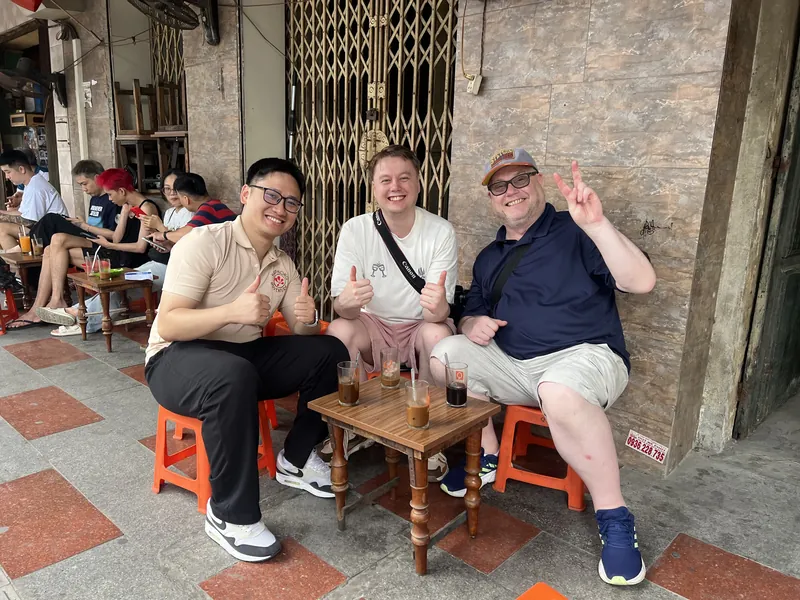
Vietnamese iced coffee
Iced coffee with condensed milk is strong and sweet. If you are not used to caffeine, order a small glass or ask for less coffee. Sitting on a low plastic stool and watching the street go by is part of the experience, and it is often cheaper than you would expect.
Fresh juices and light drinks
Fresh sugarcane juice and fruit drinks are refreshing on a hot day. Choose stalls where the ice looks clean and the cups are rinsed, and carry bottled water for anything else.
A Simple Walking Route for a Food Wander
You do not need a strict plan, but a loose route helps you avoid eating too much too early. Here is a relaxed way to organise a two to three hour wander around the market area.
Step one: start light
Begin with a drink or a small snack and spend ten minutes just looking. Notice which stalls attract locals, which ones have quick turnover, and which dishes look freshly made.
Step two: share a main dish
Order one bowl of noodles for two people. Splitting dishes lets you try more, and portions in Vietnam are often generous. If you travel in a group of four, you can sample many dishes in one sitting.
Step three: snack and keep walking
Move on to small plates, grilled bites and spicy bread. Keep the pace slow, drink water between stops, and leave space for a sweet finish and a coffee. For more route ideas that combine markets and eateries, read our review of the best Haiphong food tour spots.
>>> My Haiphong Street Food Adventure Local Taste
Recommended tour
The Haiphong Street Food and City Tour
Taste local specialities with a friendly guide and see the city beyond the usual tourist spots.
From $85 per person
Etiquette, Hygiene and Practical Tips
Choose busy stalls
The simplest food safety rule applies here: eat where the food is cooked fresh and the turnover is high. A stall with a steady line of local customers is usually a safer and tastier bet than an empty one.
Cash, prices and small change
Most street vendors work in cash, so carry small Vietnamese dong notes. Prices are not always displayed, so ask politely before ordering if you are unsure. Prices change over time and between stalls, so we do not quote exact numbers here.
Dietary needs
Many Haiphong dishes are built on seafood, pork and fish sauce. If you are vegetarian, allergic to shellfish or avoid certain ingredients, write your needs in Vietnamese on your phone and show it to the vendor, or ask your hotel to help. It is not always possible to guarantee that a street stall can accommodate allergies, so be cautious.
Respect the space
Markets are working places. Ask before taking close-up photos of vendors, keep walkways clear, and do not block a stall entrance while you decide. A smile and a quick thank you in Vietnamese, cam on, are always appreciated.
Eat With a Local Guide
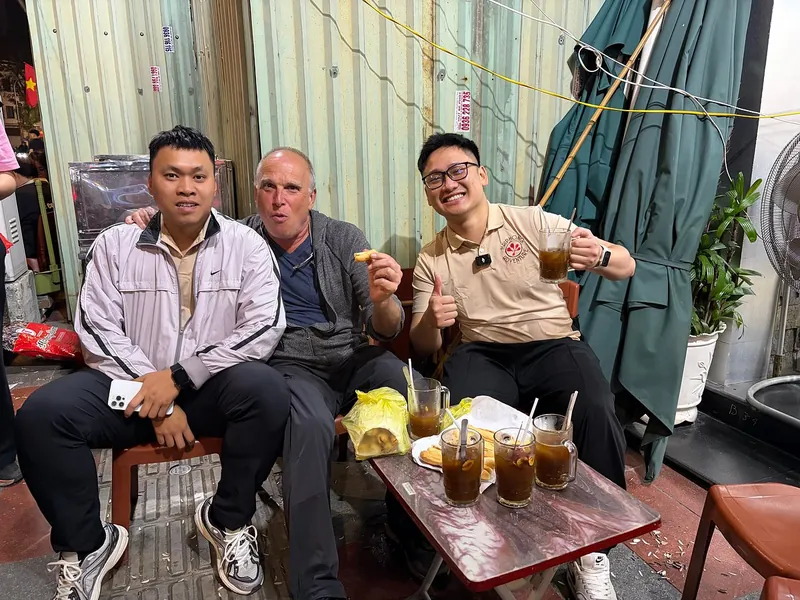
Eating alone is fun, but a local guide changes the experience. A guide can tell you what each dish is, explain how to eat it, help with allergies and spice levels, and take you to places that do not appear on map apps. That is the idea behind our Haiphong tours, where small groups ride through the city by motorbike and stop to eat where locals eat.
If you want to explore at your own pace first, use this article as a starting point, then join a guided evening to fill in the gaps. Our guide on the secrets to enjoying a real Haiphong food tour shares what to expect on a guided food day.
>>> Haiphong Food Tour Route Exploring Local Markets
Frequently Asked Questions
Is the street food around Cho Sat Market safe for tourists?
Most travellers eat street food in Haiphong without problems if they choose busy stalls, eat freshly cooked dishes and avoid anything that has been sitting out. If you have a sensitive stomach, start with cooked dishes and bottled drinks.
What is the best time to visit Cho Sat Market for food?
Late afternoon and early evening are good for a mix of snacks and atmosphere, while early morning suits breakfast dishes. Hours vary by vendor, so check on the day.
How much should I budget for a street food wander?
Street food is generally inexpensive compared with restaurants, but prices change. Carry small cash, ask before you order if there is no price, and plan on sharing dishes so you can try more.
Do I need a guide?
No, but a guide helps with ordering, allergies and finding the best stalls. Many visitors combine a self-guided wander with one guided food evening.
Can vegetarians eat around the market?
It is possible but not always easy, because many dishes use fish sauce or meat-based broth. Ask in advance, and consider booking a guide who can arrange suitable stops.
Plan Your Haiphong Food Day With Us
Street food around Cho Sat Market is one of the easiest ways to feel the everyday rhythm of Haiphong. Eat small, share often, stay curious, and enjoy the coffee breaks as much as the noodles. When you are ready to turn this into a real plan, message us and we will help you choose the right route, date and group size.
Contact Haiphong Adventure:
WhatsApp, Viber, WeChat: +84(0)934.555.001
KakaoTalk, Line ID: haiphongadventure