What to Eat in Haiphong Local Dishes You Cannot Miss
If you are wondering what to eat in Haiphong, start with a bowl of red crab noodle soup, add a crunchy stick of spicy bread, and finish the day with snails and seafood by the roadside. This northern port city is one of the best places in Vietnam to eat like a local, and it is far less crowded than Hanoi.
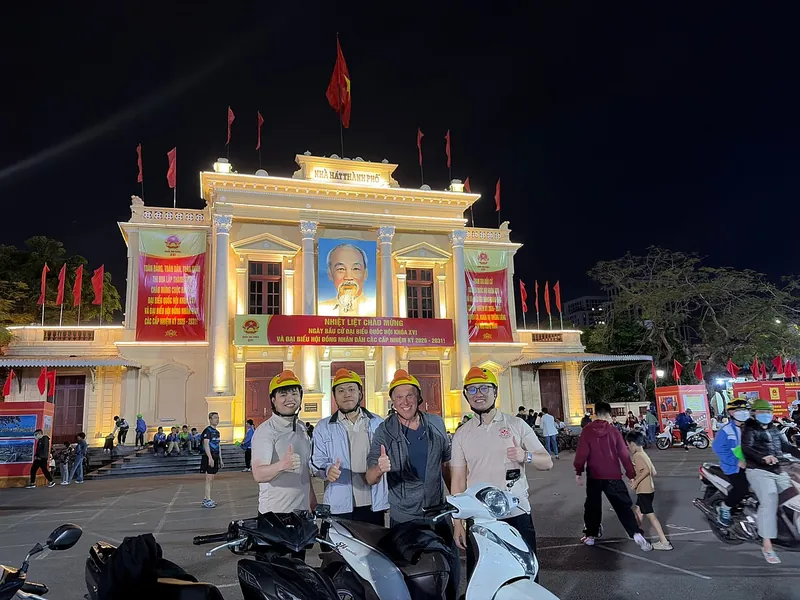
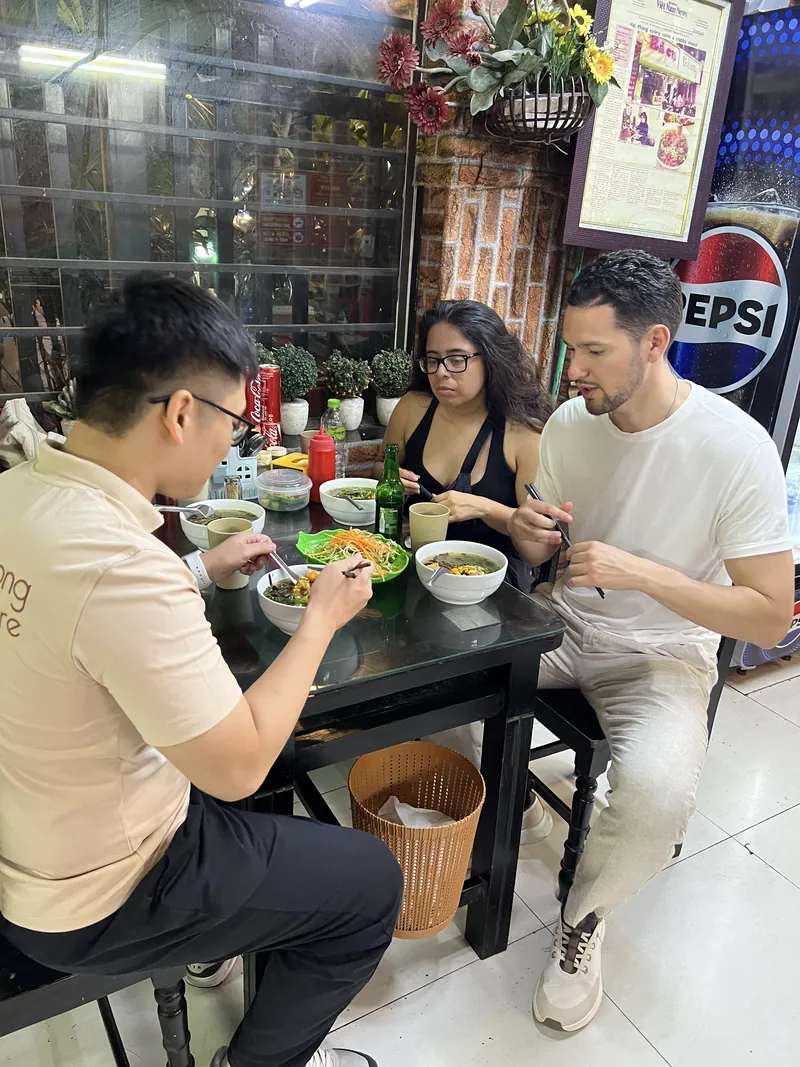
This guide walks you through the dishes worth crossing town for, the best time of day to eat each one, and how to order when you do not speak Vietnamese. It also covers food safety, a sample food day, and answers to the questions visitors ask us most often at Haiphong Adventure. Whether you eat alone or join one of our haiphong tours, you will arrive hungry and leave with stories.
What To Eat In Haiphong Depends On The Hour
Haiphong is a working port on the edge of the Red River Delta. Its long history as a harbor city shows up clearly in the food. Crab, shrimp, fish and snails come from the sea and the rice fields, while noodles, rice cakes and fresh herbs come from the countryside around the city.
The second thing to know is that most places do one thing and do it well. A stall might sell only crab noodle soup, another only grilled bread, another only snails. Opening hours follow the food: a breakfast shop opens early and closes when the broth is gone, while a snail restaurant only comes alive after sunset. So the question is not only what to eat in Haiphong, but also when to eat it.
Here is a simple rule that works well. Eat noodle soup in the morning, coffee and snacks in the middle of the day, and seafood and snails after dark. The rest of this guide follows that rhythm.
>>> My Haiphong Street Food Adventure Local Taste
Banh Da Cua, The Red Crab Noodle Soup
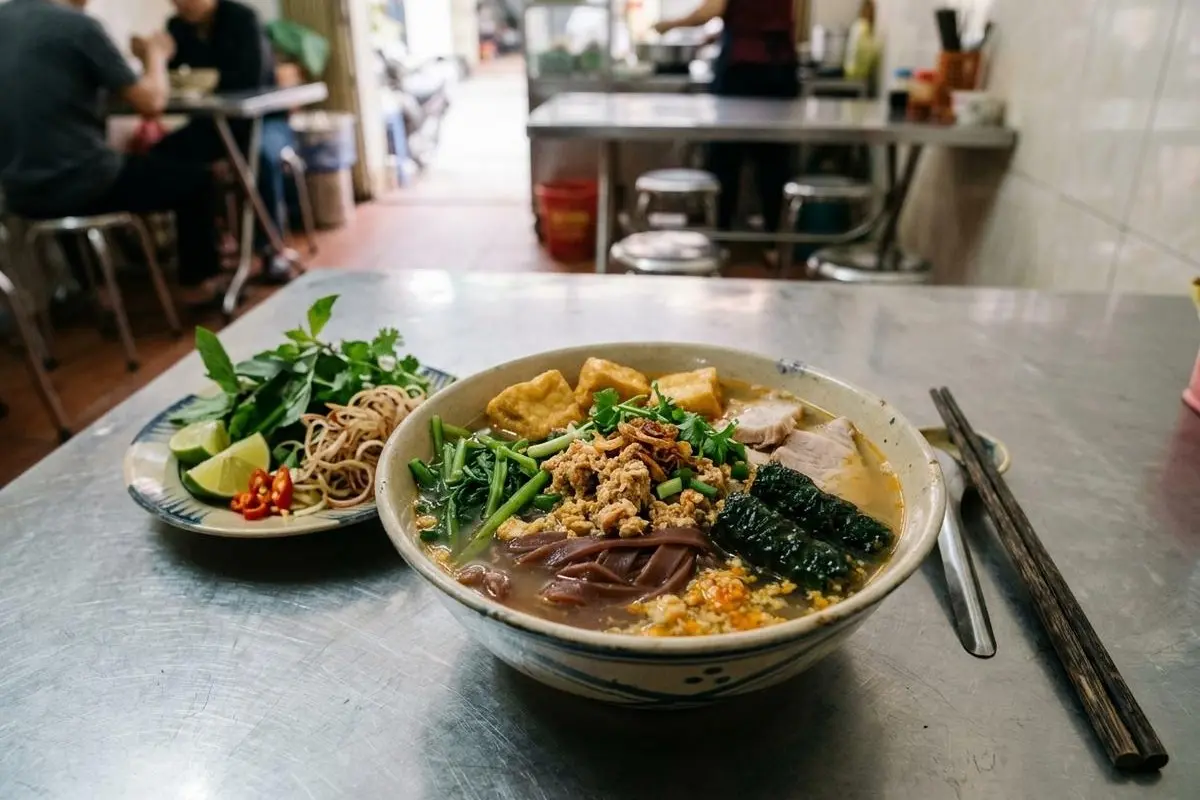
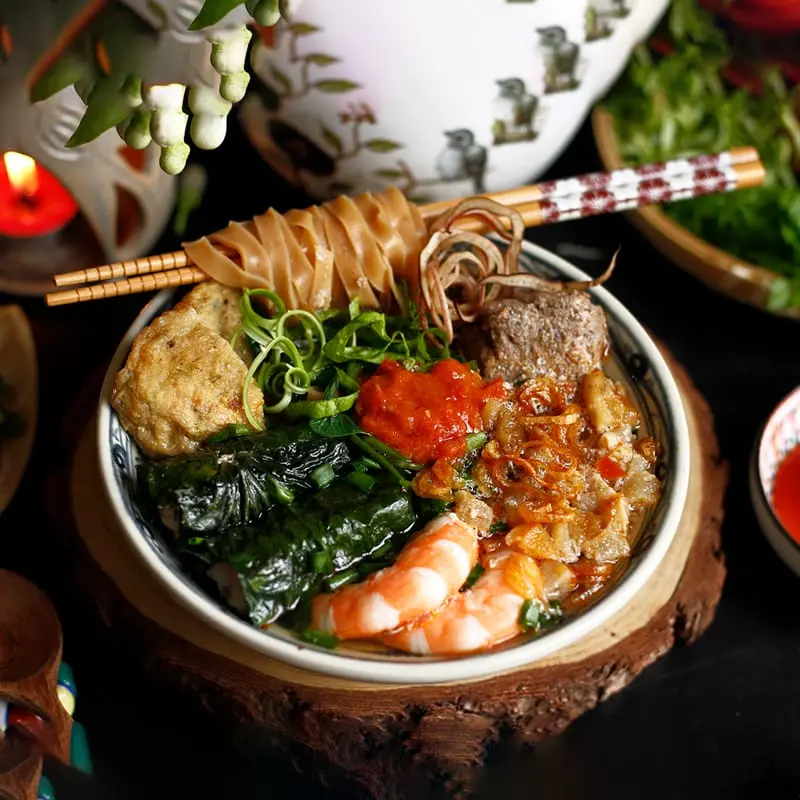
If Haiphong has one signature dish, this is it. Banh da cua is a noodle soup built around flat, reddish-brown rice noodles, a crab-flavored broth and a generous pile of toppings. Depending on the shop, you will find chopped water spinach, pieces of crab, crab patties, fried shallots and fresh herbs on top. The broth is savory and light rather than heavy, with a gentle sweetness from the crab.
The noodles are the part that surprises first-timers. They are thicker and chewier than the white noodles you may know from other Vietnamese soups, and their color is part of the dish’s identity. They hold up well in hot broth, so you can take your time eating without the bowl turning soft.
How locals eat it
Most people add a little chili, a squeeze of lime or a splash of vinegar at the table, then stir everything together. Some shops also offer a small dish of fermented shrimp paste on the side. It has a very strong smell, so try a tiny drop first or skip it. The dish is delicious without it.
When to go
Breakfast and early lunch are the best times, because the broth is fresh and the toppings have not sold out. Prices vary from shop to shop and change over time, so check before you sit down, especially if you add extra toppings (for reference, updated October 2026).
If this dish is your main reason to visit, we have written whole guides on it, from how a real Haiphong food tour works to the stalls where locals queue before work.
Nem Cua Be, Square Crab Spring Rolls
Nem cua be is another dish that belongs to Haiphong more than to anywhere else in Vietnam. These spring rolls are folded into a square or rectangular shape, which is what the word be refers to, and then deep-fried until the wrapper is golden and crisp. Typical fillings include crab meat combined with pork, mushrooms and other ingredients, although every family has its own recipe.
They are usually served with fresh lettuce, herbs and a sweet and sour dipping sauce. The local way to eat them is to wrap a piece of roll in lettuce with a few leaves of herbs, dip it, and eat it in one bite. The mix of hot, crisp filling and cool fresh leaves is what makes the dish so addictive.
Nem cua be is often served at family meals and celebrations, so you may find it in small restaurants rather than at a roadside stall. Ask for a half portion if you are traveling alone, since the rolls are filling.
>>> Cultural Things To Do In Haiphong You Must Try
Banh Mi Cay, Haiphong’s Spicy Bread
Banh mi cay looks small next to the baguettes of Hanoi or Saigon, but it has a loyal following. It is a thin, crisp roll about the length of a hand, filled with a little pate and brushed with a spicy sauce, then toasted until the crust crackles. You will see sellers with a small oven or grill by the roadside, handing out paper bags to passing riders.
Locals usually buy a few at a time and eat them as a snack, not as a full meal. Most sellers also give you a small bowl of chili sauce for dipping, and the heat can be strong. If you do not like spicy food, ask for less sauce or dip very lightly.
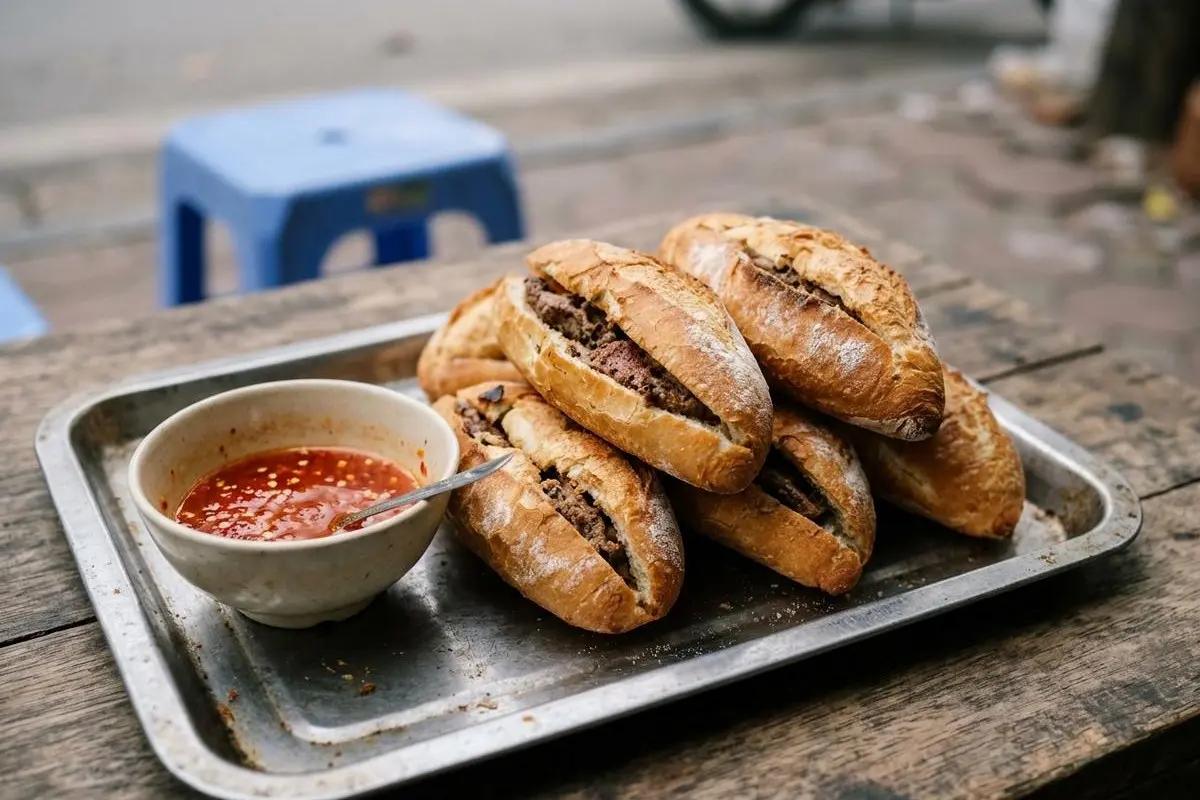
Eat banh mi cay hot. In Haiphong’s humid air the crust loses its crunch quickly, so buy only what you can finish within an hour or so. It is cheap, easy to share and a perfect first taste of the city.
Recommended tour
The Haiphong Street Food and City Tour
Taste banh beo, banh da cua and sweet local treats with a local guide, with stops at Linh Quang Pagoda, the Opera House and the Le Chan statue in between.
From $85 per person
Banh Beo, Small Steamed Rice Cakes
Banh beo is usually linked with central Vietnam, but Haiphong has its own version, and it is worth trying even if you have eaten the central style before. The rice cakes are steamed in small bowls and served with savory toppings and a seasoned sauce. They are soft, mild and easy to eat, which makes them a gentle choice if you are still getting used to Vietnamese flavors.
Order a plate and eat slowly. Each bowl is only a few bites, so it is normal to order several and share them around the table. They pair well with a hot tea and make a great mid-morning stop between heavier dishes.
Evening Snails And Seafood
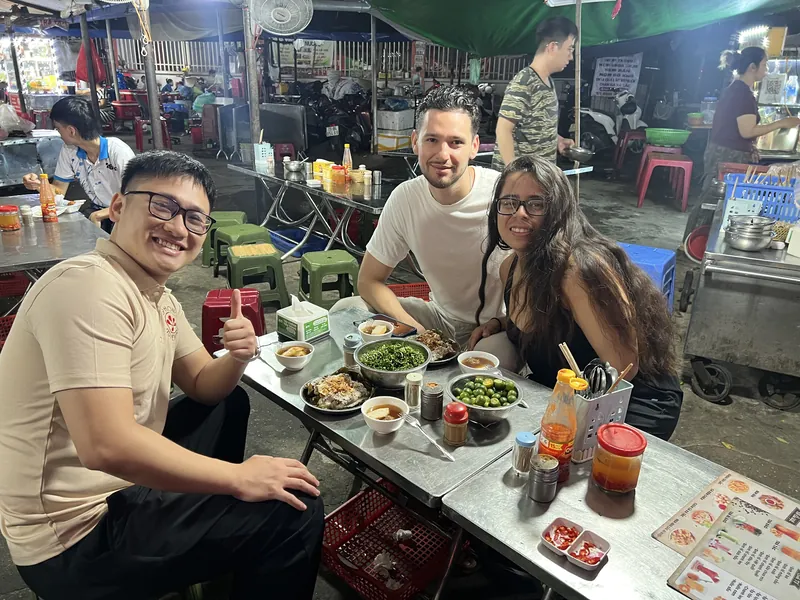
When the sun goes down, Haiphong changes pace. Plastic stools spill onto the pavement, grills start smoking and the smell of garlic, lemongrass and chili fills the street. This is when snails take over. Snail restaurants serve many kinds of shellfish, boiled, grilled, stir-fried or steamed with herbs, along with dipping sauces made with ginger, lime and chili.
You do not need to know the names of every snail. Look at what is on the next table, point, and ask the staff to recommend a mix for your group. Seafood such as crab, shrimp and squid is also easy to find, since the sea is so close. Always ask the price per portion before you order seafood, because it is sold by weight or by dish and can add up quickly.
Snails are a social food. Bring friends, order a few plates, and take your time. Evenings are the best time to enjoy a cold drink, watch the city go by and see how local families spend their free time.
>>> Unusual Things To Do In Haiphong Off Beaten Path
Coffee, Iced Tea And Sweet Treats
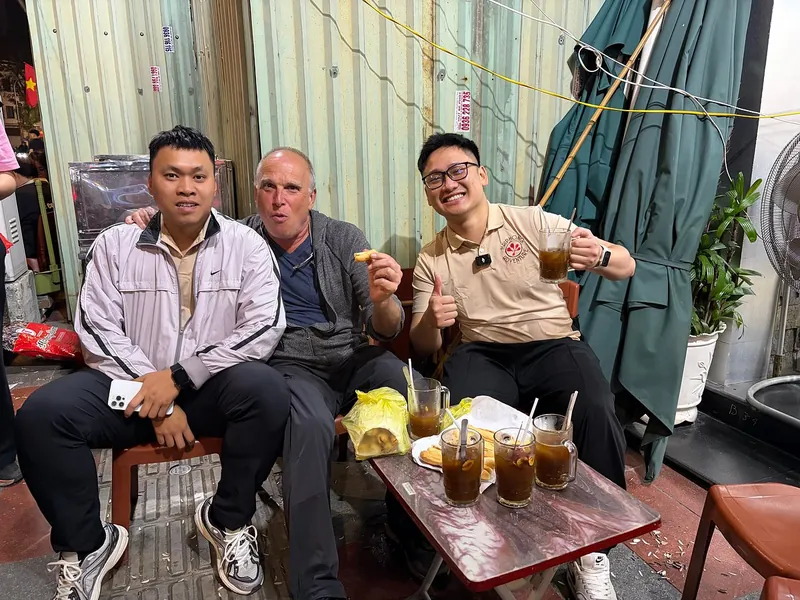
Between meals, do what Haiphong people do and sit down for a drink. Sidewalk cafes are everywhere, with low tables and small stools that face the street. Order ca phe sua da (iced coffee with sweetened condensed milk) or ca phe den da (iced black coffee). Vietnamese coffee is strong, so start with the milk version if you are not sure.
Many cafes also bring a free glass of iced tea, called tra da, which is a good way to stay hydrated on a hot day. If you want something sweeter, try coconut coffee, a creamy blend that tastes almost like dessert, or look for che, the sweet dessert soups served in small glasses. Menus and prices change often, so ask what is available that day.
More Local Dishes Worth Trying
Once you have tried the big names, Haiphong still has plenty left to explore. The dishes below are less famous abroad but loved by locals. They are easy to add to a food day if you still have room.
Bun ca cay, spicy fish noodle soup
Bun ca cay is a local noodle soup with pieces of fried fish, rice noodles and a tangy, chili-red broth, finished with herbs and greens. It is warming, sour and spicy all at once. Like most noodle soups in the city, it is a daytime dish. If you prefer mild food, say khong cay when you order and add chili yourself at the table.
Sui din, a warm sweet soup
Sui din is a dessert of glutinous rice balls with a sweet filling, served in a warm ginger syrup and often topped with coconut milk, peanuts or sesame. It is especially popular in the cooler months. A small bowl is a comforting way to end an evening of snails and seafood.
How to spot a good stall
Look for places that are busy with local customers, have a short menu and cook food in front of you. A pot that is half empty by mid-morning is a good sign, because it means the food sells fast and stays fresh. If a shop is closed or sold out, ask a nearby vendor, since there is usually another stall selling the same dish just around the corner.
A Sample Food Day In Haiphong
If you only have one day, this plan lets you taste the main dishes without rushing. Treat it as a suggestion, not a fixed schedule, and adjust it to your own pace and the opening hours of each place.
Morning
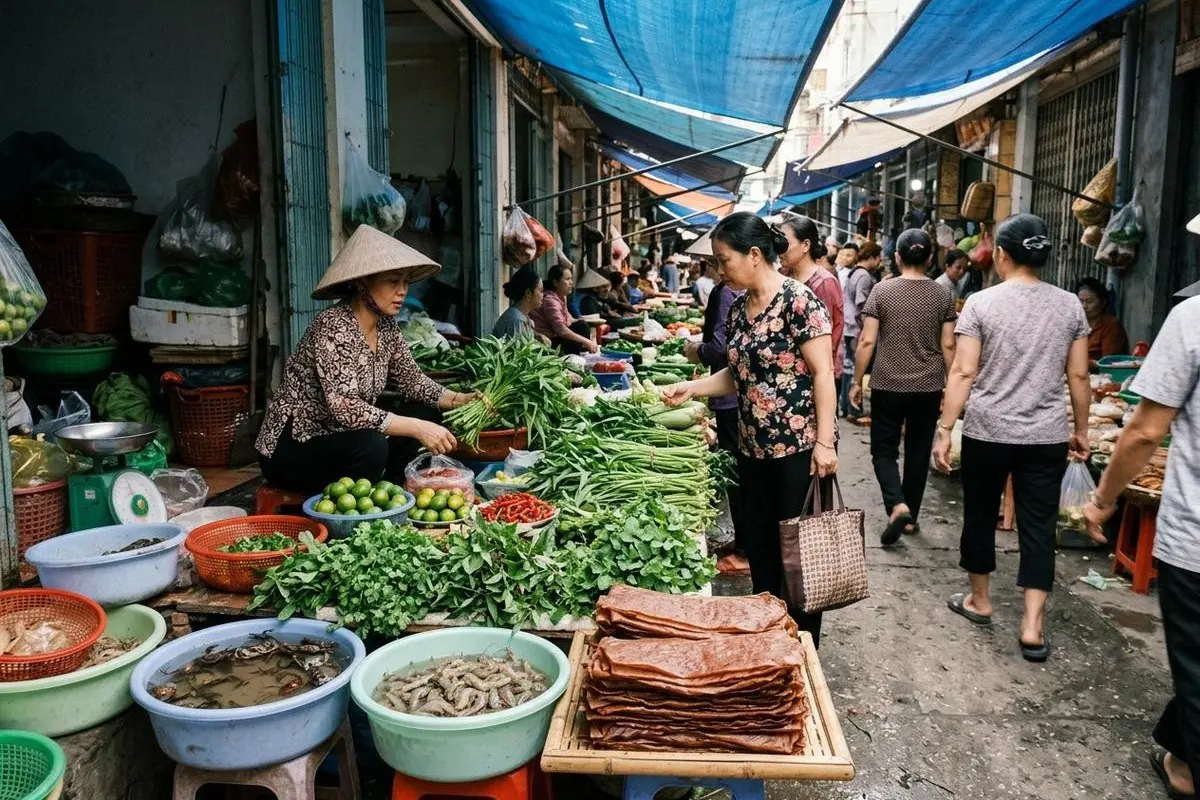
Start early with banh da cua at a local noodle shop. Afterward, walk through a nearby market to see the produce and seafood that go into the city’s dishes. Markets are at their liveliest in the first hours of the day.
Afternoon
Have a coffee break, then pick up a few sticks of banh mi cay for a snack. If you want a sit-down meal, try nem cua be at a family restaurant, or banh beo as a lighter option. This is also a good time to visit a pagoda or the city’s old French-era buildings and let your stomach rest.
Evening
Finish with snails and seafood at a roadside restaurant, then end with a sweet drink or dessert. If you are planning other days nearby, our guide to things to do in Haiphong on a weekend shows how to fit sightseeing around your meals.
>>> Free Things To Do In Haiphong For Budget Travel
How To Order And Eat Safely
Ordering without Vietnamese
You do not need to speak the language. Because most stalls sell one dish, sitting down is often enough to get served. Pointing at another table’s bowl works too. A few words help and are always appreciated: cam on (thank you), bao nhieu (how much), and khong cay (not spicy).
Staying healthy
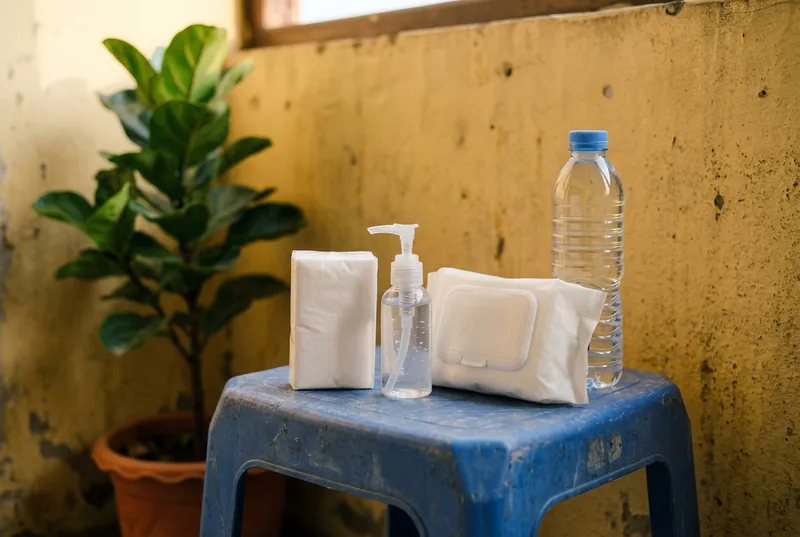
Most visitors eat street food in Haiphong without any problem. Choose busy stalls where food is cooked fresh and served hot, drink bottled or filtered water, and start slowly if your stomach is not used to the cuisine. Wash or wipe your hands before eating, and carry a small pack of tissues, since many stalls do not provide napkins.
Vegetarians and allergies
Many broths use crab, pork or fish sauce, so vegetarian eating takes planning. Learn the phrase an chay (vegetarian food) and look for vegetarian restaurants, which are often near pagodas. If you have a shellfish allergy, be very careful: crab and seafood appear in many of the city’s best-known dishes. Tell your guide or host before you eat, and carry any medication you need.
Frequently Asked Questions
What is the most famous dish to eat in Haiphong?
Banh da cua, the red crab noodle soup, is the dish most closely linked with the city. Banh mi cay and nem cua be are also strongly connected to Haiphong.
What is the best time of day to eat in Haiphong?
Noodle soups are best in the morning, coffee and snacks in the middle of the day, and snails and seafood in the evening. Many small shops sell out, so earlier is better.
Is street food in Haiphong safe for tourists?
Generally yes. Pick busy places, eat food that is hot and freshly cooked, and drink bottled or filtered water.
How much does food cost in Haiphong?
Street food is usually inexpensive, while seafood costs more. Prices change over time and between places, so check before ordering, especially for seafood sold by weight (for reference, updated October 2026).
Can I join a food tour in Haiphong?
Yes. A local guide can take you to places that are hard to find alone and explain each dish. Browse our haiphong tours to compare options, including The Haiphong Street Food and City Tour.
Final Thoughts On Eating In Haiphong
Haiphong rewards curious eaters. You do not need a fancy restaurant or a long list of rules, just an empty stool, an open mind and a little appetite. Start with crab noodle soup, keep going with spicy bread and crab rolls, and let the evening snails decide how late you stay out.
If you would like a local to plan your food days or guide you on the back of a motorbike, the team at Haiphong Adventure is ready to help. Message us and we will build a route around the dishes you most want to try.
WhatsApp, Viber, WeChat: +84(0)934.555.001
KakaoTalk, Line ID: haiphongadventure