Best Month For Haiphong Weather And Activities
If you are looking for the best month for Haiphong weather, the short answer is October and November for most travelers, with March and April as a close second. Those months usually bring the most comfortable temperatures, clearer skies and relaxed days outdoors.
Yet the best time also depends on what you want to do, because the same city that feels perfect for a motorbike ride in autumn can be even better for beach days in summer or cozy food crawls in winter. This guide walks through the whole year, explains what Haiphong weather is like in each season and matches each period with the activities that suit it best.
At Haiphong Adventure we guide visitors every month of the year, so the notes below come from experience on the road.

How Haiphong weather works through the year
Haiphong sits on the northern coast of Vietnam, so it has four recognizable seasons rather than a simple wet and dry pattern. Summer is hot and humid with frequent showers. Autumn is milder and brighter. Winter is cool and damp. Spring is soft, often misty and fresh. Sea breezes make the coast feel a little different from inland Hanoi, and storms from the sea can influence the weather in the warmer half of the year.
Weather varies from year to year, so every statement in this guide is a general pattern, not a promise. Before you book anything, check a current forecast from Vietnam’s national weather service and stay flexible with your plans.
Four ways to choose your month
- If you want comfort above all, aim for October, November, March or April.
- If you want beaches and swimming, choose the warm months and accept some heat and rain.
- If you want fewer crowds and a quiet mood, consider winter.
- If you want festivals and local life, check the lunar calendar before you decide.
>>> My Favorite Things To Do In Haiphong On Weekend
Autumn from September to November
Many local people name autumn as the most beautiful season in the north. The air feels fresher, the sky often turns a clear blue and the worst of the summer heat fades. Mornings are cool, afternoons pleasant and evenings ideal for sitting outside. September can still bring showers and storm activity, while October and November are usually calmer.
Best activities in autumn
- Full-day motorbike rides through villages and rice fields, when the light is soft and the roads are dry.
- Walking tours of the old French quarter, with time for cafes in the shade.
- Street food evenings that are warm enough to enjoy outdoors without sweating.
- Photography at sunrise and sunset, thanks to clearer air.
What to expect
Autumn is popular with both locals and travelers, so book accommodation and popular activities early. Prices and availability change, so confirm details directly. Pack light layers and a small poncho, because an unexpected shower is still possible.

Winter from December to February
Winter is cool, gray and often damp, with drizzle and morning fog. It is the quietest season for tourism, which means fewer crowds at popular places. It is also the best time for hot, hearty food. If you pack well, a winter day in Haiphong can feel intimate and atmospheric. Pagodas, museums and covered markets give you plenty of indoor options on gray days.
Best activities in winter
- Food-focused days, with noodle soups, grilled snacks and sweet hot drinks.
- Pagodas, museums and covered markets that suit gray weather.
- Cafe hopping in the old center.
- Short rides in clear weather, with warm layers and a windproof jacket.
What to expect
Sea trips and island plans can be less comfortable because of wind and cool water, and fog may delay boats. The Lunar New Year, known as Tet, usually falls in January or February, and many businesses close for a few days. Dates change every year, so confirm them before you plan.

Spring from March to May
Spring arrives gradually. March and early April are often misty and soft, with light drizzle and fresh green fields. By late April and May, temperatures climb quickly and the days feel more summer-like. Many travelers love spring because the countryside looks green and the city is lively after the winter break.
Best activities in spring
- Countryside rides when the fields are fresh and the air is mild.
- Temple visits and local festivals, which are common around the early lunar months.
- Walking food tours before the heat becomes strong.
- Early season boat trips, if the sea is calm and the forecast is clear.
What to expect
Humidity can be high in early spring, which makes the air feel sticky even when it is not hot. Bring a light jacket for cool mornings and breathable clothes for afternoons. Haiphong is also known for its flamboyant trees, whose red flowers usually brighten the streets in late spring and early summer, so look up when you walk under the avenues.
>>> Free Things To Do In Haiphong For Budget Travel
Summer from June to August
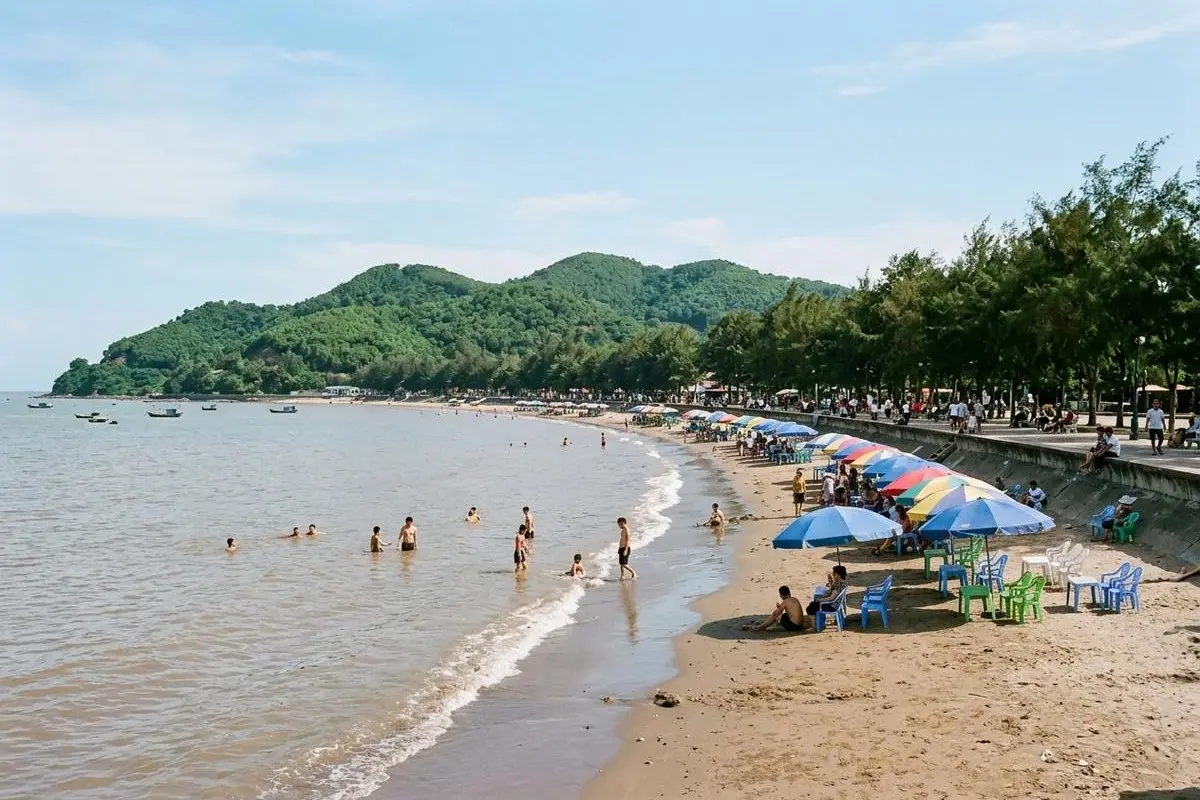
Summer is hot, humid and often rainy, with strong sun and heavy showers that can arrive quickly in the afternoon. It is also the season for beaches, island trips and cold drinks. Storm activity from the sea can occur in the warmer months, and local authorities may change boat schedules or issue warnings. Keep an eye on the forecast and listen to local advice.
Best activities in summer
- Swimming and beach time at coastal spots, plus island outings in settled weather.
- Early morning or late afternoon rides to avoid the strongest heat.
- Indoor activities during midday, such as museums, cafes and long lunches.
- Evening food walks, when the air cools and families come out.
What to expect
Sun protection, water and light clothing are essential. A poncho is useful for sudden showers. School holidays mean beaches and ferries can be busier, so book transport in advance. For island planning, read our guide to the Haiphong to Cat Ba travel time and schedule, and remember that timetables change.
Month-by-month snapshot
This simple table is a rough guide only. Use it to shortlist months, then check the forecast closer to your date.
| Month | Typical weather | Best for |
|---|---|---|
| January and February | Cool, damp and gray | Food, pagodas and quiet streets. Tet closures are possible. |
| March and April | Mild, misty and green | Countryside rides and walking days |
| May | Warm and increasingly humid | Early starts and flowering trees |
| June to August | Hot with showers | Beaches, with flexible plans in case of storms |
| September | Warm, with leftover rain | Improves as the month goes on |
| October and November | Comfortable and bright | Often the best overall window |
| December | Cooling down | Walking and eating |
Matching your interests to the right month
For motorbike and countryside lovers
Choose October, November, March or April. Roads are mostly dry, temperatures are comfortable and rural scenery looks its best. You can read about one of our favorite routes in exploring rural villages via a Haiphong motorbike tour.
For food lovers
Any month works, but winter makes hot noodle soups especially satisfying. Autumn evenings are perfect for street food walks. Our Haiphong street food adventure shows what to try.
For island and bay visitors
Calmer periods in spring and autumn often give better visibility and smoother boats, while summer is warm enough for swimming. Fog and wind in winter can cause cancellations. If you plan a cruise or a boat day on Lan Ha Bay, keep a spare day in your schedule in case boats do not run.
For photographers
Autumn offers clear light and soft colors. Winter fog adds mood. Spring greens look vivid, and summer storms create dramatic skies. The best month for photos is the one that matches your style.
For budget travelers
Winter and the shoulder periods around spring tend to be quieter, so accommodation can be easier to find. Prices change, so confirm them yourself.

Recommended tour
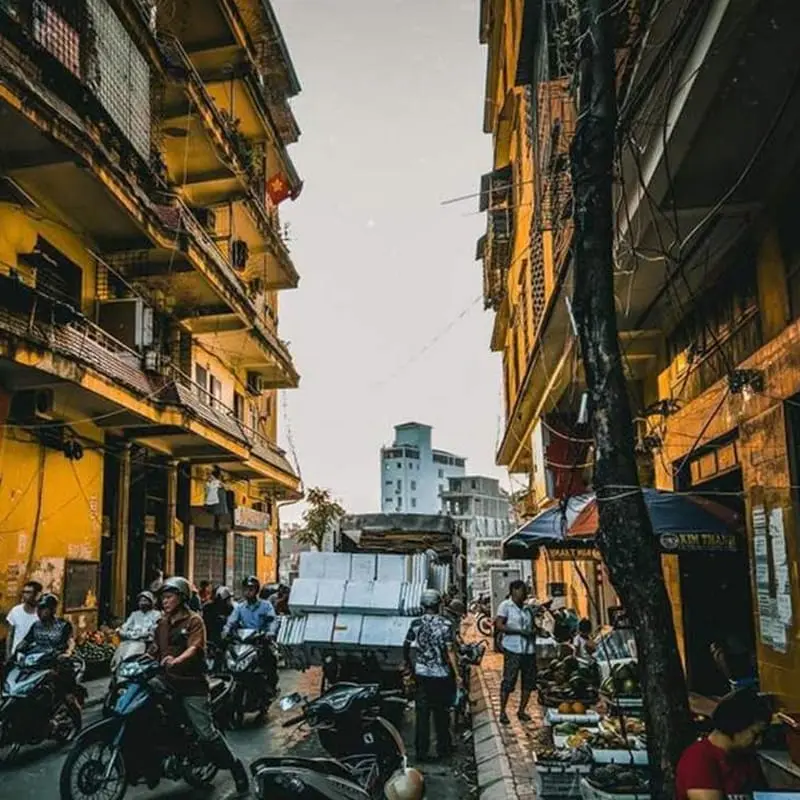
A guided motorbike journey through old streets, architecture and markets, with local food stops along the way. It works in almost every season, because the route adapts to the weather.
From $79 per person (reference price, updated October 2026, please confirm on the tour page)
Storm season and how to plan around it
The warm half of the year can bring tropical storms to the northern coast. Most days remain normal, but a storm warning can quickly change ferry timetables, beach access and road conditions. Treat this risk calmly and with respect.
- Check forecasts each day in the weeks of your trip.
- Follow the guidance of local authorities and your hotel.
- Choose flexible bookings, with free changes if possible.
- Keep an indoor backup plan, such as museums, cafes or food tours.
- Travel insurance that covers weather disruption is a sensible precaution.
When conditions turn poor, we adjust or postpone rides without hesitation, because safety comes first.
Festivals and calendar events to keep in mind
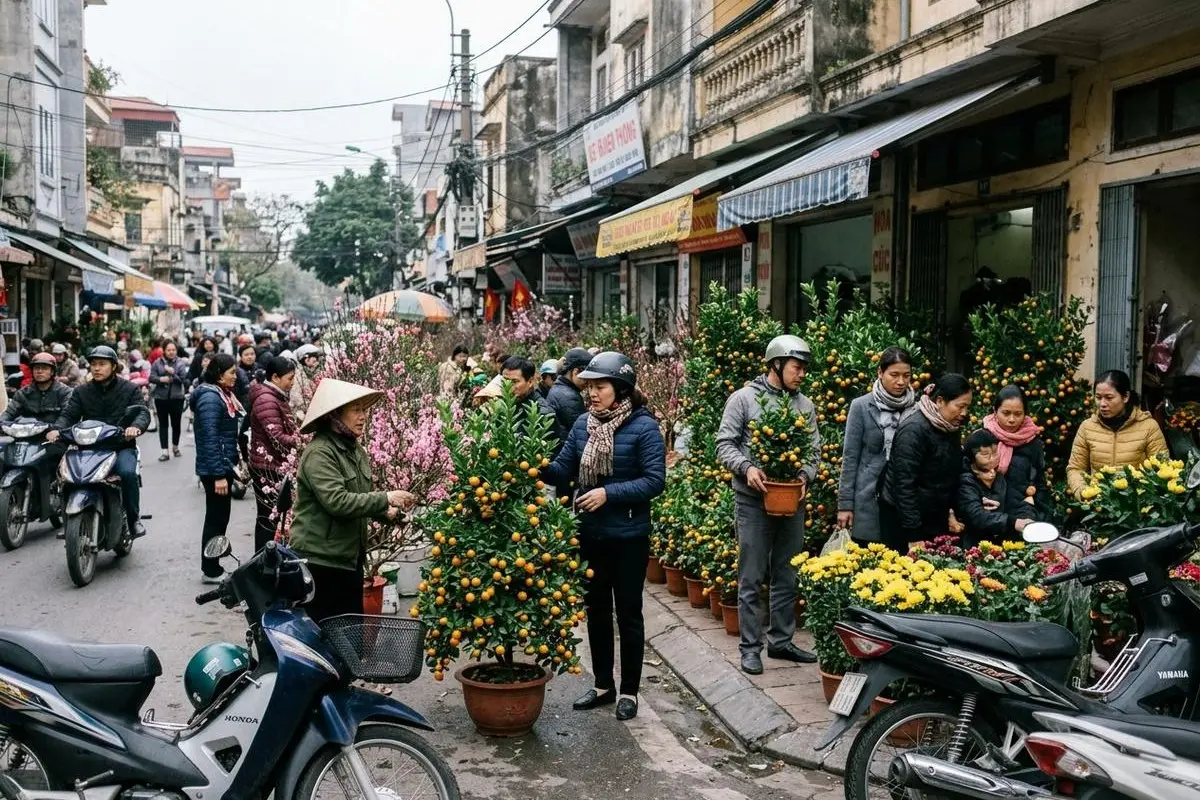
Vietnam follows both the solar calendar and the lunar calendar, and many festivals follow the lunar one. That means the dates move from year to year. Tet is the biggest holiday and usually falls between late January and February. Local festivals also appear at various points in the year, including traditional events along the coast in autumn. Check dates close to your travel plans and ask your hotel or guide for current information.
Holiday crowds
National holidays can fill ferries, hotels and roads. If you want a peaceful trip, avoid the days immediately around major holidays or book early. Our team can suggest quieter alternatives if your dates are fixed.
>>> Unusual Things To Do In Haiphong Off Beaten Path
Packing and preparation by season
Cool months
Bring layers, a windproof jacket, warm socks and a poncho. Closed shoes with grip are best.
Warm months
Bring breathable clothes, a hat, sunscreen, a refillable water bottle and a light rain jacket. Sandals are fine for most of the day, but pack closed shoes for rides.
All year
Carry a power bank, a small first-aid kit, copies of key documents and any personal medication.
One sample day for each season
Numbers and lists only go so far, so here is how a good day might look in each season. Treat these as ideas to adapt, not fixed schedules.
An autumn day
Begin with a late breakfast of noodles, then ride out to the countryside while the light is golden. Stop at a village market, walk along a quiet dike road and have lunch in a family restaurant. Return in the late afternoon for coffee in the old center and a street food dinner as the evening cools.
A winter day
Start with a hot bowl of crab noodle soup, then visit a pagoda while soft light filters through the incense. Spend the middle of the day in a museum or covered market, and enjoy a long, warm lunch. If the sky clears, take a short ride along the river before dinner.
A spring day
Leave early for the green fields outside the city, when mist is still lifting. Visit a temple, join the locals for tea and return for a walking tour of the old French quarter. Finish with a relaxed dinner and a stroll under the flowering trees.
A summer day
Start at sunrise to enjoy the cool hours, then head to the coast for a swim before the sun is strong. Rest indoors at midday, with a cold drink and a long lunch. Return to the street in the evening for snacks, fresh fruit and a walk by the water.

Common mistakes when choosing a month
Travelers often make the same few errors when they plan around weather. Avoiding them helps you enjoy any month.
- Expecting the whole north to feel like Hanoi. Coastal wind and humidity can change the feel of a day.
- Booking boat trips on a single fixed date with no spare day. Weather can force a change.
- Packing only summer clothes for a winter visit, or only a heavy coat for an autumn visit.
- Ignoring the lunar calendar and arriving during a holiday closure.
- Treating a forecast from two weeks ago as a promise. Check again close to your date.
- Trying to fit too many activities into a day in hot weather.
How we adapt tours to the weather
Good guides do not follow a script when the sky changes. We choose the route, the pace and the stops according to the forecast. In heat, we start early and add shade and cold drinks. In drizzle, we slow down, add covered stops and offer ponchos. In windy or stormy conditions, we change the plan or move it to another day. Flexibility is part of the service.
Time of day matters as much as the month
Even in a so-called perfect month, the hour of the day shapes your experience. Early mornings are cool and quiet, ideal for walking and photos. Midday is hot in most seasons, and many people rest. Late afternoon brings softer light and busier streets. Evenings are the social part of the day, with food stalls, cafes and families outdoors.
If you plan your biggest outdoor activities in the early morning and late afternoon, you can make almost any month enjoyable. In summer in particular, shifting your day by two or three hours can make the difference between a tiring outing and a delightful one.

Frequently asked questions about the best month for Haiphong weather
What is the best month to visit Haiphong?
October and November are usually the most comfortable, with March and April close behind. Your own interests can change the answer.
Which months are the rainiest and hottest?
Summer is typically the hottest and wettest period, with heavy showers and occasional storm risk. Conditions vary from year to year.
Is winter a bad time to go?
No. It is cool and gray, but it is quiet and ideal for food, pagodas and cafes. Pack warm layers and a poncho.
Can I go to Cat Ba and the bays in any month?
Often yes, but fog, wind or storms can affect schedules. Stay flexible and confirm on the day.
Do I need to book far in advance?
For holidays, school breaks and autumn weekends, yes. In quieter periods, you usually have more flexibility.
Choose your month and plan it with Haiphong Adventure
There is no single perfect month, only the month that matches your style. Tell us when you can travel and what you enjoy, and we will suggest a route, a pace and a backup plan. You can also browse our Haiphong tours to compare options before you decide.
WhatsApp: +84(0)934.555.001
Viber and WeChat: +84(0)934.555.001
KakaoTalk and Line ID: haiphongadventure