Making Of Banh Mi Cay Traditional Method Look
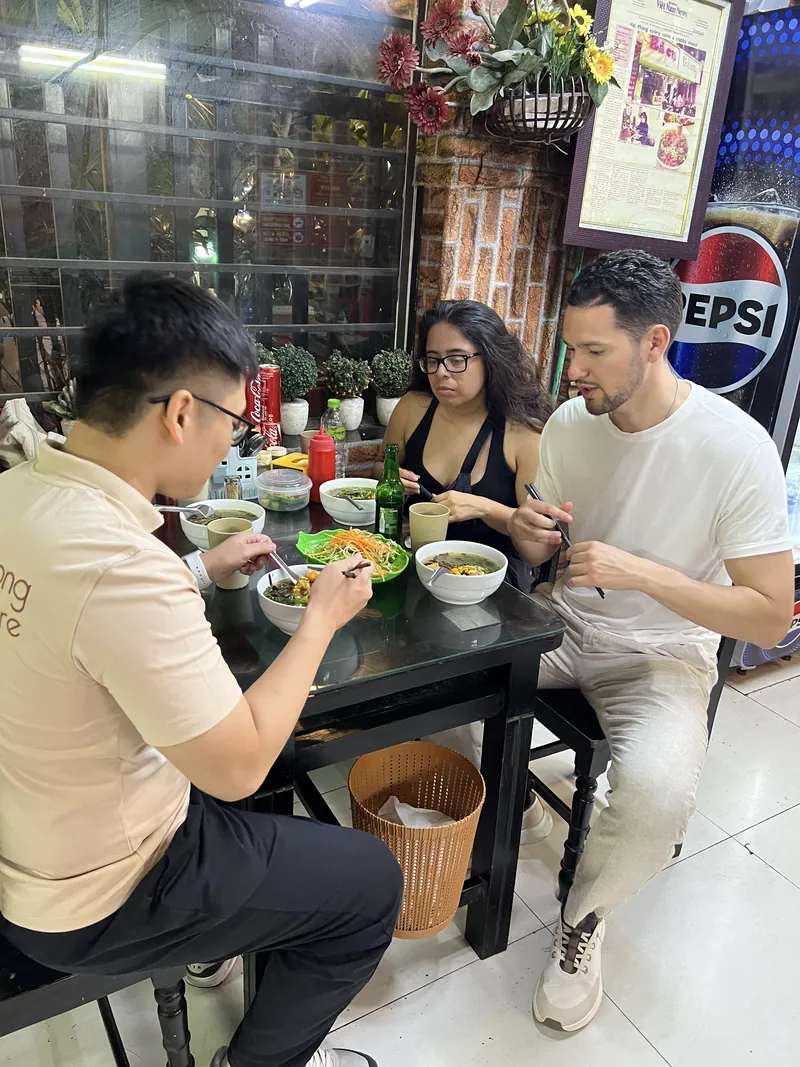
Have you ever wondered how a tiny banh mi cay goes from flour and water to a crisp, spicy roll in your hand? The making of banh mi cay is a daily craft in Haiphong: dough prepared before dawn, ovens heated early, pate and sauce made in small batches, and sellers who wrap each order in seconds. In this guide we take you behind the scenes and describe the traditional method as travellers usually see it, so that you know what to look for when you visit a bakery or stall. At Haiphong Adventure we often stop for a few minutes to watch this process, and guests tell us it makes the snack taste even better.
Every family has its own secrets, and we do not claim to share any exact recipe. What follows is a general, respectful look at the steps, the tools and the signs of care, based on what visitors can observe in public. Opening times and details can change, so treat all practical information as a reference.
A Craft That Starts Before Sunrise
Bread bakers in Vietnam often begin work in the very early hours, so that fresh rolls are ready for the morning rush. Dough has to be mixed, rested and shaped, and the oven needs time to reach the right heat. By the time most people wake up, a batch of bread may already be on its way to stalls around the city.
If you are an early riser, a short walk near a neighbourhood bakery around sunrise can be a highlight of your trip. You will smell the warm bread before you see it, and you may spot delivery riders balancing big baskets on their motorbikes.
Why small and thin?
The short, slender shape of banh mi cay is part of its charm. A smaller loaf bakes quickly, develops a thin crisp crust and is easy to hold in one hand. It is also the right size to carry a spoon of pate and a line of sauce without becoming heavy, and it suits a quick snack rather than a full meal.
Step One, The Dough
Bread dough in this tradition uses simple ingredients: flour, water, yeast and a little salt, sometimes with a touch of sugar or another ingredient chosen by the baker. The exact mix is a closely held choice, and tiny changes affect the crust and crumb.
Mixing and resting
The dough is mixed until smooth and then left to rest and rise. Warm weather speeds this up, cooler days slow it down, so bakers adjust by feel rather than by a printed chart. You may see large trays covered with cloth, which is a typical sign that dough is resting.
Shaping the rolls
Dough is divided into small pieces, shaped by hand into slim loaves and sometimes slashed along the top. Shaping affects how the loaf expands in the oven and how the crust cracks. Skilled bakers work fast, and watching their hands is a small show in itself.
Step Two, The Oven
Baking is where the signature crackle is born. The oven needs strong, steady heat so that the outside sets quickly while the inside stays light. Steam in the first moments of baking helps the crust form a thin, shiny skin.
Different bakeries use different ovens, from modern electric and gas models to older brick or traditional designs. Whatever the equipment, the baker watches colour, listens to the sound and checks the loaves by touch. A good loaf is golden, light for its size and makes a crisp sound when squeezed lightly.
Cooling and keeping crisp
After baking, rolls are cooled on racks or in baskets. Packing them too early traps steam and softens the crust. Stalls often keep bread in a covered box or basket, and some warm the rolls again just before serving to bring back the crunch.
>>> My Haiphong Street Food Adventure Local Taste
Step Three, The Pate
Pate in Vietnamese bread is a legacy of the French influence on the local food scene. It is a smooth, savoury spread usually made from ground meat and seasonings, cooked and blended until creamy.
Some stalls make their own pate, others buy it from trusted producers. Either way, it should taste fresh and clean, never sour or greasy. The pate is spread thinly inside the roll, so that it adds richness without overpowering the sauce.
A note for guests with dietary needs
Pate and cold cuts commonly contain pork, and sometimes liver or other ingredients. If you avoid certain foods, ask clearly and kindly before you order, and be ready to choose another snack if the answer is not what you need.
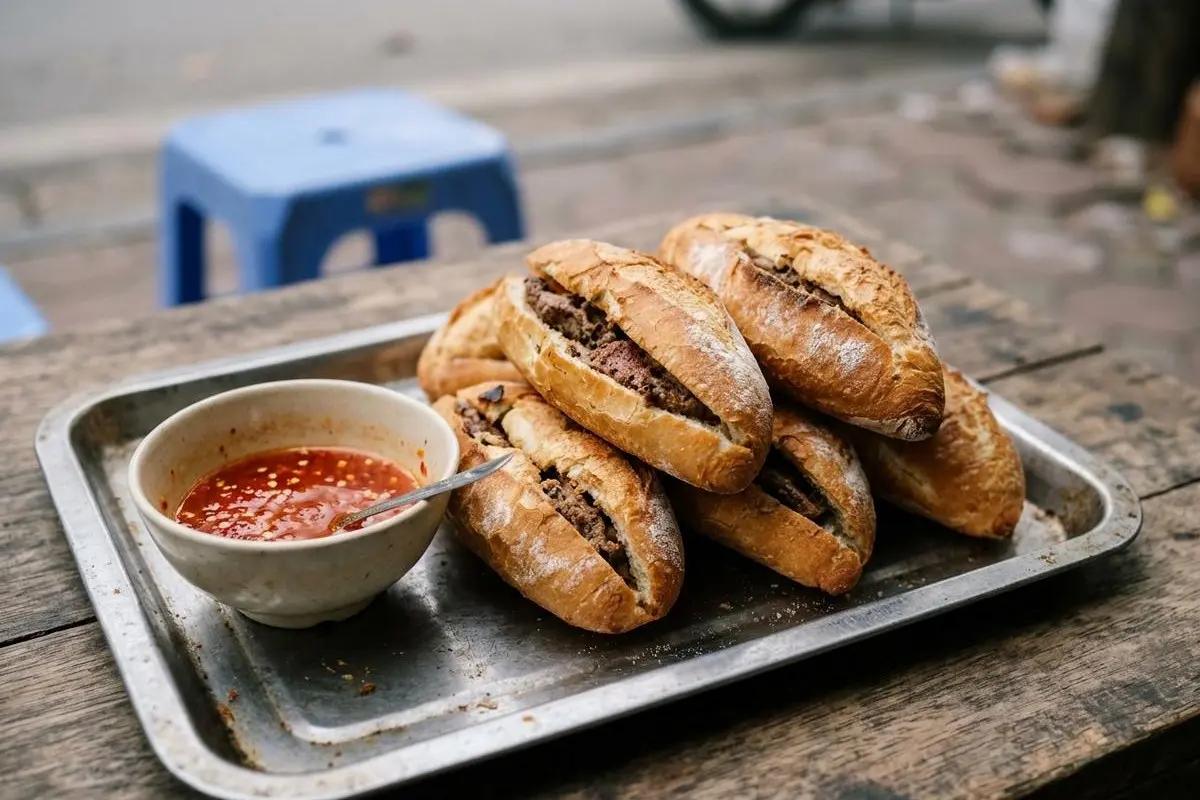
Step Four, The Chili Sauce
The sauce is the soul of banh mi cay, and its recipe is rarely written down for strangers. Typically it combines chili with seasonings that give it salt, a hint of sweetness and depth, and each family adjusts the balance. Some sauces are made fresh every day, others are prepared in larger batches and kept for a short time.
Watch how the seller handles it. Is it stirred in a covered container? Is it spooned with a clean utensil? Does it look fresh and bright? These small details show the care behind the roll.
Why heat levels vary
Chili strength changes from batch to batch, depending on the peppers, the season and the preparation. Even at the same stall, two days can taste slightly different. That is normal in handmade food and part of the charm.
Respecting secret recipes
Do not push sellers to reveal their sauce. It is the result of years of testing and often a family treasure. If you show genuine interest and respect, they may share small hints, such as whether the sauce is sweet or sharp, which is more than enough for a traveller.
Step Five, Assembly At The Stall
The final step is the quickest and often the most fun to watch. The seller splits the roll, warms it if needed, spreads pate, adds fillings and brushes or spoons sauce inside. A few herbs or pickles may follow. The roll is closed, wrapped in paper and handed over, often in less than a minute.
Notice the rhythm of the work: the same movements repeated many times, each one tuned to give a consistent result. It is a small example of the skill that goes into everyday street food, and it deserves your attention and a thank you.
Tools Used In The Making Of Banh Mi Cay
Look closely at a stall and you will see many practical tools. Each has a job in the making of banh mi cay.
- Bread basket or box: keeps rolls warm and crisp.
- Small grill or heater: brings back the crust just before serving.
- Spreading knife and spoon: for pate and sauce.
- Cutting board: for splitting rolls and slicing fillings.
- Paper wrappers and bags: to hand the snack over cleanly.
- Cool box or covered trays: for fresh ingredients.
Each stall arranges these in its own way, often in a tight space with everything within arm’s reach. It is a lesson in efficient design.
What To Look For When Watching A Stall
You do not need to be an expert to notice quality. Use your eyes and nose.
- Bread that looks golden, dry and crisp rather than pale and soft.
- A seller who handles food with clean utensils and covers ingredients.
- A steady flow of customers, which usually means a fresh supply.
- A pleasant smell of toasting bread, not of stale oil.
- Sauces that look fresh and are kept covered when not in use.
Be a polite observer
Ask before taking photos of people or their equipment. Stand to the side so you do not block customers. Buy something while you watch. A small purchase is the best way to say thank you for the show.
Recommended tour
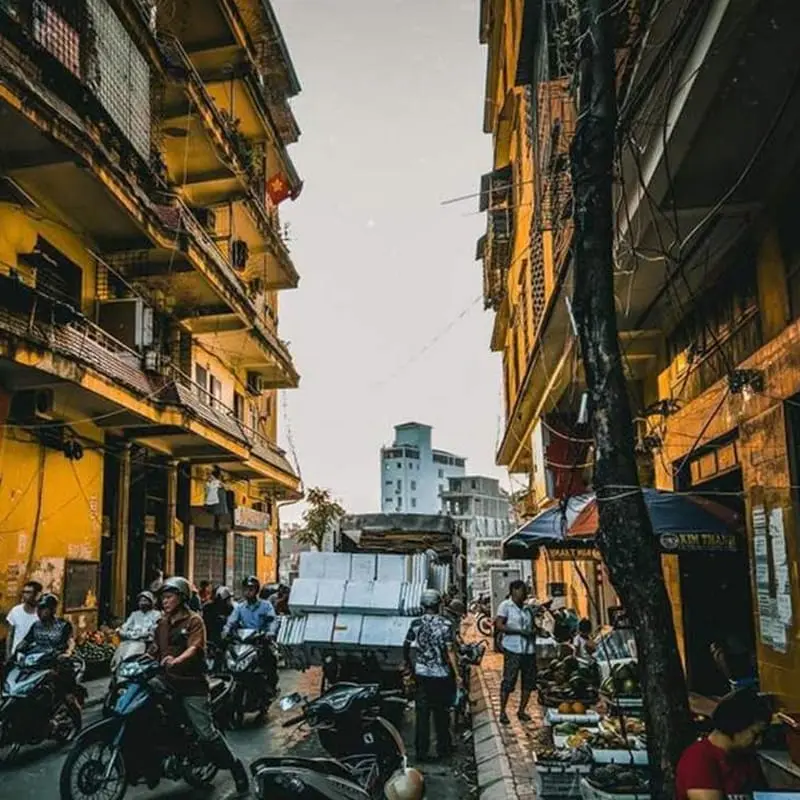
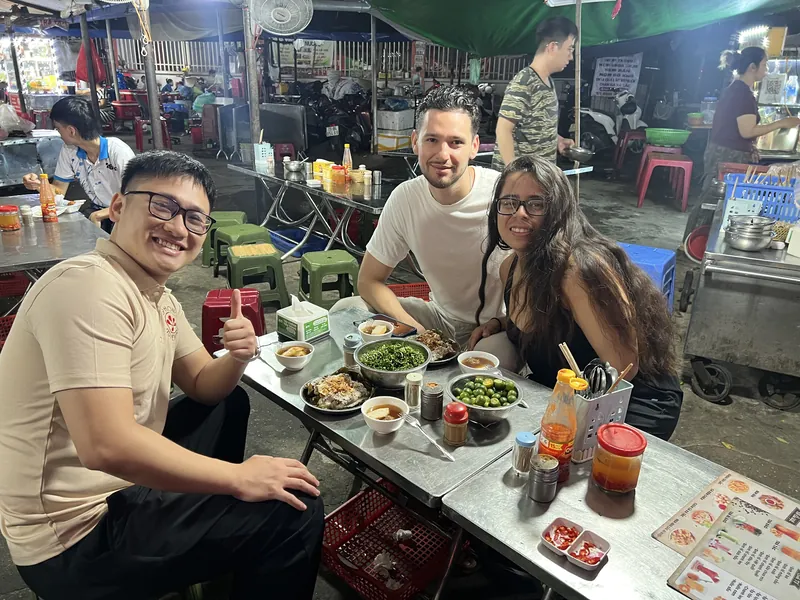
A 4-hour city-centre tour built around traditional local food, with stops where you can watch how everyday dishes are made.
From $79 per person (reference price, updated October 2026)
How Tradition Meets Change
Like many street foods, banh mi cay is changing. Some bakeries use modern ovens and mixers, some stalls have branches, and many sellers share photos online. Yet the core remains: fresh bread, a savoury filling and a bold sauce, made by people who care about the result.
When you visit, you may see both worlds side by side: an old family stall with a handwritten sign and a newer shop with a bright menu. Neither is better in every case. Taste both and form your own opinion.
Preserving the craft
Supporting small sellers helps keep local food traditions alive. Eat at busy stalls, be polite, pay fairly and share your good experience with other travellers.
A Day In The Life Of A Stall
Behind each roll is a long working day. While details differ, many sellers follow a similar rhythm, and understanding it helps you plan your visit.
Before opening
Bread arrives or is baked, ingredients are prepared, sauce is stirred and the cart or counter is set up. This is a busy but quiet time, and sellers appreciate not being disturbed.
Rush hours
Mornings, lunchtime and after school are usually the busiest. Lines form, wrappers fly and the seller moves fast. If you want to chat or watch closely, choose a quieter moment between rushes.
Slow hours and closing
Some stalls close after selling out, others stay open into the evening. Plan to arrive earlier in the day if you want the best choice of fresh bread, and always check the current hours locally.

Why Texture Matters So Much
The charm of banh mi cay lies in contrast. A thin, crisp crust meets a soft, airy inside. Smooth pate meets sharp sauce. Cool herbs meet warm bread. When any part is missing or tired, the whole roll loses balance.
This is why timing is so important. Bread that sits too long becomes soft, and sauce spread too early can make the inside soggy. Sellers who assemble to order, or who warm the bread just before serving, protect the contrast, and that is why many people queue for a few extra minutes.
How to protect the crunch after you buy
Eat soon after purchase. If you must carry it, keep the paper open slightly so steam can escape, and avoid putting it in a closed plastic bag in the sun. Do not store it in a bag with wet items.
Polite Questions To Ask A Baker Or Seller
Showing interest in the craft is a good way to make friends. Here are some friendly questions that most sellers enjoy answering.
- How early do you start working each day?
- Do you bake your own bread, or buy it each morning?
- How long has your family been making this roll?
- Is the sauce made every day?
- What is the best time to come for the freshest bread?
Keep the conversation light and thank them for their time. If language is a barrier, use a translation app and be patient. Remember that busy sellers may not be able to talk during the rush, and that is fine.
Do not ask for secrets
Asking for exact amounts or the full sauce recipe may feel rude, as it is the heart of the business. Appreciate what they are willing to share, and enjoy the taste.
Plan Your Own Behind The Scenes Morning
Here is a simple idea for travellers who enjoy food culture.
- Early morning: walk through a neighbourhood near a bakery and watch deliveries begin.
- Breakfast time: stop at a stall, order one roll and watch the assembly.
- Mid-morning: sit with tea or coffee and take notes on the flavours.
- Late morning: visit a market to see the ingredients used in local dishes.
For more ideas, read our guide to cultural things to do in Haiphong and unusual things to do in Haiphong off the beaten path. If you prefer a local guide who knows which bakeries and stalls are welcoming to visitors, our haiphong tours can arrange it.
>>> Secrets To Enjoying A Real Haiphong Food Tour
Eating It At Its Best After You Have Watched It Made
Once you understand the steps, tasting becomes more rewarding. Take your first bite while the bread is still warm and listen for the crackle. Notice the thin layer of pate, then the arrival of the sauce. Try to guess how much work went into each part, from the dough that rested overnight to the sauce stirred that morning.
Share a roll with a friend and compare what you each notice. One person may pick up the sweetness in the sauce, another the toasted aroma of the crust. These small discoveries turn a quick snack into a lasting memory of the city, and they give you a story to tell when you return home.
Take the memory with you
Photos, notes and a few Vietnamese words will carry the experience with you. Write down the street, the time of day and what you liked, so that you can find the stall again or recommend it to others. Remember that places change, so mention the date in your notes.
Frequently Asked Questions
Can visitors watch banh mi cay being made?
You can usually watch the final assembly at any stall. Seeing the baking depends on the bakery, so ask politely and respect any answer. A guided tour can help with introductions.
Do all stalls make their own bread?
Not always. Many buy bread from bakeries each morning, and some bake their own. Ask the seller if you are curious.
Is the traditional method different from modern shops?
The basics are similar, but equipment, scale and recipes differ. Traditional stalls may be smaller and more hands-on, while modern shops may use more machines.
Can I learn the recipe?
Exact recipes are usually private. Some food tours or cooking classes teach similar dishes, so ask when you plan your trip and confirm what is currently available.
What is the best time to see it?
Early morning is usually best for bread and busy for assembly, but times vary by place and change over time. Check locally.
Ready To See The Craft Up Close?
The making of banh mi cay is a quiet daily performance of dough, heat, pate and sauce, repeated with care by people who take pride in a small roll. Watching it will change how you taste it. If you would like to see it with a local guide who can open doors, translate and keep you comfortable, message Haiphong Adventure and we will plan a morning that suits your curiosity. You can also browse all our Haiphong tours, from food walks to motorbike rides around the city.
Contact Haiphong Adventure:
WhatsApp, Viber, WeChat: +84(0)934.555.001
KakaoTalk, Line ID: haiphongadventure