Haiphong Weather Forecast Preparing Your Trip
A forecast is only useful if you know how to read it. Many travelers glance at a little cloud icon, pack a single jacket and hope for the best, then discover that rain probability, wind and humidity matter far more than the headline temperature. This guide shows how to use the Haiphong weather forecast to prepare your trip, from the first planning stage to the evening before each activity. You will learn where to check, what the numbers mean, how to build a flexible schedule and which decisions to make early or late. At Haiphong Adventure we make weather calls almost every morning, so the tips below reflect habits that work in real life.

Why the Haiphong weather forecast matters for your plans
Haiphong is a coastal city in northern Vietnam, so its conditions can change faster than visitors expect. A bright morning may turn into a showery afternoon. A warm day can be followed by a cold, windy evening in winter. Sea storms can influence ferry schedules and beach days in the warmer months. A good forecast helps you choose what to wear, when to start, which activities to move indoors and whether a boat trip is realistic.
It also helps you stay calm. When you understand that a forecast is a probability and not a promise, a gray sky becomes a prompt to adjust, not a disaster.
What a forecast can and cannot do
Forecasts are quite reliable for the next day or two, reasonably helpful for the next three to five days and increasingly uncertain beyond a week. Local showers in a coastal area are particularly hard to pinpoint. Use long-range outlooks to choose your general packing style, and use short-range forecasts to decide the details.
>>> My Favorite Things To Do In Haiphong On Weekend
Where to check the forecast
No single source is perfect, so compare at least two. Official sources give warnings and regional information. Phone apps give convenient hourly details.
Official national sources
The national weather service, Vietnam’s National Center for Hydro-Meteorological Forecasting, publishes forecasts, storm bulletins and warnings. It is the best place to look when severe weather is possible. Pages may be in Vietnamese, so use your browser’s translation tool if needed.
Phone apps and websites
International weather apps are easy to read and show hourly forecasts, rain radar and wind speed. They may be less accurate for small coastal areas, so treat them as a guide and compare them with a second source.
Local knowledge
Hotel staff, drivers and tour guides often know what the sky is doing better than a generic app. Ask them in the evening and again in the morning. If you travel with us, our team checks conditions before every ride and tells you plainly if we recommend a change.
How to read the numbers that matter
Temperature is only one line on a forecast. For a comfortable day, check the following items.
Rain probability and amount
A forecast of forty percent rain does not mean it will rain for forty percent of the day. It means there is a moderate chance of showers somewhere in the area. Look at the hourly view to find dry windows, and look at expected amounts to tell light drizzle from heavy showers.
Feels-like temperature and humidity
High humidity makes warm days feel hotter and cool days feel colder. In summer, a feels-like value well above the air temperature means you should plan shade, water and rest. In winter, damp air and wind make you feel colder than the reading shows.
Wind speed and direction
Wind affects comfort on a motorbike, sea conditions and boat departures. Strong gusts near the coast can lead to canceled crossings even when the sky looks fine. Check wind before any ferry, island trip or open-water activity.
Visibility and fog
In cool months, early morning fog can reduce visibility on roads and delay boats. If fog is forecast, start a little later and ride more slowly.
UV index and sunrise or sunset
Sunny days can still burn skin quickly. Use sunscreen, a hat and sunglasses when the UV index is high. Sunrise and sunset times help you plan photography and the best time for outdoor activities.

A countdown plan for checking the forecast
Instead of worrying every day, check at planned times. Each check has a different job.
One month before
Do not rely on a daily forecast this far out. Instead, read about the typical season, so you can choose clothing and decide whether to travel at all. Our guide to the differences between bus and train from Hanoi to Haiphong can help you plan transport at the same stage, and remember that schedules change.
One week before
Look at the general outlook. Is the week expected to be wet, windy or hot? Adjust your packing list and consider which days suit outdoor activities and which suit indoor ones.
Three days before
This is the first time the forecast becomes dependable enough to reshuffle days. If you have a boat day or a long ride, check wind and storm warnings, and confirm that your booking has a flexible date.
The evening before
Check the hourly forecast for the next day. Decide on clothing, start time and any changes. Pack a poncho, water and a charged phone. Message your guide or host if the plan needs to move.
The morning of the activity
Look again before you leave. If the forecast has changed, adjust calmly. Never feel pressure to continue with a risky plan just because it was booked.
What to pack based on the forecast
Pack by conditions, not by calendar. Here is a simple guide you can adapt.
If the forecast says hot and humid
- Light, breathable clothing and a hat.
- Sunscreen, sunglasses and a refillable water bottle.
- A light rain jacket or poncho, because heavy showers can arrive fast.
- A small towel to wipe sweat.
If the forecast says cool and damp
- Layers with a windproof outer shell.
- Warm socks and closed shoes with grip.
- A neck gaiter and thin gloves for rides.
- A dry bag or zip-top bags for your phone and documents.
If the forecast says rain
- A poncho, since umbrellas are not suitable on a motorbike.
- Quick-drying clothes and a spare pair of socks.
- A waterproof cover for your day bag.
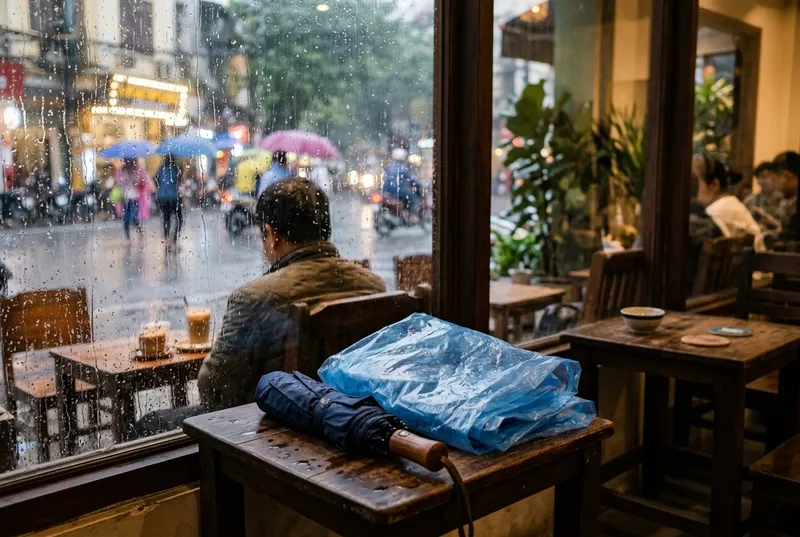
- Indoor backup ideas, such as museums, pagodas and cafes.

>>> Road Trip Guide Hanoi To Haiphong By Motorbike
Planning a flexible itinerary
Great trips leave room for the sky to change its mind. Build your schedule in layers: fixed items, flexible items and backup items.
Put outdoor highlights on your most flexible days
If you only have three days, do not place every outdoor activity on one day. Spread them out so a rainy day does not ruin your trip. If you can, keep one spare day with no big plans.
Match activities to the hour
In hot weather, plan outdoor activities in the early morning and late afternoon, and rest at midday. In winter, plan the main outdoor time around the warmest hours, usually late morning to mid-afternoon.
Prepare a rainy-day shortlist
Keep three or four indoor options ready, such as a museum, a covered market, a cafe with a view and a long lunch at a local restaurant. They turn a wet day into a pleasant one. Our list of free things to do in Haiphong includes several ideas that work in many conditions.
Recommended tour

A guided motorbike journey through old streets, architecture and markets, with local food stops along the way. Stops can be adjusted around the weather, so the day stays comfortable.
From $79 per person (reference price, updated October 2026, please confirm on the tour page)
Forecast decisions for boats, ferries and islands
Water travel is where the forecast matters most. Wind, waves, fog and storms influence departures, and operators may cancel or delay trips for safety. Check the forecast at least three days ahead and again the evening before. If you plan to visit Cat Ba or take a bay cruise, remember that schedules change and that safety decisions belong to local operators and authorities.
- Choose bookings with free date changes when possible.
- Do not schedule a boat trip on the same day as an international flight home. Leave a buffer day.
- Follow the instructions of crew and local authorities at all times.
- Wear a life jacket whenever it is offered, particularly on small boats.

For practical details on the crossing, read our Haiphong to Cat Ba ferry and bus tips, and check the wind forecast again before any kayaking or swimming.
>>> Tips For Kayaking On A Lan Ha Bay Tour Safely
Understanding storm warnings
The northern coast can experience tropical storms, mostly in the warmer part of the year. Authorities issue bulletins as a storm develops, and these can affect transport, outdoor events and beach access. Most trips are never touched by a serious storm, but you should know what to do if one appears.
What to do if a storm is forecast
- Check official bulletins and follow the guidance of local authorities.
- Contact your hotel, guide and transport providers early.
- Move outdoor plans to a safer day or replace them with indoor ones.
- Stay away from the coast, boats and exposed areas while conditions are poor.
- Keep your phone charged and carry copies of important documents.
Travel insurance and flexible bookings
Insurance that covers weather disruption can be useful for island and cruise plans. Read the policy carefully, since coverage differs between providers. Flexible bookings give peace of mind, particularly in the warmer months.
Health and comfort in different forecasts
Weather affects your body as well as your schedule. On hot days, drink water often and take shade breaks. On cold, damp days, keep your feet dry and drink something warm. On rainy days, dry your shoes overnight, using paper inside if needed.
- Pack any personal medication, plus basic remedies for stomach, cold and minor injuries.
- Use mosquito repellent in warm, wet months, especially in the evening.
- Keep your devices dry and charged. A power bank is helpful all year.
- Know the contact details of your hotel and a local emergency number.

Turning a bad forecast into a good day
A poor forecast rarely means a ruined day. It simply means a different day. Some of the best memories come from the moments when plans change, such as a long breakfast while the rain falls, a visit to a pagoda in the mist or a hot bowl of noodles after a shower.
Ideas for wet or gray days
- Join a food tour and move from stall to stall under cover.
- Visit a museum or gallery in the old center.
- Take a slow cafe afternoon with a book and a window seat.
- Browse a covered market and watch daily life unfold.
>>> My Haiphong Street Food Adventure Local Taste
Ideas for very hot days
- Start at sunrise, rest at midday and finish with a sunset walk.
- Choose air-conditioned places for lunch.
- Carry cold water and electrolyte drinks.
- Reduce the number of stops and enjoy each one longer.
When you travel with a local guide, you also get a partner who adjusts on the go. Browse our selection of Haiphong tours to see which style suits you.
Common forecast mistakes to avoid
Even experienced travelers fall into a few predictable traps. Knowing them in advance saves stress and money.
- Reading only the icon. A cloud with raindrops can mean five minutes of drizzle or a heavy afternoon storm, so open the hourly view.
- Trusting a single app. When two sources disagree, assume the weather is uncertain and prepare for both outcomes.
- Ignoring the wind. A calm-looking day at the coast can still have strong gusts that affect boats.
- Checking only once. Forecasts update through the day, so a quick morning check is worth the effort.
- Overpacking for one extreme. Layers beat a bag full of single-purpose items.
- Forgetting that conditions differ by place. The coast, the old center and rural fields can feel different on the same day.

A simple example of deciding with the forecast
Imagine you have booked a full-day ride into the countryside and a short boat outing the next day. Three days before, the forecast shows scattered showers on day one and strong wind on day two. What would a sensible traveler do?
Step one, compare the details
Open the hourly view. If the showers are expected in the afternoon, you can ride in the morning and move to indoor stops later. If the wind forecast is strong, the boat trip is the risky item.
Step two, swap the days if possible
If the second day looks calmer than the first in a later update, swap them. Ask your provider whether a date change is allowed, and do it early rather than at the last minute.
Step three, prepare the backup
Choose a pagoda, a museum and a long lunch as a backup for the wet window. Pack ponchos and keep your phone in a dry pouch.
Step four, decide on the day
Check again at breakfast. If conditions are fine, go ahead. If not, switch to the backup without regret. The goal is a good day, not a perfect plan.
Choosing transport with the forecast in mind
Weather also helps you pick how to travel. In heavy rain or fog, a train, bus or car may feel more comfortable than a long motorbike journey. In clear, mild weather, a ride is a delight. If you are coming from the capital, a clear day is the best time to enjoy the countryside along the road.

Whatever you choose, leave extra time in wet or foggy conditions. Trips take longer, roads can be slick and drivers slow down. Arriving a little later is always better than rushing.
Frequently asked questions about the Haiphong weather forecast
How far ahead can I trust the forecast?
Short-range forecasts of one to three days are the most reliable. Use longer outlooks only as a general guide.
Which weather source should I use?
Use the national weather service for official warnings and a phone app for hourly detail. Compare both before important plans.
What if it rains on my tour day?
Light rain does not always stop a ride. Guides can adjust the pace, add covered stops or move the plan. Heavy rain or storm warnings may require a change of date.
Should I cancel my trip if a storm is forecast?
Check official guidance and speak to your providers. Many trips can be adapted, but safety always comes first.
Do I need travel insurance for weather?
It is not required, but it can protect island and cruise plans. Read the policy carefully before you buy.
Prepare your trip with Haiphong Adventure
A good forecast habit makes every trip smoother. If you would like help planning your dates, choosing activities that suit the season or building a rainy-day backup, message us and we will suggest a plan. Tell us when you will arrive, and we will keep an eye on the sky with you.
WhatsApp: +84(0)934.555.001
Viber and WeChat: +84(0)934.555.001
KakaoTalk and Line ID: haiphongadventure