Haiphong Travel Stories Discovering Port City
Haiphong travel rarely makes the headlines, and that is exactly why it feels so rewarding. This port city east of Hanoi has French colonial façades, a working river harbour, a fiercely proud food culture and a pace of life that has not been polished for tourists. The stories below come from the kind of days travellers often have with haiphong adventure: a swing bridge at dusk, a bowl of crab noodle soup on a plastic stool, a motorbike ride past an opera house lit up at night. Use them to decide what to see, what to eat and how to enjoy the city like someone who lives here.
Why Haiphong travel feels different
Most visitors to northern Vietnam stop at Hanoi, then head straight to Ha Long Bay. Haiphong sits between the two, and it is where many of those journeys actually pass through. The city is Vietnam’s third largest, yet it feels more like a big town where neighbours know each other. Streets are lined with tall, narrow houses, wide boulevards from the French period, and lakes that locals walk around in the evening.
What sets haiphong travel apart is how little is staged. Markets run because people need to shop. Cafés spill onto the pavement because that is where the shade is. When you join one of the haiphong tours run by local guides, you step into that daily routine instead of watching it from a bus window.
Expect heat and humidity in summer, a cool and often drizzly winter, and the best weather in autumn and spring. Check the forecast before you go, as conditions change quickly on the coast.
Story one: the swing bridge at the foot of the city
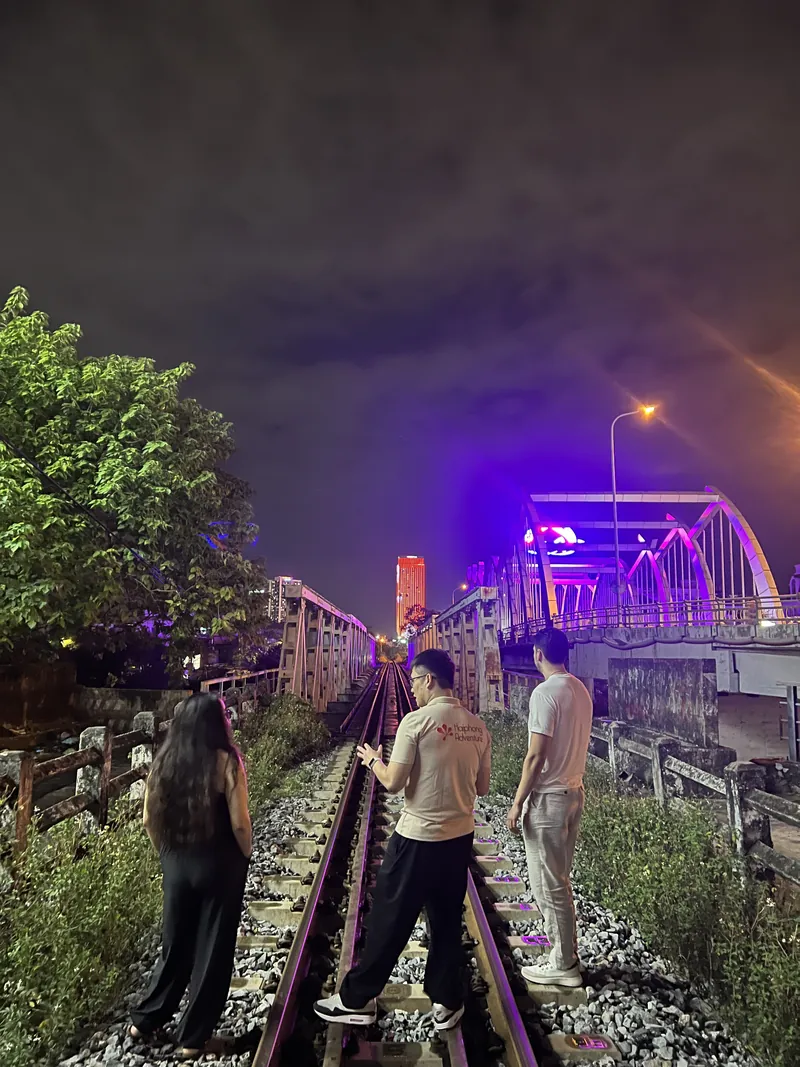
Cau Quay, the old swing bridge, is the image many travellers keep from the city. The iron structure and the railway tracks that cross it feel like a film set, and local guides will happily tell you how this part of the river shaped Haiphong’s role as a port. Walk the nearby street of murals first, then step onto the approach to the bridge for photos, always listening for any sign of a train or traffic.
Best time to visit the bridge
Late afternoon gives soft light and cooler air. After dark the bridge is lit and the mood changes completely. Either way, keep to safe areas, follow your guide’s instructions and never linger when you hear a warning.
Story two: crab noodles and the art of eating local
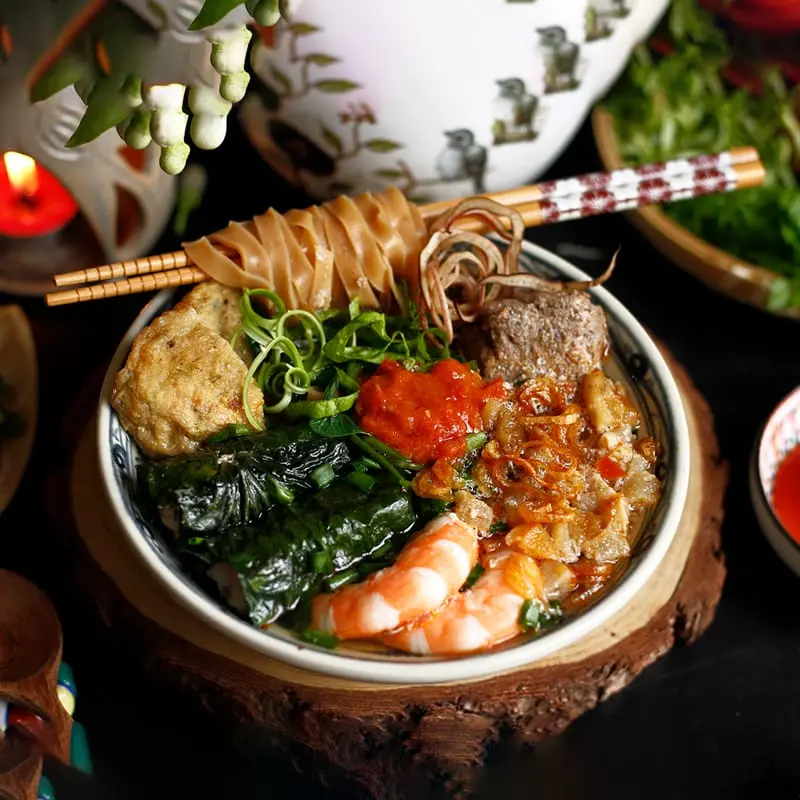
Ask any resident what to eat and the answer starts with banh da cua, the red-tinged noodle soup made with crab, pork and herbs. It is a breakfast and lunch classic, served in small shops where the menu is a single dish. Other dishes worth trying include banh beo, small steamed rice cakes with savoury toppings, and the many grilled and fried snacks sold from pavement stalls after sunset.
Eating here is a social act. You sit low, share the table with strangers and point at what looks good. If you are unsure, a guide can order for you, explain the condiments and keep the spice level friendly. For a deeper look, read our guide to a Haiphong street food adventure and the longer list of must-try dishes and local eateries.

Story three: sidewalk coffee and slow mornings
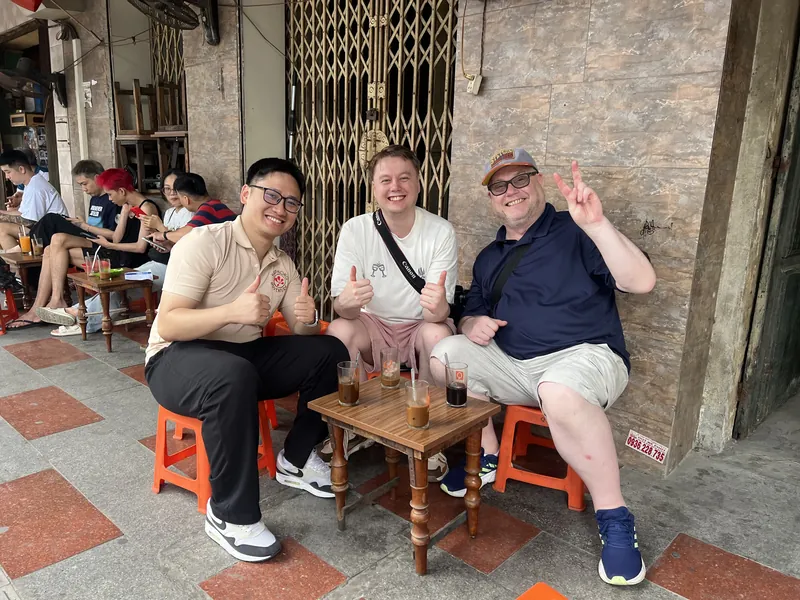
Coffee culture in Haiphong happens at street level. Low plastic stools, tiny tables and a glass of iced Vietnamese coffee are all you need. Locals stop before work, after lunch and again in the evening, often staying an hour with friends. It is one of the easiest ways to sit still and watch the city move.
Try the classic ca phe sua da, strong coffee with condensed milk over ice, or ask for a lighter version if you are sensitive to caffeine. Prices are usually modest, but they vary by café, so check before you order if you are watching your budget.
Story four: French architecture around the Opera House
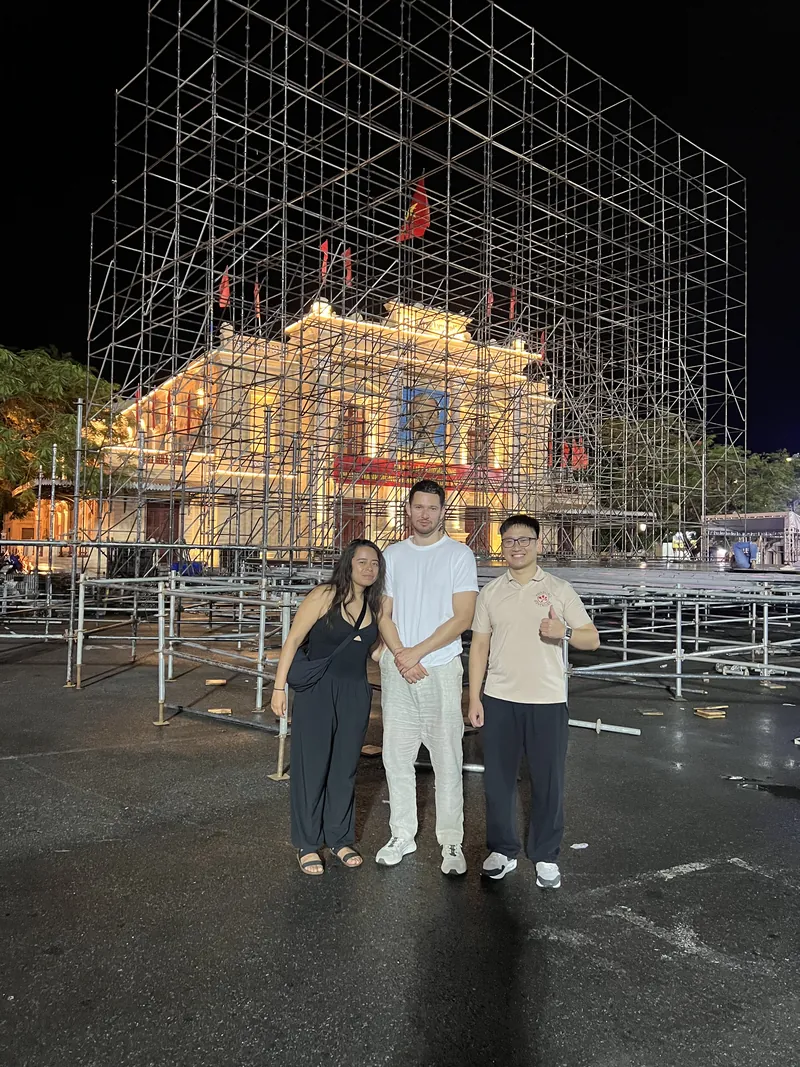
Haiphong’s colonial heritage shows in its public buildings. The Opera House, with its columns and pale façade, anchors the central square, while the City Post Office nearby is another reminder of the French period. Visit in daylight for architecture and detail, and return in the evening when the square fills with families, scooters and the occasional event or stage setup.
If this part of town interests you, our cultural things to do in Haiphong guide covers pagodas, museums and more.
Story five: a night ride through the old streets
Many travellers say the city comes alive after dark, and a motorbike is the best way to feel it. With a local rider at the front, you cruise past the Opera House, along the river and through lanes where families eat dinner outside their doors. Helmets are provided on guided rides, and routes avoid the busiest junctions.
If you prefer to ride on your own schedule, read the motorbike tour safety tips first. They explain local traffic habits, which can surprise first-time visitors.
Recommended tour
The Haiphong Street Food and City Tour
A four-hour mix of street food and city sights in central Haiphong, ideal if you want the stories in this guide in a single outing.
From $85 per person
Story six: along the Cam River
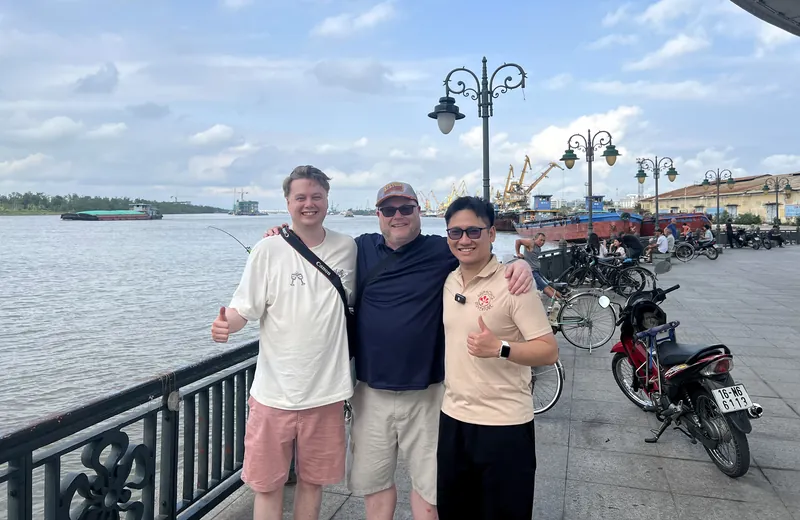
The Cam River is the reason Haiphong exists. A promenade near Hoang Van Thu Bridge gives you a calm stretch for walking, with cargo boats, cranes and the bridge’s lights after dark. It is a good place to slow down after a day of eating, and it shows the working side of the port city that brochures often skip.
Story seven: temples, pagodas and quiet corners
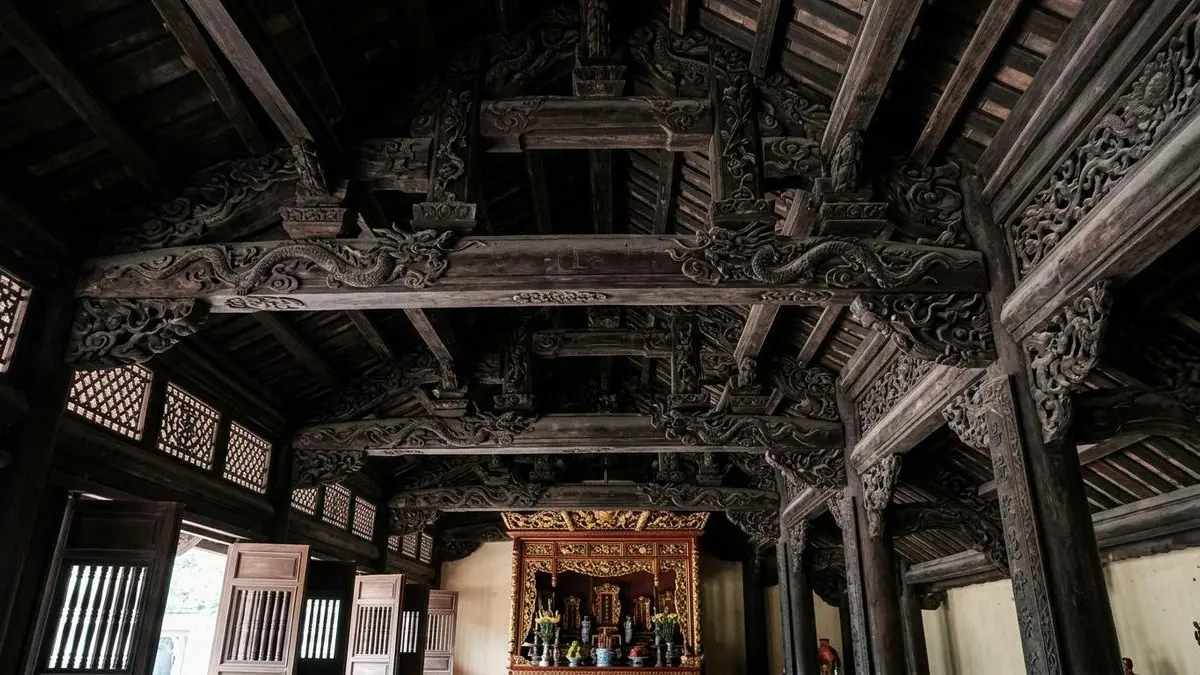
Between the busy streets you will find pagodas where incense drifts across courtyards and red-roofed towers rise above the trees. Linh Quang Pagoda is one example, a calm stop where locals come to pray and where visitors can learn basic etiquette: dress modestly, speak softly and ask before taking photos of people.
Pair these stops with a walk through nearby streets and you get a fuller picture of how faith and daily life overlap.
Story eight: day trips beyond the centre
Haiphong is also a gateway to the coast and the islands. Cat Ba Island and Lan Ha Bay are popular day or overnight trips, and they are easier to enjoy when you understand the logistics. Start with planning a Cat Ba tour from Haiphong city, then check the travel time and schedule because ferry and bus times change with the season.
If you would rather stay on land, the villages and rice fields around the city make a great motorbike day. See our piece on exploring rural villages for ideas.
Practical tips for your Haiphong travel plans
Getting there
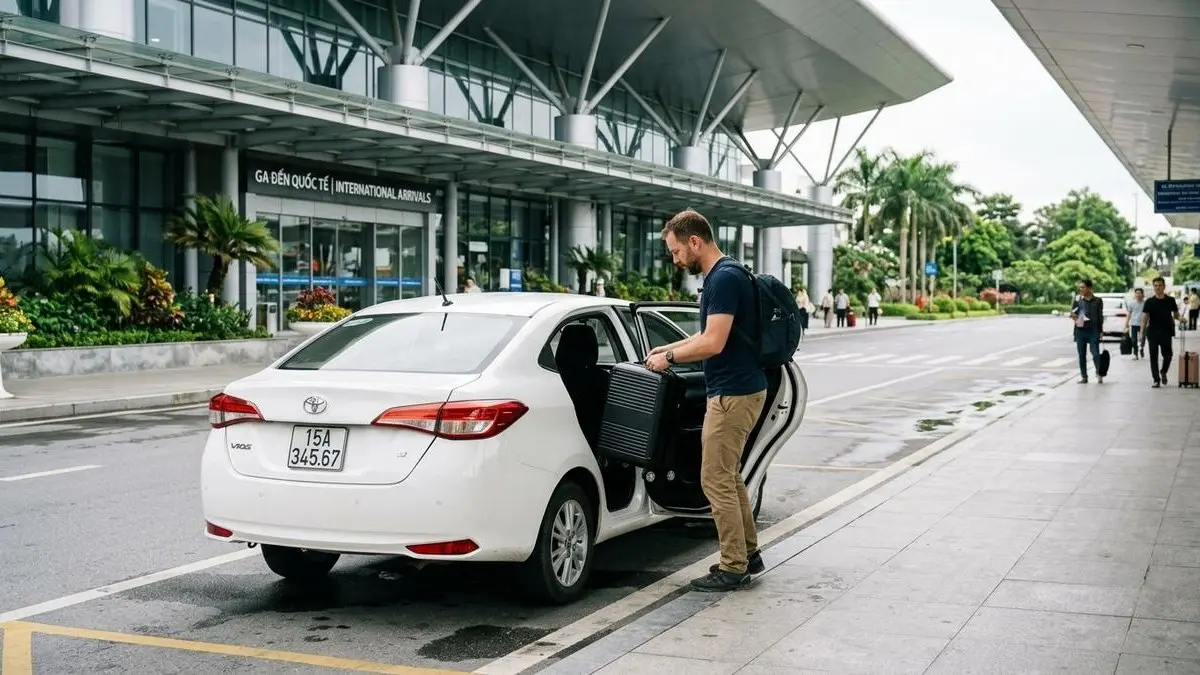
Haiphong is reachable from Hanoi by bus, train, car or motorbike. Our comparison of the bus and train from Hanoi helps you choose. Journey times depend on traffic and the route, so allow extra time if you have a flight or a ferry to catch.
When to go
Autumn and spring tend to be the most comfortable seasons. Summer is hot and humid, with the chance of typhoon weather on the coast. Winter can be cool and grey, so pack a light jacket.
Money, safety and etiquette
Carry some cash for small shops and stalls, although cards and wallets are common in larger places. Agree on prices before a ride or purchase, treat roads with caution, and respect temples and local customs. Prices and opening hours change, so treat any figure you read as a reference and confirm it locally.
A simple two-day plan
If you have a weekend, you can fit in many of the stories above. On day one, start with crab noodles, walk the French quarter, spend the afternoon by the river and finish with an evening ride. On day two, add the swing bridge, a pagoda and a long coffee before you move on. For a ready-made version, see our weekend itinerary.
Frequently asked questions
Is Haiphong worth visiting?
Yes, especially if you enjoy food, architecture and everyday city life without large tourist crowds. It also works well as a base for Cat Ba and Lan Ha Bay.
How many days do I need?
Two days cover the main sights and several meals. Add more time if you want to include Cat Ba Island or the countryside.
Is it safe for foreign travellers?
Haiphong is generally comfortable for visitors. Use normal city precautions, take care in traffic and keep valuables out of sight.
Do I need a guide?
Not strictly, but a local guide helps with ordering food, understanding history and finding places that are hard to locate alone.
What should I try first?
Begin with banh da cua, then a sidewalk iced coffee, and finish the evening with grilled snacks near the centre.
Ready to plan your trip?
These stories are only a start. If you want a local to show you the bridge, the noodles and the night streets, message our team and we will suggest a plan that fits your dates. Browse all Haiphong tours or contact us directly.
WhatsApp, Viber, WeChat: +84(0)934.555.001
KakaoTalk, Line ID: haiphongadventure