Haiphong To Ninh Binh Stopovers For Photos
The best stopovers on the way from Haiphong to Ninh Binh are the ones that turn a long transfer into a photo journey: a riverside village, an old pagoda in the rice fields, a grand church in the delta and finally the limestone peaks themselves. You do not need a professional camera to bring home strong images. You need good timing, a flexible plan and a few simple habits that keep you safe and respectful while you shoot.
This guide suggests photo-friendly places that tend to appear on routes between the port city and Ninh Binh, explains what each one offers, and shares practical tips for light, weather and manners. Roads, opening hours and entry rules change, so always check the current situation before you go, and treat the distances and times as rough guidance. Your exact stops will depend on the route you choose and how much time you have.
Planning a Photo-Friendly Route From Haiphong to Ninh Binh
Before choosing stops, decide how much of the day you want to spend driving. A route with lots of photo stops takes longer than a direct run, so be realistic. Many travellers pick three or four stopovers and leave the rest for Ninh Binh itself.
Expressway or national highway
The expressway network is fast, but it offers few chances to pull over and see anything. National highways pass through towns, markets and fields, and they are the only legal option for motorbikes. If photography is your priority, the older roads give you far more material, and they make every stop easier to reach.
Starting early
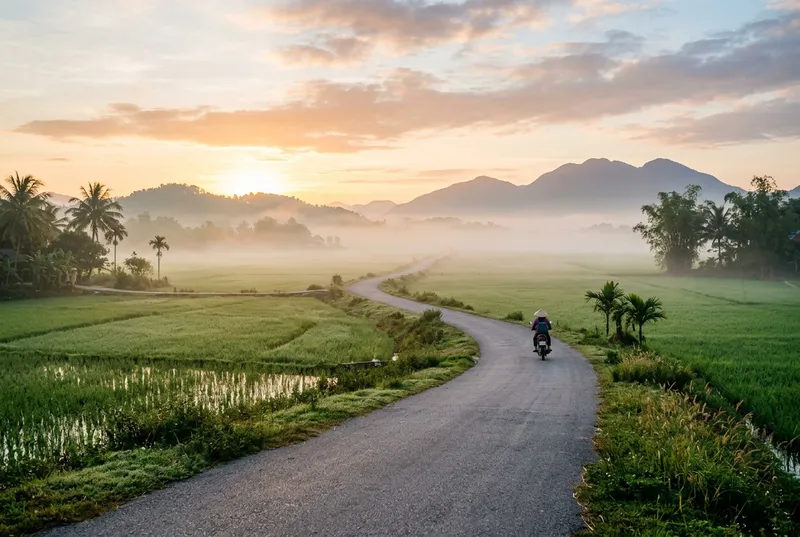
Soft morning light makes rural scenes glow, and early traffic is lighter. If you can leave Haiphong around sunrise, you will catch mist over the fields and warm light on pagoda roofs. Midday light is harsh and flat, so use that time for lunch or indoor stops.
Haiphong Before You Leave
Many people forget that the starting city has its own photo opportunities. If your departure is not at dawn, spend an hour in the centre before you go.
The old French-era streets
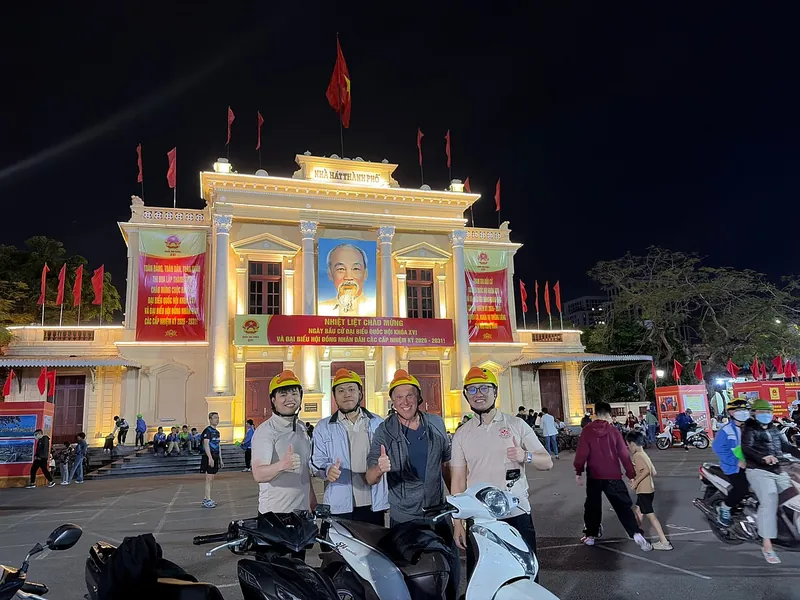
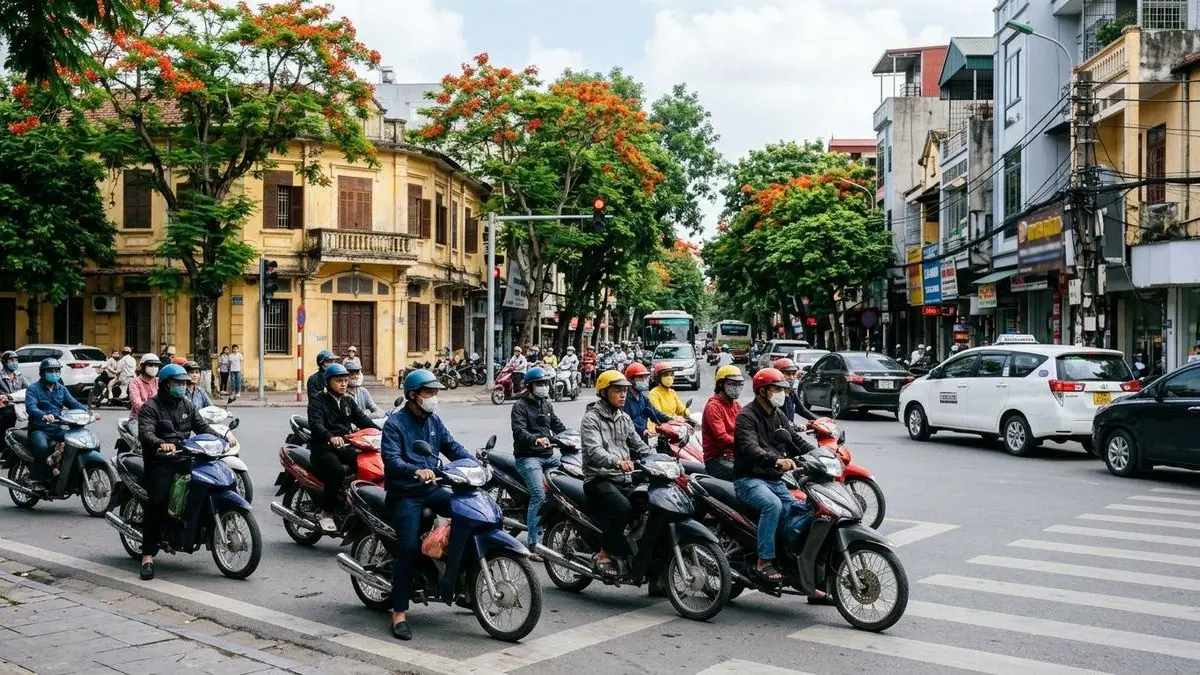
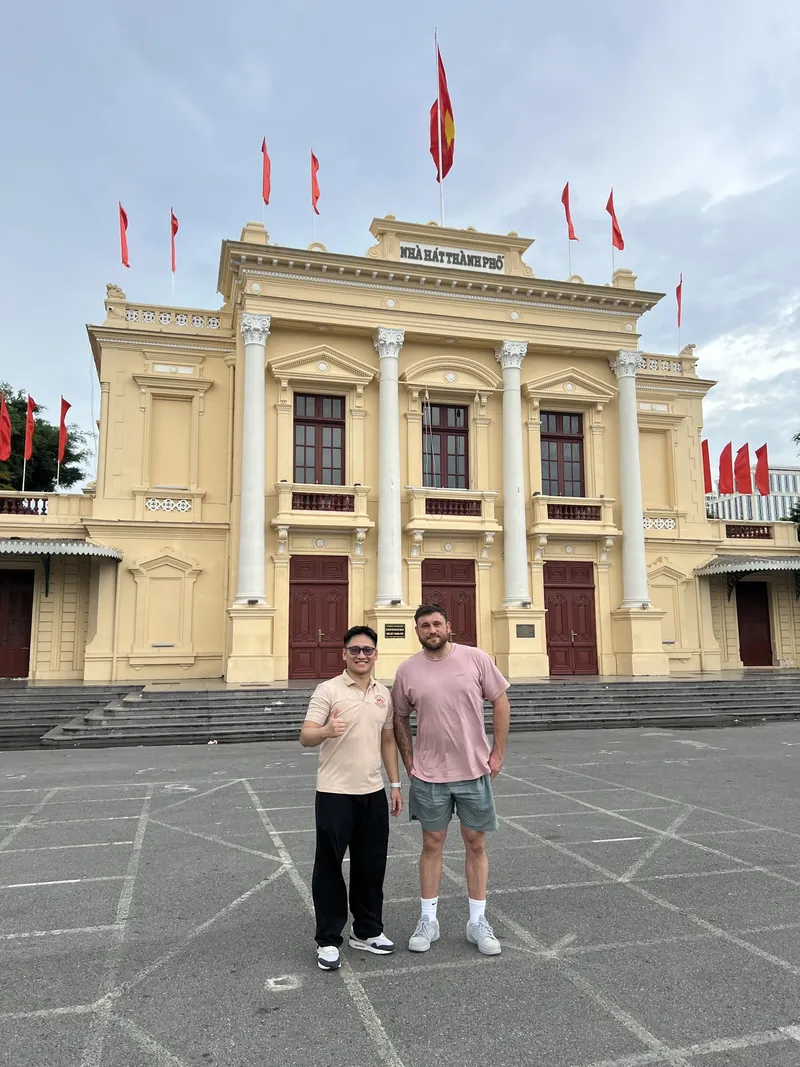
Haiphong has colonial buildings, tree-lined avenues and the Haiphong Opera House, all of which photograph well in the early morning. Wander near the main squares, look for yellow facades and shuttered windows and watch the city wake up.
Markets and breakfast stalls
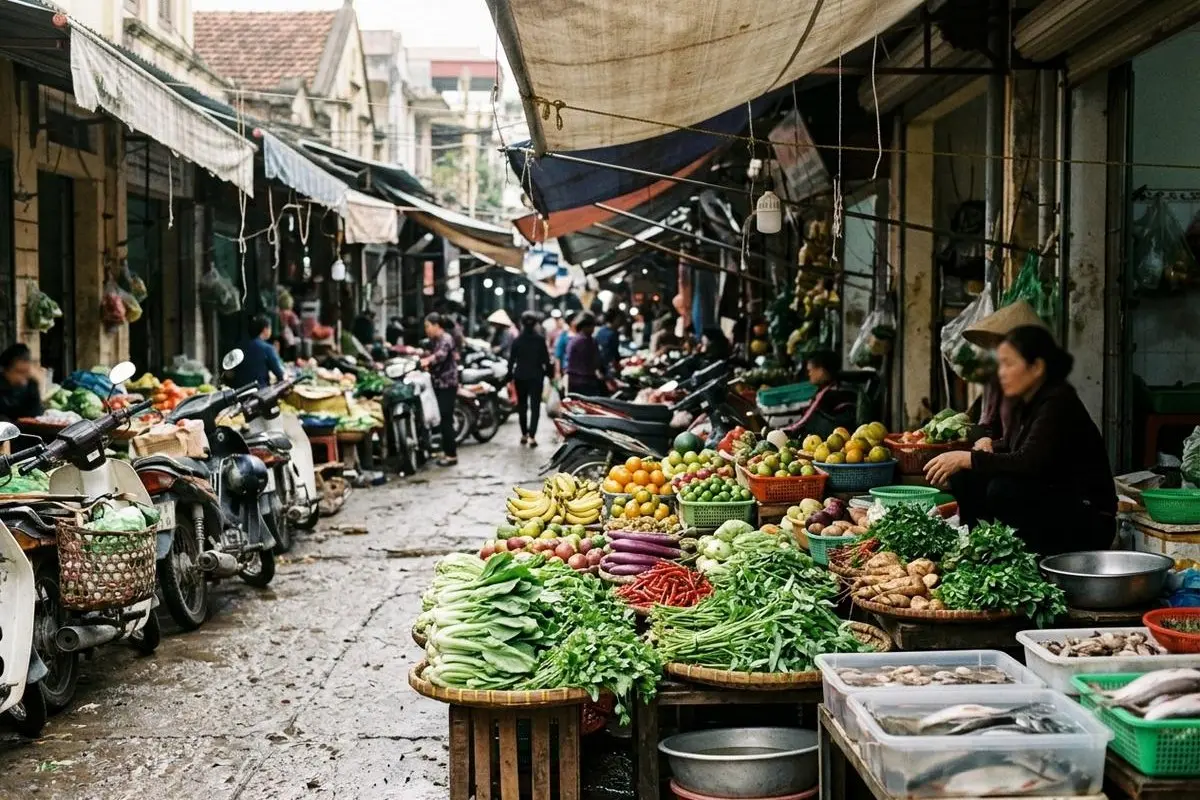
Local markets are full of colour at sunrise. Stalls of vegetables, fish and flowers make lively scenes, and you can pick up breakfast at the same time. Always ask before photographing a person, and buy something small if you spend a while at a stall.
>>> My Haiphong Street Food Adventure Local Taste
Villages and Rice Fields on the Delta
Between the port and the south lies a classic delta landscape. Flat fields are divided by canals, with brick houses, small shrines and ponds scattered between them. Depending on the season you will see green seedlings, golden crops or freshly ploughed earth.
What to look for
- Farmers wearing conical hats, working in the fields
- Water buffalo or ducks near ponds
- Village gates, shrines and old trees
- Drying crops laid out along the roadside
- Boats on small canals
How to shoot it safely
Pull completely off the road before you stop, and never stand in the traffic lane. Wide shots from a safe spot work well, and a longer lens lets you photograph people from a respectful distance. Our article on exploring rural villages on a Haiphong motorbike tour has more ideas for photographing village life with courtesy.
An Old Pagoda in the Countryside
The countryside between Haiphong and Ninh Binh holds many old pagodas. One of the best known is Keo Pagoda in the Thai Binh area, famous for its elegant wooden architecture and a tall, multi-tiered wooden bell tower. Visiting rules and festival days change, so ask locally before you arrive and confirm that the site is open.
Why pagodas photograph well
Curved roofs, carved wooden beams and incense smoke create strong shapes and moods. Early morning, when few visitors are around, gives you quiet frames and softer light. Look for details such as lanterns, statues and worn stone steps.
Temple etiquette
Dress modestly with covered shoulders and knees, remove your shoes where signs ask, and keep your voice low. Do not photograph worshippers praying without permission, and avoid flash inside halls. If you are unsure whether photography is allowed in a hall, ask a monk or caretaker.
A Tall Tower and a Riverside Town
Further along the highway, the Nam Dinh area is known for historic temples linked to the Tran dynasty. Its most photographed landmark is the brick tower of Pho Minh Pagoda, which dates from the Tran era and rises above the surrounding houses. Towns here can be busy, but they offer a nice change from open fields. A coffee stop on a shaded street is a good way to rest and review your photos.
Street scenes
Use your camera to capture daily life. Motorbikes loaded with goods, vendors carrying baskets and old shopfronts make lively subjects. Keep your camera ready but be discreet. A smile before you shoot goes a long way.
Food as a subject
Small noodle shops, snack stalls and tea stands offer colourful close-ups. Photograph the food, the steam and the hands preparing it, and enjoy the meal after you have finished shooting.
>>> Scenic Stops From Hanoi To Haiphong Journey
Recommended tour
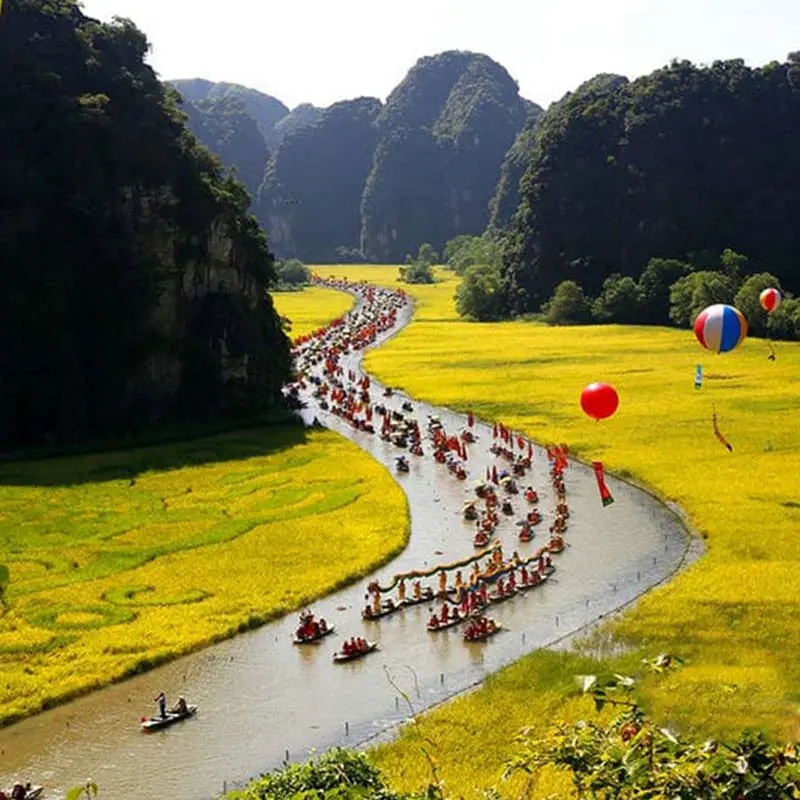
Stunning Ninh Binh Tours Tam Coc – Hoa Lu – Rural Village
A day tour in Ninh Binh covering Tam Coc, Hoa Lu and a rural village, with transport and timing handled for you.
From $120 per person (reference price, updated 10/2026)
A Grand Church in the Delta
Near the southern end of the delta, in Kim Son, stands Phat Diem Cathedral, famous for blending Vietnamese pagoda-style roofs with Catholic traditions. Built from stone and timber in the late 19th century, it is a favourite for photographers who enjoy detail. Visits depend on service times and local rules, so check what is open and dress respectfully.
Composition ideas
- Wide shot of the front and the water in front of it
- Close-ups of carved wood and stone patterns
- Interior light beams falling on the pews
- People walking across the courtyard for scale
Be sensitive during services
If a service is running, keep your camera down, stay quiet and step outside. The building is first of all a place of worship, and respect for the community gives you better access and better photographs.
Arriving in Ninh Binh
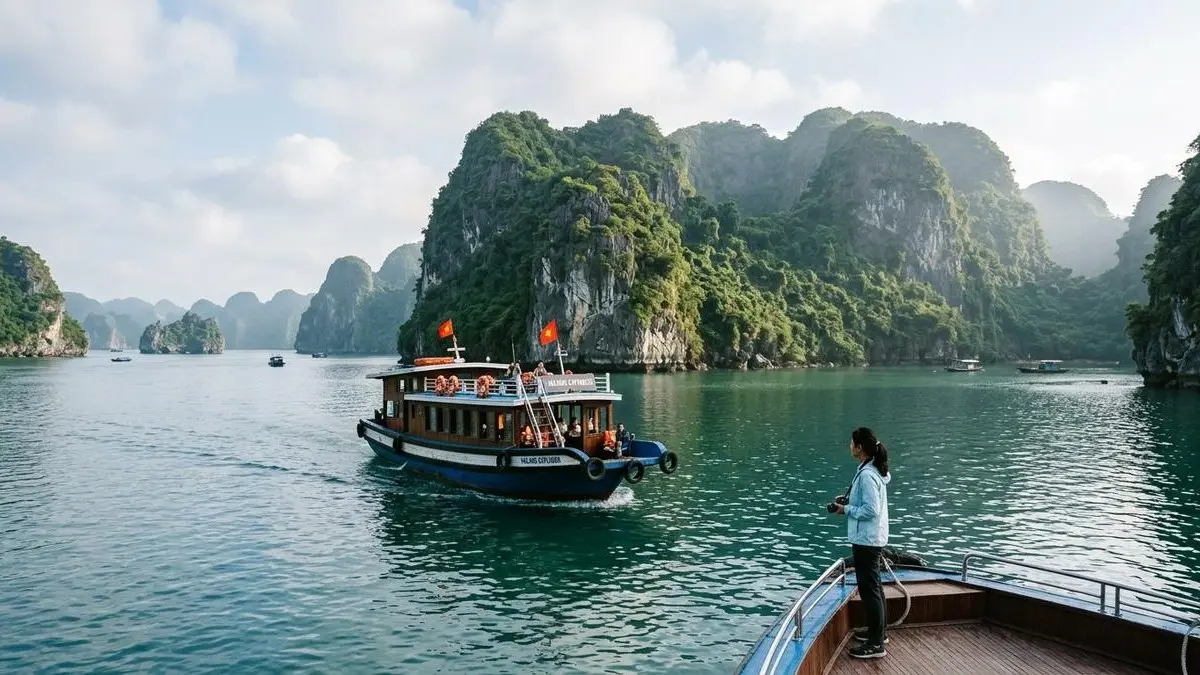
When the first limestone towers rise from the fields, you know you have arrived. The landscape here is the star of the trip, and it changes with the light.
Boat rides through the caves
At Tam Coc and Trang An, rowers guide small boats through waterways, tunnels and under cliffs. Sit low and keep your bag dry. The best images often come from shooting the rower, the water and the stone together, so ask your boatman where the light is best. Prices and schedules change, so check the current arrangement at the ticket point.
A climb to a viewpoint
The best-known viewpoint, Hang Mua (Mua Cave), is reached by climbing a long flight of stone steps. The reward is a wide scene of river bends, fields and peaks. Go early or in the late afternoon to avoid midday glare and heavy crowds. Wear good shoes, bring water and take your time.
Pagodas and old capitals
The region includes ancient temples and the remains of Hoa Lu, Vietnam’s royal capital in the 10th century. Take photos of gateways, courtyards and carved stone figures. The wider area belongs to the Trang An Landscape Complex, listed by UNESCO as a World Heritage Site.
Cycling between villages
Bicycles let you stop wherever the scene looks good. Ride slowly on quiet lanes, and park off the path when you take pictures.
A Sample Photo Day
This outline shows how the stopovers can fit into one long day. It is a planning idea, not a fixed timetable, and you should adjust it to the weather and your energy.
Early morning, city and market
Spend the first hour in Haiphong, catching the old streets and a market in soft light. Have a simple breakfast, fill the tank or confirm your driver, and set off before the traffic grows heavy.
Mid-morning, villages and a pagoda
Take your time through the delta. Stop twice at most for field and village scenes, then spend a calm half hour at an old pagoda. Keep your phone charged and your water close.
Midday, lunch and a rest
Choose a busy local restaurant in a riverside town, eat well and let the harsh light pass. This is also a good moment to back up photos and clean your lens.
Afternoon, the church and the first peaks
Visit the grand church if it is open to visitors, then continue south as the limestone peaks appear. The light improves from mid-afternoon and the colours deepen.
Evening, golden hour in Ninh Binh
Reach your first viewpoint or a quiet lane near the fields for the last hour of light. Staying overnight lets you return for sunrise, which many photographers consider the best moment of the trip.
Photographing People With Respect
Some of your best photographs will include people, and that makes manners important. A short exchange before the shutter clicks changes everything.
Ask, smile and share
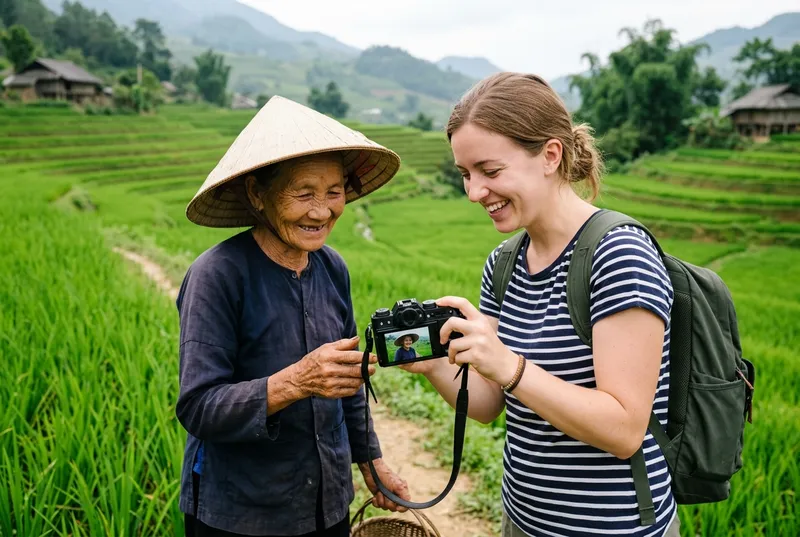
Point to your camera and smile. A nod or a thumbs up is usually enough to start. Show the person the picture afterwards, since many people enjoy seeing it and it builds trust. If someone says no, accept it graciously and move on.
Children and religious settings
Be extra careful with children and always ask a parent first. Inside temples and churches avoid close-ups of worshippers, and never use flash during prayers or ceremonies.
Avoid staged poses
Natural scenes tend to look better than forced ones. Do not ask villagers to pose for long or to interrupt their work. A few quiet minutes of observation usually brings a better moment than any request.
Common Mistakes to Avoid
Learning from other travellers saves time and frustration.
- Trying to visit too many stops and arriving at the last one in poor light.
- Shooting only at midday when contrast is strongest.
- Forgetting spare batteries, memory cards or a power bank.
- Standing in the road or on a narrow bridge to get a shot.
- Ignoring the weather forecast and leaving camera gear unprotected.
- Skipping lunch and getting tired and cranky by mid-afternoon.
Backing up and sharing
Copy your images to a laptop or a cloud service every evening, and keep a second copy if you can. When you share them online, tag locations thoughtfully and avoid revealing fragile or private places that cannot cope with a rush of visitors.
Light, Weather and Seasons
Light and weather change the character of every stopover.
Golden hour
The hour after sunrise and the hour before sunset give warm, low light. Plan your must-see viewpoints for these times, and keep midday for shade and food.
Mist, rain and clouds
Do not be discouraged by grey skies. Mist makes limestone peaks look layered and mysterious, and wet streets reflect colour. Carry a rain cover for your camera or phone and a microfibre cloth to wipe the lens.
The colour of the fields
Fields are usually bright green during the growing season and golden when the crop is ripening. Exact timing varies year to year, so ask locally if the colour matters to you.
Gear and Phone Tips
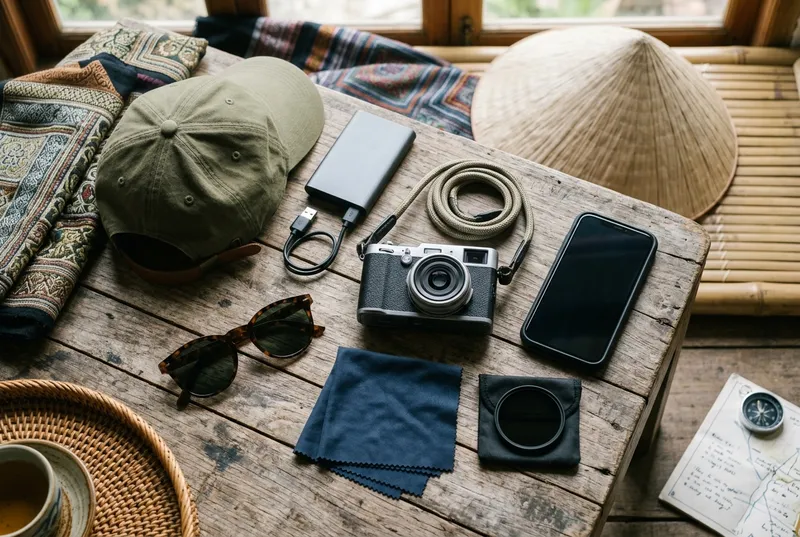
You do not need heavy equipment. A phone with a good camera, a spare battery and a small cloth can take excellent images.
- Clean your lens before every stop.
- Use gridlines to straighten horizons.
- Tap to set focus on your subject and adjust the exposure slightly down for bright skies.
- Shoot in both wide and close-up views for variety.
- Turn on HDR for scenes with bright skies and dark shadows.
If you carry a camera
A standard zoom lens and a small tripod cover most situations. Pack silica gel in your bag to fight humidity, and use a polariser to cut glare from water.
>>> Photography Guide For Your Lan Ha Bay Tour Trip
Safety and Respect
Photography is no excuse for risky behaviour. Never walk onto roads, rice paddies or private property without permission, and check the local rules before flying a drone, since flying is restricted in many areas. If you ride, stop only where it is safe, and keep your helmet on until you are off the road.
Travelling with a local driver
Haiphong tours with a local driver or guide take the stress out of finding safe places to stop. A guide knows where to park, which lanes are quiet and when sites tend to be crowded, so you can concentrate on your photos. If you ride a motorbike yourself, keep stops short and always wear a properly fastened helmet.
Frequently Asked Questions
How many stopovers are realistic on the way from Haiphong to Ninh Binh?
Most travellers manage three or four in a relaxed day, leaving time for the main sights in Ninh Binh. More than that makes the day feel rushed.
What is the best time of day for photos?
Early morning and late afternoon give the softest light. Midday is good for shade, food and indoor visits.
Do I need a guide to find these places?
You can find them on your own with a map, but a local guide helps with timing, parking and respectful access, and saves time.
Can I photograph inside temples and churches?
Rules vary. Always ask first, avoid flash and stay quiet. Some areas do not allow photos at all.
Is it safe to stop on the roadside?
Only pull over where you are fully off the carriageway and visible. If in doubt, drive on to a safer spot.
Plan Your Photo Journey With Us
If you would rather focus on your camera than on the road, Haiphong Adventure can help you plan a route with the right stops and a driver or guide who knows the light. Tell us your dates and interests, and we will suggest an itinerary. You can also browse our Ninh Binh tours for ready-made options, or explore the full range of Haiphong tours with our local guides.
Contact us any time.
- WhatsApp, Viber, WeChat: +84(0)934.555.001
- KakaoTalk, Line ID: haiphongadventure