Haiphong Post Office Architecture Photo Guide
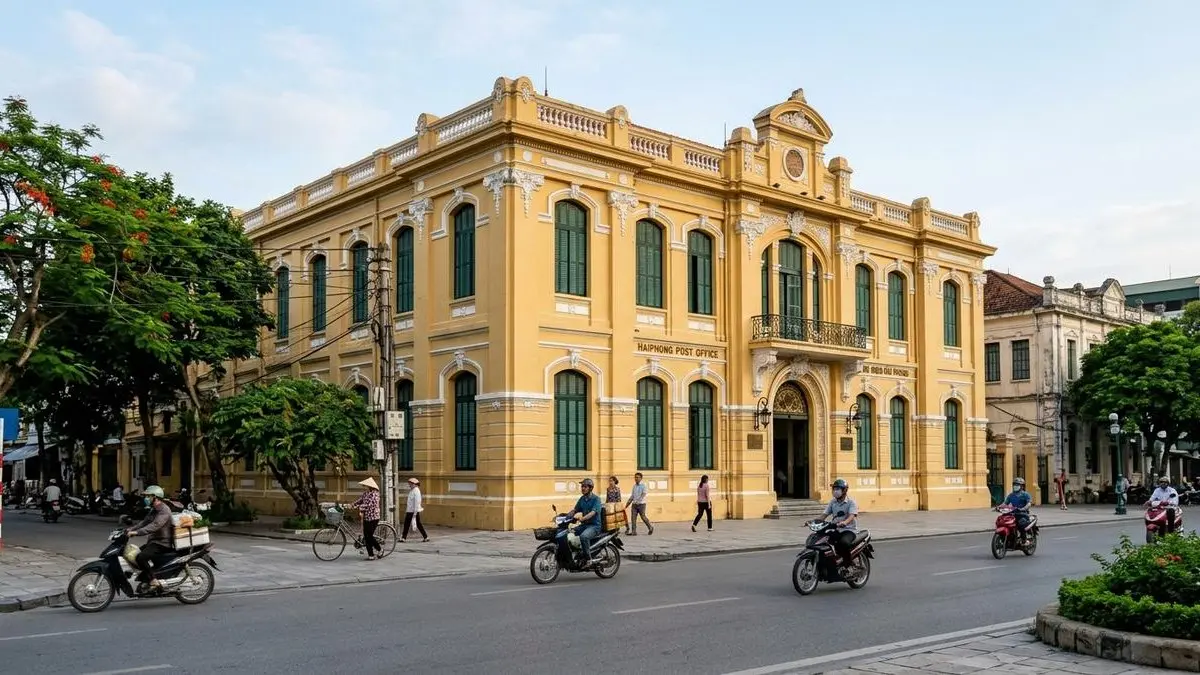
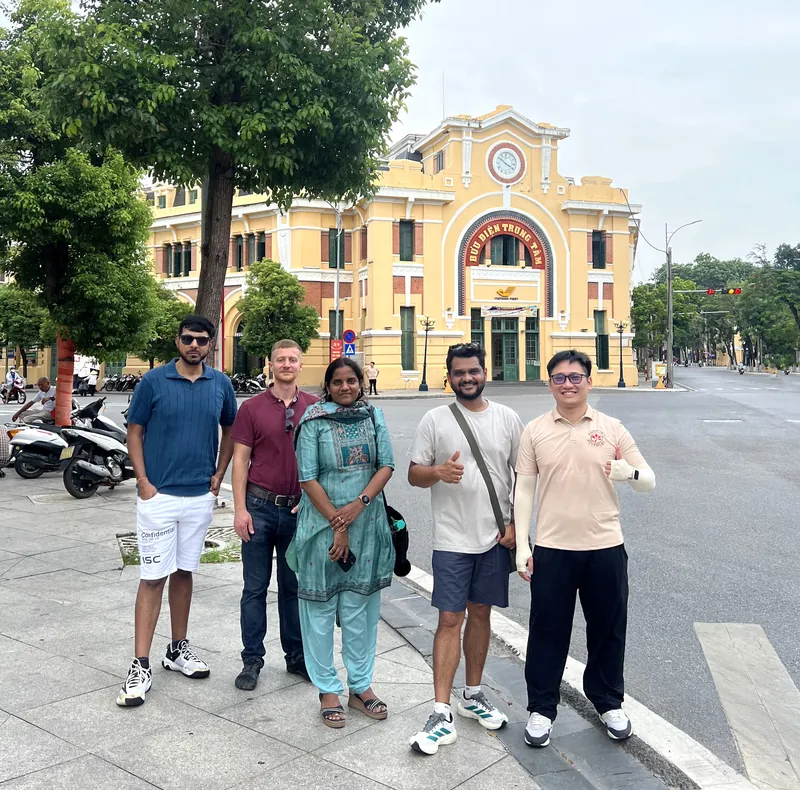
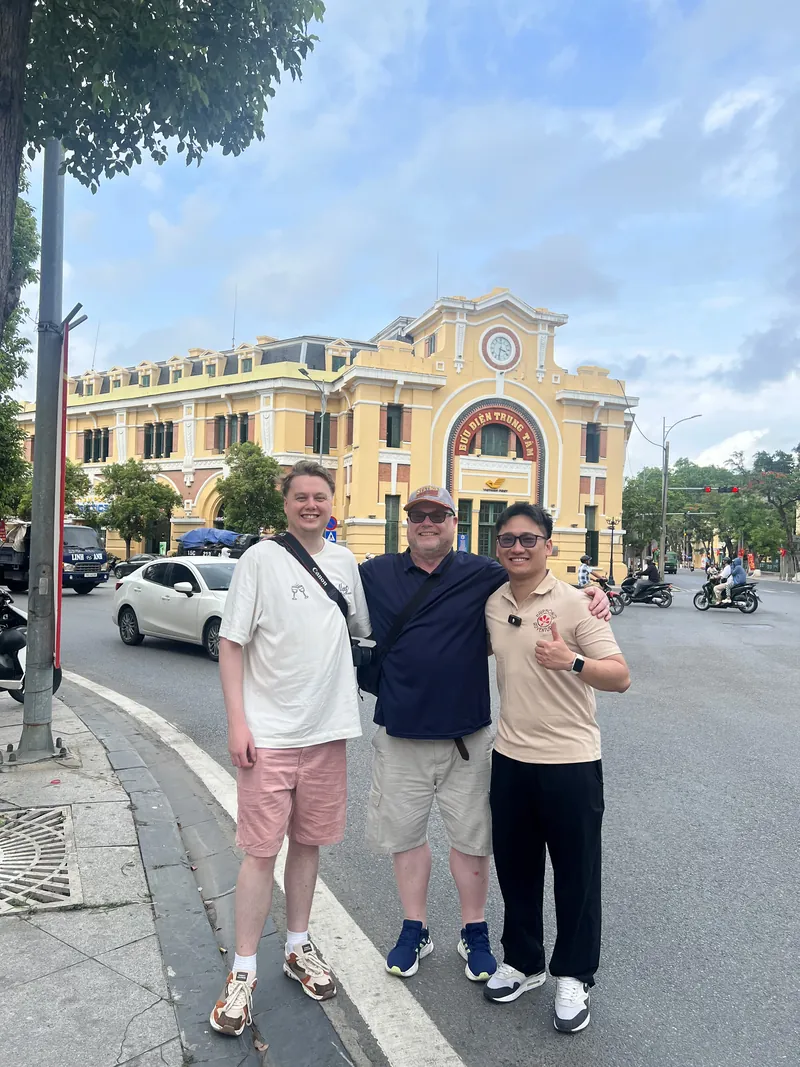
The Haiphong Post Office is one of the most photogenic colonial buildings in northern Vietnam. Its warm yellow facade, white trim, tall windows and elegant proportions make it a favourite subject for travellers and local photographers alike. The best photos come from understanding the architecture first, then choosing the right light, angle and moment. Morning light, a position across the street and a little patience for passing street life are usually all you need.
This photo guide from the Haiphong Adventure team explains what makes the building special, which architectural details to look for, where to stand, when to shoot, how to include everyday street life and how to photograph respectfully. Building access, renovations and surroundings can change, so treat the practical notes as a reference (updated October 2026).
Why The Haiphong Post Office Is So Photogenic
Haiphong grew into a major port during the French colonial period, and many public buildings from that era still line the streets of the old centre. The post office stands out because it is large, well kept and still in daily use. It is not a ruin or a museum piece. People walk in to send parcels and pay bills while photographers admire it from the pavement.
- Colour. The warm yellow walls contrast beautifully with blue skies and green trees.
- Symmetry. Repeating windows and columns create strong, satisfying compositions.
- Detail. Mouldings, shutters and doors reward close-up shots.
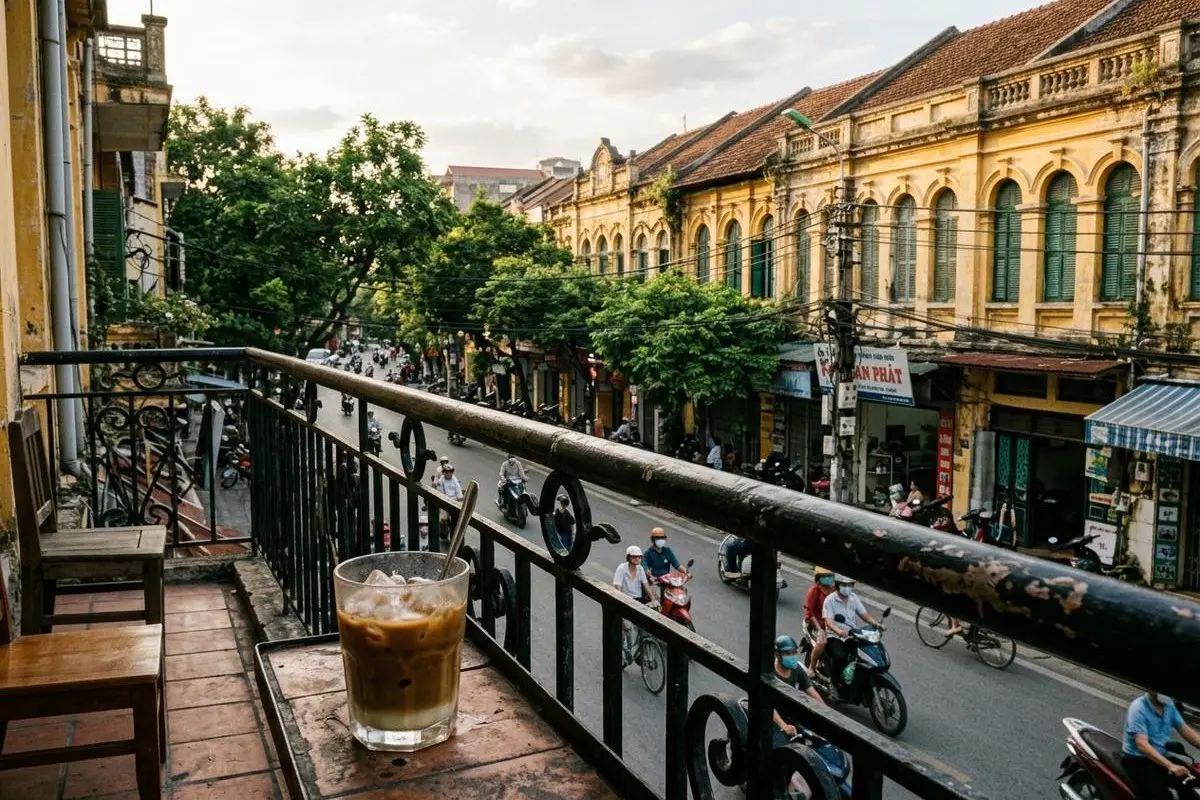
- Life. Motorbikes, cyclists and street vendors add a real sense of Vietnam.
For travellers who enjoy heritage photography, it pairs naturally with the Opera House, the Haiphong Museum and the colonial streets around Tam Bac Lake.
Reading The French Colonial Architecture
You do not need to be an architect to photograph the building well, but recognising its main features helps you frame better pictures. The post office was built in the early twentieth century and shows many classic elements of French colonial public architecture adapted to a tropical climate.
Key features to notice
| Feature | What to look for | Photo idea |
|---|---|---|
| Facade colour | Warm yellow walls with white or cream trim | Wide shot against blue sky |
| Tall windows | Long, vertical openings, often with shutters | Repeating pattern close-up |
| Arches and frames | Curved or decorated window and door surrounds | Frame within a frame |
| Cornices and mouldings | Horizontal bands and decorative edges near the roofline | Telephoto detail shot |
| Main entrance | Wide doors and steps welcoming the public | People entering and leaving |
| Corner position | The building faces more than one street | Diagonal view showing two sides |
Built for the tropics
Colonial architects had to deal with heat, humidity and heavy rain. High ceilings, tall windows and thick walls helped keep interiors cool. Light colours reflected the sun. When you look at the building with this in mind, its proportions make even more sense.
If heritage buildings are your thing, our guide to cultural things to do in Haiphong lists more landmarks worth photographing.
Best Time Of Day For Photos
Light makes or breaks architectural photos. The post office looks very different at different times of day.
- Early morning (around 6:30 to 8:30). Soft, warm light and quieter streets. This is the best time for clean facade shots.
- Mid-morning. Brighter light and more street activity. Good for capturing daily life.
- Midday. Harsh overhead sun creates strong shadows and washed-out colours. Use this time for interior details or a coffee break.
- Late afternoon. Warmer light returns, and long shadows add depth. Traffic increases toward rush hour.
- Blue hour and night. Street lights and passing headlights create atmosphere, although the facade may be less evenly lit.
Haiphong’s weather also matters. Overcast days give soft, even light that suits details. Clear days after rain often bring the bluest skies and freshest colours.
>>> The Ultimate Haiphong Tour: Top 10 Must-Visit Spots in 2025
Best Angles And Compositions
A few classic compositions work especially well for the Haiphong Post Office.
The full facade
Stand across the street and shoot straight on to show the building’s symmetry. A wide-angle lens or your phone’s ultra-wide mode helps, but keep the camera level to avoid leaning walls.
The diagonal corner view
Move to a corner position so two sides of the building are visible. This creates depth and shows how the post office anchors the street.
Frame within a frame
Use tree branches, a doorway or a passing cyclo to frame part of the building. This adds context and a sense of place.
Window patterns
Zoom in on a row of windows or shutters. Repetition makes strong abstract images, especially in side light.
Look up
Point your camera upward at cornices and mouldings against the sky for dramatic detail shots.
Recommended tour
The Haiphong Street Food and City Tour
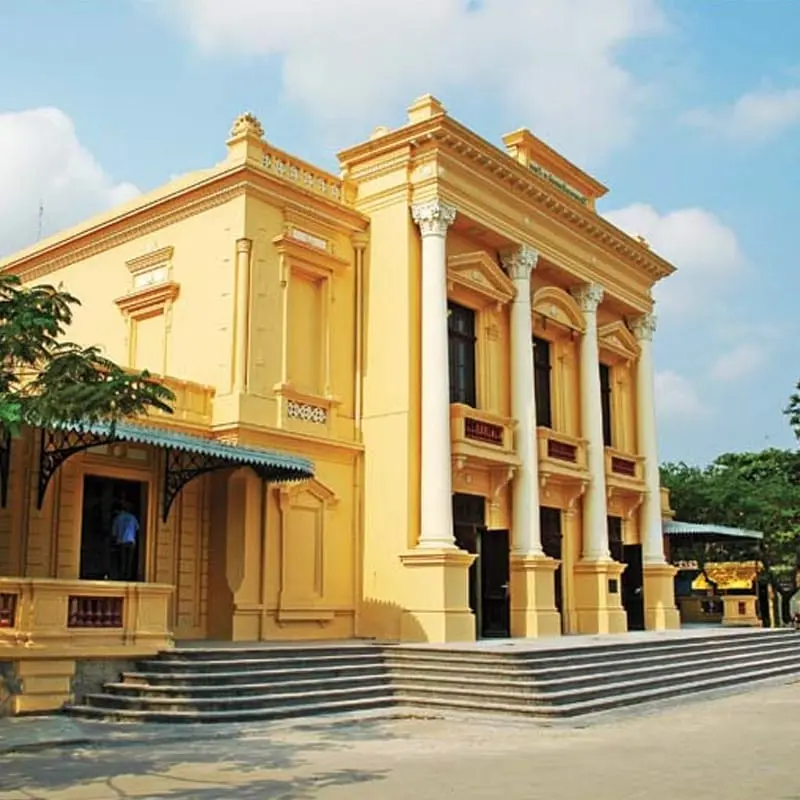
Photograph the post office, the Opera House and colonial streets with a local guide who knows the best angles and the tastiest stops in between.
From $85 per person
Adding Street Life To Your Shots
A building alone can feel static. Adding people and movement turns a record shot into a story about Haiphong.
- Motorbike blur. Use a slower shutter speed to blur passing motorbikes while the building stays sharp. A small tripod or a steady surface helps.
- Cyclists and cyclos. Wait for a bicycle or cyclo to pass in front of the facade for a nostalgic scene.
- Street vendors. Vendors with baskets or carts add colour and local character.
- People entering. Capture customers climbing the steps to show the building is still in use.
Always be discreet and respectful when people are in your frame. A friendly smile goes a long way, and if someone signals that they do not want to be photographed, simply lower your camera.
Photographing Inside
The interior of a working post office can be interesting too, with high ceilings, old counters and large windows. However, it is a place of business, not a tourist attraction.
- Ask first. Check with staff before taking photos inside.
- No flash. Use natural light to avoid disturbing people.
- Avoid documents and screens. Do not photograph customers’ papers, counters with personal information or staff without permission.
- Be quick and quiet. Take a few shots and move on.
If you plan to send postcards while you are there, the visit becomes even more memorable, and staff are often more relaxed with visitors who are using the service.
Camera And Phone Settings
You do not need professional gear to get great photos of the post office. A modern smartphone works well with a few adjustments.
| Situation | Phone tip | Camera tip |
|---|---|---|
| Full facade | Use wide mode, keep phone level | 16 to 24mm, f/8 for sharpness |
| Details | Use 2x or 3x zoom | 70 to 200mm, isolate patterns |
| Bright sun | Lower exposure slightly | Expose for highlights |
| Motion blur | Use long exposure or live photo mode | 1/15 to 1/4 second with support |
| Night | Use night mode and hold steady | Tripod and low ISO |
For more photography advice from our team, see the photography guide for a Lan Ha Bay tour, which covers light and composition on the water.
>>> Half-Day Haiphong Tour: The Ultimate 4-Hour Itinerary
A Colonial Architecture Photo Walk
The post office is part of a cluster of colonial buildings in the old centre, so it is easy to build a photo walk around it. Here is a suggested morning route:
- Haiphong Post Office. Start early for soft light on the yellow facade.
- Haiphong Museum. Another striking colonial building with a warm ochre exterior.
- Haiphong Opera House. The city’s grandest colonial landmark, with a wide square in front.
- Tam Bac Lake area. Old shophouses, trees and reflections in the water.
- Side streets. Look for faded villas, shutters and balconies hidden in quieter lanes.
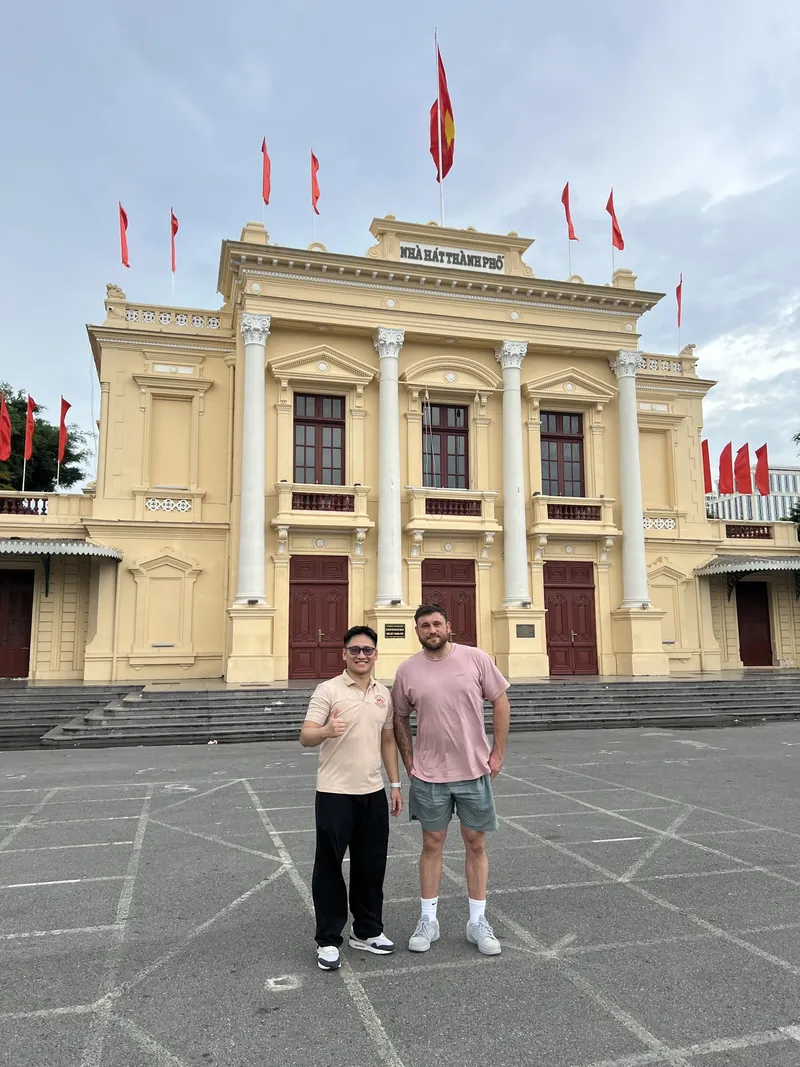
You can also explore the city’s architecture from the back of a motorbike. Our guide to Haiphong motorbike tour routes for scenic views shows how to combine heritage stops with river and countryside scenery.
Many travellers join one of our haiphong tours to photograph these places with a local who knows where to stand and when the light is best. It is a relaxed way to turn a photo walk into a real haiphong adventure.
Respectful Photography Tips
- Do not block the entrance or pavement while setting up shots.
- Watch the traffic. Never step into the road for a better angle.
- Ask before photographing people up close, especially elderly residents and vendors.
- Avoid drones unless you have checked local rules and permissions.
- Buy something from a nearby vendor or cafe if you spend a long time shooting in front of their spot.
Frequently Asked Questions About Photographing The Haiphong Post Office
When is the best time to photograph the Haiphong Post Office?
Early morning gives soft, warm light and quieter streets. Late afternoon is also good, with warm tones and longer shadows.
Can I take photos inside the post office?
It is a working post office, so ask staff first, avoid flash and do not photograph customers’ documents or personal information.
What is the best angle for the facade?
Shoot straight on from across the street for symmetry, or from a corner to show two sides of the building and add depth.
Do I need a professional camera?
No. A modern smartphone with wide and zoom modes is enough for excellent photos of the building.
What other colonial buildings are nearby?
The Haiphong Museum, the Opera House and many old shophouses around Tam Bac Lake are all close by.
Capture The Charm Of Colonial Haiphong
The Haiphong Post Office rewards anyone who takes a moment to look closely. Its colour, symmetry and details tell the story of the city’s colonial past, while the motorbikes and people around it show the energy of modern Haiphong. Come early, choose your angle and let street life complete the picture.
If you would like a local guide to lead a photo walk through old Haiphong, send the Haiphong Adventure team a message. We will help you plan a route with the best light and the best stops.
WhatsApp, Viber, WeChat: +84(0)934.555.001
KakaoTalk, Line ID: haiphongadventure