Legends Of Elephant Mountain Haiphong History
Elephant Mountain Haiphong, or Nui Voi in Vietnamese, is more than a pretty limestone hill in the rice fields. For centuries, villagers have told stories about a great elephant turned to stone, heroic generals who camped among its rocks and caves that sheltered people in hard times. Archaeologists have also found traces of communities who lived here thousands of years ago. Put together, legend and history make this quiet hill one of the most fascinating places in the Haiphong countryside.
In this guide, the Haiphong Adventure team shares the best-known legends of Elephant Mountain, the history behind them and how to see these stories for yourself on a visit. Folk tales are told in many versions, and historical details are summarised from commonly shared local sources, so treat them as a starting point for your own curiosity (updated October 2026).
Elephant Mountain Haiphong At A Glance
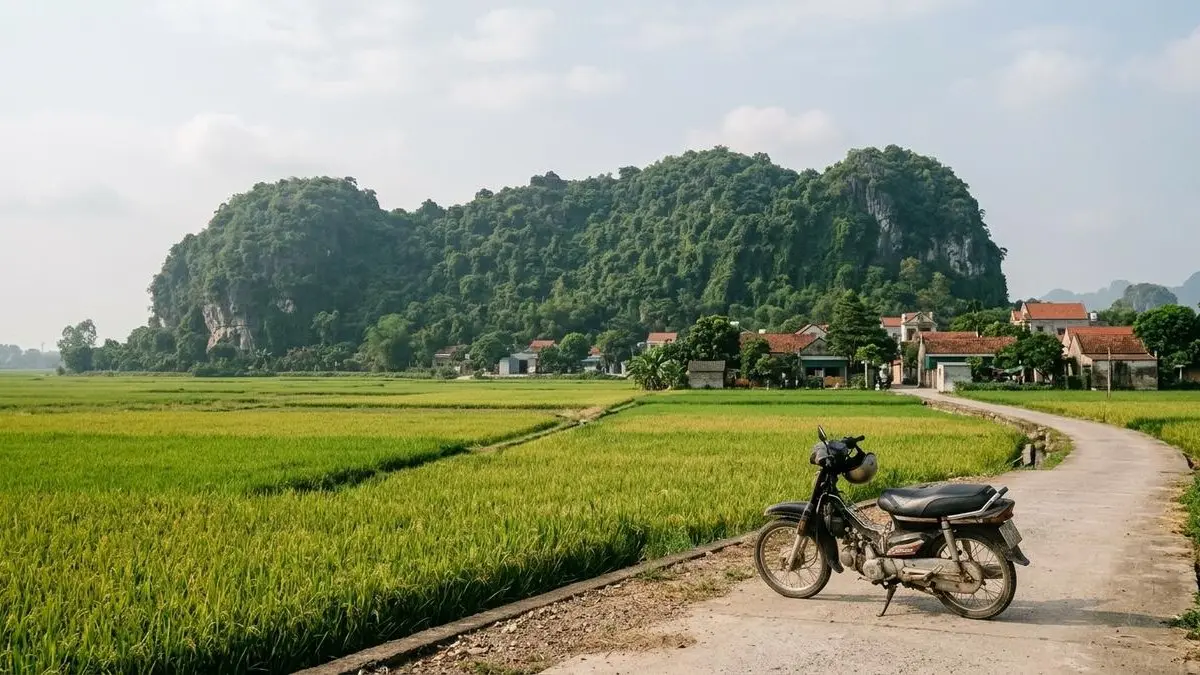
Elephant Mountain is a chain of low limestone hills in the An Lao countryside, roughly 20 km southwest of Haiphong city centre. Seen from the fields, its long, rounded shape reminds people of an elephant lying down or kneeling, which gave it its name.
- Vietnamese name: Nui Voi, meaning Elephant Mountain.
- Landscape: limestone outcrops, shrubs, small caves and surrounding rice paddies.
- Status: a protected historical and cultural relic site.
- Why it matters: ancient archaeological finds, folk legends and a role in later struggles for independence.
The hill is quiet and rural, with few foreign visitors. That makes it a perfect place to hear stories the way locals do: slowly, often over tea, with plenty of different versions.
The Legend Of The Stone Elephant
The most famous story explains the mountain’s shape. Versions differ from village to village, but the heart of the tale is similar.
A loyal elephant
Long ago, a mighty elephant served a hero who defended the land. The animal carried soldiers and supplies across the delta and never left its master’s side, even in the hardest battles.
Turned to stone
When the fighting ended, or in some versions when its master died, the elephant knelt down in the fields to rest and never rose again. Over time it turned to stone, becoming the long hill that still watches over the rice paddies today.
What the legend means
For local people, the stone elephant is a symbol of loyalty, strength and protection. Older villagers sometimes point out parts of the hill they call the head, the back or the trunk. Ask a local guide to show you, and you will never look at the skyline the same way again.
If you enjoy places with stories like this, our list of unusual things to do in Haiphong has more off-the-beaten-path ideas.
Lady Le Chan And The Mountain
Haiphong honours Le Chan, a female general who fought alongside the Trung Sisters against foreign rule in the first century. She is widely remembered as the founder of the early settlement that grew into Haiphong, and her statue stands in the heart of the city.
Some local tellings link Elephant Mountain to Le Chan and her troops, describing the hills as a place where soldiers gathered, trained or rested, and where war elephants were kept. Historians treat these links as part of local tradition rather than firm record, but they show how deeply the mountain is tied to the city’s pride in its founding heroine.
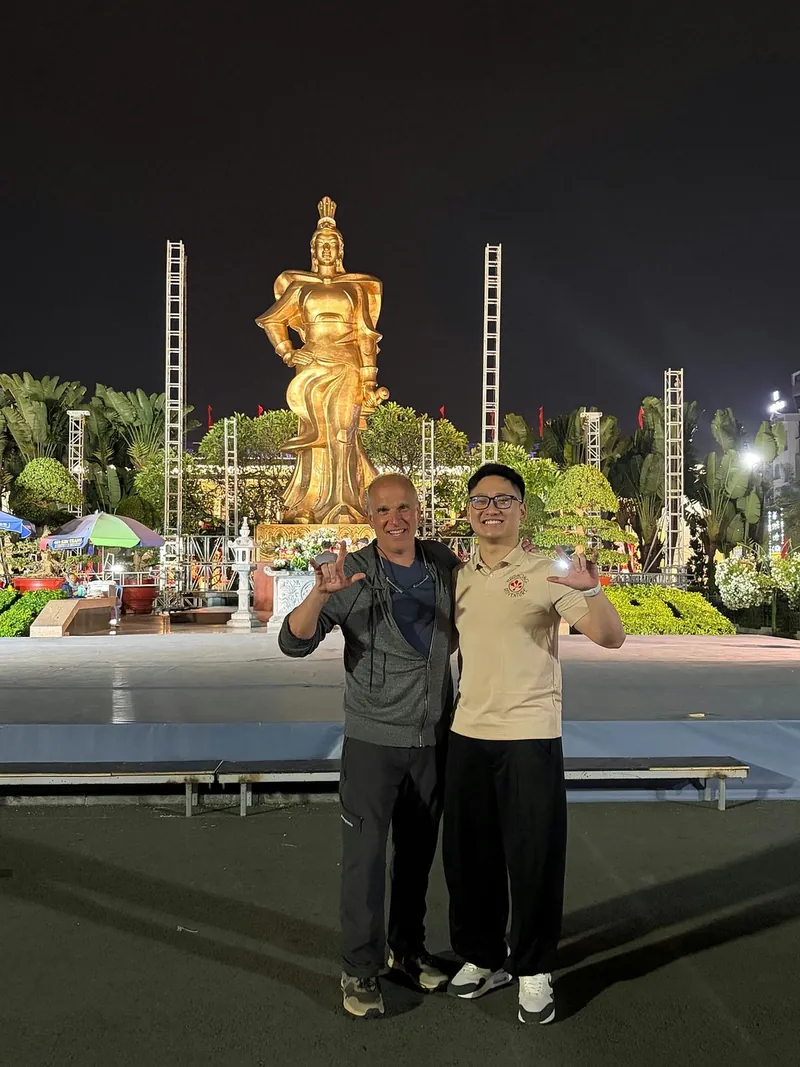
To see where the city remembers her today, add Le Chan statue square to your city walk. Our article on cultural things to do in Haiphong includes it with other heritage stops.
>>> Cultural Insights From A Haiphong City Tour Day
Ancient History Beneath The Hill
Legends aside, Elephant Mountain has a real and very old history. Archaeologists working in the area since the mid twentieth century have found tools, pottery and bronze objects linked to early communities of the Red River Delta, often connected with the Bronze Age culture that flourished in northern Vietnam more than two thousand years ago.
| Type of find | What it tells us |
|---|---|
| Stone and bronze tools | People farmed, hunted and crafted here long ago |
| Pottery fragments | Daily life, cooking and storage in early villages |
| Bronze objects | Skilled metalworking and links with the wider delta culture |
| Burial traces | Beliefs about death and the afterlife |
Most artefacts are kept by museums rather than shown on site, so there is little to see at the hill itself. Still, standing on the rocks and looking over the paddies, it is easy to imagine early farmers choosing this high, dry ground beside fertile land.
For a deeper look at the region’s past, the city’s history museum is a good complement to a countryside visit. Check opening times locally before you go.
Caves, Shelters And Stories Of Struggle
The small caves at the foot of the limestone have their own stories. Over the centuries, villagers used them as shelters, storage spaces and places of worship. In the twentieth century, local accounts say that some caves served as hiding places and meeting spots for patriots during the struggle for independence.
- Shelter: natural rock protected people and supplies during unrest.
- Secret meetings: one cave is often described locally as a former meeting place.
- Worship: small altars and incense show that the caves remain spiritual spaces today.
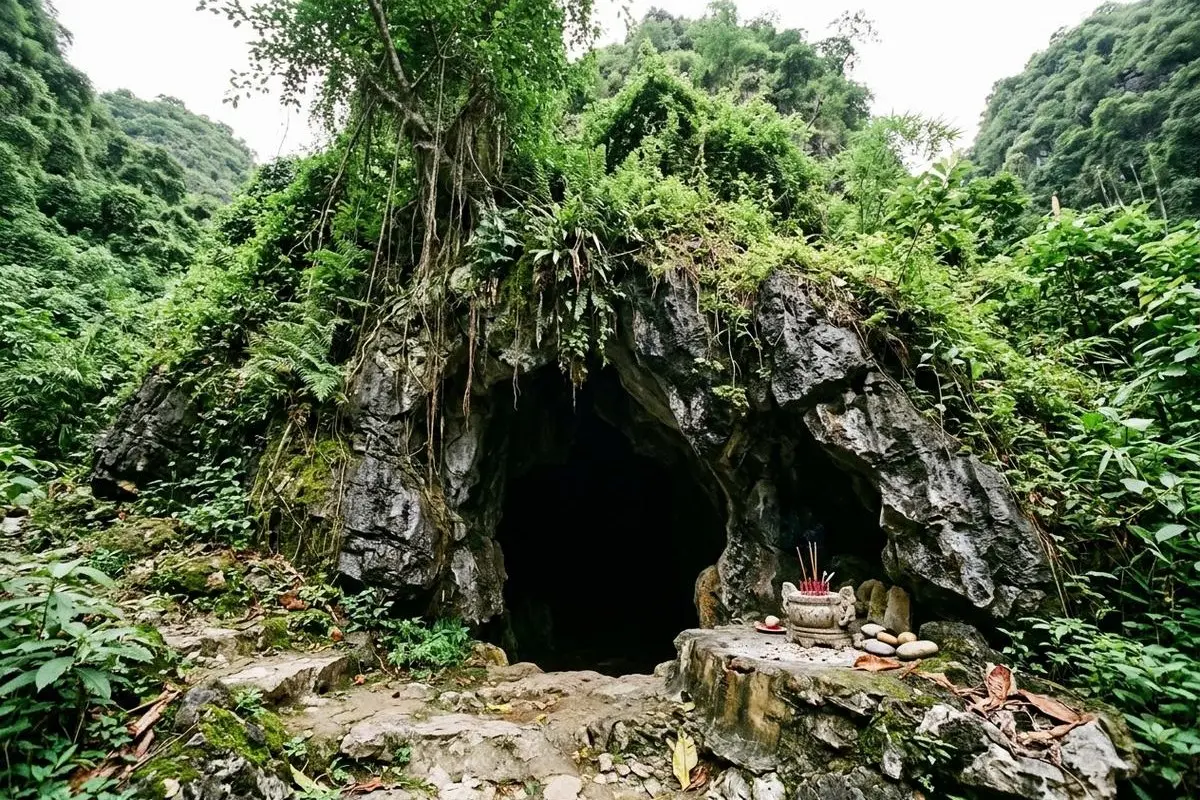
Names and exact uses of individual caves vary between storytellers. A local guide can show you which caves are safe to look into and share the version their own family tells.
Recommended tour
Haiphong Countryside & Coastal Landmarks
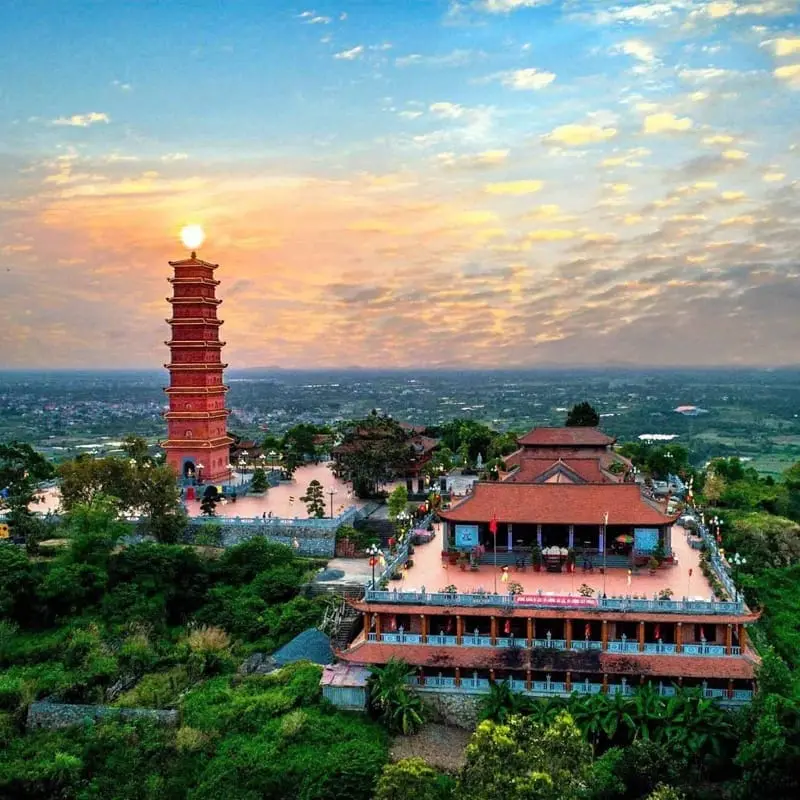
Love old legends, pagodas and village life? Ride with a local guide through the Haiphong countryside and coastal landmarks, hearing the stories behind every stop.
From $79 per person
Temples, Festivals And Living Traditions
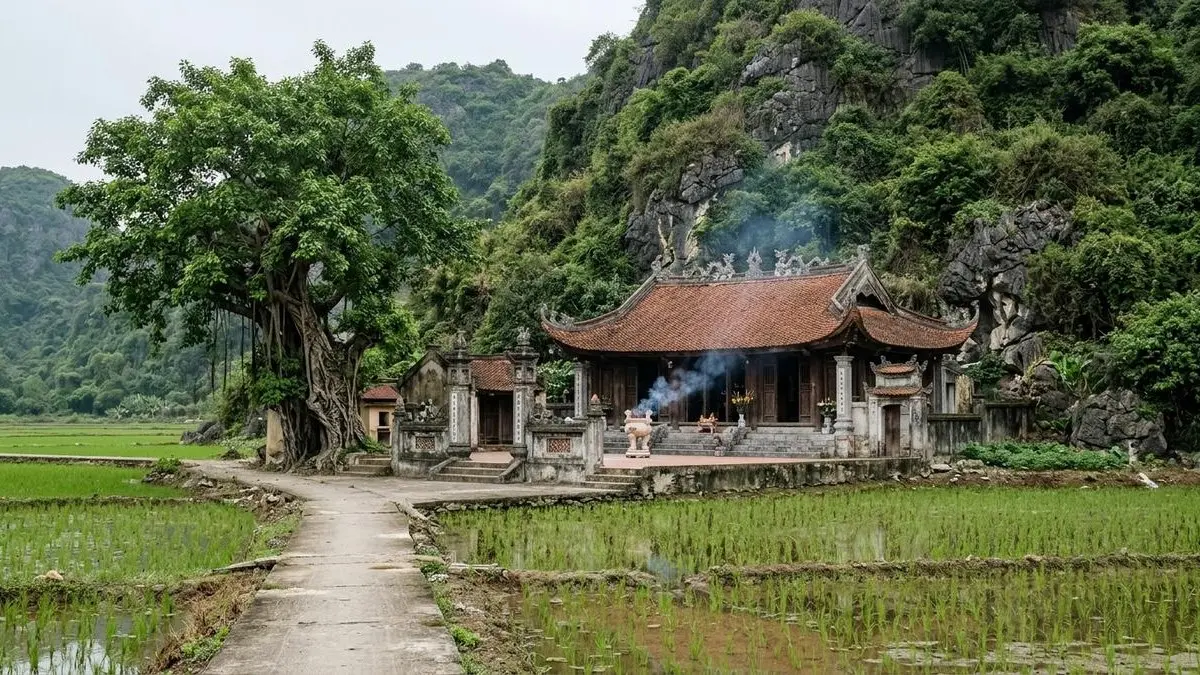
Elephant Mountain is still a living spiritual place. Small temples and shrines sit at the foot of the hills, where villagers burn incense, leave offerings and pray for health, good harvests and family harmony.
Daily worship
On the first and fifteenth days of the lunar month, you may see more people bringing fruit, flowers and incense. Visitors are welcome to watch quietly from a respectful distance.
Village festivals
Like many communities in the delta, villages around the mountain hold traditional festivals, often in spring after Tet. Dates follow the lunar calendar and change every year, so ask locally if you hope to see one.
Stories passed down
Grandparents still tell children about the stone elephant and the heroes of the past. Hearing these tales from a local, with a guide translating, is often the most memorable part of a visit.
>>> The Ultimate Guide to Haiphong Motorbike Tour Routes for Scenic Views
Where To Feel The Legends On Your Visit
You do not need a museum to connect with Elephant Mountain’s stories. These simple experiences bring them to life.
- Look at the skyline from the fields. Find the elephant shape before you climb.
- Visit a temple at the foot of the hill. Notice the offerings and the old trees around it.
- Peek into a cave entrance. Imagine it as a shelter, storage room or meeting place.
- Climb to a viewpoint. See how the hill rises above the delta, a natural lookout.
- Talk to villagers. With a guide translating, ask about the elephant legend.
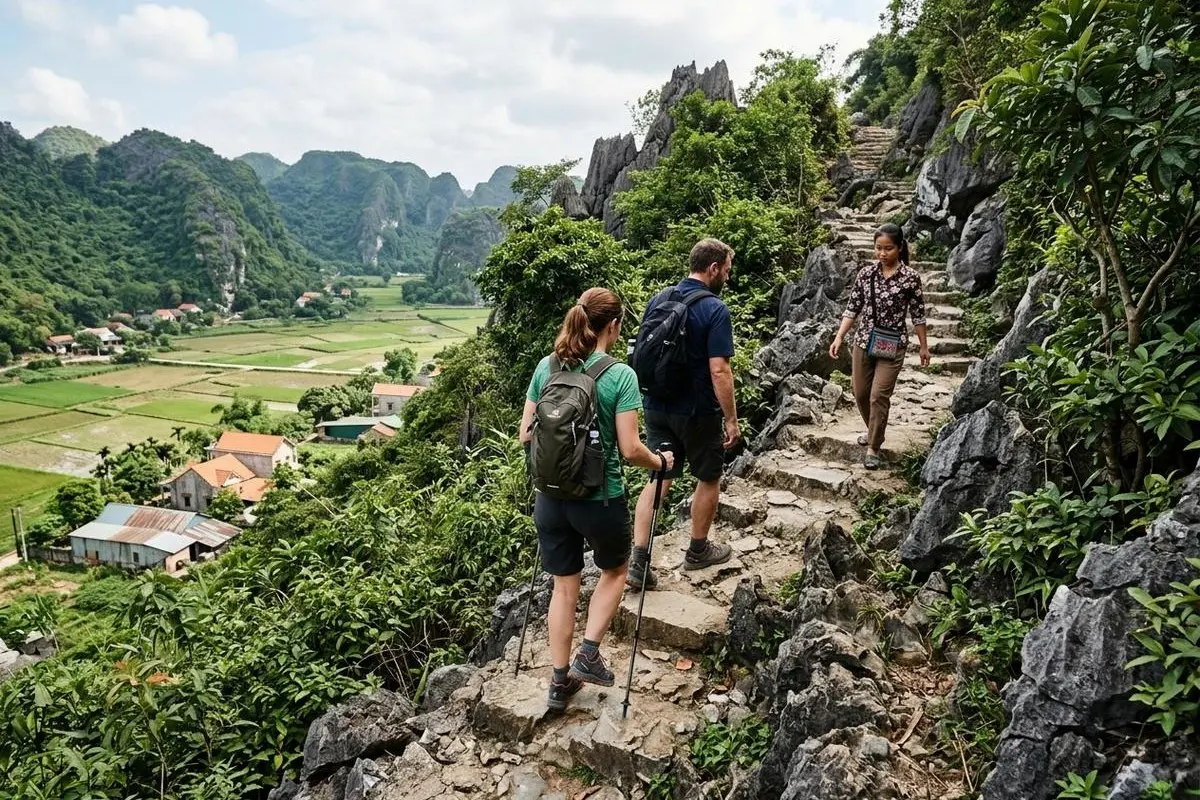
Getting To Elephant Mountain
The mountain is an easy half-day trip from the city. Most visitors arrive by motorbike with a guide, by car, or by Grab. The ride passes suburbs, markets and finally open rice fields, taking around 40 to 60 minutes depending on traffic and your starting point.
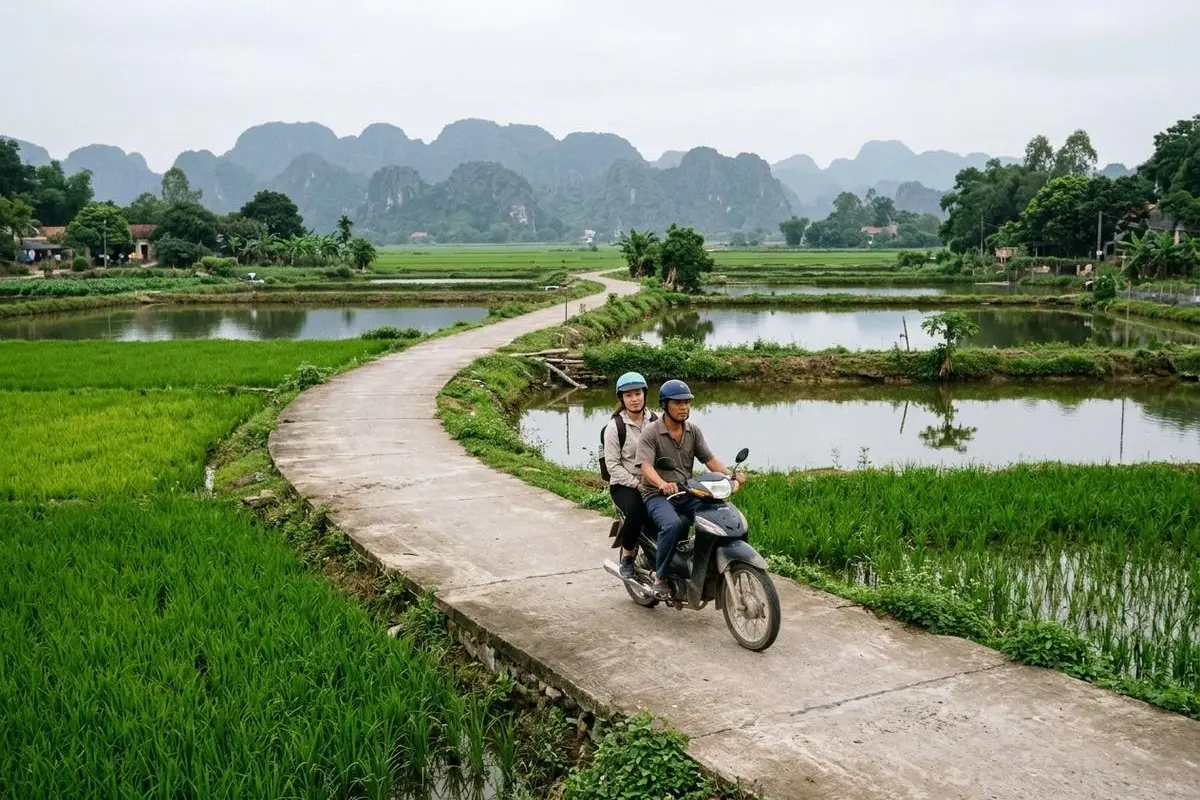
If you plan to ride yourself, read our guide to exploring rural villages on a Haiphong motorbike tour for route ideas and village etiquette.
Respectful Visiting Tips
- Dress modestly near temples and shrines, covering shoulders and knees.
- Ask before photographing people, especially during worship.
- Do not touch altars or move offerings, stones or objects in caves.
- Stay on paths and raised field edges, not on planted rice.
- Take your rubbish home and keep noise low.
- Bring water and good shoes, as rocks can be sharp and slippery.
Many guests combine Elephant Mountain with other countryside stops on haiphong tours, from village markets to old pagodas and the coast at Do Son.
>>> My Haiphong Tours Itinerary For Weekend Getaway
Frequently Asked Questions About Elephant Mountain Haiphong
Why is it called Elephant Mountain?
From the surrounding fields, the long limestone ridge looks like an elephant lying or kneeling, and local legend says a loyal elephant turned to stone here.
Is the Le Chan connection historically proven?
It is part of local tradition. Le Chan is a well-documented heroine of Haiphong, but links between her and the mountain are told as folk stories rather than firm historical record.
Can I see archaeological finds at the site?
Very little is displayed at the hill itself. Most artefacts are kept in museums.
Do I need a guide to learn the legends?
It helps a lot. Signs are in Vietnamese, and a local guide can translate stories from villagers and show you the best viewpoints.
How long should I spend there?
Two to three hours on site is enough for the temples, a short climb and a look at the caves. Allow a half day including travel from the city.
Hear The Stories Of Elephant Mountain
Elephant Mountain Haiphong is a place where a stone elephant, ancient farmers, legendary generals and modern patriots all share the same quiet hill. Walk the fields, visit the temples, look into the caves and listen to the stories, and you will see the Haiphong countryside in a whole new light.
If you would like a local guide to bring these legends to life, the Haiphong Adventure team is happy to help plan your countryside day.
WhatsApp, Viber, WeChat: +84(0)934.555.001
KakaoTalk, Line ID: haiphongadventure