Local Seafood Near Do Son Beach Eating Guide
Eating fresh seafood is one of the main reasons locals head to Do Son beach, the seaside peninsula about 20 kilometres south-east of central Haiphong. The short answer for visitors: go to a busy open-air restaurant near the shore or the fishing harbour, choose live seafood from the tanks, agree the price per kilo before it is cooked and ask for simple styles such as steamed, grilled or stir-fried with garlic. Do that and you will enjoy some of the freshest seafood in northern Vietnam at a fair price.
This guide from the Haiphong Adventure team explains which dishes to try, how ordering by weight works, the market-to-kitchen tradition, how to avoid overpaying and a few safety tips. Restaurants, opening hours and prices change with the season, so treat all details as general guidance (updated October 2026) and confirm prices on the spot.
Why Do Son Beach Is Famous For Seafood
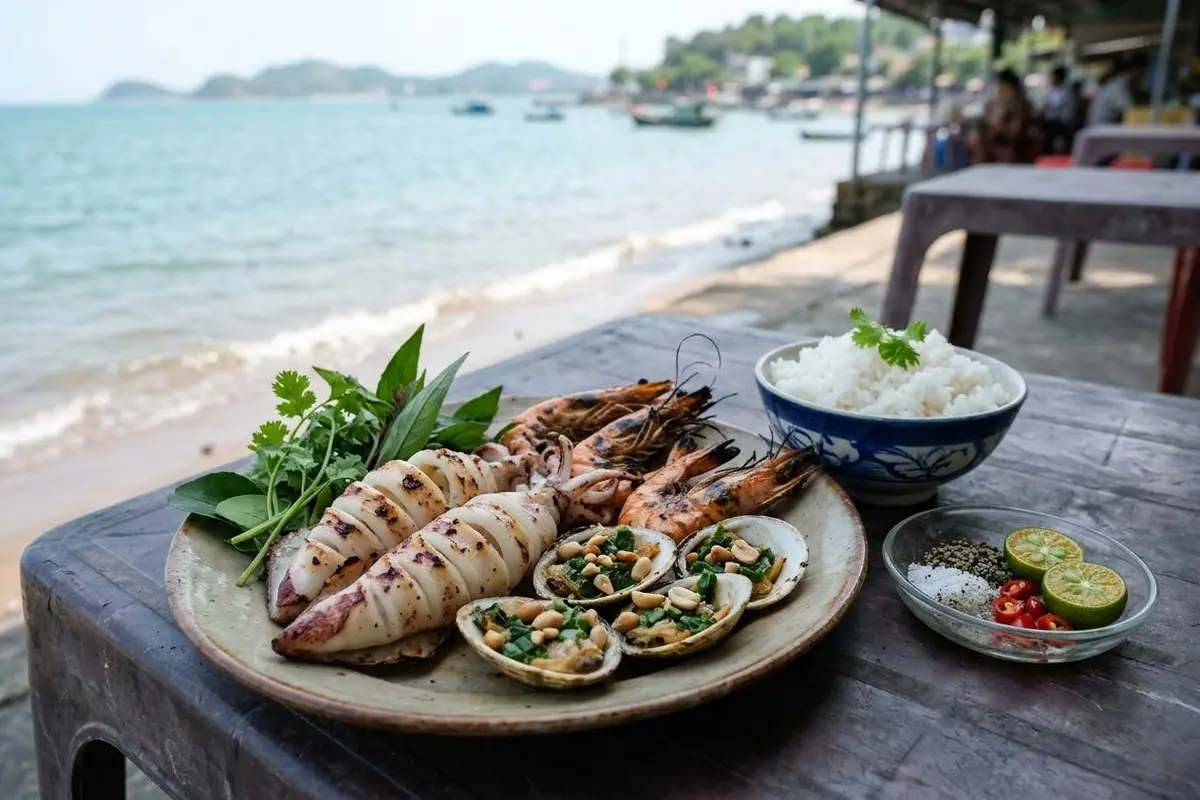
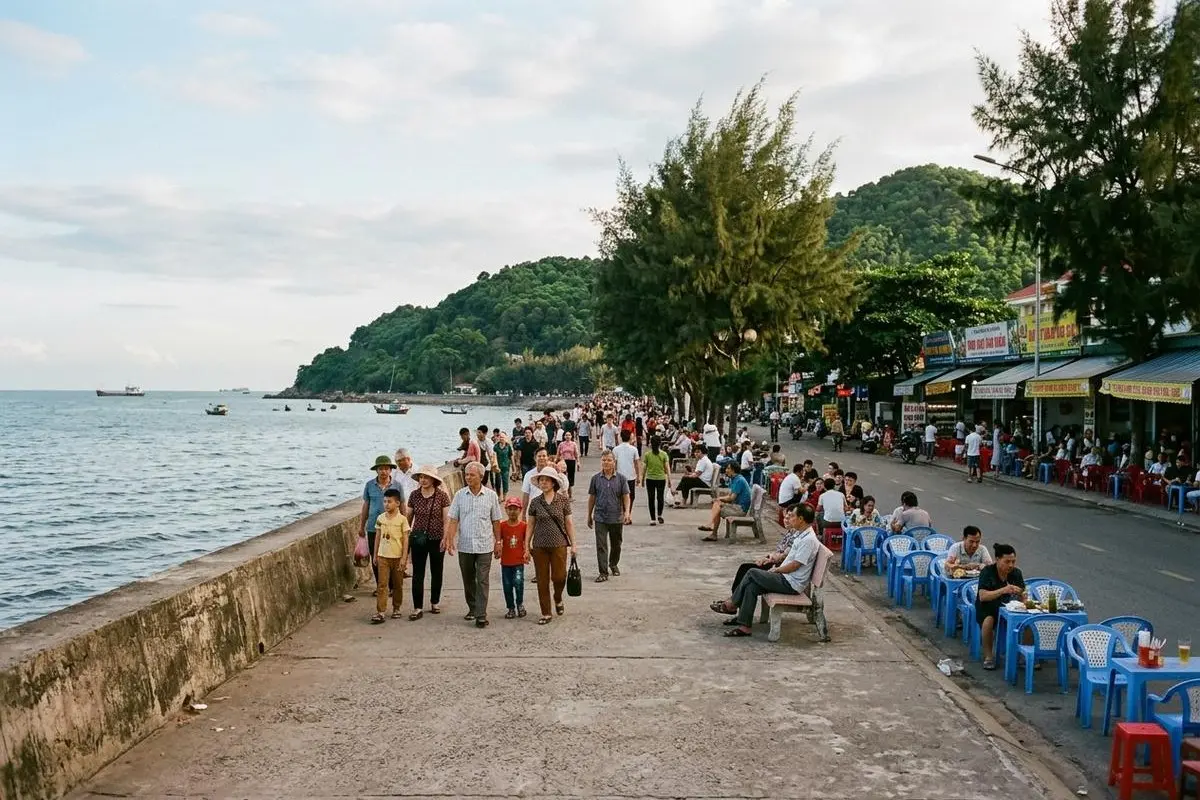
Do Son has been a fishing area and a seaside escape for Haiphong families for generations. Small boats still land their catch along the coast, and many restaurants buy directly from local fishermen and traders. That short chain from sea to plate is what makes the seafood here so good.
- Freshness: most restaurants keep crabs, prawns, clams and fish alive in tanks until you order.
- Local style: cooking is simple, letting the natural sweetness of the seafood shine.
- Social eating: meals are shared, noisy and relaxed, with plates placed in the middle of the table.
- Easy day trip: Do Son is close enough to Haiphong city for lunch or dinner by the sea.
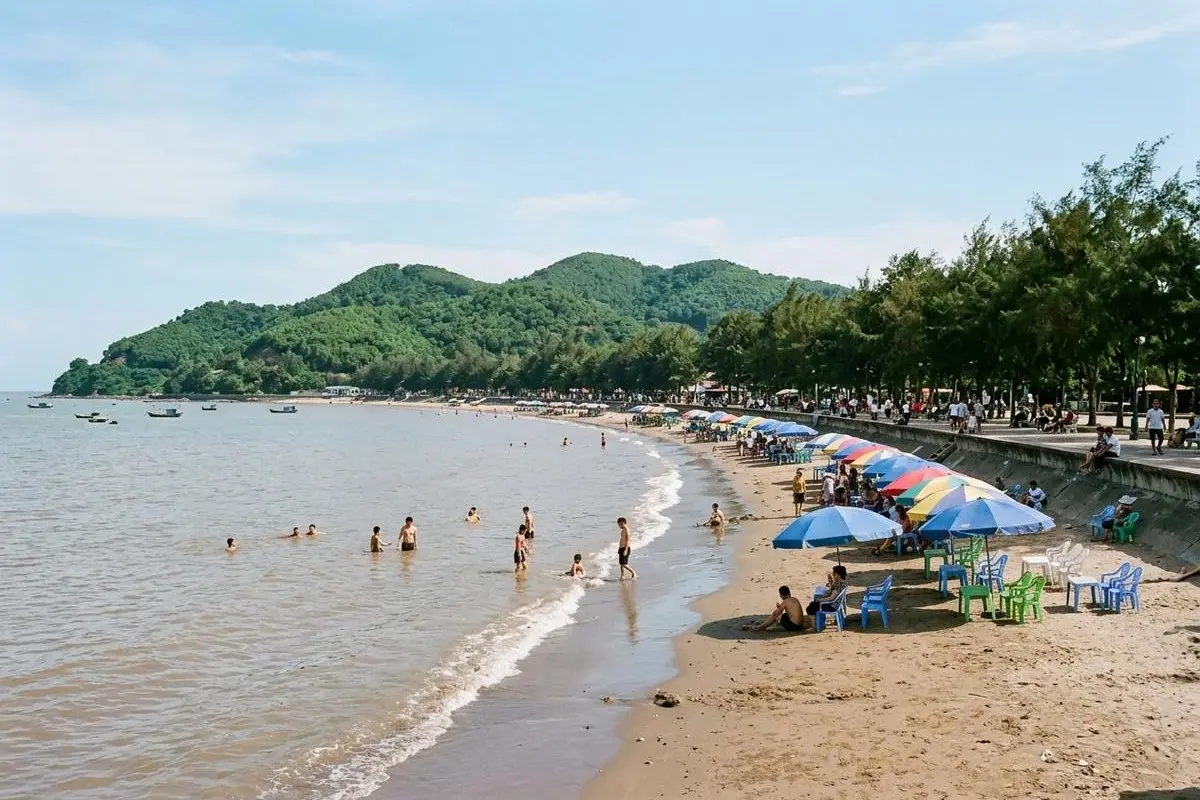
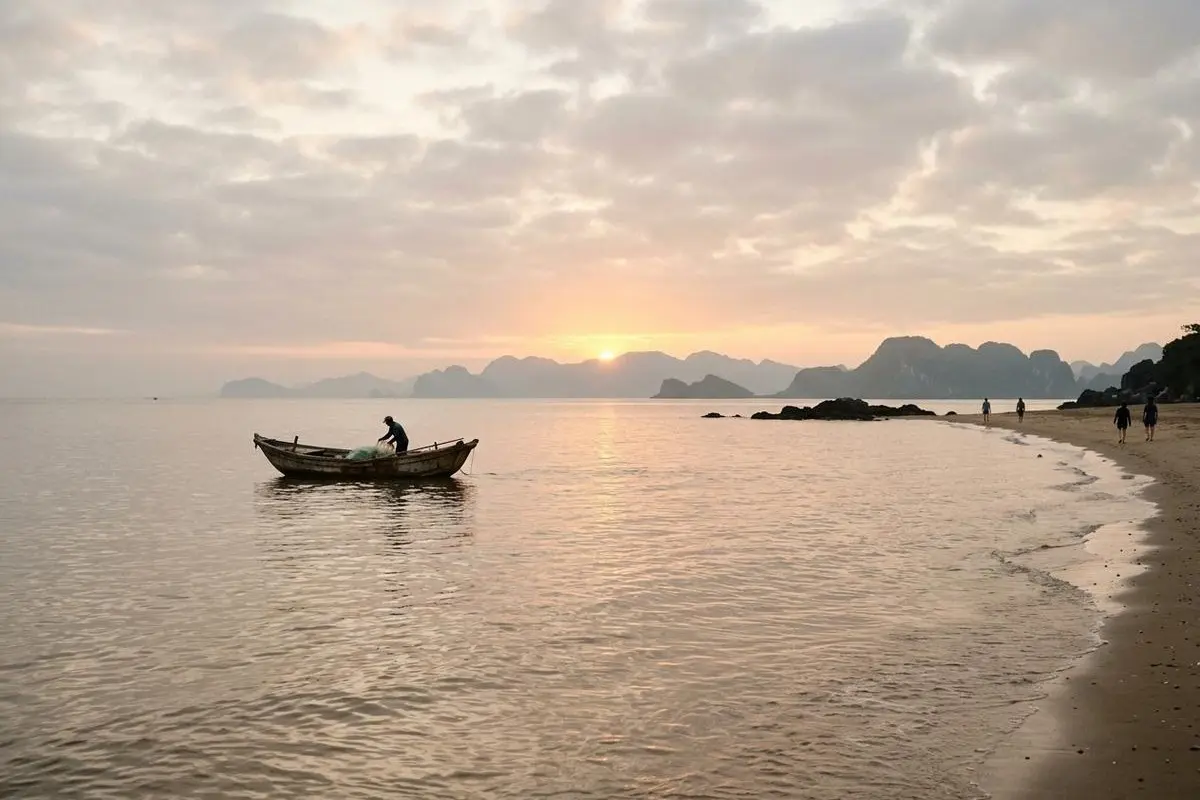
The water at Do Son is often brownish because of nearby river estuaries, so many visitors come more for the food, sea breeze and sunsets than for swimming. Our free things to do in Haiphong include an easy coastal walk you can pair with a seafood meal.
Seafood Dishes To Try At Do Son
Menus can be long and mostly in Vietnamese. These are the dishes locals order again and again.
Blue swimming crab (ghe)
Smaller and sweeter than mud crab, ghe is usually steamed or cooked with tamarind sauce. Crack the shell with your hands and dip the meat in salt, pepper and lime.
Mantis shrimp (be be)
A Haiphong favourite. Steamed or fried with salt and chilli, the meat is soft and sweet. Ask the staff to show you how to open the shell along the sides.
Clams, oysters and blood cockles
Clams steamed with lemongrass or stir-fried with garlic are cheap and delicious. Grilled oysters topped with spring onion oil and peanuts are a classic beer snack, and blood cockles are popular with locals who enjoy stronger flavours.
Squid and fish
Fresh squid is grilled, steamed with ginger or deep fried. Whole fish can be steamed with soy sauce, cooked in a sour soup or grilled in banana leaf, depending on the restaurant.
Jellyfish salad (nom sua)
A refreshing salad of thinly sliced jellyfish with herbs, peanuts and a sweet and sour dressing. It is a well-known speciality of the Haiphong coast and a nice contrast to richer grilled dishes.
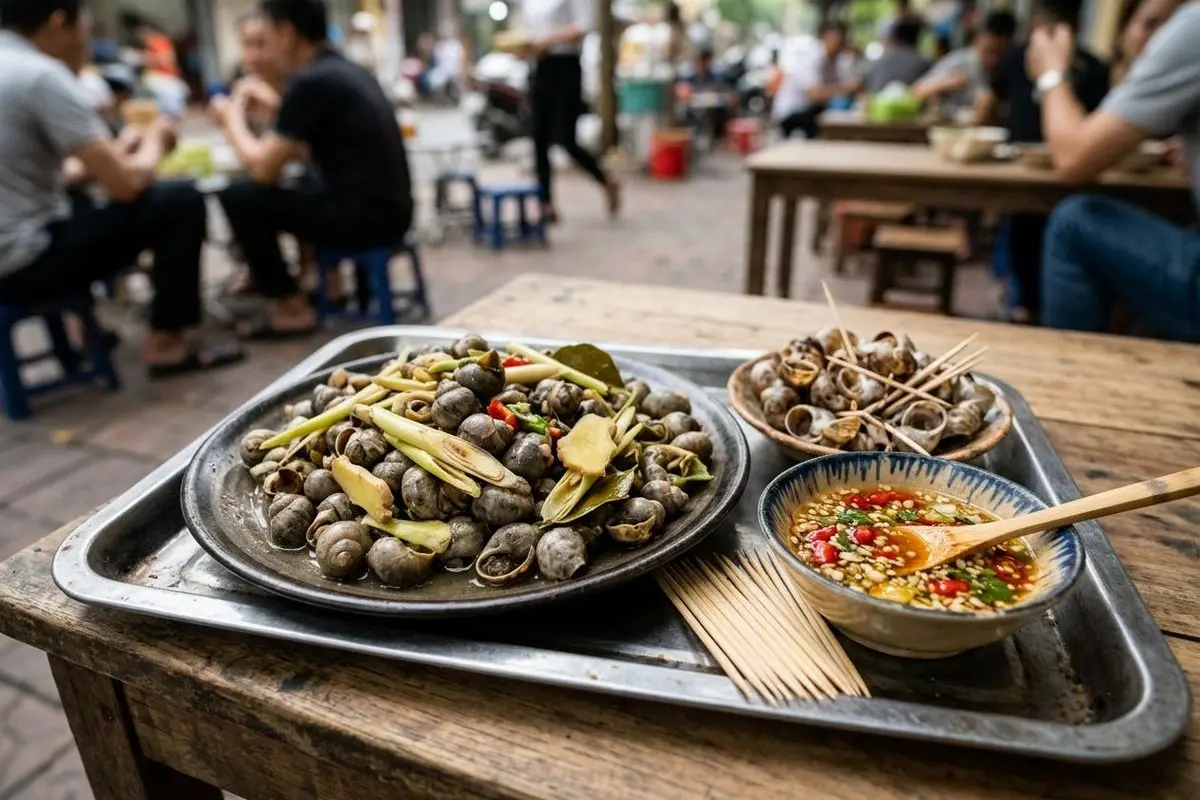
>>> My Haiphong Street Food Adventure Local Taste
How Ordering By Weight Works
At most seafood restaurants near Do Son beach, live seafood is sold by weight, usually by the kilo, and the price depends on the type, size and season. The process is simple once you know it.
- Look at the tanks: staff will show you what is fresh today.
- Ask the price per kilo: for each item before choosing. Many places have a price board, but prices can change daily.
- Watch the weighing: stay while your seafood is weighed and note the weight.
- Choose the cooking style: steamed, grilled, stir-fried with garlic, with tamarind or salt and chilli.
- Ask about cooking fees: some places add a small fee per dish for cooking or sauces.
- Check the bill: compare weights and prices before paying.
A good rule of thumb is about 300 to 400 grams of shellfish or crab per person, plus rice, vegetables or noodles to fill up. Order a little at first, then add more if you are still hungry.
Buying At The Market And Cooking At A Restaurant
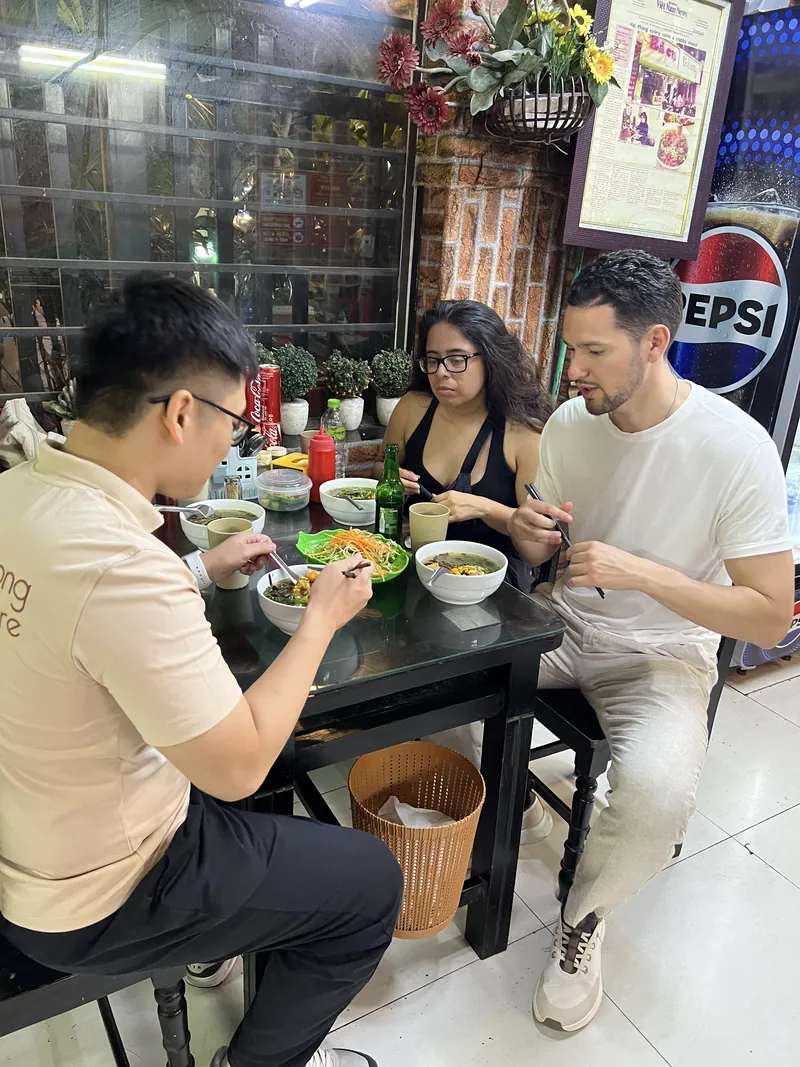
A popular local habit in coastal Vietnam is to buy seafood at the market and take it to a nearby eatery that cooks it for a fee. In Do Son, traders near the fishing harbour and seafood stalls often work this way, and your seller may even recommend a kitchen.
- Pros: you see exactly what you buy, compare prices between stalls and often pay less than in restaurants.
- Cons: it takes more time, it is harder without Vietnamese and you need to agree the cooking fee clearly.
Go in the morning or late afternoon, when boats and traders are active. Bring small notes, and ask the price before the seller puts anything on the scale. If you are not confident, a local guide can handle the bargaining and choose a reliable kitchen for you.
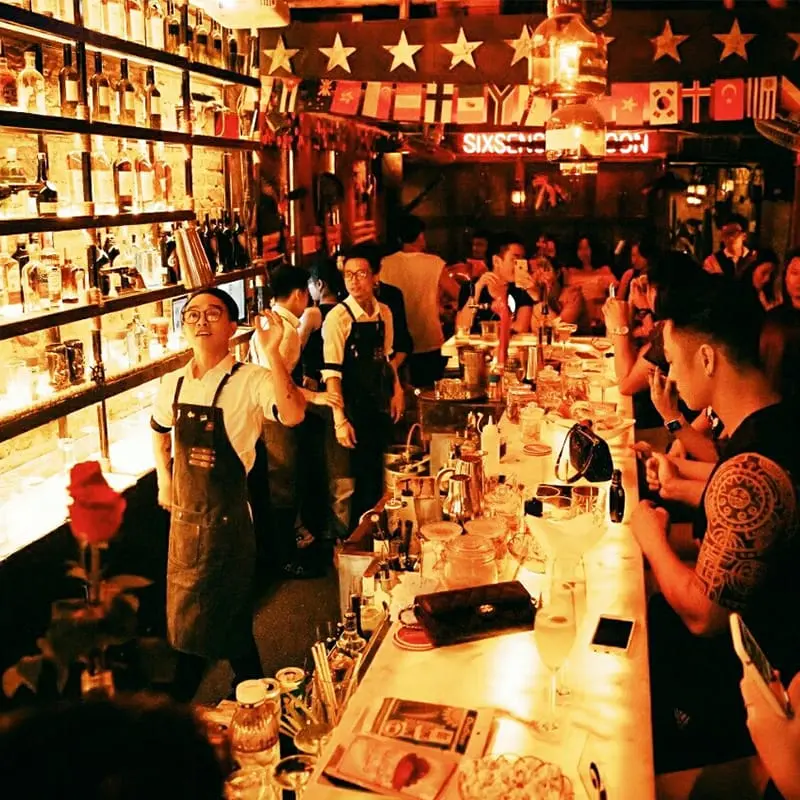
Recommended tour
The Haiphong NightTime and Street Food Experience
Love seafood and local flavours? Taste snails, crab dishes and the city’s famous street snacks with a local guide who knows where Haiphong people really eat.
From $90 per person
Where To Eat Seafood Around Do Son
Restaurants open and close often, so instead of a list of names, here are the main areas and what to expect in each.
| Area | Style | Good for |
|---|---|---|
| Beachfront restaurants | Large open-air halls with tanks and sea views | Groups, sunset dinners, easy ordering |
| Near the fishing harbour | Simple eateries and market stalls | Freshest catch, market-to-kitchen meals |
| Side streets behind the beach | Small family-run places | Lower prices, local atmosphere |
| Snail and street food stalls | Plastic stools on the pavement | Evening snacks with a cold drink |
The busiest places are not always the most expensive. A full restaurant with Vietnamese families is a good sign of fresh food and fair prices. Quiet places with no price board and pushy touts are best avoided.
Avoiding Overcharging And Common Mistakes
- Never order without a price: always confirm the price per kilo for live seafood.
- Watch the scale: stay with the staff while your seafood is weighed.
- Beware of “market price”: ask for the exact number before it goes into the kitchen.
- Count extras: wet towels, peanuts and drinks placed on the table may be charged.
- Avoid holiday peaks: prices and crowds rise on summer weekends and public holidays.
- Keep the receipt: check weights and totals before paying.
Most restaurants are honest, and a calm, friendly approach works best. If something looks wrong, ask politely to recheck the bill.
>>> 5 Best Things to Do in Haiphong: The Ultimate Travel Guide to Vietnam’s Port City
Food Safety Tips For Seafood Lovers
- Choose places where seafood is alive in clean tanks and cooked to order.
- Eat shellfish well cooked if you have a sensitive stomach, and avoid raw dishes on hot days.
- Tell staff about any allergies, ideally written in Vietnamese on your phone.
- Avoid horseshoe crab (sam) dishes. Some horseshoe crab species can be toxic, and the animals are also a conservation concern.
- Drink bottled water and be careful with ice at very small stalls.
- Wash or sanitise your hands, since many dishes are eaten with fingers.
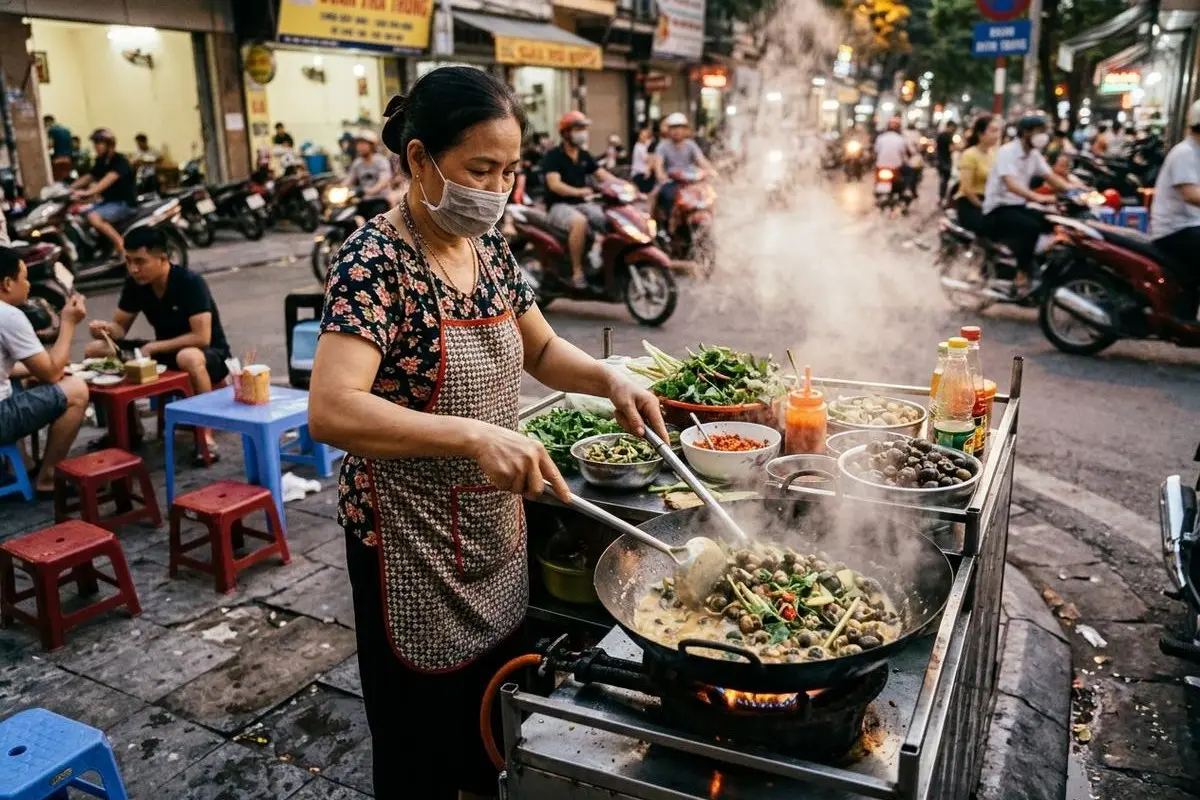
If you are new to Vietnamese street food, our secrets to enjoying a real Haiphong food tour share more simple hygiene and ordering tips.
Best Time To Visit Do Son Beach For Seafood
Seafood is available all year, but the experience changes with the seasons.
- Summer, around May to August: the liveliest season, with many restaurants open late and crowds of local holidaymakers, especially at weekends.
- Autumn, around September to November: pleasant weather, fewer crowds and still plenty of choice. Do Son’s buffalo fighting festival also takes place in the lunar eighth month, when the area becomes very busy.
- Winter and early spring: quiet and cool, some beachfront places reduce hours, but local eateries keep serving.
For a relaxed meal, visit on a weekday and arrive for an early dinner to watch the sunset from the shore.
Getting To Do Son And Planning Your Meal
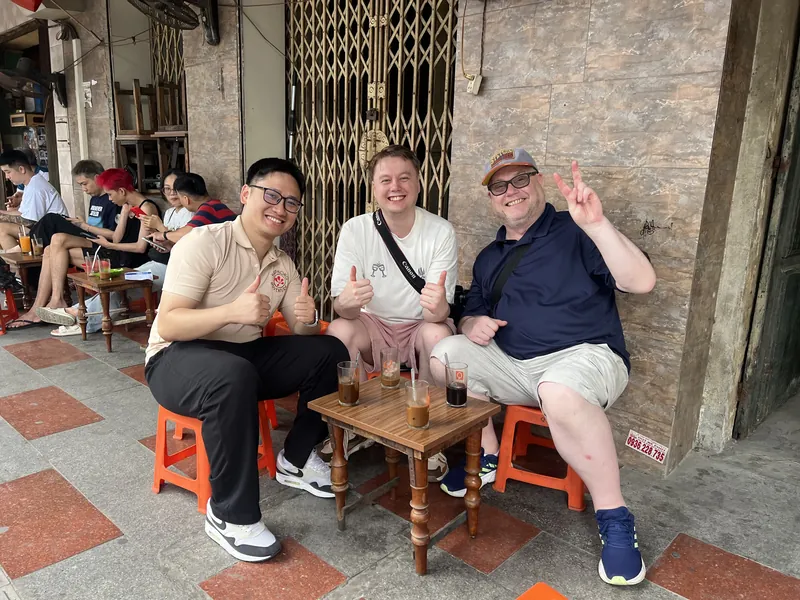
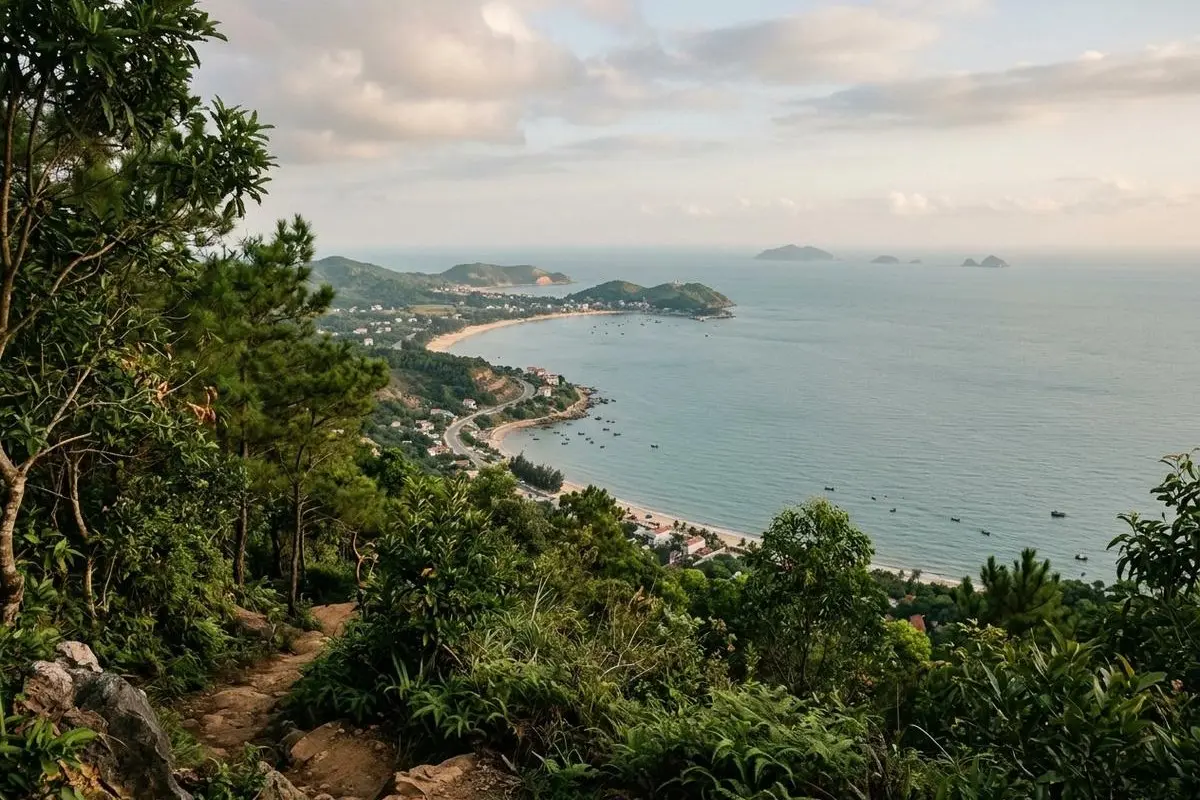
Do Son is roughly a 30 to 45 minute drive from central Haiphong, depending on traffic. Taxis and ride-hailing apps are the easiest options, and local buses also run on the route. Many travellers combine a seafood lunch with a walk along the coast, a visit to a hillside temple and a coffee with a sea view.
- Half-day plan: leave Haiphong late morning, seafood lunch, coastal walk, back in the city by late afternoon.
- Sunset plan: arrive in the afternoon, explore the peninsula, then dinner by the sea.
- Food lover plan: visit the harbour area in the morning, buy seafood, have it cooked for lunch, then relax at a cafe.
For more ideas to fill the rest of your day in and around the city, see my favourite things to do in Haiphong on weekend.
>>> 24-Hour DIY Haiphong Tour: The Ultimate Guide
Useful Vietnamese Words For A Seafood Meal
| Vietnamese | English |
|---|---|
| Hai san | Seafood |
| Bao nhieu mot can? | How much per kilo? |
| Hap | Steamed |
| Nuong | Grilled |
| Xao toi | Stir-fried with garlic |
| Khong cay | Not spicy |
| Tinh tien | The bill, please |
Even a few words show respect, and staff will usually respond with smiles and extra help.
Our Advice On Eating Seafood At Do Son Beach
Do Son beach is one of the best places near Haiphong to enjoy fresh seafood the local way. Choose busy places with live tanks, confirm prices per kilo, keep cooking styles simple and share everything at the table. If you want to skip the guesswork, join one of our haiphong tours and let a local guide from Haiphong Adventure order for you, explain each dish and show you the side of the coast that most visitors never see.
Frequently Asked Questions About Do Son Beach Seafood
Is seafood at Do Son beach expensive?
Prices vary by type, size and season. Shellfish and squid are usually affordable, while large crabs and premium fish cost more. Always ask the price per kilo first.
What is the must-try seafood at Do Son?
Blue swimming crab, mantis shrimp, steamed clams, grilled oysters and jellyfish salad are local favourites.
Can I buy seafood at the market and have it cooked?
Yes. Many eateries near the harbour will cook seafood you bought for a fee. Agree the fee and cooking style before handing it over.
Is it safe to eat seafood at Do Son?
Generally yes, if you choose busy places with live seafood cooked to order. Avoid raw dishes on hot days and skip horseshoe crab.
How far is Do Son beach from Haiphong city?
About 20 kilometres, usually a 30 to 45 minute drive depending on traffic.
Plan Your Seafood Trip To Do Son With Us
Would you like a local guide to take you to Do Son for a seafood lunch, or a food tour in Haiphong city with snails, crab dishes and street snacks? Send the Haiphong Adventure team your dates and group size, and we will suggest the easiest plan with honest local tips.
WhatsApp, Viber, WeChat: +84(0)934.555.001
KakaoTalk, Line ID: haiphongadventure