Conservation Efforts In Cat Ba National Park
Cat Ba National Park protects much of the wild heart of Cat Ba Island, from limestone forests and hidden valleys to caves, mangroves and the waters around the island. It is also home to one of the rarest primates on Earth, the Cat Ba langur. Behind the green scenery is decades of conservation work by park rangers, scientists, local communities and partners, and every visitor can play a small part in it.
In this guide, the Haiphong Adventure team explains why Cat Ba National Park matters, the main conservation efforts happening on the island, how local villages are involved and simple ways to visit responsibly. Figures and programmes change over time, so treat the details as a general overview (updated October 2026).
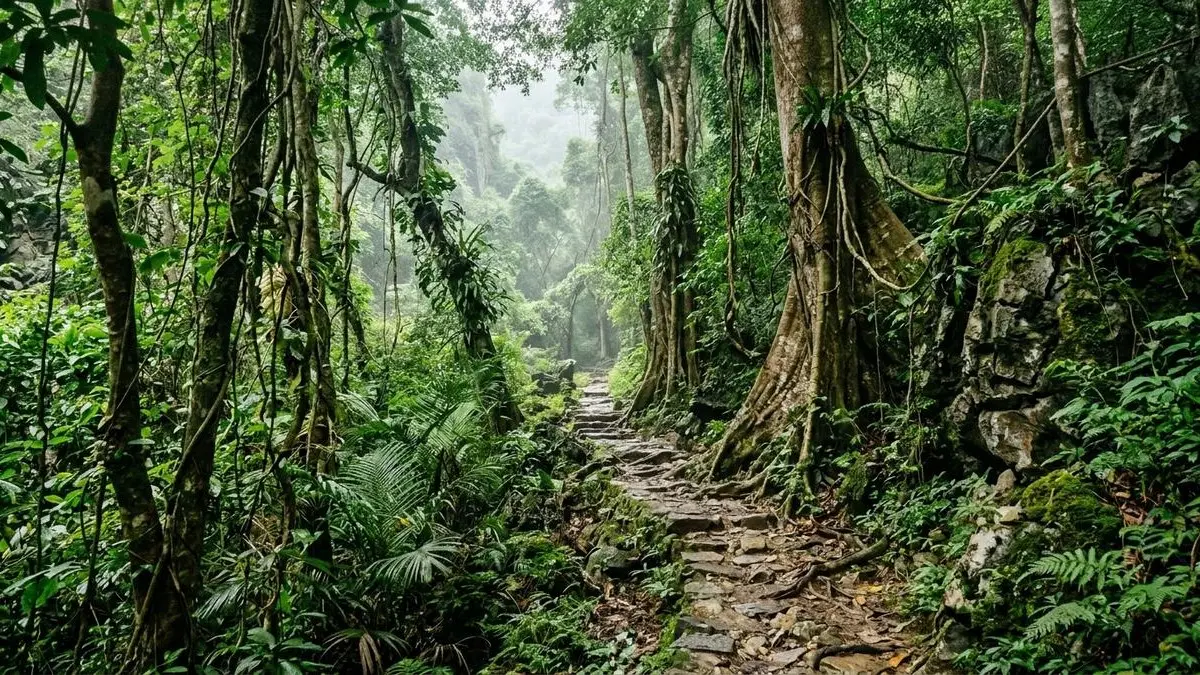
Why Cat Ba National Park Matters
Cat Ba National Park was established in 1986 and is often described as one of the first national parks in Vietnam to protect both land and sea ecosystems. Together with the surrounding islands, the Cat Ba Archipelago was recognised as a UNESCO Biosphere Reserve in 2004, and in 2023 it became part of the Ha Long Bay and Cat Ba Archipelago World Heritage Site.
- Limestone karst forest. Rare forests growing on steep rock, with plants adapted to thin soils.
- Wildlife. Primates, bats, birds, reptiles and many insects, including species found almost nowhere else.
- Caves and valleys. Hidden habitats that shelter wildlife and hold human history.
- Coast and sea. Mangroves, beaches, coral and seagrass areas around the island.
To learn more about what grows and lives here, read our guide to the flora and fauna of Cat Ba National Park.
The Cat Ba Langur A Symbol Of Conservation
The golden-headed or Cat Ba langur lives only on Cat Ba Island. Its dark body and pale golden head make it easy to recognise, but very few people ever see one in the wild.
From near extinction to slow recovery
Hunting and habitat loss in the past pushed the species to the edge. By the early 2000s, only a few dozen individuals were thought to survive, making it one of the most endangered primates in the world. Since then, protection work has helped the population grow slowly, although it is still very small and classed as critically endangered.
How the langur is protected
- Long-term projects. A dedicated Cat Ba langur conservation project has worked with the park and international zoo partners since around 2000.
- Guards and monitoring. Local guardians watch over key habitats and record sightings.
- Strict protection zones. Some areas where langurs live are closed to tourists to avoid disturbance.
- Education. Schools and villages learn why the langur matters and how to protect it.
Please do not try to find langurs on your own or ask boat drivers to approach their cliffs. The best way to help is to respect closed areas and support responsible operators.
>>> Wildlife You Can See On A Cat Ba Island Tour
Protecting The Forest Ecosystem
Most of the park’s work happens quietly in the forest. Rangers and staff focus on keeping the habitat healthy so that plants and animals can recover on their own.
Ranger patrols
Forest rangers patrol trails and remote valleys to prevent illegal logging, hunting and trapping. They also watch for forest fires in the dry season.
Replanting and restoration
Degraded areas near the park edges are replanted with native species, helping to connect fragments of forest and reduce erosion on steep slopes.
Research and monitoring
Scientists and park staff survey plants, birds, bats and primates to understand how populations are changing and where protection is most needed.
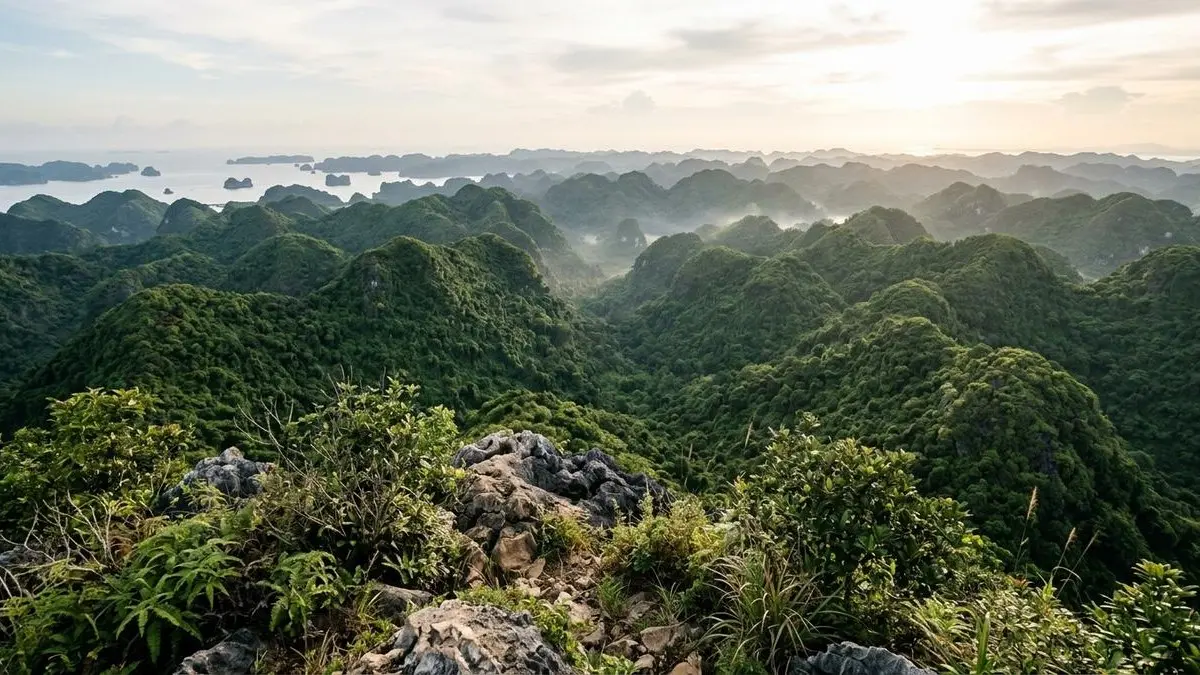
Recommended tour
The Luxury Halong Bay Tours

See the protected limestone seascape of the Ha Long Bay and Cat Ba World Heritage area in comfort, with calm cruising and time to enjoy the islands.
From $109 per person
Caring For The Sea Around Cat Ba
Conservation on Cat Ba does not stop at the shoreline. The waters around the island, including Lan Ha Bay, are part of the same fragile system.
- Coral and seagrass. These shallow habitats shelter young fish and are sensitive to pollution and anchors.
- Mangroves. They protect the coast from storms and provide nursery areas for marine life.
- Managing floating farms. In recent years, local authorities have worked to reorganise and regulate floating fish farms in the bays to reduce pollution.
- Clean-up efforts. Local groups, schools and tour operators join beach and bay clean-ups to reduce plastic waste.
Rules and projects in the bays change from time to time, so follow the instructions of your boat crew and local guide.
How Local Communities Help
Many people live inside or next to the park, and their support is essential. Viet Hai village, reached by trail or by boat, is a good example of how village life and conservation can work together.
- Eco-friendly homestays. Small guesthouses give families an income from visitors instead of from forest resources.
- Local guides. Villagers who know the forest share their knowledge and help visitors stay on safe trails.
- Farming in harmony. Small gardens and rice fields are kept at a scale that fits the landscape.
- Community awareness. Education programmes explain the value of the langur and the forest.

>>> Cat Ba Island Tour Experience Into The Jungle
Challenges Facing Cat Ba National Park
Conservation on Cat Ba is a success story in progress, but the park still faces real pressures.
| Challenge | Why it matters | How it is being addressed |
|---|---|---|
| Tourism growth | More visitors mean more waste, noise and pressure on trails | Marked routes, closed zones and visitor guidelines |
| Development | Roads and buildings can fragment habitats | Planning rules and protected boundaries |
| Small langur population | Very few animals left means high risk | Protection zones, monitoring and long-term projects |
| Marine pollution | Plastic and waste harm reefs and fish | Clean-ups and regulation of floating farms |
| Climate and storms | Typhoons and heat can damage forests and coasts | Replanting and mangrove protection |
How To Visit Cat Ba National Park Responsibly
Your choices as a visitor make a difference. These simple habits help protect the park.
- Stay on marked trails. Shortcuts damage plants and cause erosion.
- Never feed wildlife. Feeding changes animal behaviour and can make them sick.
- Carry your rubbish out. Bring a small bag for wrappers and bottles.
- Keep noise down. Quiet visitors see more birds and disturb less.
- Respect closed zones. Some areas are closed to protect langurs and other wildlife.
- Use local guides. They know the safe routes and the rules, and your fee supports local families.
- Choose refillable bottles. Cut down on single-use plastic during your trip.
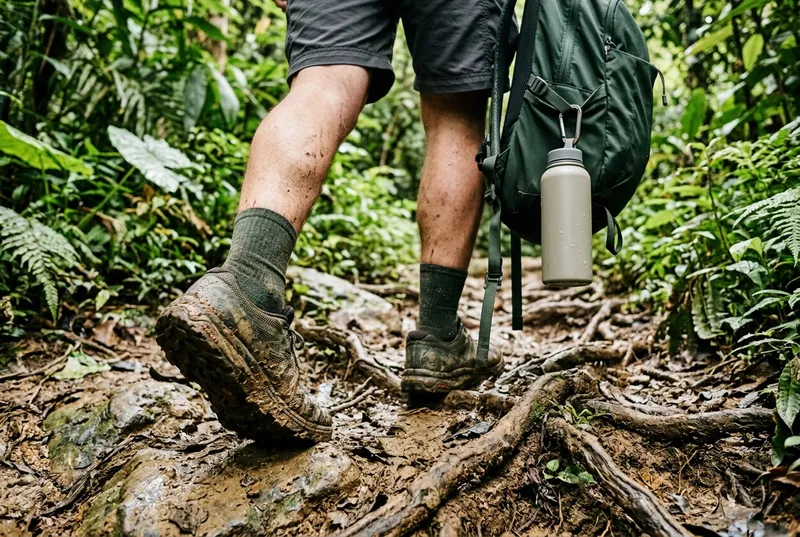
Planning a hike? Our guide to trekking routes in Cat Ba National Park compares the main trails, and these tips on preparing for Cat Ba National Park hiking cover what to bring.
Best Ways To Experience The Park
- Short hike to Ngu Lam peak. A popular climb with wide views over the forest.
- Trek to Viet Hai village. A longer walk through the forest to a quiet village.
- Visit caves. Discover natural caves and the history hidden inside the hills.
- Bay cruise and kayaking. See the protected seascape around Cat Ba from the water.
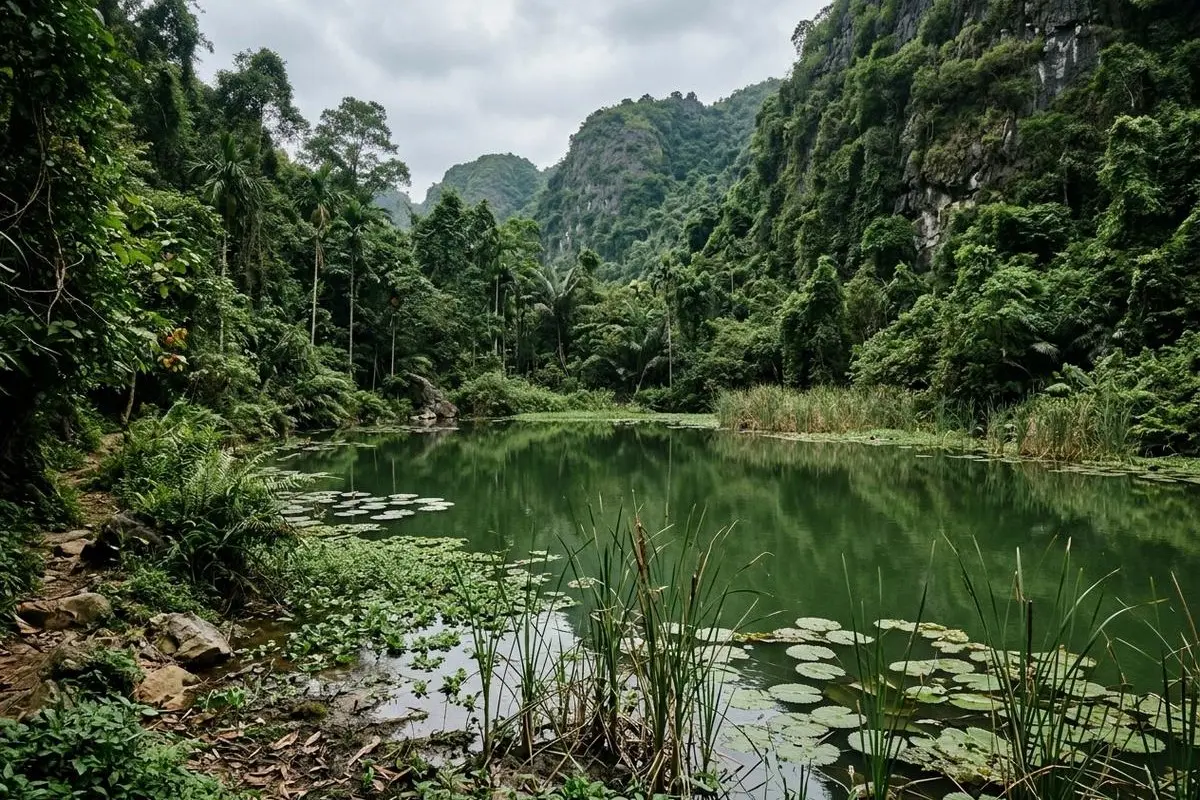
Entrance tickets and opening hours at the park headquarters can change, so check locally before your visit. If you want help planning, our team can suggest options from our Cat Ba tours page, and many guests combine the island with one of our haiphong tours in the city.
>>> Ngu Lam Peak View Cat Ba National Park Trail
Frequently Asked Questions About Cat Ba National Park Conservation
Why is Cat Ba National Park important?
It protects rare limestone forest, caves, coastal habitats and the critically endangered Cat Ba langur, which lives nowhere else in the world.
Can I see the Cat Ba langur?
Sightings are very rare and the langur’s habitat is protected. Visitors should not try to approach them. Supporting conservation is the best way to help.
Is Cat Ba part of a World Heritage Site?
Yes. In 2023 the Cat Ba Archipelago was added to the Ha Long Bay World Heritage Site, now known as Ha Long Bay and Cat Ba Archipelago.
How can tourists help conservation?
Stay on trails, never feed wildlife, take your rubbish with you, respect closed areas and choose local guides and responsible tours.
Do I need a guide to hike in the park?
Short marked trails can be walked independently, but a local guide is recommended for longer treks and remote areas.
Help Keep Cat Ba Wild
Cat Ba National Park is a rare place where forest, sea and village life still meet in balance. Thanks to rangers, scientists and local families, its wildlife has a better future, and every thoughtful visitor helps keep it that way.
If you would like the Haiphong Adventure team to plan a responsible trip to Cat Ba, just send us a message.
WhatsApp, Viber, WeChat: +84(0)934.555.001
KakaoTalk, Line ID: haiphongadventure