
Flora And Fauna Of Cat Ba National Park Guide
The flora and fauna of Cat Ba National Park are the real reason many travelers climb off the ferry and head inland. The park protects limestone forest, mangrove edges and a number of rare animals, including one of the most endangered primates on Earth. This guide explains what grows here, which animals live in the park, what you can realistically hope to see and how to watch nature without harming it.
We run tours around Haiphong and the northern coast at Haiphong Adventure, and we love sharing this side of the island. Wildlife is never guaranteed, so we aim to set honest expectations and help you enjoy the whole landscape, not only the animals.
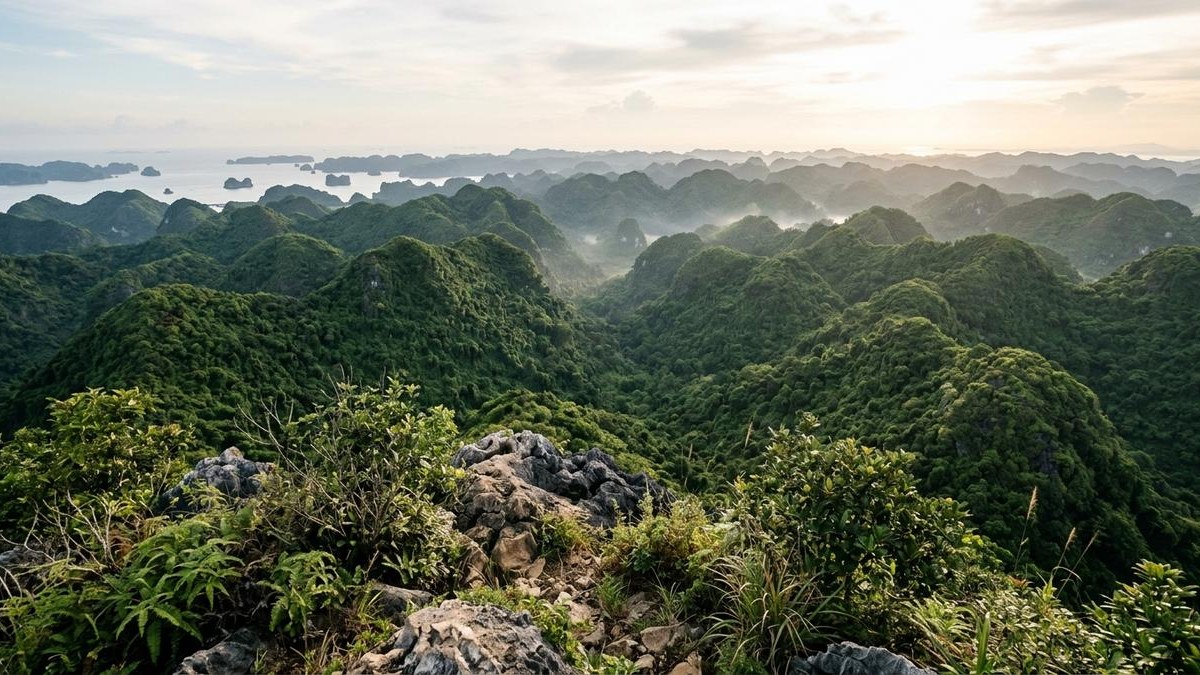
A Living Landscape on Limestone
Cat Ba Island rises from the sea as a mass of limestone hills covered in forest. The island and its surrounding waters are recognized internationally for their natural value, and the archipelago is part of the Ha Long Bay and Cat Ba Archipelago World Heritage site. Within this small area you find several habitats close together, which is why the park feels so rich for its size.
Forest on stone
Trees cling to cracks in the rock, roots spread across boulders and moss covers the shaded surfaces. This creates a layered forest with tall trees above and ferns, vines and shrubs below.
Valleys, caves and wetlands
Low valleys collect water and soil, so they hold some of the thickest vegetation. Caves shelter bats and insects. Along parts of the coast, mangroves and tidal flats support a different set of plants and animals.
The Plants You Can Expect to See
Botanists have recorded a large variety of plant species on the island. You do not need to be an expert to enjoy them. A few simple groups are easy to notice on a walk.
Tall evergreen trees
The forest is mostly tropical evergreen, so it stays green throughout the year. One well-known tree on forest walks is the kim giao, a slow-growing conifer that gives its name to a popular forest trail. Local guides and rangers can point out larger old trees along the path.
Medicinal and useful plants
Local people have long used forest plants as food, building material and traditional medicine. If a guide offers to explain these uses, listen with curiosity but remember that traditional knowledge is not medical advice, and never taste plants you cannot identify.
Orchids, ferns and flowering shrubs
Depending on the season you may notice wild orchids, ferns and flowering shrubs. The humid air suits ferns especially well, and shady rock faces are often covered with them. Flowering times vary by year, so ask locally what is in bloom during your visit.
Mangroves and the Coast
Away from the hills, the shoreline offers another world. Mangrove trees stand in salty mud, with roots that rise above the water. These areas shelter young fish, crabs and wading birds, and they protect the shore from erosion.
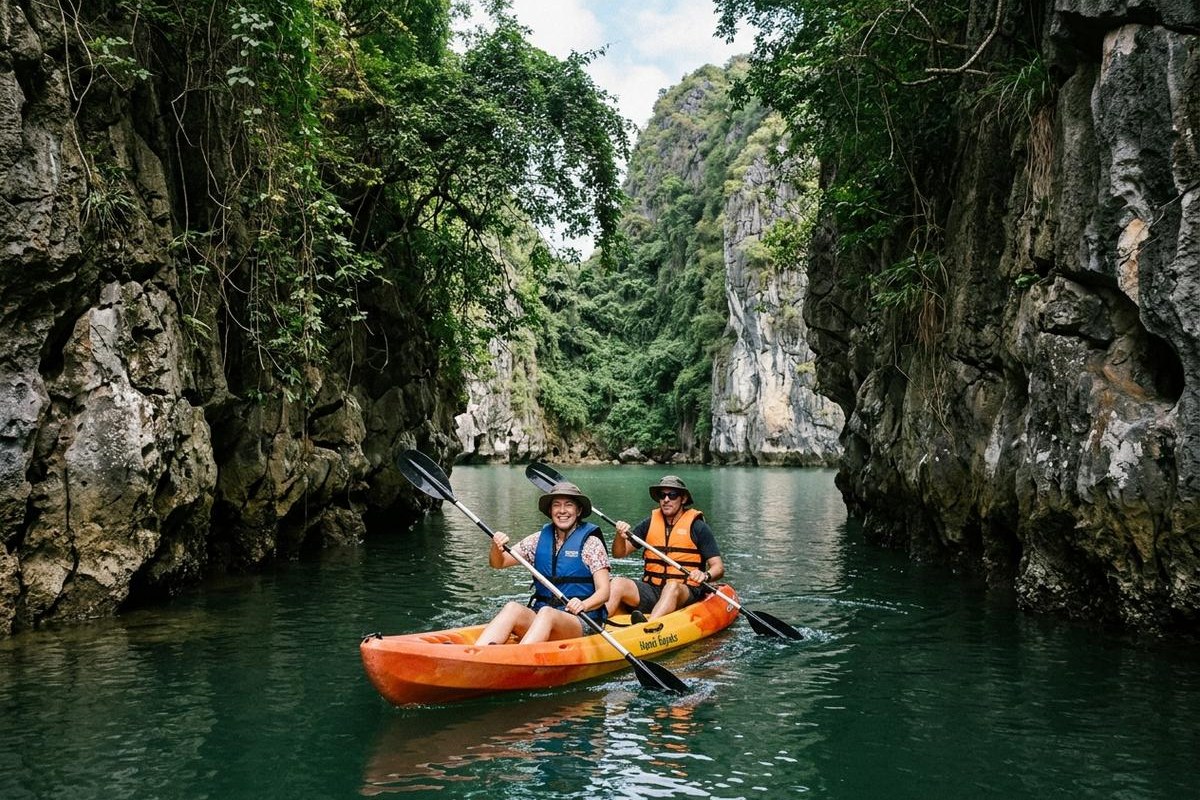
Mangrove areas are fragile. If you visit by boat or kayak, keep your distance from the roots, avoid dropping anything in the water and follow your guide. Our readers who enjoy water trips may like the story of our Lan Ha Bay tour experience, which shows another side of the same coastline.
>>> Lan Ha Bay Tour Experience Cruising The Unknown
The Famous Resident, the Cat Ba Langur
The animal most people have heard about is the Cat Ba langur, a primate with a golden or pale head and dark body. It is found only on this island and is considered critically endangered by conservation groups. Rangers and conservation teams monitor the small remaining population closely.
Can you see one?
Honestly, it is unlikely. The langurs are shy, live in remote cliff areas and keep away from people. Most visitors never see one, and that is normal. A trip that promises a guaranteed sighting should make you cautious.
Why protection matters
Conservation work on the island focuses on guarding the remaining animals and their habitat. When you follow park rules and keep to the paths, you help that work succeed. Never pay for or support any activity that involves chasing, feeding or capturing wildlife.
Other Animals of the Park
Besides the langur, the island is home to a wide range of smaller and more common animals. You are far more likely to meet these on an ordinary walk.
Mammals
Monkeys such as macaques, squirrels and small forest mammals live in the park. Many are most active in the early morning or evening. They are wild animals, so keep your distance and keep food hidden.
Birds
Cat Ba is a pleasant place for casual bird watching. Listen for calls in the forest at dawn, and scan the treetops and coastline for movement. A pair of binoculars and some patience will add a lot to your walk.
Reptiles, insects and butterflies
Lizards, snakes, frogs and countless insects share the forest floor. In warm months butterflies often gather along sunny paths. Watch where you step and where you place your hands, particularly on rocks and logs.
Recommended tour

Cat Ba tours with Haiphong Adventure
Want to combine nature walks with a relaxed local plan? Message us and we will suggest options around Cat Ba and the wider region, with prices confirmed at the time of booking.
Marine Life Around the Island
The waters around Cat Ba carry their own life, from fish and crabs to shellfish and jellyfish. Some fishing communities live on the water in small floating villages. Seasonal conditions affect what you may see, and swimming safety depends on the weather and local advice, so ask before entering the water.
If you like the idea of combining land and sea, our article on Cat Ba tour activities including trekking, hiking and swimming gives a broader picture of what the island offers.

Best Time to Watch Nature
Wildlife tends to be more active in the cooler parts of the day. Early morning and late afternoon are the best windows for birds and mammals. Midday is quiet and hot.
By season
Autumn and spring often give comfortable weather for walking. Summer brings lush green growth but also heat, rain and storms. Winter can be misty and cool. Conditions change from year to year, so check the forecast near your travel date.
>>> Cat Ba Tour Itinerary For Nature Lovers Guide

A Simple Nature Day Plan on Cat Ba
If you have one full day on the island, a slow plan works better than trying to cover everything. The outline below is a flexible suggestion, not a fixed schedule. Trail access, boat times and weather can change, so confirm details locally the day before.
Early morning in the forest
Start as early as you can, when the air is cooler and birds are most vocal. Choose a short forest trail and walk it slowly. Stop often, listen and look up into the canopy rather than only at the path.
Midday rest and local lunch
When the heat builds, the forest goes quiet. This is a good time for a long lunch in town, a rest at your hotel or a shaded viewpoint. Drink plenty of water before the afternoon.
Afternoon on the water
Later in the day, a boat or kayak trip shows you the coast, the floating villages and the cliffs from a different angle. Wear a life jacket, keep valuables in a dry bag and follow the instructions of the crew.
Evening by the harbour
End the day with a walk along the harbour as the light softens. It is a calm way to look back on what you saw and plan the next morning if you are staying longer.
How to Watch Wildlife Responsibly
- Stay on marked paths and do not enter closed areas.
- Move slowly and speak quietly. Animals notice noise long before they notice you.
- Never feed wild animals. Human food harms them and changes their behavior.
- Keep a respectful distance and never chase or touch an animal for a photo.
- Do not pick plants or take stones, shells or insects as souvenirs.
- Carry out all of your trash, including small wrappers.
- Choose operators who follow park rules and do not promise guaranteed sightings.
A good guide adds a great deal. They know where birds call, how to read tracks and where a plant has a story. They will also tell you when it is better to stay back.

What to Bring for a Nature Walk
- Shoes with a firm grip, since rock and roots can be slippery.
- Light clothing that covers arms and legs, plus a hat.
- Insect repellent and a small first aid kit.
- Plenty of water and a snack.
- Binoculars if you have them, and a camera with a zoom lens.
- A light rain jacket, especially outside the dry months.
Remember that rules, trail access and fees can change. Ask at the park entrance or with your guide for the latest details (for reference, updated October 2026).
>>> Scenic Views On Haiphong To Cat Ba Route Guide

Photographing Plants and Wildlife Without Disturbance
Many visitors want to bring home good photos of the forest. A few simple habits help you get better pictures while keeping animals and plants safe.
- Use a zoom lens instead of walking closer to an animal.
- Turn off the flash, especially near caves where bats roost.
- Stay on the path, even when the best angle seems to be off it.
- Shoot plants and insects in soft morning light, when colors look natural.
- Protect your gear from humidity with a dry bag and a small cloth.
Be patient. The best photos in the forest often come after you stand still for a few minutes and let the place settle around you.
Flora and Fauna of Cat Ba National Park FAQ
Will I see the Cat Ba langur?
Very probably not. The species is rare and shy. Treat any sighting as a rare bonus, not a plan.
Is the park dangerous because of snakes or insects?
Most walks are safe if you stay on the path, wear proper shoes and watch your step. Use repellent, and tell your guide if you have allergies.
Can I bring a drone?
Rules about drones can change and may be strict near protected areas. Ask the park staff before flying anything, and respect their answer.
Is the park good for children?
Yes, on short and easy paths. Children often enjoy spotting insects, plants and birds. Choose gentle routes and keep a slow pace.
Do I need a guide to enjoy the nature?
It is not always required, but a guide makes a big difference to what you notice and understand, and can handle logistics on longer routes.
Explore Cat Ba Nature With Haiphong Adventure
The best way to appreciate the park is slowly, with respect and with someone who knows the ground. If you would like help planning a nature-focused trip, message us and we will suggest a plan that fits your time and energy. You can also browse our Haiphong tours to see what else we offer in northern Vietnam.
Contact Haiphong Adventure
WhatsApp, Viber, WeChat: +84(0)934.555.001
KakaoTalk, Line ID: haiphongadventure
Information in this guide is for reference only, last updated October 2026. Wildlife sightings are never guaranteed and park rules can change.