
Cat Ba Island Tour Experience Into The Jungle
A Cat Ba Island tour is usually sold as a boat day, but the interior of the island tells a quieter and more surprising story. Behind the beaches and the busy harbor town, limestone peaks are wrapped in dense green forest, and narrow trails lead through shade, birdsong and the smell of damp leaves. This guide describes what a jungle day on Cat Ba really feels like, from the first steps on the trail to the tired, happy ride back to town. It also covers clothing, safety and timing, so you can decide whether this side of the island suits you. Haiphong Adventure helps travelers plan northern Vietnam trips every week, and the advice below reflects the questions our guests ask most.
What makes the Cat Ba jungle different
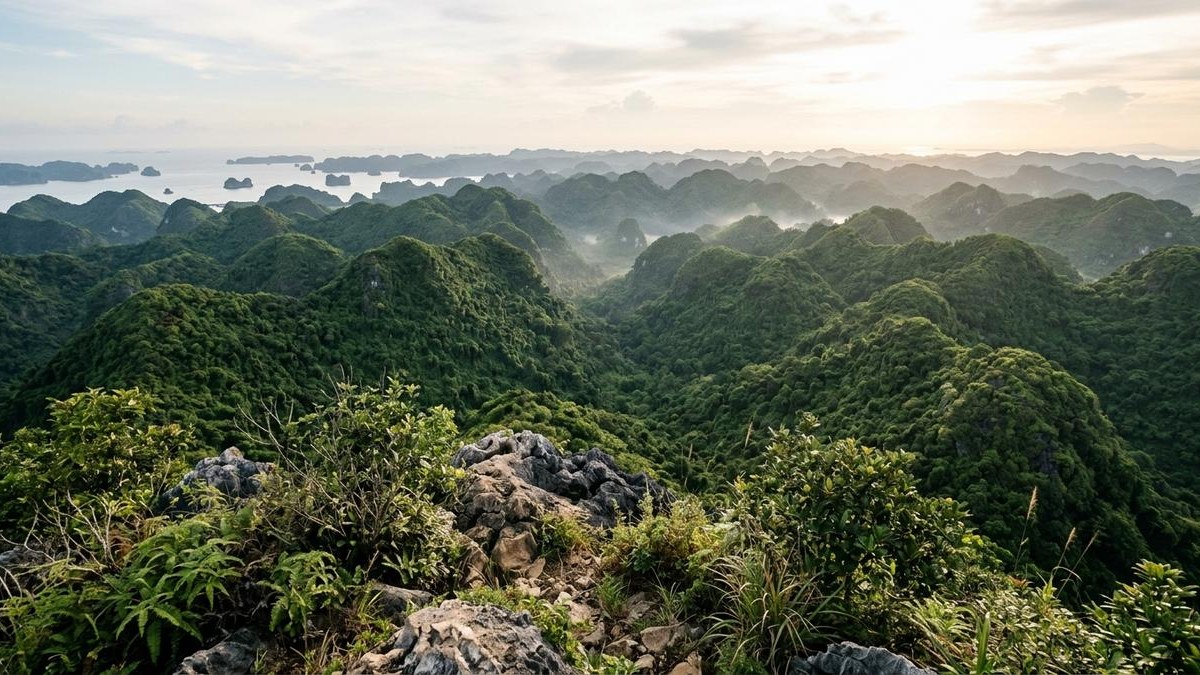
Cat Ba is the largest island in the archipelago that includes Ha Long Bay and Lan Ha Bay, and much of its land is protected as a national park. The forest grows on karst, which means sharp limestone, thin soil and plants that cling to rock. The result is a landscape that looks like a miniature mountain range covered in moss and vines.
Compared with the open water of the bay, the jungle feels intimate. You hear insects before you see anything, and the light changes every few minutes as clouds pass over the canopy. For many visitors it becomes the most personal part of a Cat Ba Island tour because it is slow, quiet and physical.
A short word on the setting
In 2023, UNESCO extended the Ha Long Bay World Heritage Site to include the Cat Ba Archipelago, and the combined area is now listed as Ha Long Bay – Cat Ba Archipelago. That recognition is one reason rules in protected areas are strict, and why guides ask visitors to stay on marked paths.
Who a jungle day on Cat Ba suits best
A forest walk is not for everyone, and that is fine. It suits travelers who enjoy slow discovery more than quick photo stops. If you like birdsong, plants and the feeling of earning a view, the interior of the island will reward you.
It is a weaker fit if you dislike humidity, have knee problems on steep steps or only have a few hours on the island. In that case, a boat day or a gentle walk around town may give you more pleasure for the same effort.
Good reasons to add a trail day
- You have already seen the bay and want a different side of the island.
- You travel outside busy weekends and want quieter places.
- You enjoy nature photography, especially close-up details.
- You want an active day to balance long hours on buses and boats.
Getting from Haiphong to the trailhead
Most travelers reach the island by road and ferry from Haiphong, then continue by road toward the national park. The overall journey takes several hours door to door depending on connections, so an early start gives you the best light and the coolest hours on the trail. Schedules and ticket rules change by season, so check the latest timetable before you leave.
If you are still deciding between bus, ferry and private transfer, our guide to ferry and bus tips from Haiphong to Cat Ba compares the options without hype. Arriving the evening before is wise if you want to hike the next morning without rushing.

>>> Planning A Perfect Cat Ba Tour From Haiphong City
Entering the national park
The park entrance is a modest affair: a gate, a ticket office and a notice board with trail names. Entry fees and opening hours are set by the park authority and can change, so treat any number you read online as a reference (updated October 2026) and confirm it on arrival. Carry cash in small notes, because card payment is not always available.
Many visitors prefer to join a guided group, since a guide handles tickets, explains the forest and knows which trails are in good condition after rain. If you walk without a guide, download an offline map and tell your accommodation where you are going.
Choosing a trail
Trails range from short loops with gentle steps to long walks that cross the island interior. A climb to a viewpoint rewards you with a wide look across green ridges, while longer routes lead toward remote villages. The honest advice is to pick a trail that matches your fitness and your daypack, not your ambition.
The first hour under the canopy
The first hour is the hardest and the most rewarding. Your legs find a rhythm on stone steps, your eyes adjust to the green light and your ears begin to separate one bird call from another. Roots cross the path like slow snakes, and every few meters a tree trunk is draped in moss or small ferns.
The air is humid, especially in summer, so expect to sweat even in the shade. Walk slowly, drink often and use pauses to look up. Many of the best moments, such as a squirrel crossing a branch or a butterfly with iridescent wings, happen when you stop moving.
For those who want to know what else is possible on the island, our overview of trekking, hiking and swimming on a Cat Ba tour helps you plan a balanced stay.
Sounds, smells and small things
A jungle day is rarely about big sights. It is about texture. You notice the cool, mineral smell where a limestone wall seeps water, the buzzing of cicadas in the afternoon and the soft crunch of fallen leaves. If you carry a notebook, you will fill it quickly.
Look closely at the plants. Orchids sometimes grow on tree branches, strangler figs wrap around older trunks, and bamboo clumps creak in the breeze. Local guides often point out plants used in traditional cooking or medicine, and a short story from a guide can change a plain leaf into a memory.
Leave no trace
- Carry out every wrapper, bottle and fruit peel.
- Do not pick plants or move rocks.
- Keep your voice low so animals stay near the path.
- Never feed wild animals, even if they approach you.

Rest stops and the view from the top
Most viewpoint walks include a place to sit down and look at the island from above. This is a good time for a snack and a long drink of water. From a high point, you see green ridges overlapping like waves, with patches of fields and the glint of distant water on a clear day.
Do not count on a perfect view. Cloud and haze are common, and a gray day can turn the forest into a moody, atmospheric scene that photographers love. Flexibility is the secret to a happy jungle day.
Photo tips under the canopy
Forest light is darker than it looks, so phone cameras often struggle. Hold the phone steady against a tree or rock, tap the screen to set focus and avoid the harsh contrast of midday sun breaking through gaps. Close-up shots of moss, leaves and roots often work better than wide shots.
Keep the phone in a dry pouch between photos, because sweat and humidity fog lenses quickly. Wipe the lens with a soft cloth before each important shot.
>>> Cat Ba Tour Itinerary For Nature Lovers Guide
Recommended tour
We do not list a fixed Cat Ba package on our tour page yet, but we can help you shape a route. See the Cat Ba tours page for updates, or message us on WhatsApp with your dates and fitness level and we will suggest a plan.
What to wear and pack for a jungle day
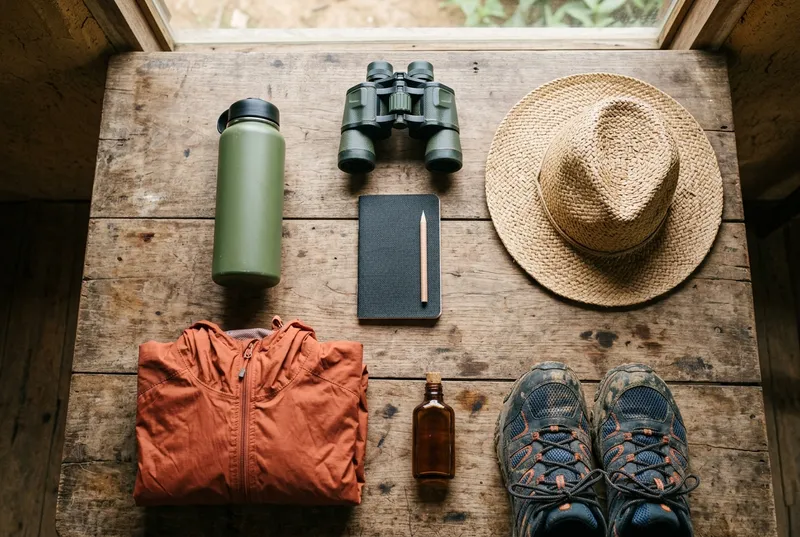
Dress for comfort and for mud. Quick-dry trousers or shorts, a breathable shirt and shoes with real grip will serve you better than fashion. Sandals are a mistake on wet stone. In the rainy season, add a light rain jacket and a waterproof bag for your phone.
A simple packing list
- At least one liter of water per person, more in summer
- Sun hat, sunscreen and insect repellent
- A small first aid kit with plasters and antiseptic
- Snacks such as bananas, nuts or rice crackers
- A spare shirt, because you will sweat
- Cash in small notes and a photocopy of your passport
Leeches and mosquitoes may appear after rain. Repellent and long socks help, and a calm attitude helps more. If one attaches, a guide can remove it safely.
Safety on the trail
The forest is welcoming but not a theme park. Paths can be slippery, signal can be weak and daylight fades quickly under the canopy. Use common sense and follow simple rules to keep a good day good.
- Start early and plan to finish before late afternoon.
- Stay on marked paths, since karst terrain hides holes and sharp edges.
- Do not hike alone if you are unsure of the route.
- Turn back if rain starts to turn steps into streams.
- Save the number of your hotel or tour operator in your phone.
Before you go, check that your travel insurance covers hiking and outdoor activities. If you travel with a guide, ask what the plan is if someone feels unwell or the weather turns. A clear answer is a good sign of an experienced team.

Best season for a jungle walk
Autumn and spring usually give the most comfortable walking weather, with warm days and less intense heat. Summer can be hot, humid and stormy, and winter can bring cool, misty days that feel atmospheric but gray. Weather patterns shift from year to year, so check the forecast the week before you travel.
If your dates are fixed, adapt rather than cancel. Rain brings out saturated greens, while dry days make the trail easier. Guides can often suggest an alternative route when conditions change.

>>> Essential Tips Before Booking Your Cat Ba Tour
A sample jungle day itinerary
Every group moves at a different pace, so treat this as a flexible outline rather than a fixed timetable. It assumes you sleep on the island the night before, which makes an early start realistic.
Early morning
Eat a simple breakfast in Cat Ba town, such as noodle soup or a filled baguette, and buy extra water. Travel to the national park while the air is still cool. Aim to start walking soon after the park opens.
Mid-morning
Walk your chosen trail at a steady pace and take short breaks every half hour. Birds are often more active in the morning, and the light under the trees is softer. Save your snacks for the viewpoint or a rest stop.
Lunch
Return to the trailhead or head back toward town for lunch. Small local restaurants serve rice dishes, stir-fried greens and seafood. A long lunch and a shower make the afternoon far more enjoyable.
Afternoon and evening
Keep the afternoon light. A short swim, a coffee by the harbor or a nap is enough. In the evening, walk along the waterfront, try fresh seafood and compare photos with your travel partners.
Combining the jungle with the sea
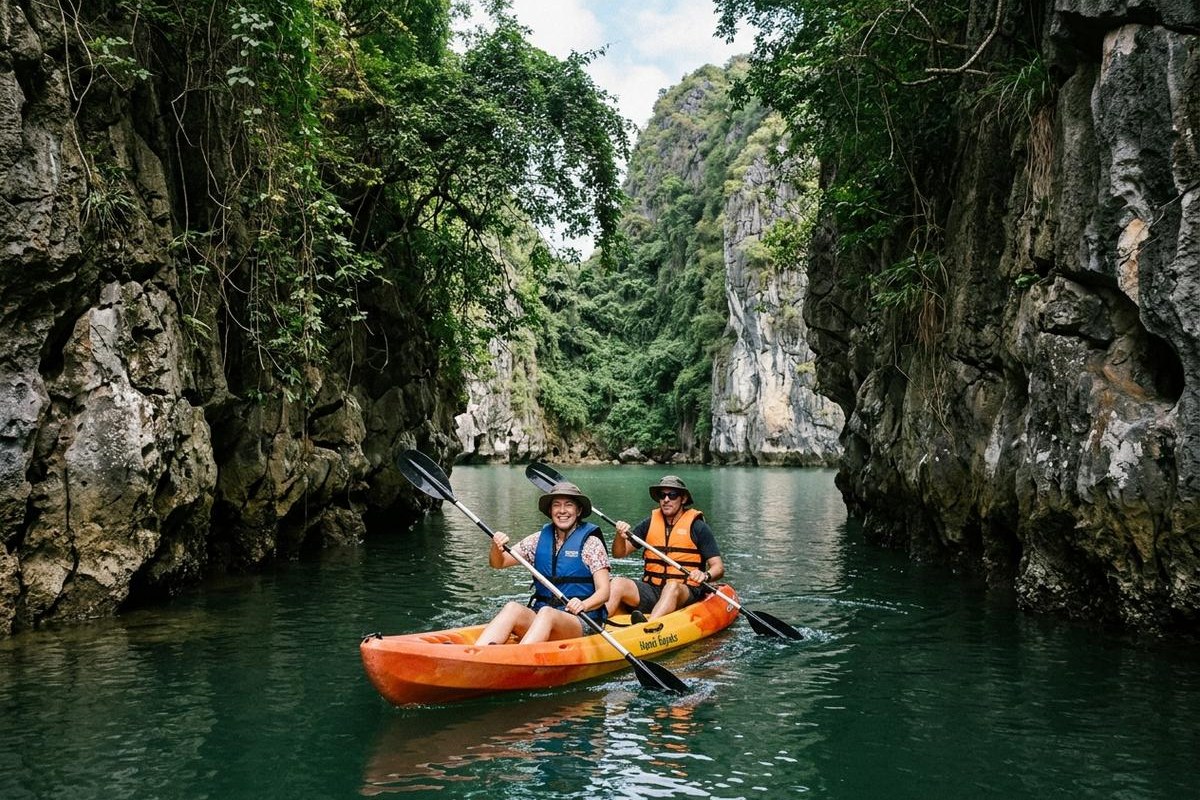
A single day in the forest is rewarding, but pairing it with a boat day gives you the full island picture. Many travelers spend the morning on the trail and the afternoon by the water, or dedicate a full day to the bay. If you want to see how the sea side compares, read about the Lan Ha Bay tour experience and decide how to divide your time.
Whatever you choose, leave room for rest. Travelers who rush through a packed schedule often remember less than those who linger over a coffee after the walk.
Frequently asked questions about a Cat Ba Island tour into the jungle
How fit do I need to be?
A moderate level is enough for short trails. Longer routes demand good stamina, so ask a guide to match the trail to your fitness.
Do I need a guide?
It is not always required, but a guide makes the day safer, easier and far more informative.
Can children join?
Children who are used to walking can enjoy shorter trails. Choose an easier route and pack extra water and snacks.
How long does a jungle walk take?
Short loops can take a couple of hours, while full-day routes take much longer. Times vary with weather and pace.
Are fees fixed?
No. Park fees and transport prices change, so treat any number you see as a reference (updated October 2026) and confirm locally when you travel.
Plan your Cat Ba Island tour with us
If you want help turning this guide into a real plan, message us with your dates and we will suggest a realistic route. You can also browse our Haiphong tours for other ways to explore the north.
WhatsApp, Viber, WeChat: +84(0)934.555.001
KakaoTalk, Line ID: haiphongadventure