
Cat Ba Tour Itinerary For Nature Lovers Guide
If you love forests, birds, wild coastlines and quiet water, a Cat Ba tour can be one of the highlights of a trip to northern Vietnam. Cat Ba is the largest island in the archipelago at the edge of Lan Ha Bay. Its interior is protected as a national park, it sits inside a UNESCO biosphere reserve declared in 2004, and since 2023 the archipelago has been part of the Ha Long Bay World Heritage site. Yet many visitors only see the busy harbour and a crowded boat route.
This guide is written for travelers who want the opposite: early mornings in the forest, lagoons without engine noise, and a better understanding of the wildlife that makes the island special. Our guides at Haiphong Adventure have put together the nature stops we love most, a flexible two-to-three-day itinerary and some simple rules for traveling lightly. For transport from the mainland, read our guide to planning a perfect Cat Ba tour from Haiphong city; here we focus entirely on nature.
Why a Cat Ba Tour Suits Nature Lovers
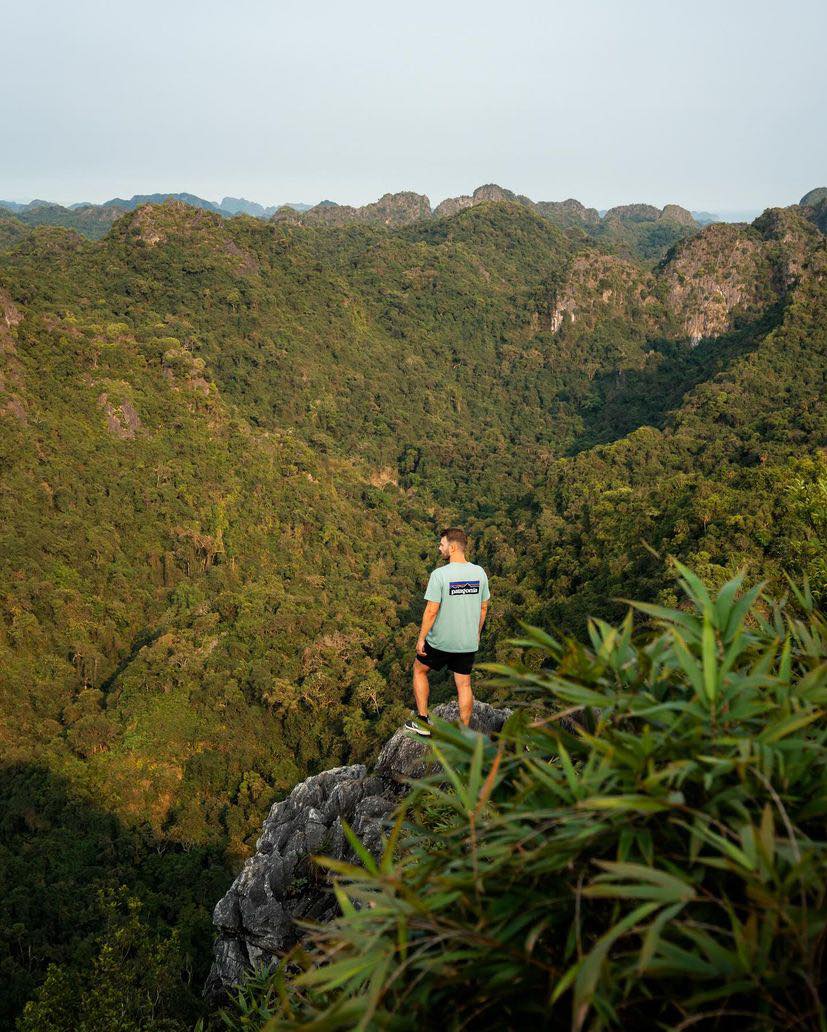
Cat Ba packs a lot of different habitats into a small area. In a single day you can walk through limestone forest, look down on valleys from a peak, paddle past cliffs that drop straight into the sea and watch the tide cover and uncover mudflats at the edge of the island. Few places in Vietnam give you that range so close together.
The island’s most famous resident is the Cat Ba langur, also called the golden-headed langur. It lives nowhere else on Earth and is critically endangered: the population fell to only a few dozen animals and, thanks to protection efforts, has recovered slowly but remains very small. Alongside the langur, the forests shelter many bird species, reptiles, butterflies and plants, while the bay supports corals, fish and the fishing communities that depend on them.
Nature on Cat Ba is not a theme park. You will not be guaranteed to see rare animals, and you should not try to. The pleasure is in the landscapes, the sounds of the forest early in the morning and the sense of space once you leave the town behind.
Best Time of Year for a Nature-Focused Trip
Spring, roughly March to May, is our favourite season for nature lovers. The forest is green, temperatures are comfortable for walking and there are fewer crowds than in summer. Autumn, roughly September to November, is the other good window, with clearer skies on many days and calmer water once the storm season eases.
Summer brings warm water and lush growth, but also heat, humidity, heavy showers, more visitors and the risk of storms that stop boats from sailing. Winter is quiet and cool, good for trekking, but it is often misty and grey. Whenever you go, mornings are the best time for wildlife and for walking in the forest before the heat builds.
Nature Stops Not to Miss on Your Cat Ba Tour
These are the places our guides return to again and again with guests who care about nature. You do not need all of them; choose the ones that match your energy and interests.
Recommended tour
Haiphong Countryside & Coastal Landmarks

Leave the city behind for rice fields, village pagodas and coastal landmarks on a relaxed motorbike ride with a local guide.
From $79 per person
Cat Ba National Park and Its Forest Trails
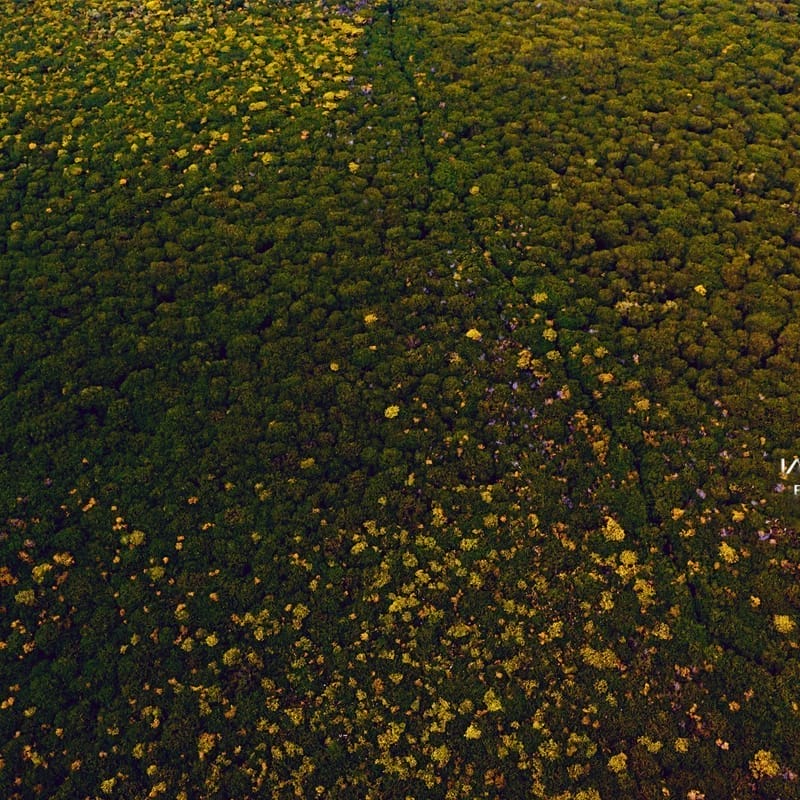
Established in 1986, Cat Ba National Park protects much of the island’s interior: limestone hills covered in tropical forest, small valleys, caves and wetland pockets. Start at the park headquarters, where short trails lead into the forest. Even on a gentle walk you will see huge buttress roots, strangler figs, ferns and climbing plants, and hear birds that stay hidden in the canopy.
Walk quietly and slowly. Most visitors rush to the peak and miss the small things: butterflies on the path, lizards on warm rocks, a line of ants carrying leaves. If you want to go deeper into the forest, hire a local guide who knows which trails are open, as some areas are closed for conservation and the routes change with the seasons.
Ngu Lam Peak for the Wide View
The climb to Ngu Lam viewpoint is short but steep, and it is worth every step. From the top, forested hills roll away in every direction with almost no sign of buildings. It is the best place to understand how much of the island is still wild. Go early in the morning when the light is soft and the air is cooler. Wear shoes with good grip; the rocky steps are slippery after rain. If you want longer walks and swim stops, see our guide to Cat Ba trekking, hiking and swimming activities.
Mangroves and Mudflats Along the Coast
Mangroves are easy to overlook, but they are one of the most important ecosystems in the Haiphong region. They protect shorelines from storms, act as nurseries for fish and crabs and attract wading birds. You will see mangrove fringes along parts of the island’s sheltered shores and around the Cat Hai side, and much larger mangrove forests along the coast of mainland Haiphong.
The best way to appreciate them is at low tide, when the roots and the life in the mud are exposed. Look for fiddler crabs waving their claws, mudskippers hopping between pools and local people collecting shellfish. Stay on firm ground or boardwalks where they exist, and never cut or break the roots.
Langur Conservation and the Cliffs of Lan Ha Bay
The Cat Ba langur lives on the steep limestone cliffs of the island and nearby islets, where it is relatively safe from people. Conservation work by the national park and international partners has focused on protecting these cliffs, stopping hunting and involving local communities. Some areas where langurs live are strictly protected and closed to boats and visitors.
Ask your guide or the park staff about the conservation work and any visitor information available; learning how the species was brought back from the brink is one of the most interesting parts of a nature-focused visit. If you are lucky enough to see langurs from a boat, keep your distance, stay quiet and never try to approach or feed them. Avoid any tour that promises guaranteed sightings or close encounters; that is a sign of disturbance, not responsible wildlife watching.
Quiet Lagoons by Kayak
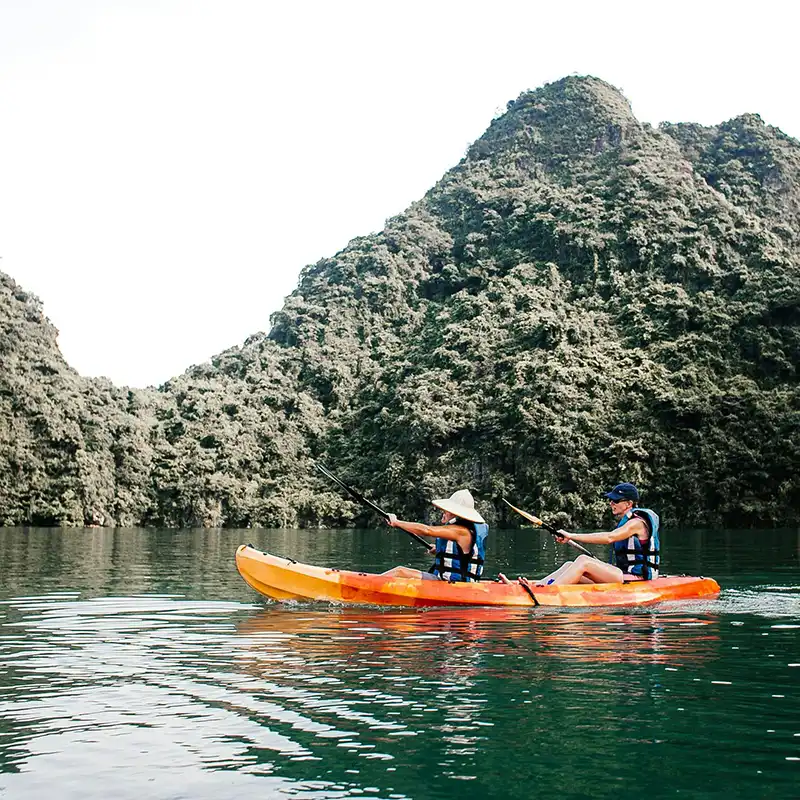
Lan Ha Bay has hundreds of small limestone islands, and many of them hide lagoons that you can only reach by kayak, sometimes through a low arch or cave. Inside, the water is calm and the cliffs block out the wind and noise. This is where you are most likely to see kingfishers, eagles circling overhead and fish moving below the boat.
Choose a trip that goes to the quieter parts of the bay, ideally early in the day, and read our tips for kayaking safely on a Lan Ha Bay tour before you set off. Paddle slowly, keep voices low and take a minute to simply sit and listen. It is a very different experience from a busy kayak station with loud music.

Viet Hai Valley and Village
Viet Hai is a small village set in a valley on the eastern side of the island, enclosed by forested limestone hills. It is reached by boat and then a short ride or walk along a quiet lane. The valley has a peaceful, old-fashioned feel, with fields, gardens and simple houses. Walk or cycle slowly and enjoy the birdsong and the views of the surrounding hills.
Be a considerate guest: ask before photographing people, keep to the paths and buy a drink or snack from local families if you can. Small amounts of tourism income help villages like this value their environment.
Viewpoints and Wild Coastline
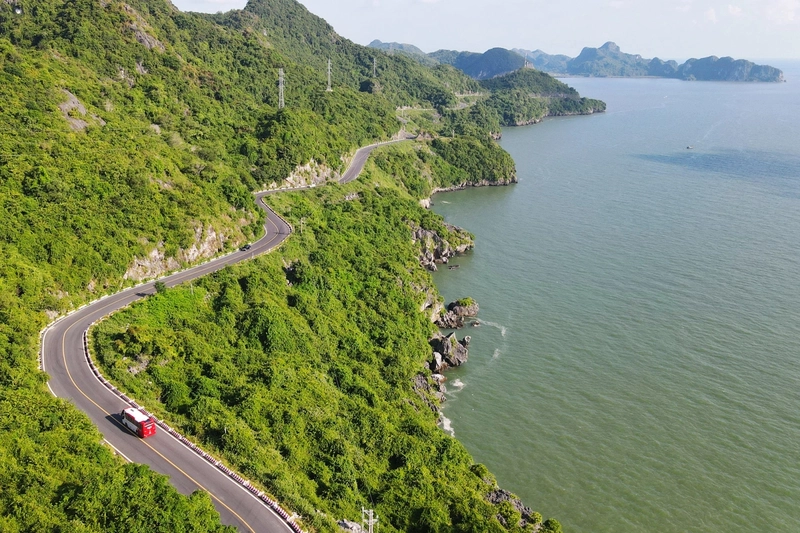
For sunset, the hill at Cannon Fort above Cat Ba town gives a wide view over the bay and the islands beyond. For a gentler coastal walk, follow the cliffside path that links the Cat Co beaches. Early in the morning the sea is often still, and you can watch fishing boats heading out.
A Nature-Focused Cat Ba Tour Itinerary: Two or Three Days
This plan assumes you arrive on the island by late morning. On Cat Ba, weather and tides decide a lot, so treat the order as flexible; we often swap days around when the forecast changes.
Day 1: Coastline and viewpoints
- Midday: arrive, check in and have lunch in town.
- Afternoon: walk the cliffside path between the Cat Co beaches, swim if the season allows and watch for shorebirds.
- Late afternoon: walk up to Cannon Fort for sunset over the bay.
- Evening: early night, because tomorrow starts early.
Day 2: Forest and peak
- Early morning: head to Cat Ba National Park as soon as it opens. Walk the forest trails slowly, then climb to Ngu Lam peak.
- Late morning: stop at Hospital Cave on the way back for a look at the island’s history.
- Afternoon: rest during the heat, then visit a mangrove edge at low tide if timing allows. Your guide can check the tide for you.
Day 3: Bay, lagoons and Viet Hai
- Morning: a small boat into the quieter parts of Lan Ha Bay, with kayaking in lagoons and a swim stop.
- Midday: lunch on board, keeping an eye on the cliffs where langurs live (from a respectful distance).
- Afternoon: land near Viet Hai, cycle or walk to the village, then return by boat.
With only two days, combine Day 1 and Day 2 by doing the park in the morning and the coastline in the afternoon, then keep Day 3 for the bay.
Add a nature day in Haiphong
The mainland has its own green side. Limestone hills, rice fields, quiet pagodas and coastal landscapes are within easy reach of the city, and they make a gentle start or end to the island trip. Our countryside and coastal haiphong tours cover this side of the region, and our guide to exploring rural villages on a Haiphong motorbike tour shows some of our favourite rides.

Responsible Travel on Cat Ba Island
Cat Ba’s nature is under real pressure from tourism, construction and waste. Visitors can make a small but genuine difference with a few habits:

- Refuse single-use plastic. Bring a refillable bottle and a cloth bag; ask boats to refill water rather than hand out plastic bottles.
- Keep wildlife wild. Do not feed monkeys or fish, do not buy wild animal products and never touch or stand on coral.
- Stay on trails. Shortcuts erode slopes and damage plants. Respect closed areas in the national park.
- Choose seafood carefully. Avoid very small or unusual species and ask where the catch comes from.
- Use reef-friendly sunscreen and wear a long-sleeve top to use less of it.
- Support local people. Eat at family-run places, hire local guides and buy from villages you visit.
- Keep the noise down. Loud music on boats and in lagoons disturbs birds and other visitors.
Packing List for Nature Lovers
- Binoculars, even a small pair, make a big difference for birds and cliffs.
- Grippy walking shoes and water sandals.
- Light long trousers and long socks for the forest, plus insect repellent.
- A refillable water bottle, a dry bag and a light rain jacket.
- A field notebook or a nature app if you like identifying species.
- A camera with a zoom lens, and patience.
What You Might See on a Nature Walk or Boat Trip
Guests often ask us what wildlife they can realistically expect on a Cat Ba tour. The honest answer is: plenty of small, everyday nature, and the occasional surprise. Here is what our guides commonly point out.

In the forest
Look for large butterflies along sunny paths, especially in spring and early summer, and for lizards sunning themselves on rocks. Birds are heard more often than seen; listen for calls in the canopy and watch the forest edge near clearings. The plant life is just as interesting: towering trees with buttress roots, wild orchids clinging to rocks, rattan, ferns and fig trees wrapping themselves around older trunks. Mammals such as squirrels are sometimes spotted, while shyer species stay well away from the trails.
On the water and along the shore
In the bay, watch the sky for birds of prey circling above the cliffs and the water’s edge for herons and egrets. Kingfishers often dart across sheltered lagoons. On the mudflats and among mangroves you will find crabs, mudskippers and shellfish, and at low tide the rocks reveal oysters and small sea creatures. Monkeys on some islands, including the well-known Monkey Island, are used to people; enjoy them from a distance, keep food out of sight and never feed them.
A note on expectations
Cat Ba is not a safari destination, and that is part of its charm. The richest moments tend to come when you slow down: a few minutes sitting silently in a lagoon or on a forest bench often shows you more than an hour of walking.

FAQ for Nature Lovers Visiting Cat Ba
Can I see the Cat Ba langur on a tour?
Sightings are rare and never guaranteed. The langurs live on steep cliffs, and many of their areas are protected and closed to visitors. Learning about the conservation work is a more realistic goal than spotting one.
How many days do I need for a nature-focused trip?
Two full days lets you see the national park and the bay. Three days gives you time for slow forest walks, mangroves at low tide and Viet Hai village without rushing.
Is Cat Ba National Park suitable for children?
The short forest trails near the headquarters suit most children. The climb to Ngu Lam peak is steep and better for older kids with good shoes and an adult close by.
When is the best time for birdwatching?
Early mornings in spring and autumn are generally the most rewarding. Bring binoculars and choose quiet trails and lagoons away from busy boat routes.
Is Lan Ha Bay quieter than Ha Long Bay?
Generally yes, especially in its more remote corners, although popular spots near the harbour can be busy in summer. Choosing a small boat and an early start helps a lot, and our Lan Ha Bay route that avoids the crowded spots shows how we plan a quieter day on the water.
How can I make my visit more eco-friendly?
Bring a refillable bottle, avoid single-use plastic, keep distance from wildlife, stay on trails and support local guides and family businesses. Small choices add up on a small island.
Plan Your Nature Trip With Our Local Team
We love sharing the green side of Haiphong and the islands with guests who travel slowly and respectfully. Tell us when you are coming, how active you want to be and what you most want to see, and our team will help you put together a realistic plan, including a countryside day on the mainland if you have time. You can also look at our Cat Ba tour options and message us for current availability.
WhatsApp, Viber, WeChat: +84(0)934.555.001
KakaoTalk, Line ID: haiphongadventure