
Finding The Best Haiphong Street Food In Alleys
The best Haiphong street food is often hidden in alleys: narrow lanes off the main roads where a family has served one dish from the same doorway for years. You will not find them by following a map pin alone. You find them by learning how to read a lane, watching where locals queue and being willing to wander a little. This guide shows you how to explore the alleys with confidence, what you are likely to find, how to order politely and how to stay comfortable while you do it.
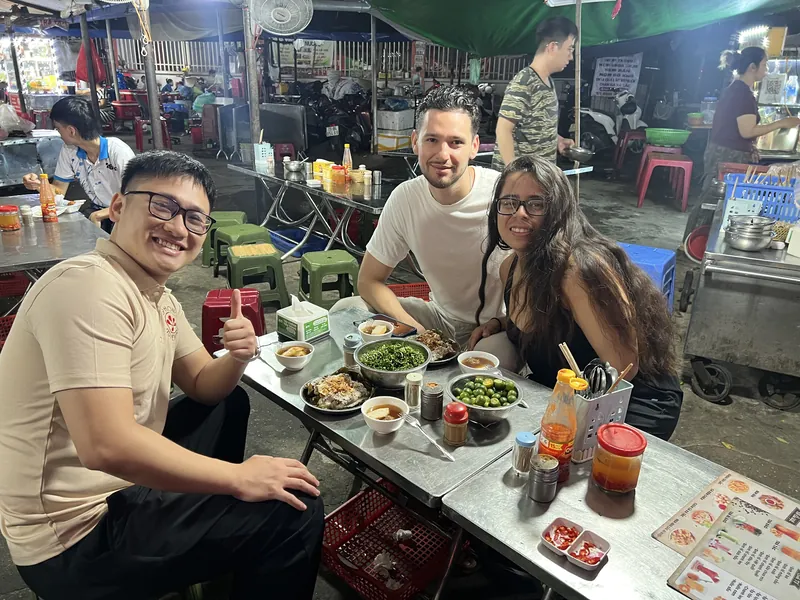
Why the Best Haiphong Street Food Hides in the Alleys
Main roads in Haiphong are busy, noisy and expensive in terms of rent. Small lanes behind them are cheaper, quieter and close to where people live. A family can set up a pot, a few stools and a hand-painted sign, and customers will find them by word of mouth.
That model rewards quality. A vendor in an alley cannot rely on passing tourists, so the food must be good enough to bring regulars back day after day. This is why many locals will say that the best bowl in the neighbourhood is somewhere you would never notice from the street.
Alleys also tend to keep traditional recipes alive. Without pressure to cater to visitors, vendors cook the way they always have. If you want a taste of everyday Haiphong, a side lane is the place to start.
Before You Go: Simple Preparation
A little planning makes exploring easier and more enjoyable.
Go with an empty stomach and a flexible plan
Do not book a tight schedule. Plan to walk, stop and taste, and leave an hour of slack in your day. Alley eating is slow by nature and the best finds come when you are not in a hurry.
Carry small notes and a few essentials
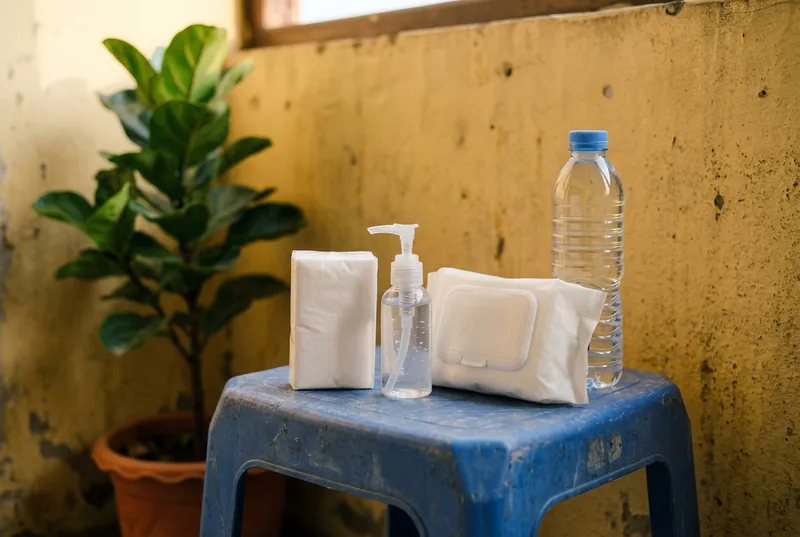
Alley stalls usually take cash only, and small notes avoid awkward change problems. Bring a bottle of water, tissues and hand sanitizer. A phone with an offline map and a translation app is a useful backup.
Learn a few words
Hello, thank you, delicious and how much are enough to get you far. Pointing and smiling does the rest. Many vendors enjoy helping a curious visitor, and a small effort in their language is warmly received.
To see how a first day of tasting can flow, read our account of a Haiphong street food adventure with local taste.

How to Read a Lane Like a Local
Alleys look similar at first glance. After a short time you begin to notice signs that separate a great stall from an ordinary one.
Look for the queue and the stools
A cluster of low stools with people sitting close together is the strongest clue. If most of the customers are local and eating the same dish, you have probably found the specialty of the house.
Smell and sound
Good alleys announce themselves. The smell of grilled meat, simmering broth or fried shallots carries a long way. The clatter of bowls and chopsticks and a lively chat are also good signs.
Short menus and single dishes
A stall that sells one or two items tends to master them. If you see a handwritten sign naming just one dish, that is usually a good sign.
Opening hours tell a story
Many alley stalls open for only a few hours, often in the morning or the evening, and close when they sell out. Treat opening times as flexible and ask neighbours if a stall seems closed. If you find one that is shut, there is usually another one within a short walk.
>>> Unusual Things To Do In Haiphong Off Beaten Path
What You Are Likely to Find in the Alleys
Every neighbourhood is different, but certain types of food appear again and again in the lanes of Haiphong.
- Noodle soups. Crab-based and other noodle soups, usually for breakfast and lunch.
- Grilled meat and rice dishes. Quick lunches for workers and students.
- Crispy snacks. Fried rolls, small baguettes and skewers from the grill.
- Shellfish and snails. Evening stalls with grills and steaming pots.
- Sweet treats. Cold desserts, jelly and drinks for the afternoon.
You will also discover dishes that are not on any list. Ask what a local customer is eating and order the same. It is the simplest way to try something new.
Haiphong specialties worth asking for
A few dishes are closely linked to the city, and alley stalls are a good place to look for them. Banh da cua is a crab noodle soup made with flat, red-brown rice noodles in a light broth with greens. Banh mi cay are small, thin baguettes filled with pate and eaten with chilli sauce.
Nem cua be, square spring rolls filled with crab, are another local favourite. Not every lane serves every dish, so ask a vendor or a guide where the nearest good stall is.
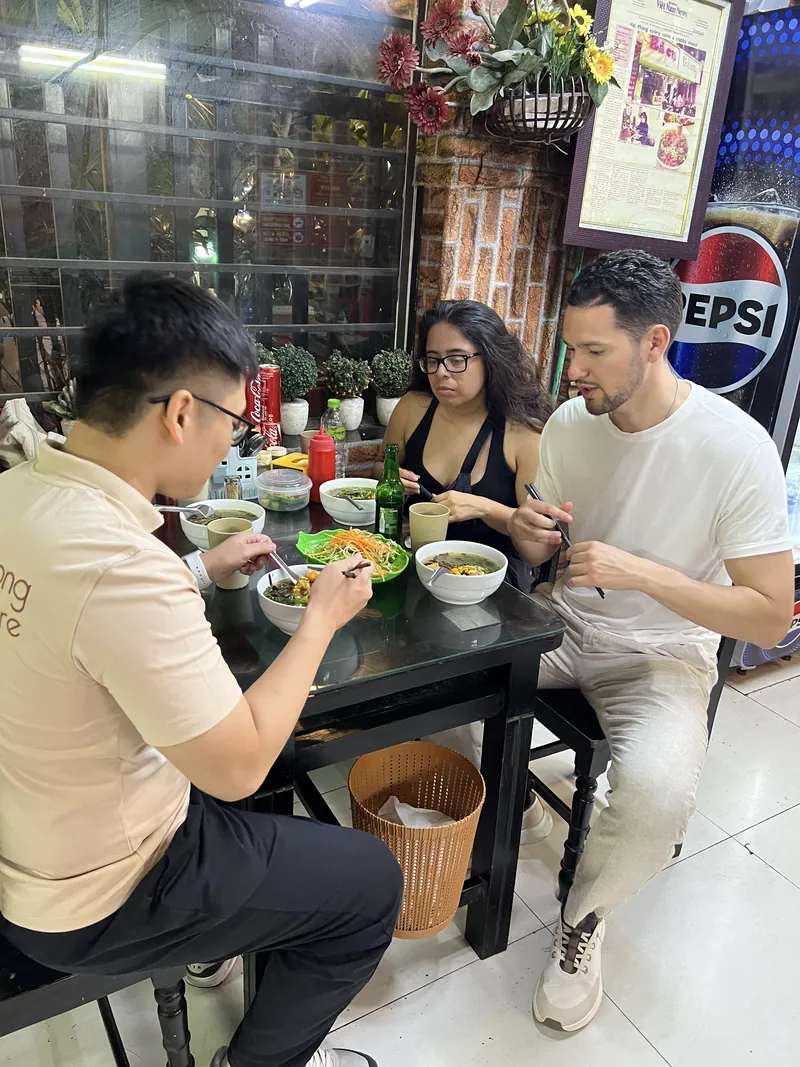
A Simple Walking Plan for Your First Alley Crawl
If you want a structure, try this relaxed plan. It works in almost any central neighbourhood.
Morning: start on a side street
Begin around breakfast time. Walk away from the main road and find a stall with a pot and a queue. Order a small bowl, taste the broth and add herbs or chilli at the table.
Late morning: wander and sip
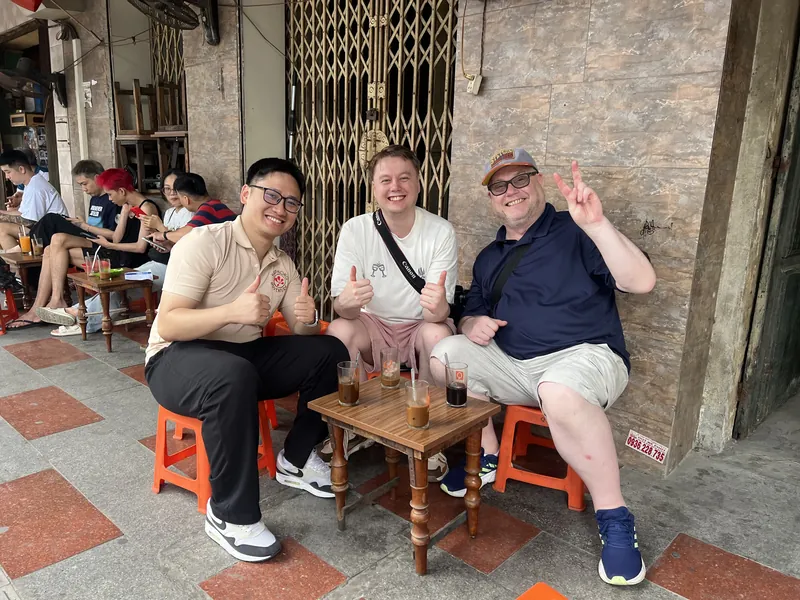
Take a slow walk through nearby lanes. Stop at a small cafe for a local coffee or tea and watch how the neighbourhood works. This is a good time to take photographs, with permission.
Lunch: follow the grill smoke
For lunch, look for a busy grill. A plate of noodles, herbs and grilled meat fills you up and keeps the budget low. Share a portion if you want to leave room for later.
Afternoon: one sweet stop
Find a dessert stall and try a cold, sweet snack. It is a good way to rest and cool down. Ask for small portions so you can taste more.
Evening: shellfish and conversation
As the sun sets, lanes fill with the smell of grills. Choose a place that is busy, order small plates and share them. Take your time, since the evening is the most social part of the day.
Recommended tour
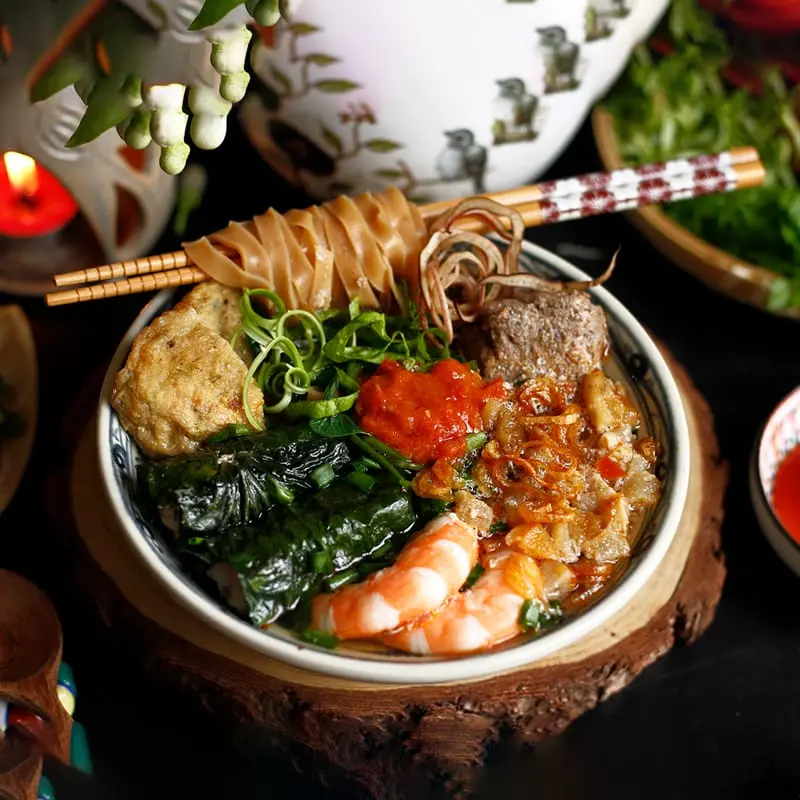
The Haiphong Street Food and City Tour
Not sure which lane to try? A local guide leads you to small stalls you would be unlikely to find alone, explains each dish and handles the ordering for you.
From $85 per person (reference price, updated October 2026)
Ordering and Etiquette in a Narrow Lane
Alleys are shared spaces, so a little courtesy goes a long way. Here are habits that help you fit in.
- Greet the vendor with a smile before ordering.
- Do not block the lane. Move bikes and bags aside so that people can pass.
- Sit where the vendor points or where you see space.
- Ask before taking photographs of people, and be especially careful around children and homes.
- Keep your voice down in residential lanes, particularly in the evening.
- Pay when you finish and say thank you.
Remember that many alley stalls are part of someone’s home. Treat the space with respect and you will be welcomed back.
>>> Cultural Things To Do In Haiphong You Must Try
Staying Safe and Comfortable
Exploring alleys is generally pleasant and friendly, and a few precautions make it more so.
Food and hygiene
Choose busy stalls where food is cooked fresh and served hot. Clean your hands before eating, be careful with ice if your stomach is sensitive and drink bottled water. If you have allergies, show a translated card before ordering, since crab and shellfish appear in many dishes.
Traffic and surroundings
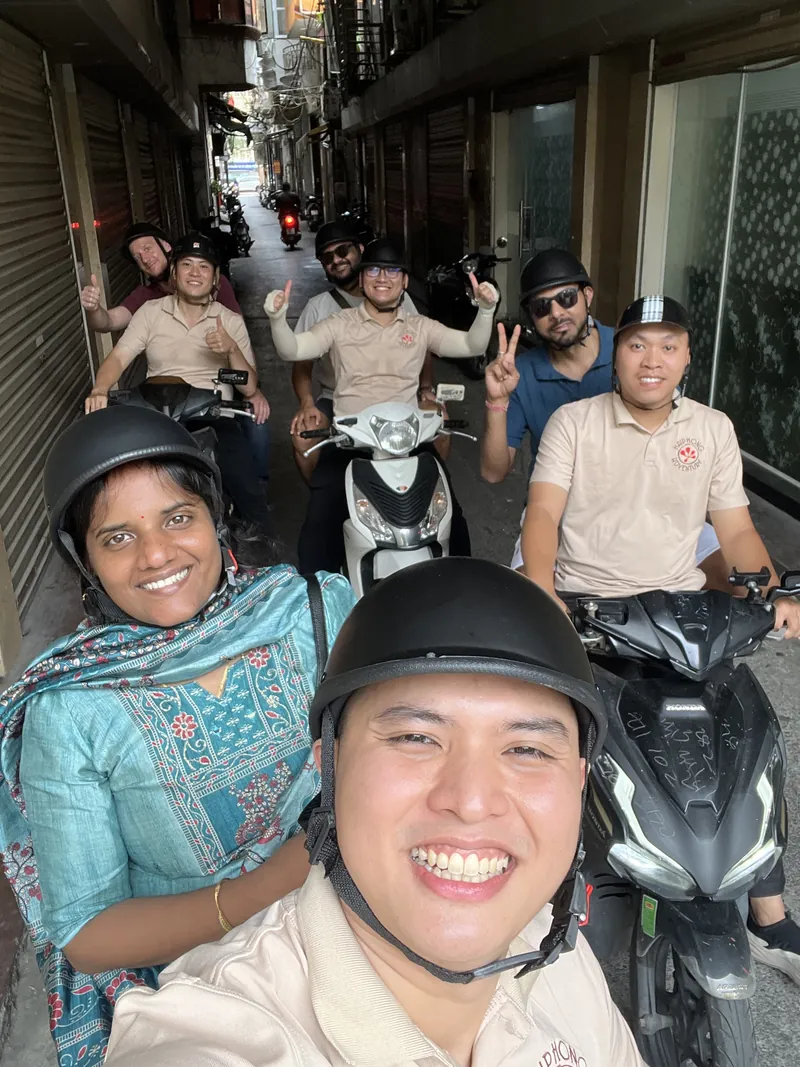
Alleys are narrow and motorbikes pass close to the tables. Keep bags in front of you, step aside when riders pass and watch your footing on uneven surfaces. In the evening, bring a phone light if lanes are poorly lit.
Money and prices
Ask the price before you order if no menu is displayed, especially for seafood sold by weight. Prices change over time, so we do not quote figures here. If a price feels far above what locals pay, you can politely decline and walk on.
Getting home
Plan your return in advance. Note the name of your hotel, keep its address on your phone and use a reputable taxi or ride-hailing service at night. For more travel safety ideas, see our notes on scams to avoid with motorbike rental in Haiphong.
What to Do When You Cannot Read the Sign
Many alley stalls have no menu at all, or only a few words in Vietnamese. That is not a problem if you use a simple routine.
- Look at the table next to you and point at a dish you like.
- Hold up a number of fingers for the number of bowls.
- Say the dish name if you know it, such as banh da cua.
- Use a translation app to show allergy or spice notes.
- Smile and ask for a small portion if you want to try another stall afterwards.
If the vendor offers a choice you do not understand, ask for the most popular option. Most stalls are proud of their signature dish and happy to serve it first.
Weather, Seasons and Timing in the Lanes
Alleys are open to the weather, so the season changes the experience. In the hot, humid months, shade and a cold drink matter, and the best time to eat is early in the day or after sunset. In cooler months, a hot bowl in a sheltered lane feels wonderful. During rain, narrow lanes can become slippery, so wear shoes with a good grip and carry a light rain jacket.
Public holidays and weekends are busier, with more families out eating. If you want a quieter experience, choose a weekday morning. Whatever the season, give yourself time and do not hurry through the meal.
Photography and Respect for Residents
Alleys make beautiful photographs, with their tangled wires, steaming pots and colourful signs. They are also people’s homes and workplaces, so ask before pointing a camera at anyone. A smile and a gesture are usually enough. If someone declines, accept it warmly and move on.
Avoid using flash in dim lanes or blocking the path while you take pictures. Do not photograph children without a parent’s permission, and never take pictures inside a home. If you want a portrait of a vendor at work, buy something first and ask politely afterwards. Most are happy to pose with their pot or grill when approached with respect.
Share your photos kindly too. If you post online, avoid mocking or exaggerating what you saw, and describe the people and food the way you would want to be described.
Combine Alley Eating With a Day of Sightseeing
Alley food is best enjoyed as part of a bigger day. Plan one or two sights in the morning, an unhurried lunch in a lane and a gentle walk in the afternoon. This keeps the pace comfortable and lets you meet the city from several angles.
Our guide to things to do in Haiphong on a weekend offers ideas that sit well between meals. You can also pair a food walk with a visit to a market, a stroll along a quiet park or a coffee in a side-street cafe. Leave time for rest, since a day of tasting can be more tiring than it sounds.
>>> Secrets To Enjoying A Real Haiphong Food Tour
Where to Begin Exploring
Haiphong’s centre is compact, so you can cover a lot on foot. Start in the older parts of the city where streets are lined with trees and colonial-era buildings, then step into any lane that looks lively. Residential districts near markets are another strong choice, since stalls cluster where people shop and work.
Instead of chasing a single address, treat each walk as an experiment. Take one lane, eat one dish and decide whether to continue or turn back. Over a few days you will build your own map of favourite spots. If you need an easy reference point, the old streets around the Opera House are central and simple to find again.

Eating Well on a Budget in the Lanes
One of the pleasures of alley food is that a satisfying meal rarely costs much. Because rents are low and portions are simple, vendors can keep prices modest. We do not quote figures, as they change with season and neighbourhood, but you can stretch your budget with a few habits.
Share dishes so that you taste more for the same money. Skip drinks at the stall and buy water from a nearby shop if you prefer. Keep small notes ready so you never need to ask for change. Above all, avoid places where prices are unclear and nobody will tell you the cost before you eat.
Spending less does not mean eating worse. Many of the most memorable bowls come from the smallest stalls, and a modest meal in a friendly lane often beats an expensive one in a polished restaurant.
Why a Local Guide Can Help
Exploring alone is rewarding, but a guide can take you much deeper in a short time. A local knows which lane serves which dish, when each stall opens and how to order without confusion. A guide can also talk to vendors about ingredients, help with allergies and explain the stories behind the recipes.
This is especially useful if you have only one or two days, or if you are travelling with children or older relatives who prefer a clear plan. You can see current food experiences on our full list of Haiphong Adventure tours, or ask us to build a route that matches your interests.
FAQ About Haiphong Street Food in the Alleys
Is it safe to explore alleys in Haiphong?
Generally yes. Alleys are residential and friendly, but you should stay aware of motorbikes, keep valuables close and plan your route home at night.
How do I find the best stalls?
Look for local queues, short menus and the smell of fresh cooking. Ask locals, hotel hosts or a guide for recommendations.
Do alley stalls have English menus?
Often not. Point at what others are eating, use a translation app and ask for a small portion first.
What time is best to go?
Mornings suit noodle soups, midday suits grilled dishes and evenings suit shellfish and snacks. Hours vary, so stay flexible.
Do I need cash?
Yes, carry small notes. Most alley vendors do not accept cards.
Ready to Explore the Lanes?
The best Haiphong street food is rarely on a main road. Take your time, follow the queue and be curious. If you would like a guide to open the door to the city’s hidden stalls, the team at Haiphong Adventure is happy to plan a route with you, and our Haiphong tours include food-focused options for small groups and private travelers.
Contact us:
WhatsApp, Viber, WeChat: +84(0)934.555.001
KakaoTalk, Line ID: haiphongadventure