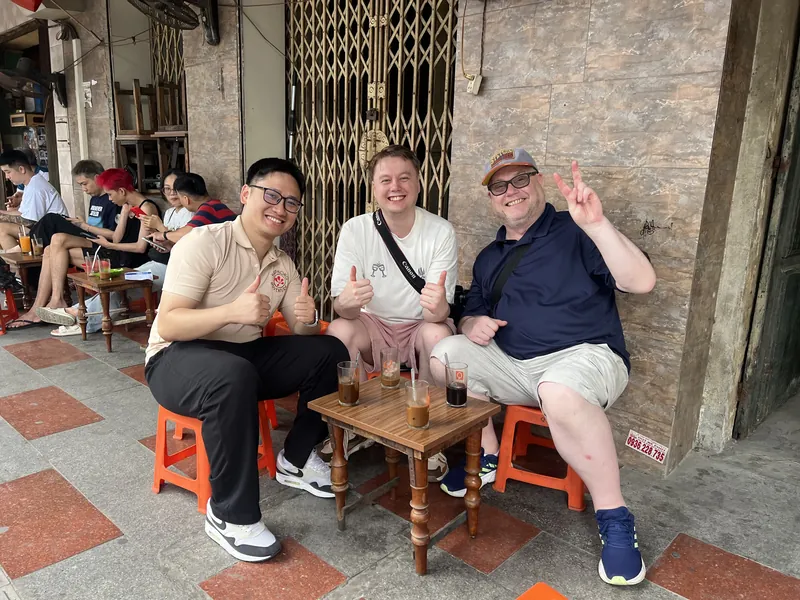
Top 5 Haiphong Street Food Dishes You Must Eat
If you only have time for five bites, the top Haiphong street food dishes to eat are banh da cua (crab noodle soup), nem cua be (square crab rolls), banh mi cay (the spicy baguette), bun cha with local trimmings and a plate of grilled shellfish or sea snails. Together they cover breakfast, snacks, lunch and an evening out, and they show exactly how this port city likes to eat: fresh, bold and shared. Here is what each dish is, how it tastes, how to order it and when to go.
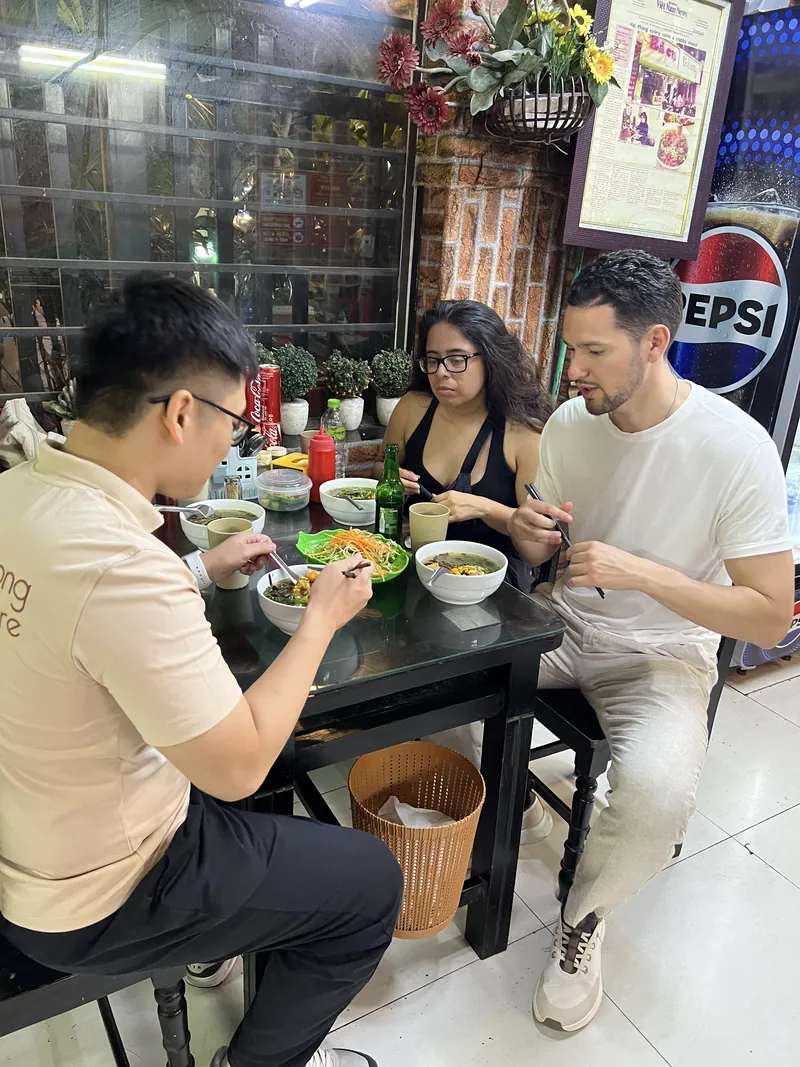
How This Top Five Was Chosen
There is no official ranking of the best dishes in the city, and any list is personal. This one follows three simple tests. First, the dish should be strongly tied to Haiphong, not just something you can find anywhere in Vietnam. Second, it should be easy for a first-time visitor to order and enjoy. Third, it should cover different times of day so that you can eat well from morning to night.
Prices change and hours vary from stall to stall, so we do not quote figures here. Treat the timings below as general patterns and ask locally if you want a more exact answer.
If you would like a more personal take on tasting the city, our story of a Haiphong street food adventure with local taste is a good companion read.
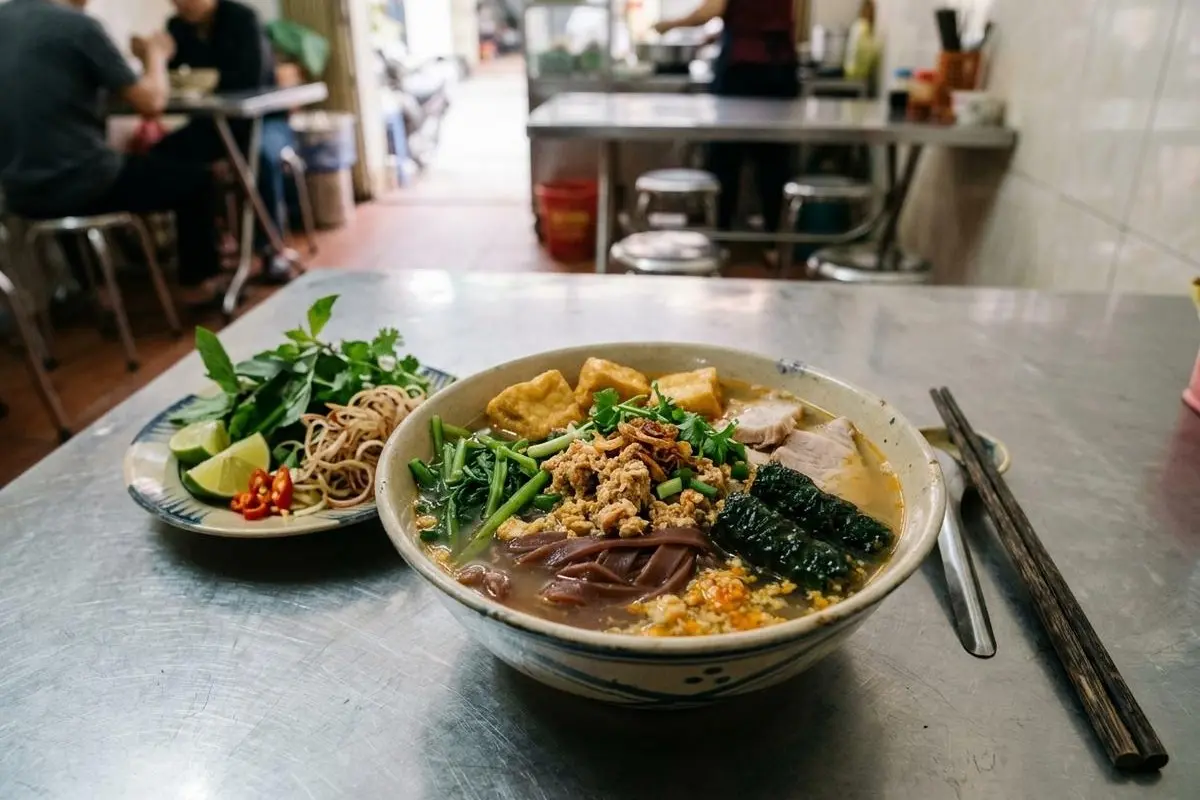
Banh Da Cua, the Crab Noodle Soup
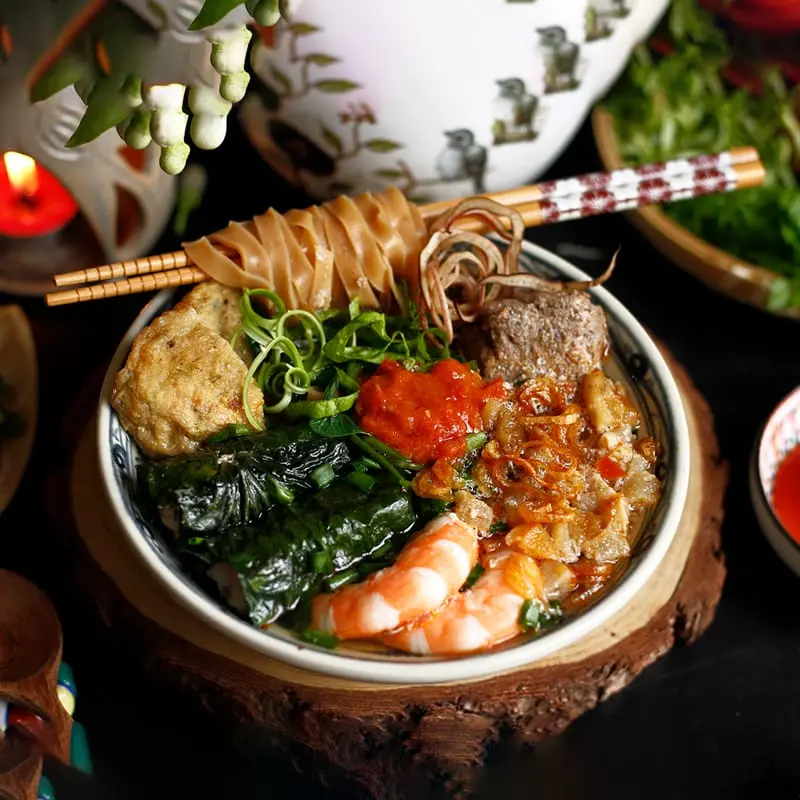
If Haiphong had a signature bowl, this would be it. Banh da cua is made with flat, reddish noodles, often described as having a slightly chewy texture, served in a broth built on crab. Toppings usually include crab paste, fried shallots, herbs and sometimes small fried extras, and each stall has its own proportions.
What it tastes like
The broth is savoury and sweet at the same time, with the natural sweetness of crab and a clean finish. It is richer than a plain noodle soup, but it is not heavy. The noodles carry the flavour well and the herbs add freshness.
How to order and when to go
Go in the morning or at lunch, when the pot is fresh. Ask for a normal bowl first and add toppings if you want more. Taste before you add chilli, lime or sauces. A small stall that does only this dish is usually a better sign than a large menu with many soups.
>>> Secrets To Enjoying A Real Haiphong Food Tour
Nem Cua Be, the Square Crab Roll
Nem cua be is a square-shaped fried roll, traditionally filled with crab and other ingredients. It is crisp on the outside and soft and savoury inside. People often eat it with fresh herbs and a dipping sauce, and it is popular both as a snack and as a celebration dish.
What it tastes like
Expect a crunchy shell and a juicy filling with a clear crab flavour. Herbs and lettuce add freshness, and the dipping sauce brings sweet, sour and salty notes together.
How to order and when to go
Order a small portion to share, because the rolls are filling. They suit the afternoon, or as a starter for a larger meal. Eat them hot and fresh, and wrap them in herbs if the vendor offers them. If you have a shellfish allergy, avoid this dish completely.
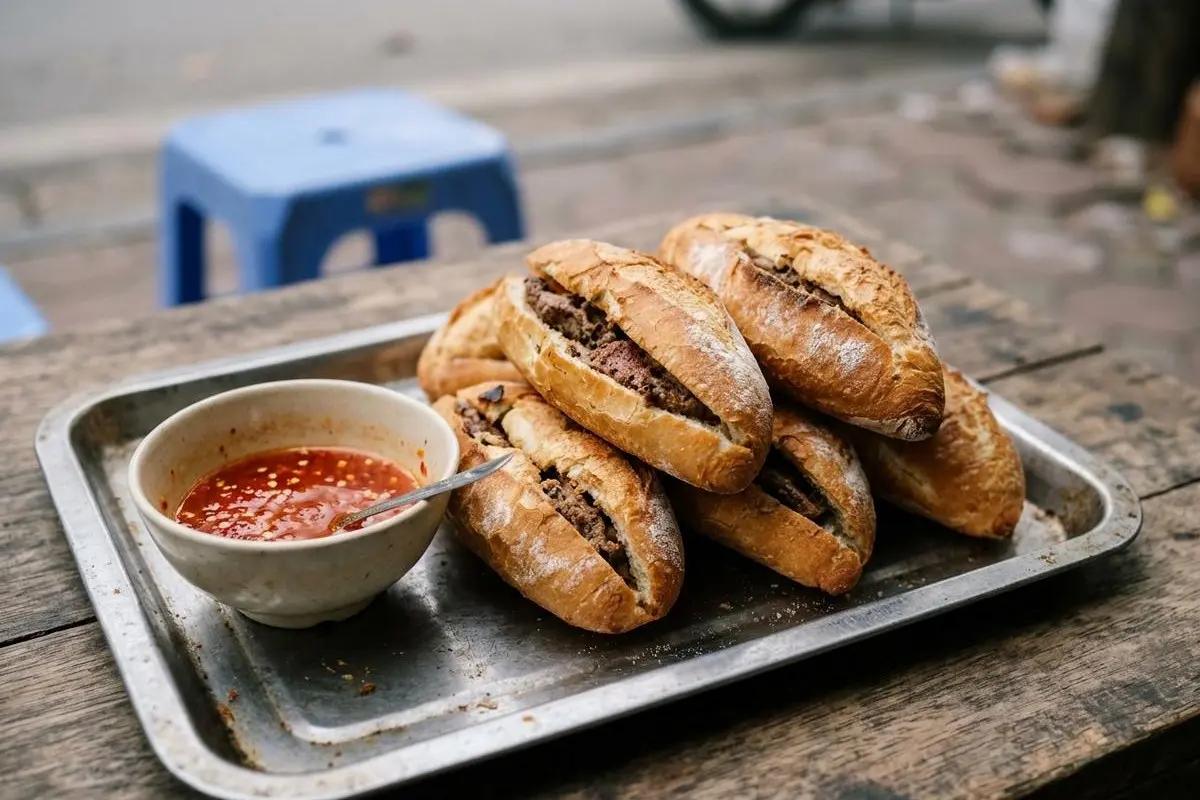
Banh Mi Cay, the Spicy Baguette
Haiphong has its own style of bread. The loaf is small, thin and very crisp, and it is served with a spicy sauce and a simple filling. It is cheap, fast and perfectly sized for a walking snack.
What it tastes like
The crackling crust gives way to a soft centre, and the sauce brings a warm, lingering heat. The fillings are simple so that the bread and sauce are the stars.
How to order and when to go
It works at any time of day, but many people eat it in the morning or as an afternoon snack. If you do not like heat, ask for the sauce on the side or less spicy. This is the best budget bite in the city, and it is a good way to try Haiphong flavour between bigger meals.
Recommended tour
The Haiphong Street Food and City Tour
Want to taste several local dishes in one outing? This guided tour combines street food stops with a look at the city, so you can try the classics without hunting for each stall yourself.
From $85 per person (reference price, updated October 2026)
Bun Cha, Haiphong Style
Grilled pork with rice noodles and herbs is loved across northern Vietnam, but it is worth trying in Haiphong where it is often served with the local crab rolls. A bowl of sweet-savoury broth holds the grilled meat, the noodles come on the side, and a pile of herbs completes the plate.
What it tastes like
Smoky, sweet and a little sharp from the dipping broth. The grill gives the meat its character, and the herbs and noodles balance it out.
How to order and when to go
It is a lunch dish, so look for busy grills around midday. Follow the smoke and the queue. Dip the noodles and herbs into the bowl, add the meat and eat in bites. If you are ordering rolls too, share them to keep the meal balanced.
Grilled Shellfish and Sea Snails
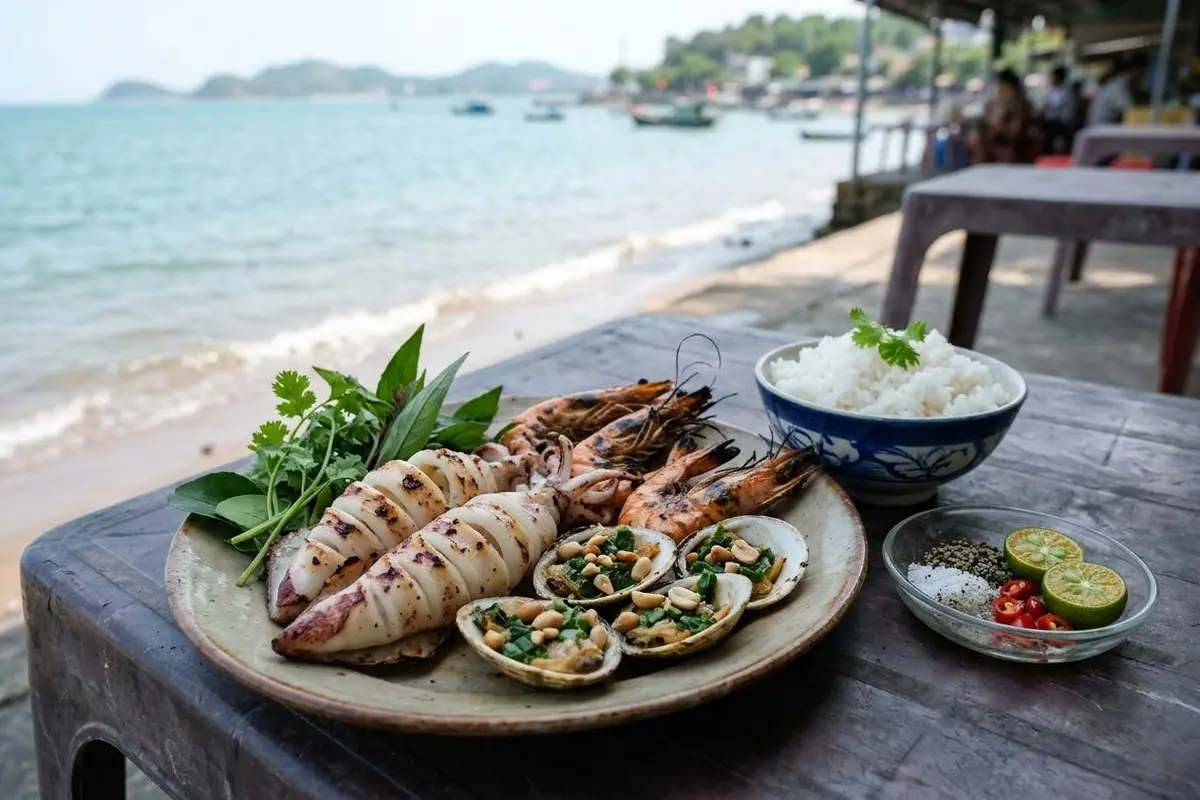
For the evening, nothing says port city like a table of shellfish and snails cooked on a grill or steamed with herbs. Small plates are ordered one after another and shared among friends, with different dipping salts and sauces on the side.
What it tastes like
Briny, sweet and smoky, with each variety offering a different texture. Dips of salt, pepper and lime or chilli sauce give the flavours extra depth.
How to order and when to go
Go in the evening, when the grills are lit. Start with one or two plates and add more as you go. Ask the price per portion before you order, as seafood is often sold by weight, and choose busy places where the food turns over quickly. If you are new to shellfish, start with cooked items and avoid anything raw.
>>> Unusual Things To Do In Haiphong Off Beaten Path
Quick Comparison of the Five Dishes
Use this short summary to pick the order that suits you.
- Banh da cua: best for breakfast or lunch, crab-rich and warming.
- Nem cua be: best as a snack or starter, crispy and savoury.
- Banh mi cay: best for a quick, budget-friendly bite with some heat.
- Bun cha: best for lunch, smoky and balanced.
- Grilled shellfish and snails: best for the evening, social and shared.
Three of the five involve crab or shellfish, so travellers with seafood allergies should plan carefully and consider a guide or a translated allergy card.
A One-Day Plan to Taste All Five
You can eat all five in one day if you keep portions small and share. Here is a simple route.
- Breakfast: banh da cua at a small noodle stall.
- Mid-morning: a banh mi cay on the walk to your next stop.
- Lunch: bun cha at a busy grill.
- Afternoon: a shared plate of nem cua be with herbs and a cold drink.
- Evening: grilled shellfish and snails with friends or your tour group.
Walk between meals so that you have room for the next dish, drink water through the day and slow down if you feel full. If you are travelling on a budget, our list of free things to do in Haiphong fills the gaps between meals nicely.
Honourable Mentions Worth a Detour
Picking only five means leaving out good food. If you have an extra day or a bigger appetite, these items are worth looking for as well.
Sweet snacks and cold desserts
After a salty, smoky meal, a cold dessert feels like a reset. Look for glasses of sweet beans, jelly, coconut milk and shaved ice, usually served in small cafes and roadside stalls. They are cheap, refreshing and a pleasant way to rest on a hot afternoon.
Fried and grilled snacks
Small stalls near schools and markets sell fried dumplings, grilled skewers and rice cakes. Many are made in front of you, which makes them easy to judge. Choose the busiest one, ask for a small portion and enjoy it standing, as locals do.
Seasonal and market treats
Markets are a good place to see what is in season, from fresh fruit to seafood and herbs. A morning walk through a local market tells you more about the food of the city than any list can, and many market stalls serve breakfast to the vendors themselves.
How to Spot a Good Stall
Because the best places often have no English sign, you need other clues. A line of local customers is the strongest signal. A short menu is another good sign, because a stall that makes one or two dishes usually makes them well. A busy pot or grill means the ingredients are fresh and turn over quickly.
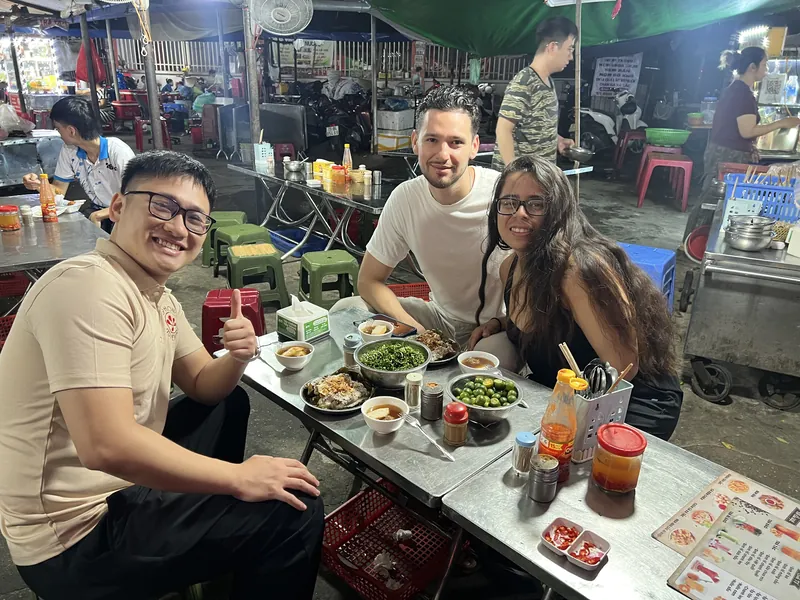
Look at how the vendor works. Clean bowls, tidy tables and a vendor who tastes and adjusts the broth are all positive signs. Do not worry about worn stools or plastic cups, as these are part of the charm and do not say much about the food itself.
If you are unsure, ask your hotel host or a friendly local where they eat. Most people are happy to share a favourite place, and a recommendation from someone who eats there every week is worth more than any online review.
Common Mistakes First-Time Visitors Make
These small errors are easy to avoid once you know about them.
- Ordering too much at once. Dishes arrive quickly and portions add up, so order in rounds.
- Skipping breakfast. Some of the best bowls sell out by late morning.
- Adding chilli and sauces before tasting. The broth is usually balanced already.
- Ignoring seafood prices. Ask the price per portion before you order.
- Sticking to one neighbourhood. Walk a few streets further and you will find different flavours.
- Forgetting allergies. Crab and shellfish appear in more dishes than you expect.
Fix these and you will eat better, spend less and enjoy the experience more.
Eating by the Season
Northern Vietnam has a real winter and a hot, humid summer, and the food follows the weather. In cooler months, hot noodle soups and grilled dishes feel especially comforting. In summer, cold desserts, iced drinks and lighter snacks become more appealing. Seafood availability can also change through the year, so ask vendors what is fresh on the day you visit.
Whatever the season, the same principles apply: choose busy stalls, eat food that is cooked fresh and drink plenty of water. If you plan to travel in a particular month, check the weather ahead and pack accordingly, since a long food walk is much more fun in comfortable conditions.
Tips for Ordering With Confidence
You do not need to speak Vietnamese to order well. A few simple habits help.
- Point at what others are eating and ask for the same.
- Show the name of the dish on your phone if the stall has no sign.
- Ask for a small portion first so you can try more dishes.
- Tell the vendor if you do not eat spicy food or have an allergy.
- Keep small notes for payment and confirm the price for seafood.
Smiling and saying thank you in Vietnamese goes a long way. Vendors are used to curious visitors and are usually delighted when you show interest in their cooking.
What to Drink With These Dishes
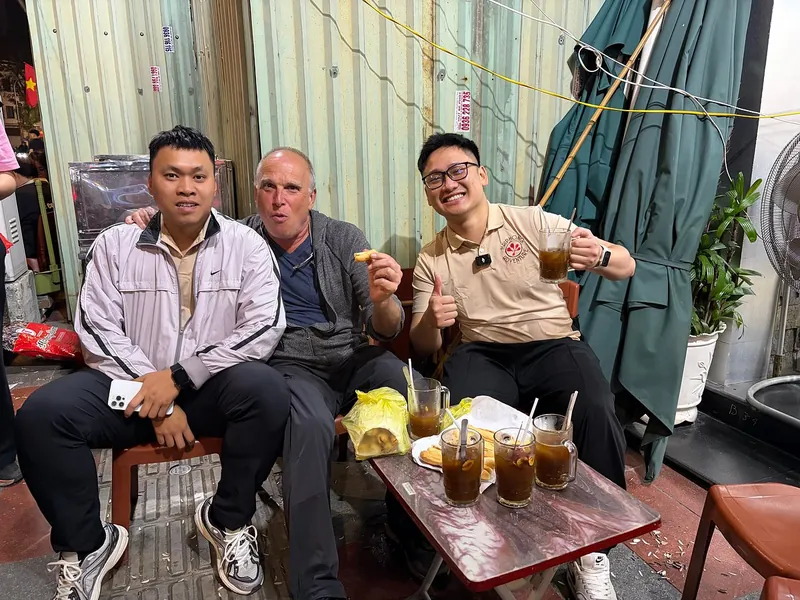
Local drinks balance the strong flavours. Iced tea is the classic table drink and works with almost everything. Fresh sugarcane juice and fruit juices suit the afternoon, and cold beer is a common partner for evening grills. If you prefer something warm, hot tea is always available.
For safety, choose bottled drinks or busy places with a high turnover, and be cautious with ice if your stomach is sensitive. Drink water regularly, especially in warm weather, and take breaks between dishes.
Finding Even More Local Flavours
These five dishes are only the beginning. Once you have tried them, ask locals for their favourite stall, wander into side streets and try something that is not on any list. The city rewards curiosity, and many of the best meals are discovered by accident.
If you want a local guide to do the searching for you, our haiphong tours include food-focused options and flexible routes.
FAQ About Haiphong Street Food Dishes
Which dish should I try first?
Start with banh da cua. It is the best-known local noodle soup and a gentle introduction to the crab flavour that defines the city.
Are these dishes spicy?
The baguette sauce can be spicy, but most other dishes let you control the heat at the table. Ask for less spice if you are unsure.
Can vegetarians enjoy this list?
Most of these dishes contain meat, crab or fish sauce, so vegetarians will find it difficult. A guide or a translated card can help you find suitable alternatives.
When is the best time of day to eat street food?
Mornings suit noodle soups, midday suits grilled meats and evenings suit shellfish and shared plates. Hours vary by stall.
Do I need cash?
Yes, carry small notes. Most street vendors do not take cards, and prices can change over time.
Come Hungry, Leave Happy
Five dishes, one city and a lot of flavour. Pick a few from this list, share them with friends and let the vendors guide you. If you would like help turning this list into a guided route, the team at Haiphong Adventure is happy to advise, and you can browse our tours page for current options.
Contact us:
WhatsApp: +84(0)934.555.001
Viber, WeChat: +84(0)934.555.001
KakaoTalk, Line ID: haiphongadventure