Safe Haiphong Street Food Tips For Foreigners
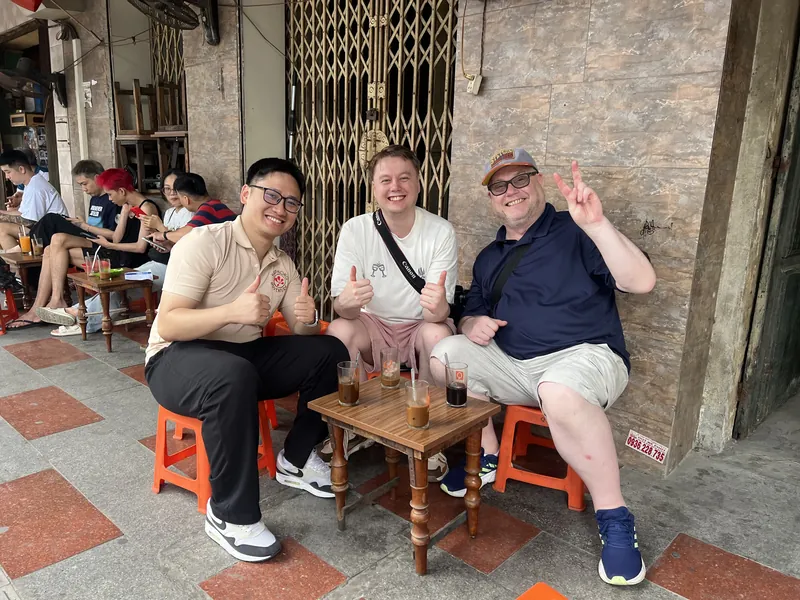
Eating Haiphong street food safely comes down to a handful of habits: choose busy stalls, eat food that is served hot, be careful with water and ice, protect yourself from allergies and keep your hands clean. Street food is part of daily life in Haiphong, and most visitors who follow a few simple habits have a great time. The aim of this guide is not to scare you, it is to give you a calm, practical routine so you can enjoy the local dishes with confidence and still have energy for the rest of your trip.
Start With the Right Mindset
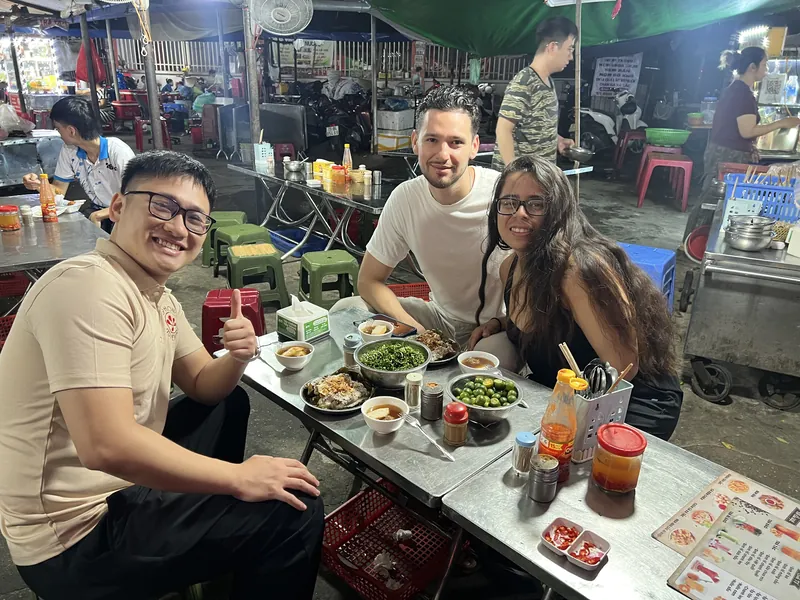
Street food is not riskier by nature than restaurant food. What matters is how the food is prepared, how quickly it is sold and how clean the setup is. A busy stall with fresh ingredients and a hot pot can be safer than a quiet restaurant with food sitting for hours.
Be curious but not careless. Try new dishes in small portions on your first day, listen to your body and slow down if something feels off. Most problems for travellers come from sudden changes in diet, heat, tiredness and dehydration, not from a single bad bowl.
If you want to see what a relaxed first day of eating looks like, read about our own Haiphong street food adventure for local taste.
How to Choose a Safe Stall
Your eyes and nose are your best tools. Before you sit, take thirty seconds to look around.
Follow the crowd, especially locals
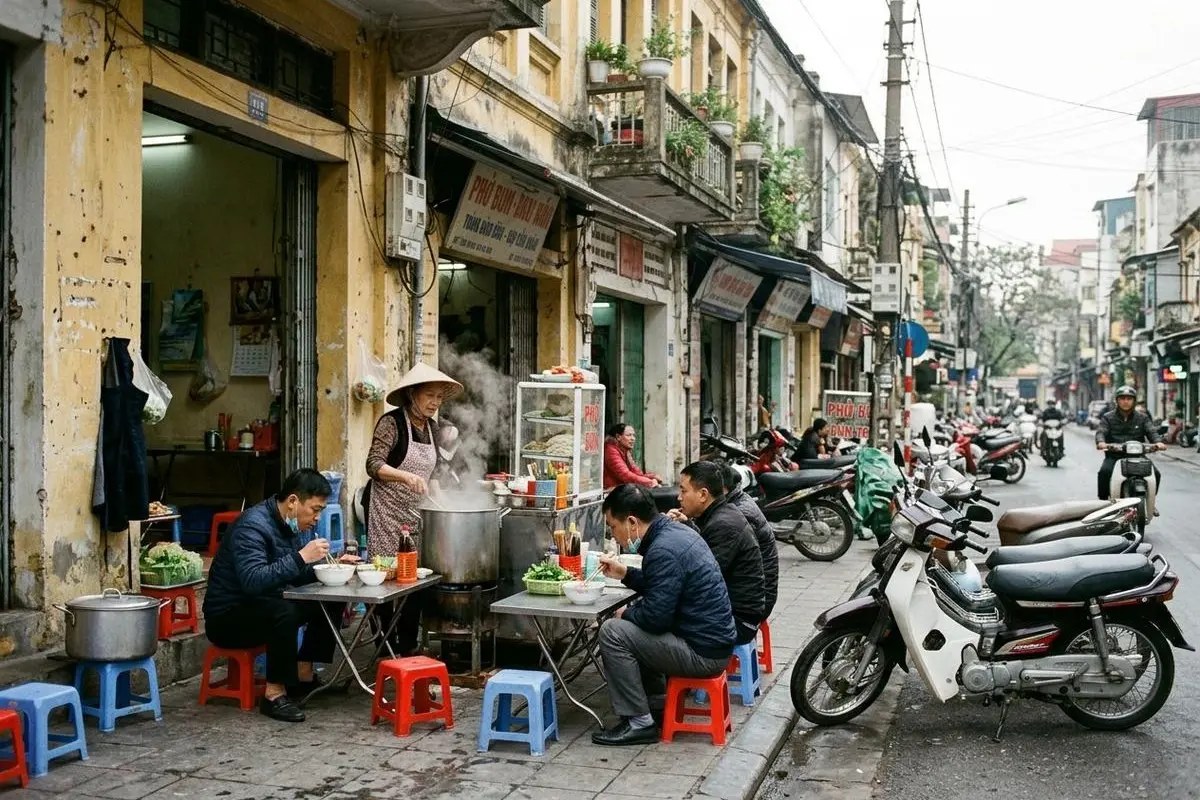
A line of local customers is the best signal you can find. It means the food turns over quickly, so ingredients do not sit around, and it means regulars trust the vendor. Be wary of empty stalls at peak meal times.
Watch how the food is cooked
Prefer stalls where you can see the cooking. Soup should be simmering or steaming, grills should be hot and fried food should come straight from the oil. Dishes that are cooked to order and served hot are the safest choice.
Look at the basics
Check that the vendor handles money and food separately where possible, that raw and cooked items are kept apart and that bowls and chopsticks look clean. A tidy workspace is a good sign. You do not need perfection, only signs of care.
Trust your instincts
If a smell, a look or a feeling puts you off, walk away. There is almost always another stall within a minute’s walk, and a missed meal is a small price to pay for peace of mind.
Water, Ice and Drinks
Water is the most common worry for visitors, and a few rules make it simple. Drink bottled or properly boiled water, check that the seal on a bottle is intact, and carry a bottle with you in warm weather so you do not get dehydrated.
Ice is a more complicated question. In many restaurants and cafes, ice is produced commercially and is generally considered fine, but at small stalls you cannot always know. If your stomach is sensitive or you are new to the region, ask for drinks without ice for the first few days and see how you feel.
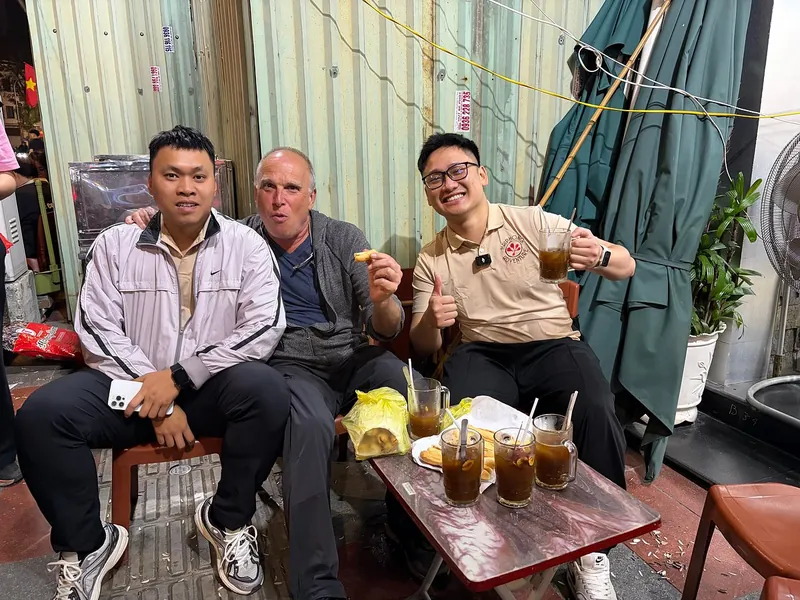
Fresh juices and iced tea are popular and delicious. Choose places that look busy and clean, and be careful with drinks that have been diluted with tap water. Coffee and hot tea are safe choices when you want something warm.
>>> Secrets To Enjoying A Real Haiphong Food Tour
Hands, Utensils and Basic Hygiene
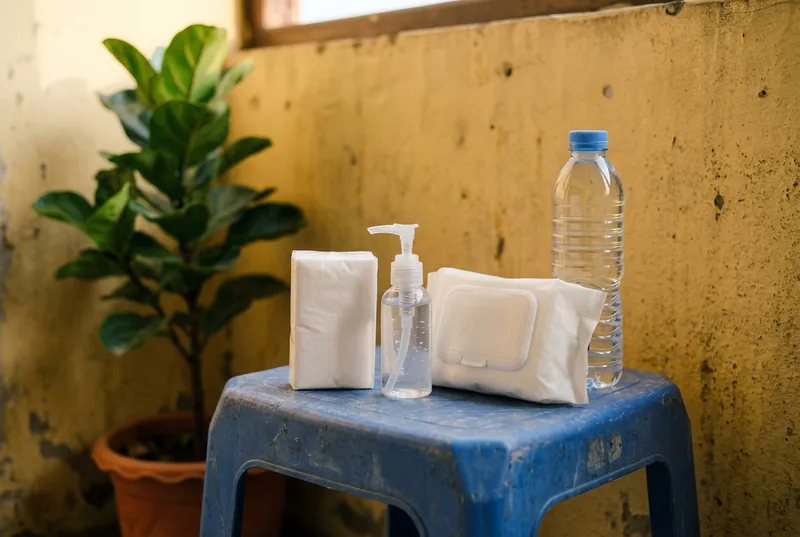
Good hygiene is a quiet but powerful protection. Wash your hands before you eat, or use a small bottle of hand sanitiser if there is no sink nearby. Keep tissues or wet wipes in your bag, since napkins can be basic.
Chopsticks and spoons on the table are usually clean, but if you want extra reassurance you can wipe them with a tissue or ask for a fresh set. Many travellers carry their own folding chopsticks, which is a handy habit.
Avoid touching your face while you eat, and keep your phone away from the table if your hands are messy. Simple routines like these reduce risk far more than most people expect.
Handling Seafood Sensibly
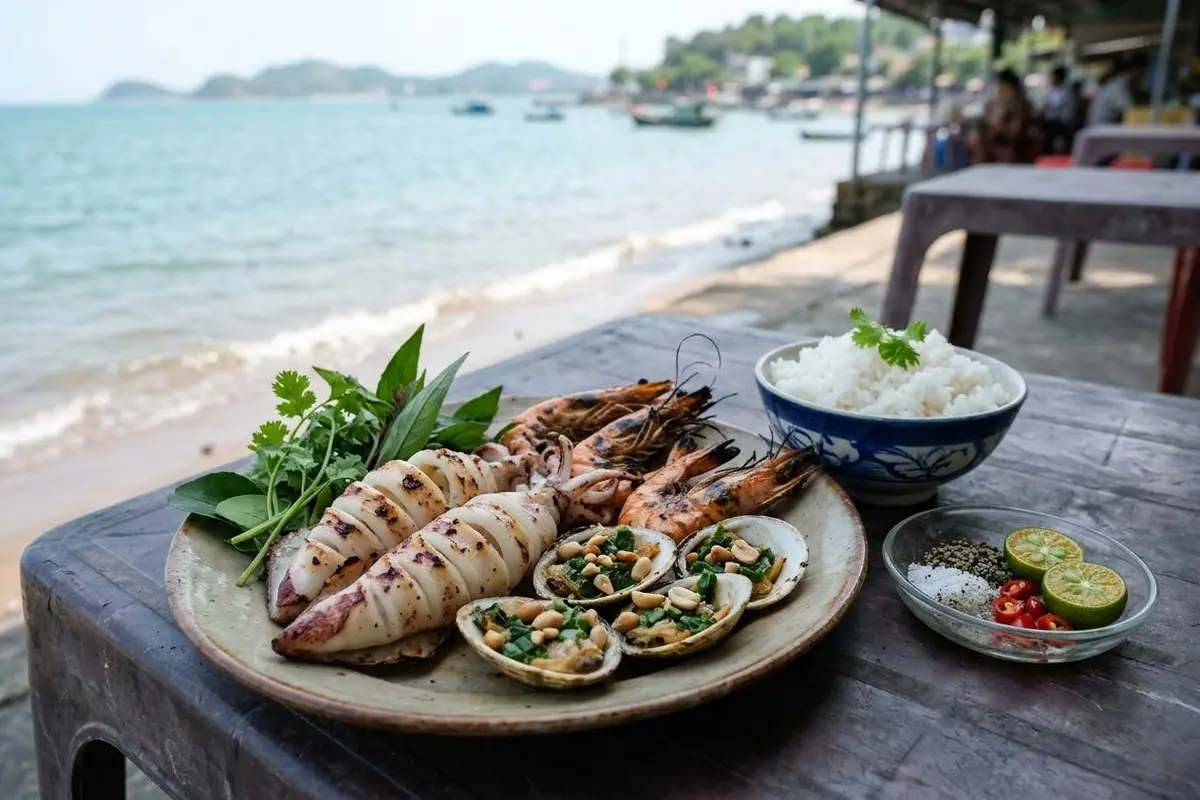
Seafood is the star of the local menu, so it deserves its own rules. Choose shellfish that is served hot and freshly cooked, and be careful with raw or lightly cooked items if you are new to the region. Fish and shellfish are the most likely sources of trouble when they have not been kept properly cold.
At evening grill stalls, watch how the seafood is stored and how quickly it is cooked. Order smaller amounts at a time so that everything arrives hot. If you are visiting in very hot weather, prefer busy places with a high turnover, since food spoils faster in the heat.
Recommended tour
The Haiphong Street Food and City Tour
Prefer to eat with a local guide? This tour visits trusted stalls, explains each dish and helps with ordering, allergies and spice levels along the way.
From $85 per person (reference price, updated October 2026)
Allergies and Dietary Needs
Allergies need extra planning because Vietnamese cooking often hides ingredients in broths, sauces and pastes. Shellfish, fish sauce, peanuts, shrimp paste and soy appear in many dishes, even those that look simple.
Prepare a short allergy card
Write your allergies in Vietnamese on a small card or in your phone notes, using a trusted translation. Show it to the vendor before ordering and ask them to confirm. Pointing at the card is faster and clearer than trying to explain in English.
Be realistic about cross-contact
Small stalls often use shared utensils, oil and surfaces. If your allergy is severe, a street stall may not be a safe choice, however careful the vendor is. Carry any prescribed medication with you at all times and speak to your doctor before you travel.
Vegetarian and other diets
Vegetarians should ask about stock and sauces, which often contain meat or fish. Look for dedicated vegetarian restaurants or dishes built around rice, vegetables and tofu. A guided food tour can make this easier because the guide can speak to vendors on your behalf.
Money, Prices and Common Tourist Traps
Most vendors in Haiphong are honest and friendly, but a few habits protect you from misunderstandings. Ask the price before you order, especially for seafood that is sold by weight or by the portion. Menus may not be displayed, so a polite question solves the problem.
Carry small notes, since vendors may not have change for large ones. Count your change and say thank you. If you are quoted a price that seems far above what locals pay, you can politely decline and choose another stall.
Prices change over time and by season, so treat any figure you read online as a reference only. Our own advice is to compare two or three options before you decide.
For another look at how to avoid common problems when you travel around the city, see our notes on scams to avoid with motorbike rental in Haiphong.
Pacing Yourself and Looking After Your Stomach
Many stomach problems come from eating too much, too quickly, in unfamiliar heat. Pace yourself. Share dishes, order small portions and leave gaps between meals so that you can enjoy each one.
On your first day, start with milder dishes such as noodle soups and grilled meats, and add more adventurous items later. Eat slowly, drink plenty of water and avoid combining very spicy food with alcohol if you are not used to it.
It is wise to bring a basic travel kit with oral rehydration salts, any regular medication, plasters and a pain reliever. Pharmacies in Haiphong are easy to find, and staff can often help with minor problems. If you feel seriously unwell, have a high fever, severe pain or persistent symptoms, seek medical care rather than waiting.

Traffic and Practical Safety While You Eat
Safety is not only about food. Street stalls sit on pavements, near traffic and in crowded lanes. Keep your bag on your lap or in front of you, avoid placing your phone on the table edge and stay aware of motorbikes passing close by.
Crossing the road in Haiphong takes practice. Walk steadily at an even pace so riders can predict your path, and avoid sudden stops. If you travel at night after a big meal, plan your route home in advance and use a reputable taxi or ride-hailing service when you are tired.
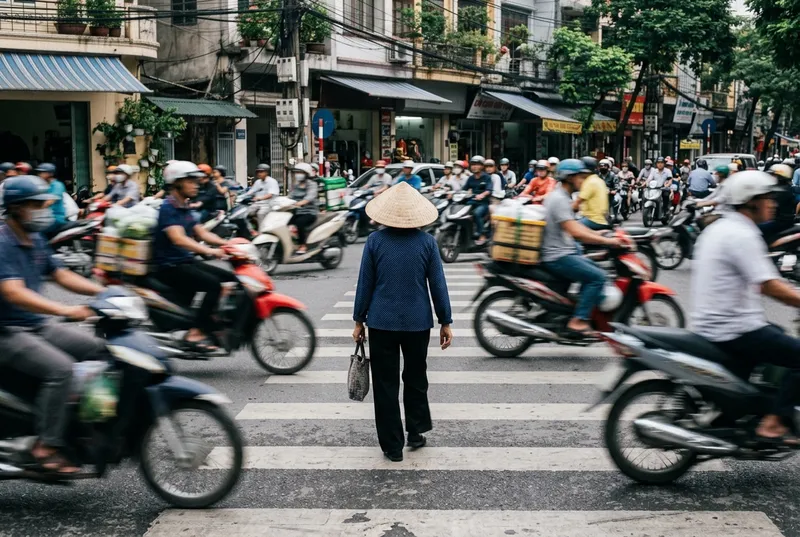
If you are visiting from Hanoi, our tips on local traffic when travelling from Hanoi to Haiphong are useful to read beforehand.
>>> My Favorite Things To Do In Haiphong On Weekend
Safer Choices by Type of Dish
Different dishes carry different levels of risk, so it helps to know where to be relaxed and where to be careful.
Noodle soups and broths
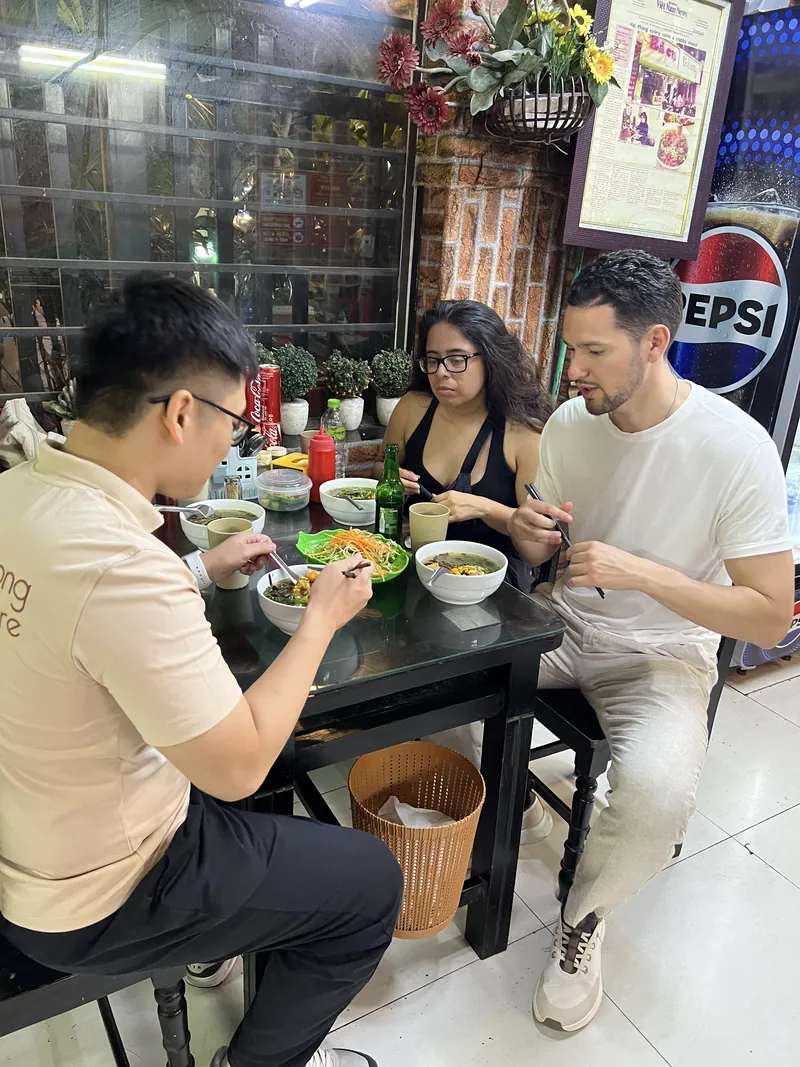
These are among the safest choices because the broth is kept hot and each bowl is assembled to order. Add fresh herbs and raw vegetables only if the place looks clean, and skip them on the first day if you are cautious.
Local specialities to start with
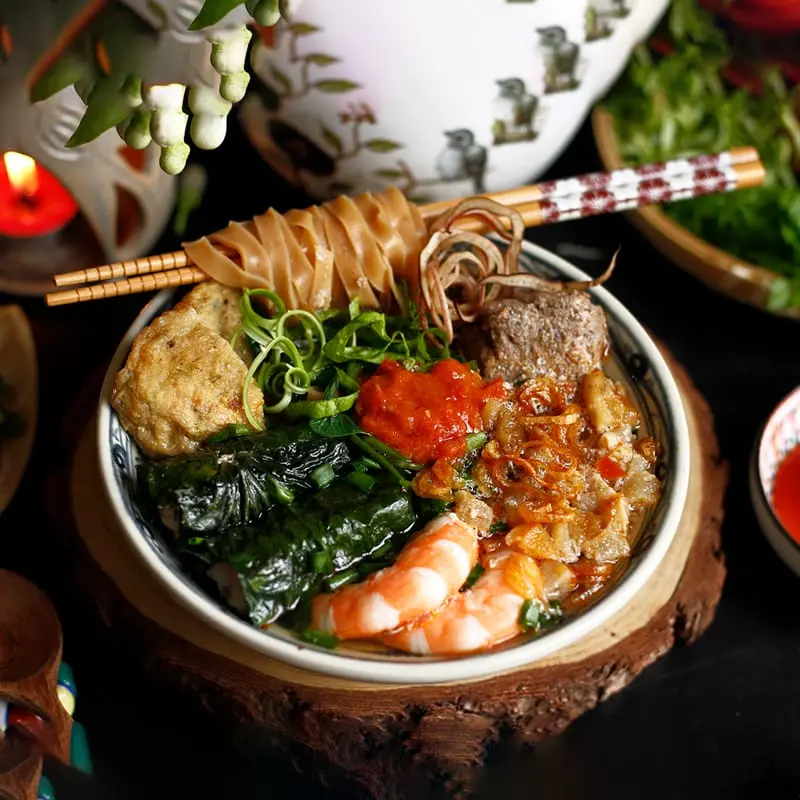
Banh da cua, the local crab noodle soup, is a good first dish because each bowl is ladled from a hot pot. Banh mi cay, the thin and crispy Haiphong baguette, is warmed to order and easy to eat on the go. Ask your guide or hotel host which stalls locals prefer near where you stay.
Grilled and fried items
Meat and seafood cooked over fire or in hot oil are generally reliable, provided they are cooked through and served immediately. Avoid anything that has been sitting on a tray for a long time.
Raw vegetables and herbs
Fresh herbs are a joy of Vietnamese food, but raw produce is washed in local water. If your stomach is sensitive, eat them in small amounts at first or choose cooked vegetables for the first few days.
Sweets, drinks and snacks
Packaged snacks are low-risk. Shaved ice desserts and fruit juices depend on the ice and water, so choose busy, clean places or save them for later in your trip.
Children, Older Travellers and Special Situations
Families and older travellers can enjoy street food too, with a little extra care. Children often have more sensitive stomachs and may be less used to spice, so ask vendors to leave out chilli and order simple dishes such as plain noodles, rice or grilled meat. Keep snacks and water with you, since small children can get cranky and dehydrated quickly.
Older travellers may want to avoid low stools if they have joint problems. Ask whether a table with a normal chair is available or choose a restaurant-style place for some meals. If anyone in your group is pregnant or has a medical condition, speak to a doctor before the trip and follow the advice you are given, since general guides cannot replace personal medical advice.
Prepare Before You Arrive
A little preparation makes the whole trip easier. Check with a travel clinic or your doctor about recommended vaccinations and any health advice for your own situation. Make sure your travel insurance covers medical care, and keep a copy of the policy number on your phone.
Pack a few basics: hand sanitiser, wet wipes, oral rehydration salts, any regular prescriptions and a reusable water bottle. Save the number of your hotel and a local clinic in your phone, and keep a note of your allergies in Vietnamese. These small steps take ten minutes and can save a lot of stress.
On arrival, ask your hotel or guesthouse host for a few recommendations. Local hosts often know trustworthy stalls close to your accommodation and can write the names in Vietnamese so that you can show taxi drivers or ask for directions.
A Simple Safe-Eating Checklist
Keep this short list in mind as you walk from stall to stall.
- Choose busy stalls with a local queue.
- Eat food that is cooked fresh and served hot.
- Drink bottled or boiled water and be careful with ice.
- Clean your hands before eating.
- Show an allergy card before ordering.
- Ask the price first for seafood and extras.
- Pace yourself and share dishes.
- Trust your instincts and move on if unsure.
Follow these steps and you will avoid most of the problems that bother first-time visitors, leaving more time to enjoy the food itself.
When a Guided Food Tour Makes Sense
A guide is not essential, but it can help in several situations. If you have allergies, a guide can talk to vendors directly. If you are nervous about hygiene, a guide knows which stalls have a good reputation. If you are short of time, a guide builds an efficient route and explains each dish as you eat it.
Guided tours also reduce the stress of ordering in a new language and make it easier to try unusual items with confidence. You can browse our Haiphong food and motorbike tours to see current food-focused options, or ask us for a custom route.
FAQ About Safe Haiphong Street Food
Is Haiphong street food safe for tourists?
Generally yes, if you choose busy stalls, eat freshly cooked hot food and keep up basic hygiene. Most visitors eat on the street without problems.
Should I avoid ice in drinks?
If your stomach is sensitive or you are new to the region, skip ice for the first few days. In busy cafes and restaurants it is usually commercially produced, but it is hard to be sure at small stalls.
Can I drink tap water?
It is best to drink bottled or properly boiled water instead. Check that bottle seals are intact.
What should I do if I get an upset stomach?
Rest, drink plenty of fluids and consider oral rehydration salts. Eat simple food. If symptoms are severe or last more than a short time, see a doctor or visit a local clinic.
How do I handle a seafood allergy?
Carry a translated allergy card, show it before ordering and consider a guided tour. If your allergy is severe, street stalls may not be a safe option, so speak to your doctor first.
Eat Well and Stay in Touch
With a few simple habits, Haiphong street food is one of the great pleasures of northern Vietnam. If you would like help planning a food route or booking a guided tour, the team at Haiphong Adventure is happy to answer your questions, and our haiphong tours include options built around local cuisine.
Contact us:
WhatsApp, Viber, WeChat: +84(0)934.555.001
KakaoTalk, Line ID: haiphongadventure