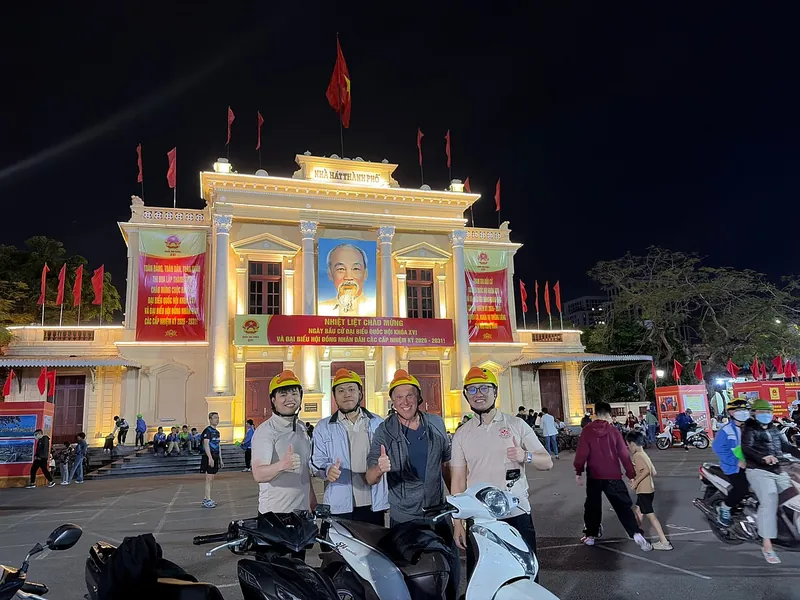
Packing For Haiphong Weather In Winter Season
Winter in northern Vietnam surprises many visitors. They arrive expecting tropical heat and discover gray skies, damp air and mornings that need a proper jacket. If you are planning a cold-season visit, the right packing list matters more than almost any other preparation. This guide explains what Haiphong weather is usually like in winter, what to bring, what to leave at home and how to dress for walking, eating and riding a motorbike. At Haiphong Adventure we guide travelers through the city all year round, so our advice comes from real mornings spent on the road in drizzle, wind and sunshine.
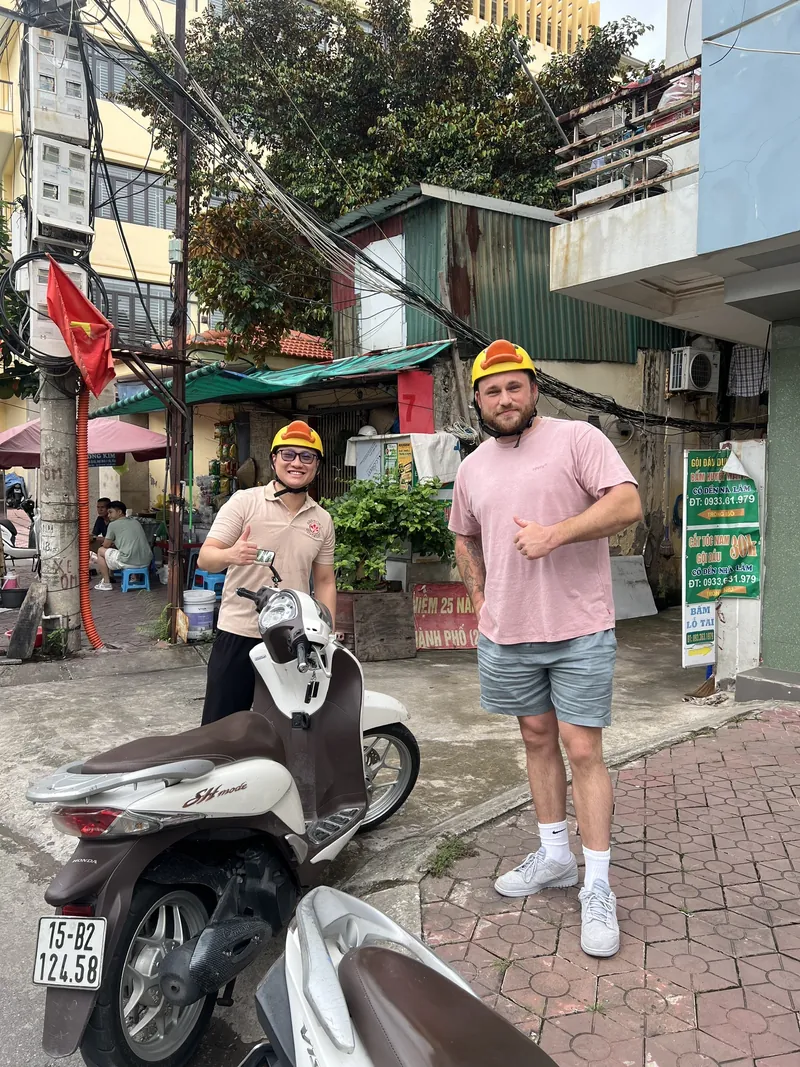
What Haiphong weather feels like in winter
Winter here generally runs from around December to February, with the coolest stretch often in January. The air is cool and humid, and the sky is frequently overcast. Fine drizzle is common in late winter, and fog can settle over the water and the fields in the early morning. Sunny days do happen, and when they do the city feels bright and pleasant.
Temperatures in the north swing more than in the south. A mild afternoon can be followed by a cold, windy night when a northeast monsoon surge arrives. Because the coast adds wind and moisture, the air can feel colder than the number on a thermometer suggests. Conditions change from year to year, so always treat any description as a guide and check a current forecast before you travel.
Why damp cold feels different
Dry cold is easy to dress for. Damp cold is trickier, because moisture in the air makes clothes feel heavy and takes the warmth out of your body quickly. Buildings in Vietnam are rarely heated, so you may feel chilly indoors as well. That is why layers, not one thick coat, work best.
What a typical winter day looks like
Mornings are cool and often misty. By midday the temperature can rise enough to remove a layer. Late afternoon cools quickly, and evenings feel cold when you sit outside at a street food stall. Plan your outfit around those swings.
>>> My Favorite Things To Do In Haiphong On Weekend
The layering system that works
Think of your outfit as three simple layers. You can add or remove each one during the day without carrying a heavy bag.
Base layer
Choose a thin, breathable top such as a cotton or merino shirt. Avoid very heavy fabrics that trap sweat when you walk or climb stairs. A long-sleeved base layer is useful on a motorbike, where wind adds a chill.
Middle layer
A light fleece, a sweater or a thin down jacket provides warmth without bulk. It should fold small, so you can stuff it into a bag when the sun appears.
Outer layer
A windproof and water-resistant shell is the most valuable item in your bag. It blocks wind on the road and keeps drizzle off your shoulders. Choose one with a hood. A lightweight poncho is a useful backup for heavy showers.
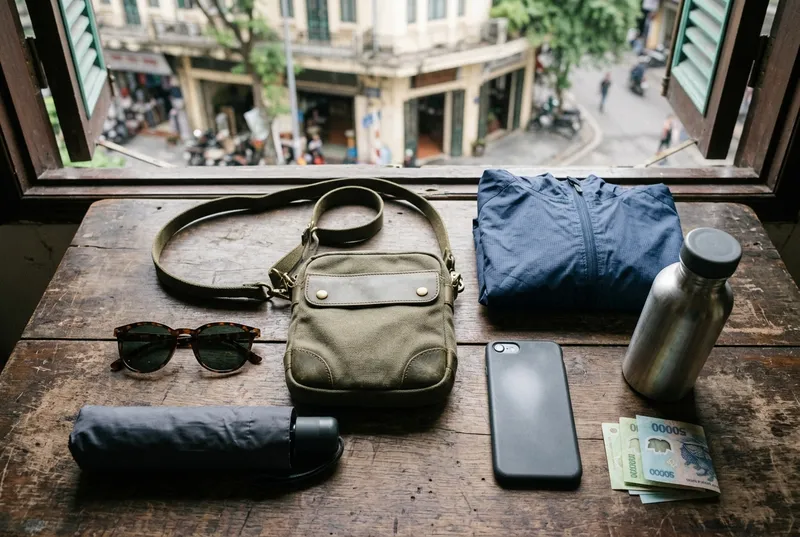
Clothing checklist for a winter trip
Use this list as a starting point and adjust it to the length of your stay and your own sense of cold.
- Two or three long-sleeved tops, plus one or two short-sleeved shirts for warmer afternoons.
- One light fleece or sweater, and one windproof jacket with a hood.
- Long trousers or jeans. Quick-drying fabrics are better than heavy denim in drizzle.
- Warm socks. Damp feet are the fastest way to feel miserable.
- A scarf or neck gaiter, which also protects your face on a motorbike.
- A thin hat or beanie that fits under or beside a helmet strap.
- Light gloves for early morning rides.
- Comfortable closed shoes with grip, ideally water-resistant.
- A compact umbrella or poncho.
If you forget something, do not worry. Markets and shops in Haiphong sell jackets, scarves, socks and rain gear at local prices, and buying a few pieces can be part of the experience. Prices change, so confirm them on the spot.
Footwear and rain protection
Pavements in Haiphong can be slick when wet, and some lanes collect puddles. Leave open sandals at the hotel in winter, except for short indoor use. Closed shoes with a rubber sole give better grip and keep your feet warm.
Keeping your bag dry
A small waterproof cover or a few zip-top bags protect your phone, passport and camera. A dry bag is helpful if you plan a boat trip or a ride in light rain. Wrap electronics before you leave the hotel instead of reacting when the first drops fall.
Choosing an umbrella or a poncho
An umbrella is fine for walking, but it is not suitable on a motorbike. A poncho covers both you and your day bag, and it folds very small. Many riders in Vietnam use a poncho, and our guides carry spares in wet months.
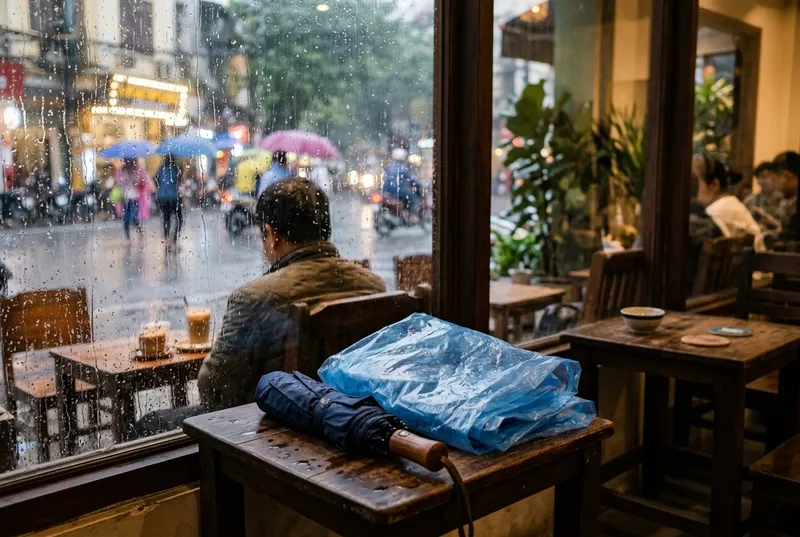
Riding a motorbike in cool weather
A motorbike ride feels colder than a walk, because wind chills you quickly. If you ride as a passenger on one of our tours, dress as if the temperature were five to eight degrees lower than the number on your weather app. This is a rule of thumb, not an exact formula.
What to wear on the bike
- A windproof outer jacket that closes tightly at the neck and wrists.
- A neck gaiter instead of a loose scarf, which can flap in the wind.
- Long trousers and closed shoes, with socks that reach above the ankle.
- Thin gloves that still let you hold a phone or camera.
Visibility and safety
Fog and drizzle reduce visibility, so riders slow down and keep greater distance. Bright clothing helps other road users see you. A good helmet with a visor protects your eyes from wind and mist. If conditions turn poor, we change the route or postpone the ride, because comfort and safety always come first.
For the quieter roads outside the city, read about exploring rural villages via a Haiphong motorbike tour, which also works well on dry winter days.
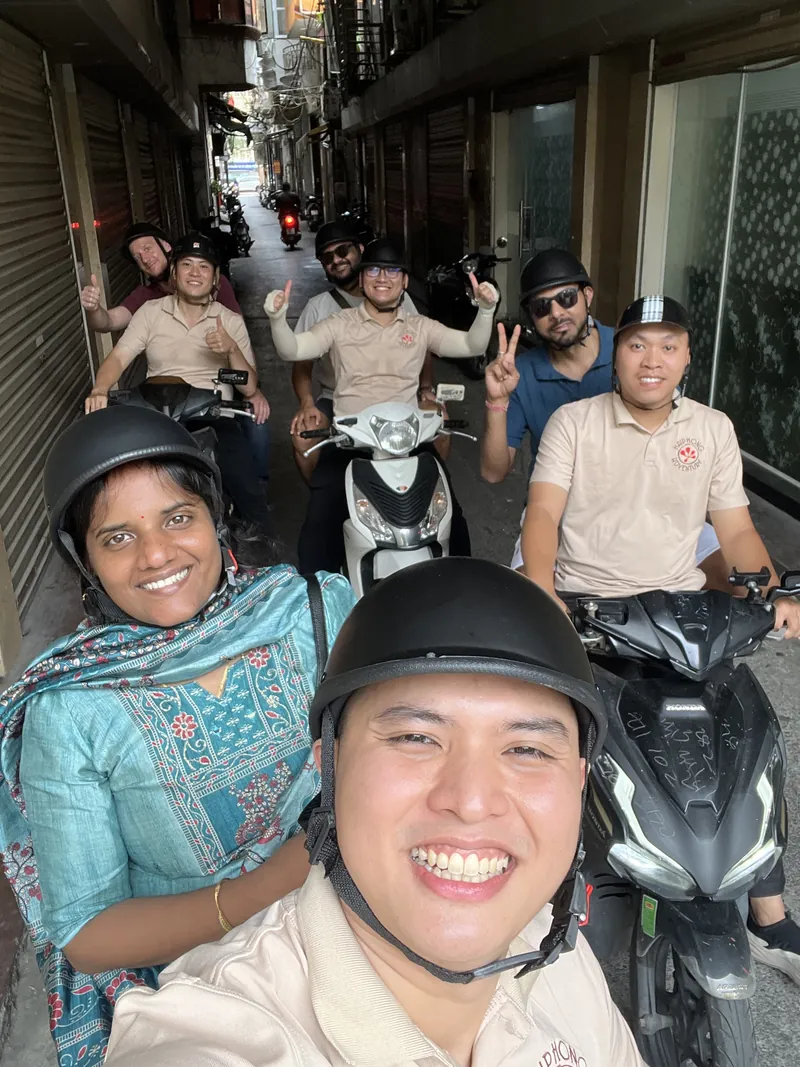
Recommended tour
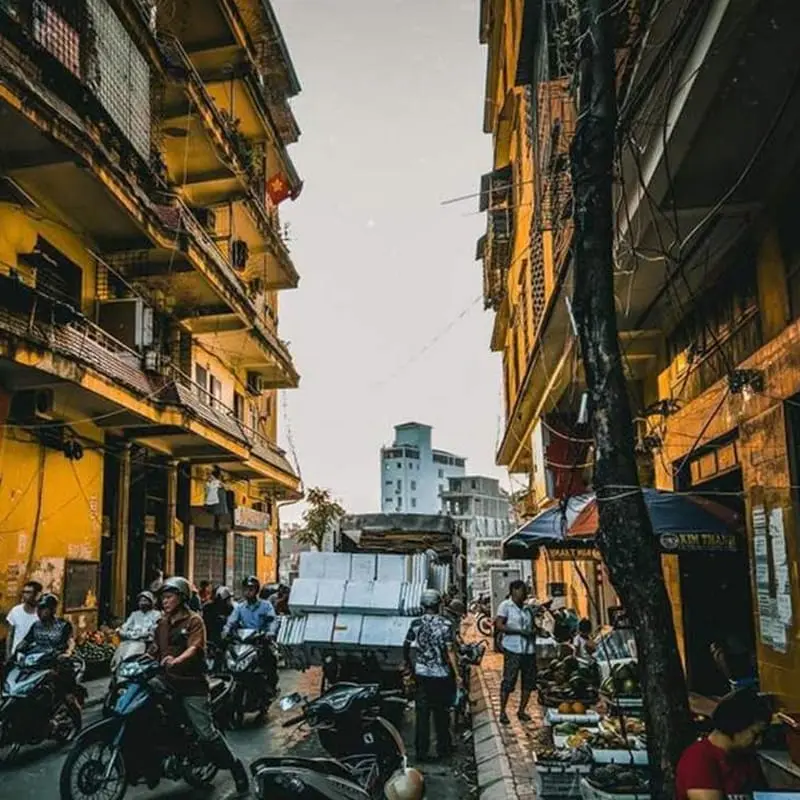
A guided motorbike journey through old streets, architecture and markets, with local food stops along the way. A good fit for a cool day, because every stop is warm, lively and full of hot food.
From $79 per person (reference price, updated October 2026, please confirm on the tour page)
Eating well to stay warm
Cold weather is the best season for northern Vietnamese food. Hot noodle soups, grilled skewers and sweet ginger drinks taste even better when there is a chill in the air. Haiphong is famous for its crab noodle soup, and a steaming bowl on a gray morning is hard to beat.

Street stalls often have low plastic stools and limited shelter, so bring a jacket even for a short meal. If you have a sensitive stomach, choose busy places with high turnover and hot food. You can find more dishes to try in our Haiphong street food adventure.
>>> Secrets To Enjoying A Real Haiphong Food Tour
What to see when the sky is gray
Gray weather is not a reason to stay inside. Pagodas, museums, covered markets and old villas look moody and photogenic in soft light. Fog adds a quiet, cinematic mood to the riverside and to rural fields.
Good choices on cool or drizzly days
- Temples and pagodas, where incense and soft light create a calm atmosphere.
- Covered markets, which stay lively whatever the weather.
- Museums and galleries in the old center.
- Cafes with a view of a lake or street, ideal for a warm drink and a break.
Our guide to cultural things to do in Haiphong has more ideas for rainy or misty days.
Things to adjust in winter
Beach and island plans may be less comfortable, because sea breezes are cold and the water is chilly. Boat trips can be wonderful in clear conditions, but fog or rough weather may cause delays or cancellations. Always confirm departures on the day, and keep your schedule flexible.
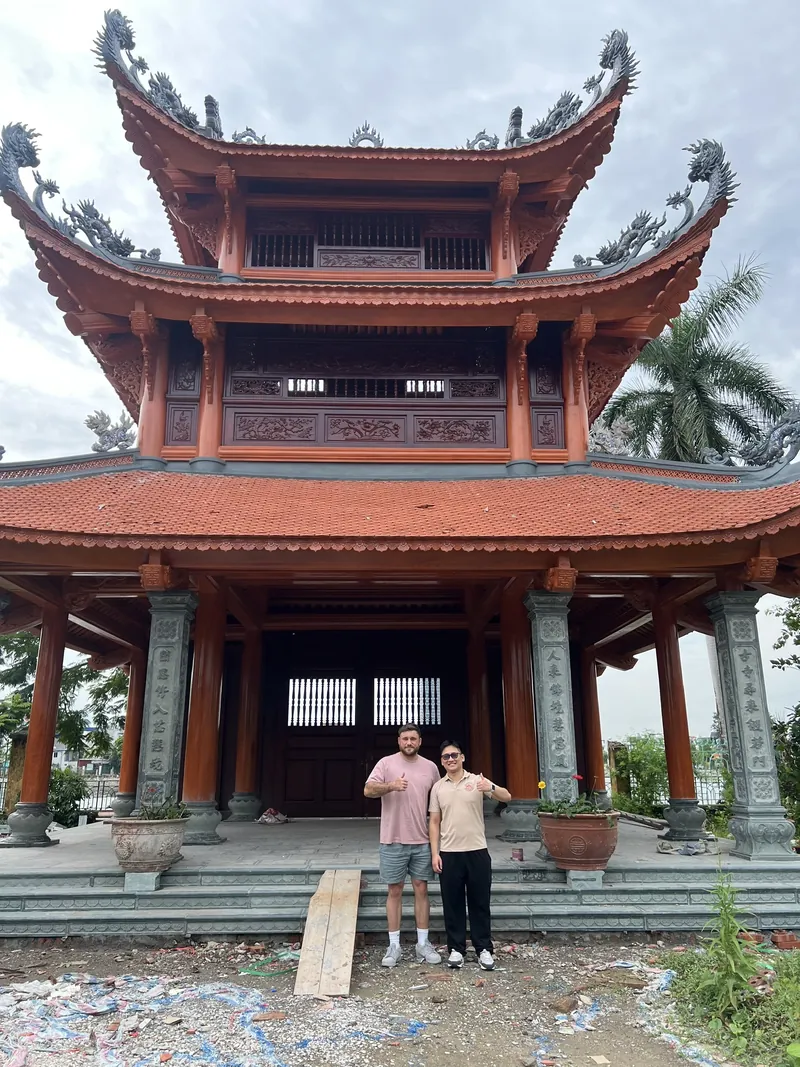
Health, skin and small comforts
Cool wind and air conditioning in hotels and cafes can dry your skin. Pack a moisturizer and lip balm. Damp conditions may make joints and old injuries feel stiff, so gentle stretching in the morning can help.
- Bring any personal medication, and consider basic cold remedies and throat lozenges.
- Stay hydrated even if you do not feel hot.
- Keep a spare pair of socks in your day bag.
- Carry a small towel to dry your hands and face after a drizzle.
- Pack a portable charger, because cold weather drains phone batteries faster.
If you feel unwell, ask your hotel or your guide to recommend a nearby clinic or pharmacy.
Checking the forecast before you go
Forecasts are your best friend in winter, because conditions can change quickly. Look at the outlook a week before you travel to choose clothes, then again the evening before each activity. Vietnam’s National Center for Hydro-Meteorological Forecasting publishes updates and warnings for the north. Phone apps are helpful too, but compare more than one source.
Remember that cold spells can arrive suddenly. If a strong surge is forecast, bring an extra layer and consider moving outdoor plans to a different day. Our team is happy to help you adapt your schedule once you arrive.
A simple packing plan by trip length
Short stay, one to three days
Take one jacket, two long-sleeved tops, one sweater, long trousers, warm socks and a poncho.
Medium stay, four to seven days
Add a second sweater, an extra pair of trousers and a spare pair of shoes if you can. Use hotel laundry services if available, and expect clothes to dry slowly in damp air.
Longer stay, over a week
Plan for laundry every few days and choose quick-drying fabrics. Include a heavier layer for cold nights and a light bag to carry purchases from markets.
Winter month by month
Winter is not one uniform season, and each month has its own character. The following notes are general impressions from guiding travelers, not weather statistics, so treat them as a rough guide and rely on a current forecast.
December
December is often the start of the cool season. Days can be dry and pleasant, while evenings start to feel fresh. It is a comfortable month for walking, with fewer sudden downpours than in summer. Pack a light jacket and one warm layer.
January
January is commonly the coolest and grayest month. Wind from the sea can make a motorbike ride feel brisk, and mornings may be foggy. This is the month when thick socks, a neck gaiter and a windproof shell really pay off.
February
February tends to bring drizzle and damp air, especially in the second half. Pavements stay wet, and clothes dry slowly. The Lunar New Year, known as Tet, usually falls in January or February, and many shops and restaurants close for a few days while locals travel to their home towns. If your dates overlap, confirm opening times in advance and book popular services early. Dates change each year.
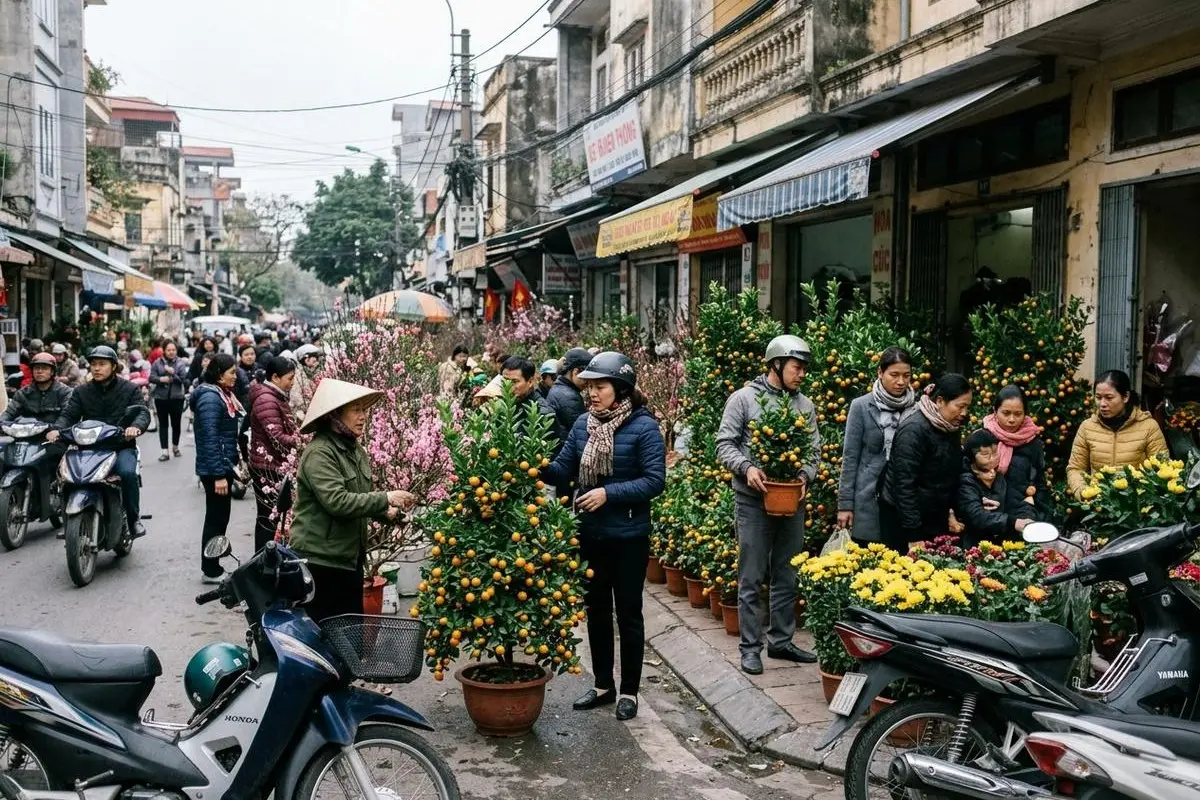
Sample outfits for typical winter activities
Pictures help, so here are practical outfit ideas for the most common things visitors do. Adapt each one to your own comfort level.
Walking the old center
Wear a thin long-sleeved top, a light sweater and a windproof jacket you can open when the sun appears. Comfortable shoes with grip are essential, because you will walk on old pavements and cross markets.
A food tour in the evening
Evenings feel colder than daytime, particularly when you sit outdoors. Bring an extra layer, a scarf and warm socks. A jacket with deep pockets lets you hold a phone and pay for snacks without opening a bag.
A countryside ride
Dress in layers that can handle wind and mist. Wear a windproof jacket, long trousers, gloves and a neck gaiter. Bring a poncho in your bag, and keep your phone in a zipped pocket.
A temple or pagoda visit
Cover your shoulders and knees, as you would in any season. A scarf or light jacket works well, and slip-on shoes are convenient when you take them off at the entrance.
Photography tips for gray and misty days
Some travelers worry that cloudy skies will ruin their photos. In fact, soft winter light flatters faces, markets and old buildings, because it removes harsh shadows. Fog adds depth to rivers and fields, and wet streets reflect colorful lanterns and shop signs.
- Protect your camera or phone from drizzle with a small cover or a clear plastic bag.
- Wipe the lens often, since mist leaves tiny droplets that blur images.
- Look for color, such as red lanterns, yellow flowers and fruit stalls, against the gray background.
- Shoot early, when fog lingers and traffic is light.
- Keep batteries warm in an inside pocket, because cold shortens their life.

Frequently asked questions about Haiphong weather in winter
Is Haiphong cold enough for a heavy coat?
Usually not. A medium jacket with layers underneath is enough for most travelers, but cold spells can feel sharp with wind and damp air. Check the forecast close to your date.
Does it rain a lot in winter?
Winter is often drier than summer, but light drizzle and gray skies are common. Carry a poncho or compact umbrella to be safe.
Can I still take a motorbike tour in winter?
Yes, in most conditions. Dress warmly in windproof layers, and your guide will adjust the route and pace to the weather.
Are boat trips possible in winter?
Often yes, but fog and wind can affect schedules. Confirm on the day and stay flexible.
Can I buy warm clothes locally?
Yes. Local markets and shops sell jackets, scarves and socks. Prices vary, so compare a few stalls before buying.
Get ready for your winter trip with Haiphong Adventure
The right clothes turn cool, gray days into some of the best travel days in northern Vietnam. If you would like help planning a route, choosing the right season or packing smart, message us and we will suggest a plan that fits your dates. You can also browse our Haiphong tours to see what is available.
WhatsApp: +84(0)934.555.001
Viber and WeChat: +84(0)934.555.001
KakaoTalk and Line ID: haiphongadventure