Living Like A Local At Haiphong Homestay Spots
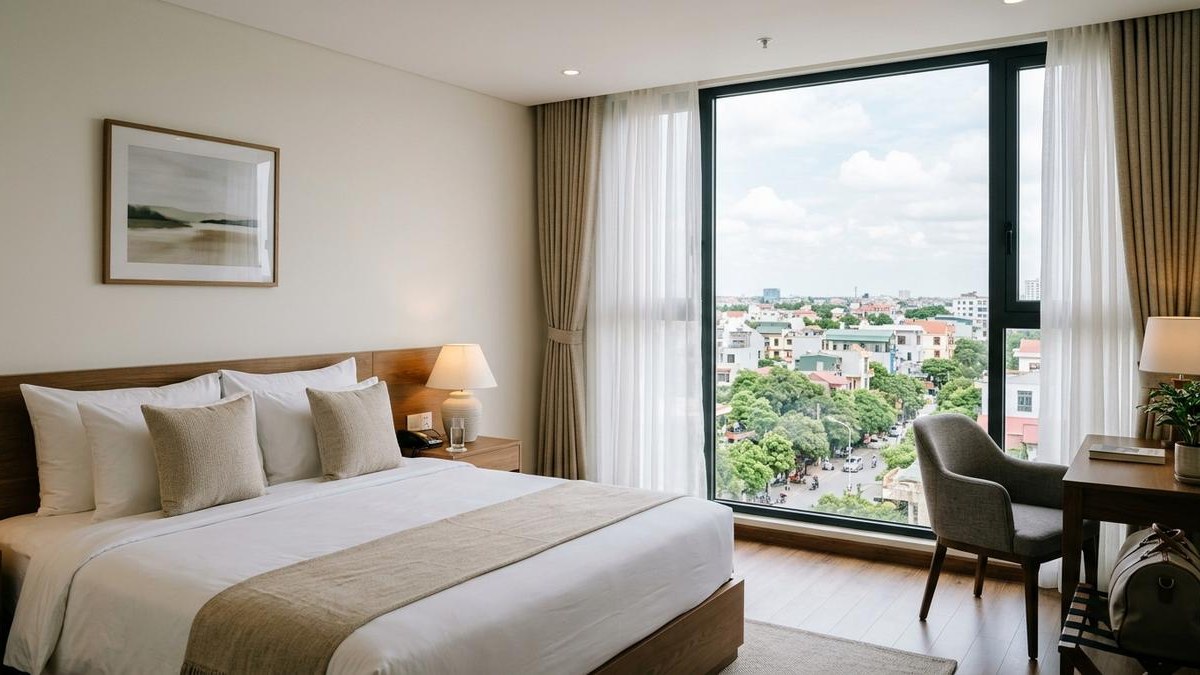
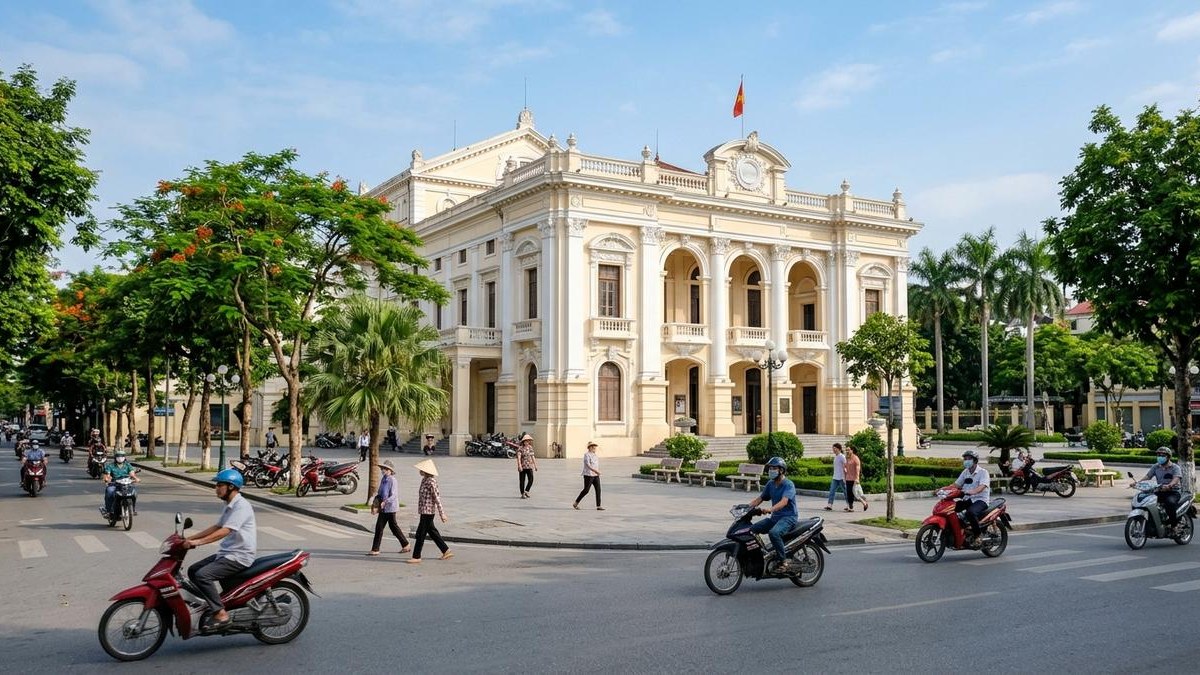
Choosing a Haiphong homestay is one of the best ways to see the real rhythm of life in Vietnam’s port city. Instead of a hotel lobby, you wake up to the sound of neighbours sweeping the alley, share tea with your hosts and eat breakfast where local families eat. For many travellers, these small everyday moments become the most memorable part of the trip.
This guide from the Haiphong Adventure team explains what living like a local at a Haiphong homestay is really like: where homestays are found, what a typical day looks like, family meals, house etiquette and how to choose a good host. Homestay standards and prices vary widely, so treat practical details as a reference (updated October 2026) and always read recent guest reviews.
What A Haiphong Homestay Really Is
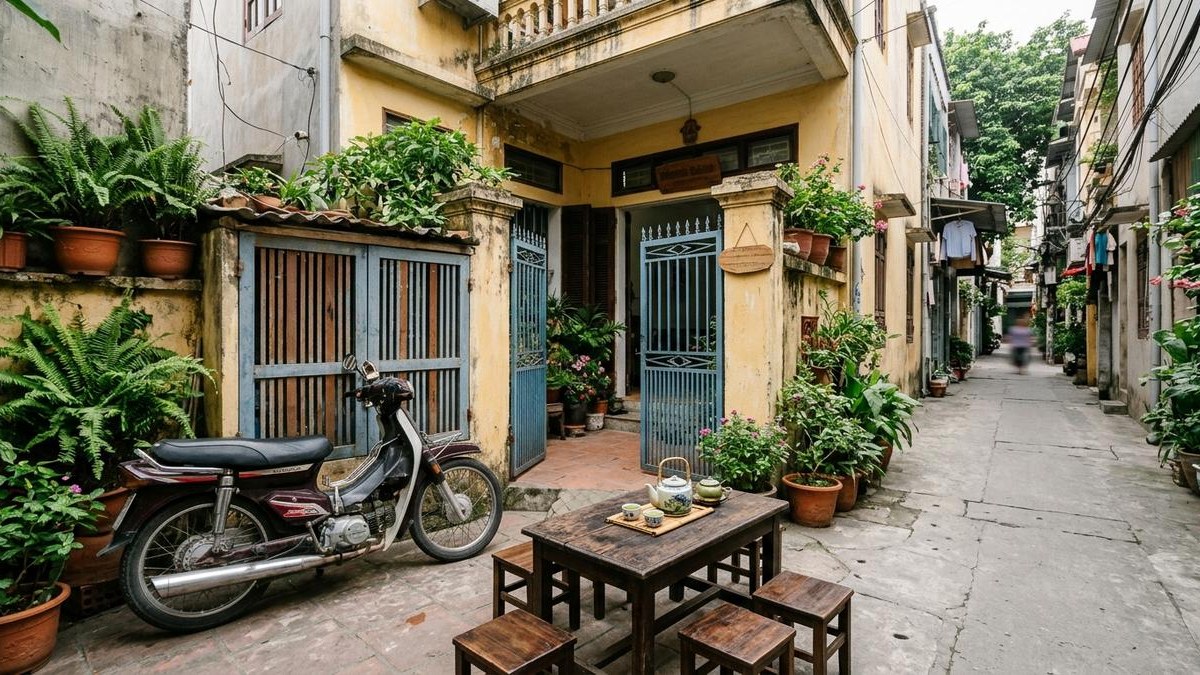
In Vietnam, a homestay can mean several things. Understanding the difference helps you choose the right experience.
- A room in a family home. You live with your hosts, share common spaces and often eat together.
- A small family-run guesthouse. Private rooms in a house where the family lives on another floor.
- A countryside or island homestay. Simple rooms in a village, often with home-cooked meals and bicycles.
All three give you more local contact than a hotel. The first is the most immersive, while the second offers more privacy.
Where To Find Homestays Around Haiphong
| Area | Atmosphere | Good for |
|---|---|---|
| Residential alleys near the centre | Busy local life, street food on the doorstep | City explorers and food lovers |
| Quieter suburban neighbourhoods | Calmer streets, more space | Longer stays and families |
| Countryside villages around the city | Rice fields, gardens, slower pace | Cycling, rural life and photography |
| Cat Ba Island villages | Nature, limestone hills and the sea | Hiking, kayaking and island life |
If village life appeals to you, our post on exploring rural villages around Haiphong shows what the countryside is like.
A Typical Day Living Like A Local
Early morning
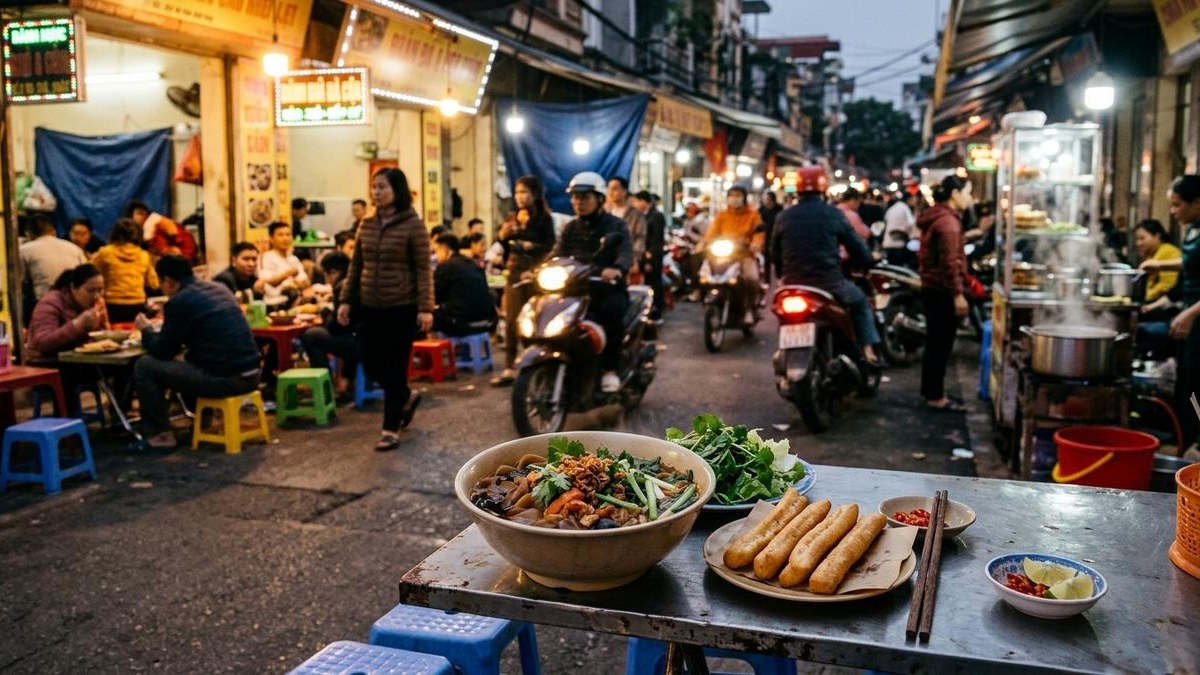
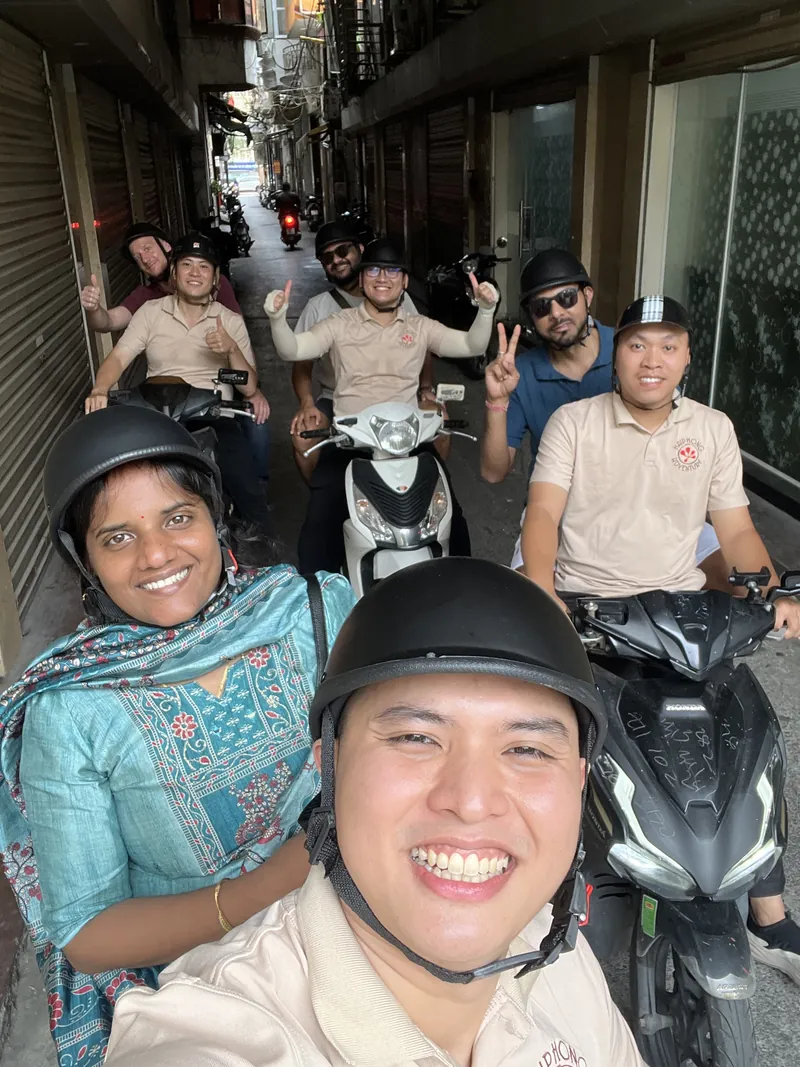
Vietnamese families wake early. You may hear motorbikes starting, neighbours chatting and street vendors calling. Join your hosts for a bowl of noodle soup at a nearby stall or a glass of iced coffee on low plastic stools.
Daytime
Most hosts work during the day, so you are free to explore. Ask them for tips on markets, pagodas and food shops that tourists rarely find.
Evening
Evenings are social. Families gather for dinner, children play in the alley and neighbours sit outside to chat. If your homestay offers dinner, this is the best time to learn about local life.
>>> Unusual Things To Do In Haiphong Off Beaten Path
Sharing Family Meals At A Haiphong Homestay
Food is at the heart of homestay life. A typical home meal is shared from the middle of the table, with everyone taking small portions with chopsticks.
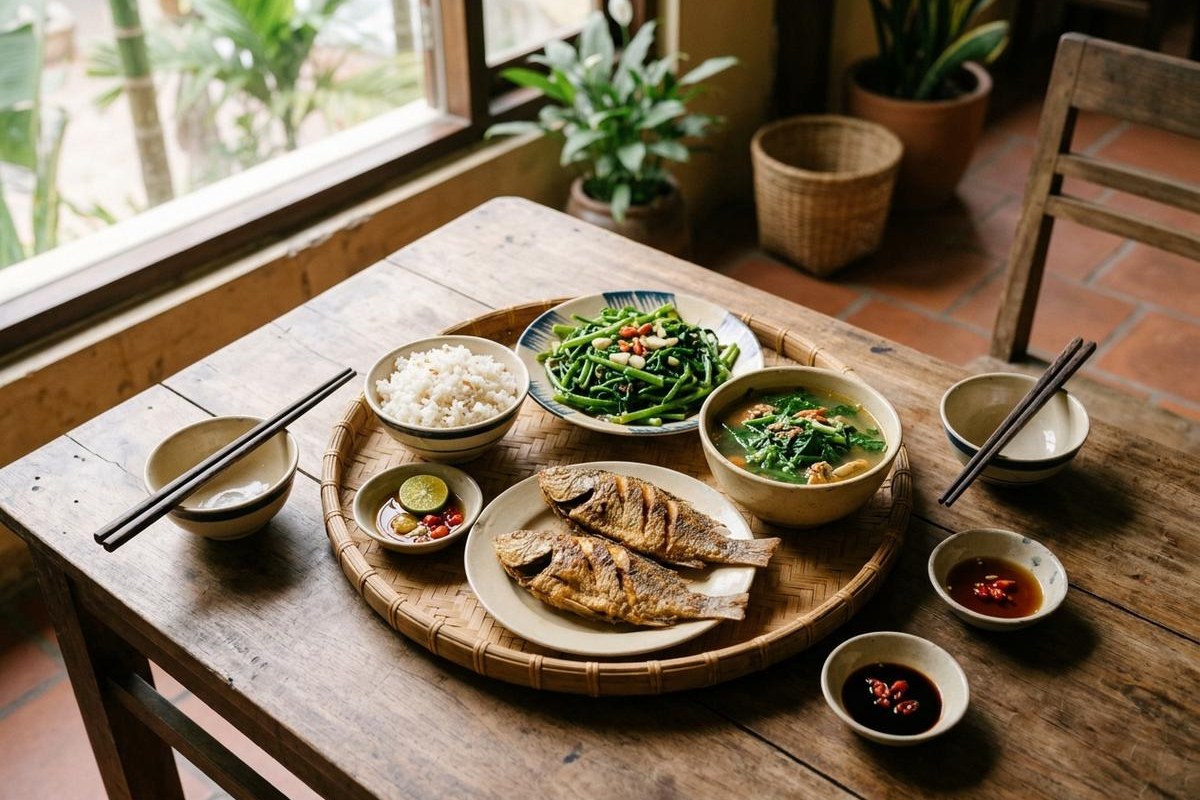
- Rice is the centre of the meal, served in small bowls.
- Shared dishes may include stir-fried greens, fish, pork, tofu and a light soup.
- Dipping sauces such as fish sauce with chilli and lime sit in small bowls.
- Fruit often ends the meal.
Tell your hosts in advance about dietary needs or allergies. Many families are happy to adjust dishes if they know early.
Simple table manners
- Wait for the eldest person to start eating.
- Do not stick chopsticks upright in your rice bowl.
- Try a little of everything and thank your hosts.
To keep exploring local flavours outside the home, read about a Haiphong street food adventure.
Recommended tour
The Insider’s Haiphong

See the city through local eyes by motorbike: markets, alleys, colonial landmarks and favourite snacks, with a guide who grew up here.
From $79 per person
Homestay Etiquette In Vietnamese Homes
| Do | Avoid |
|---|---|
| Take off your shoes when entering the house | Walking inside with outdoor shoes |
| Greet older family members first | Ignoring elders in the room |
| Dress modestly in shared spaces | Wearing swimwear around the house |
| Ask before using the kitchen or washing machine | Assuming shared items are free to use |
| Keep noise low late at night | Coming home loudly after midnight |
| Bring a small gift from home if you like | Expensive gifts that make hosts uncomfortable |
Respect the family altar, which you will often see in the main room. Do not touch offerings or take photos of it without asking.
How To Choose A Good Haiphong Homestay
- Read recent reviews. Look for comments about cleanliness, host friendliness and noise.
- Check the location on a map. Narrow alleys are charming but may be hard for taxis to reach.
- Confirm room details. Private or shared bathroom, air conditioning, hot water and windows.
- Ask about meals. Are breakfast or family dinners available, and at what cost?
- Check registration. Accommodation in Vietnam must register foreign guests, so expect to show your passport.
- Clarify house rules. Curfew, guests, smoking and quiet hours.
Homestay Or Hotel In Haiphong
| Homestay | Hotel | |
|---|---|---|
| Local contact | High, you live with or near a family | Lower, more independent |
| Privacy | Varies, often shared spaces | High |
| Facilities | Simple | More services like pools and gyms |
| Location | Often in residential alleys | Often on main streets |
| Best for | Curious travellers, longer stays | Short trips, comfort and convenience |
Some travellers combine both: a few nights in a city homestay, then a hotel before an early flight.
Countryside And Island Homestays Near Haiphong
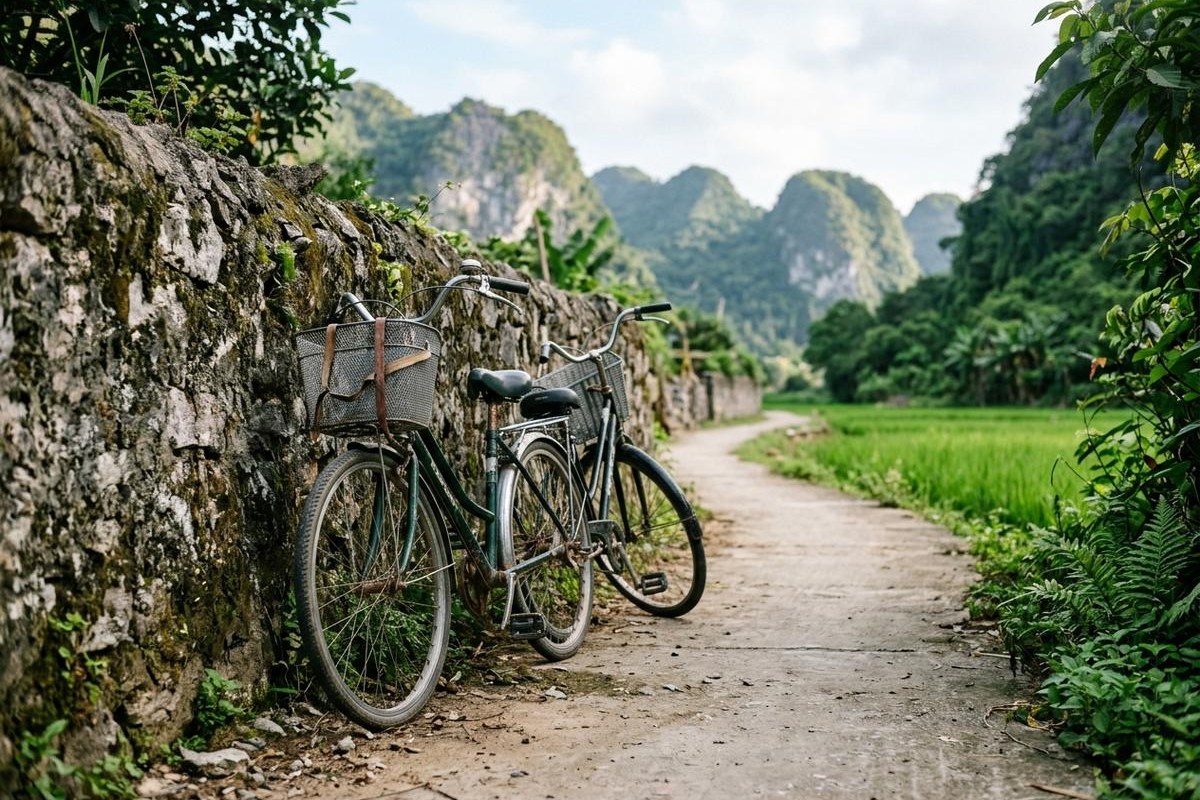
If you want a slower pace, consider a night in a village or on Cat Ba Island. Days start with birdsong, meals often use vegetables from the garden and bicycles are the easiest way to explore.
Travelling to the island with bags? Our tips on getting from Haiphong to Cat Ba with luggage help you plan the journey.
>>> Free Things To Do In Haiphong For Budget Travel
Making Real Connections With Your Hosts
- Learn a few words. Xin chao (hello), cam on (thank you) and ngon qua (very delicious) bring smiles.
- Share your story. Photos of your home, family or city are great conversation starters.
- Join in. Offer to help set the table or join a morning market trip.
- Leave a kind review. Small family businesses rely on honest feedback.
Many guests on our haiphong tours stay in homestays and tell us that combining a local guide by day with a host family by night gives them the deepest understanding of the city. For more cultural ideas, see our cultural things to do in Haiphong.
Frequently Asked Questions About Haiphong Homestays
Are homestays in Haiphong safe for foreign travellers?
Generally yes. Choose a well-reviewed host, keep valuables secure and follow normal travel precautions.
Do Haiphong homestays include meals?
Some include breakfast and offer family dinners for an extra cost. Always confirm before booking.
Can I stay in a homestay without speaking Vietnamese?
Yes. Many hosts speak some English, and translation apps help with the rest.
Do I need to show my passport at a homestay?
Yes. Accommodation providers must register foreign guests, so bring your passport.
Is a homestay good for families with children?
Often yes, especially countryside homestays with gardens. Check room sizes and bathroom arrangements first.
Experience Haiphong From The Inside
A Haiphong homestay lets you see the city as locals live it: morning coffee in the alley, shared family meals and warm evening conversations. Choose a good host, respect house customs and stay curious. If you would like a local guide to show you around during the day, the Haiphong Adventure team is happy to help.
WhatsApp, Viber, WeChat: +84(0)934.555.001
KakaoTalk, Line ID: haiphongadventure