Exploring Do Son Beach Historical Sites Nearby
Do Son beach is more than a seaside resort. The peninsula and the coast around it hold temples, old villas, a historic lighthouse area and legends that link local fishermen to the sea. If you want to add meaning to a beach day, this guide shows which Do Son beach historical sites are worth exploring, how to visit them respectfully and how to fit them into a relaxed day trip from Haiphong.
We are the local team behind Haiphong tours and we often mix coastal scenery with local history for guests who like to understand the place they ride through. Dates and stories vary between sources, and opening rules change, so treat every detail below as a starting point and confirm on the day with your guide or the site itself.
Why History Matters On A Beach Trip
Most visitors arrive thinking about sand and seafood. Then a turn in the road reveals a temple, a viewpoint or a faded villa, and the day becomes richer. Haiphong grew as a port city, and its coast has always been shaped by trade, fishing, defence and holiday travel. Seeing a few of these places helps you understand why the town looks and feels the way it does.
You do not need to be a history expert. Curiosity, respect and a good guide are enough. Bring a notebook, ask questions and accept that some stories live in local memory more than in books.
A Short Background Of The Do Son Peninsula
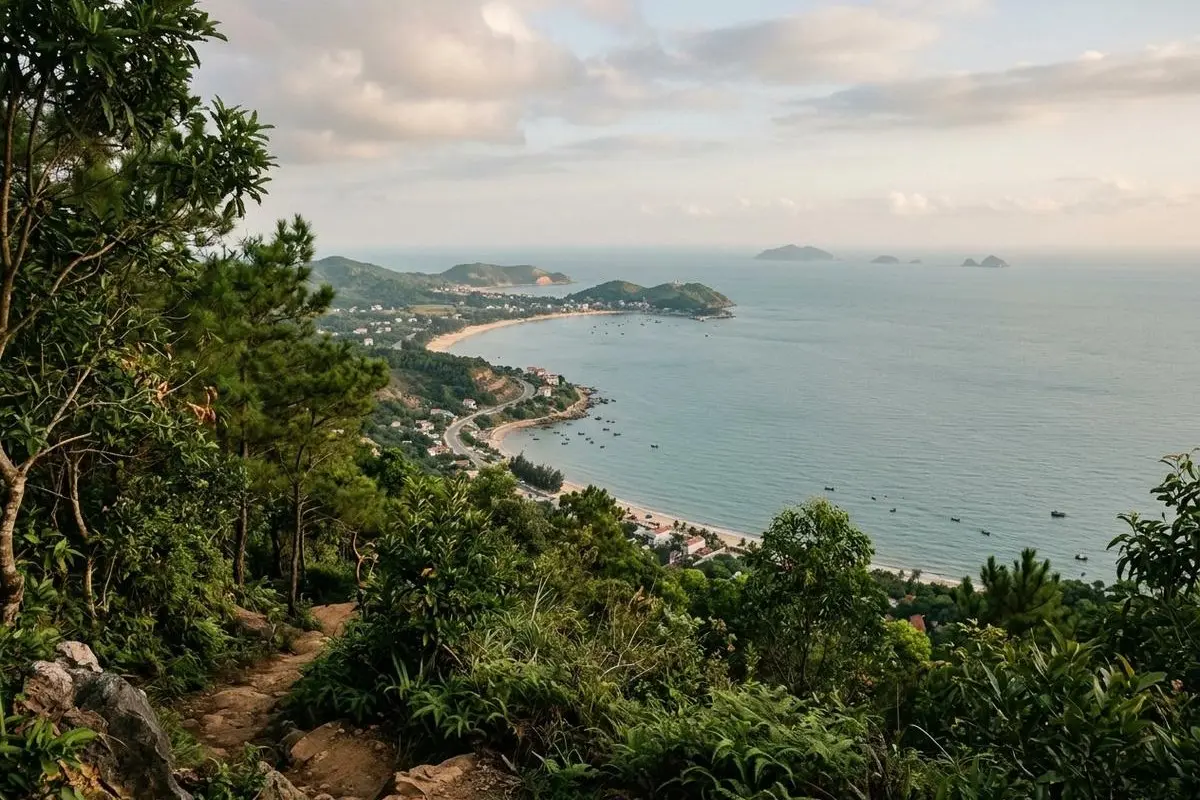
Do Son is a hilly peninsula that reaches into the Gulf of Tonkin. Local communities have fished and farmed here for a very long time, and temples and shrines grew around that life. During the French colonial period, the area developed as a seaside retreat for officials and wealthy families, and many villas and resort buildings appeared on the hillsides. After independence, the town continued to serve as a holiday destination, mostly for domestic visitors.
This background mixes local accounts with general references, and sources sometimes disagree on dates. Cross-check any date you read, and ask your guide which version is told locally.
>>> Cultural Things To Do In Haiphong You Must Try
Temples And Shrines Of The Coast
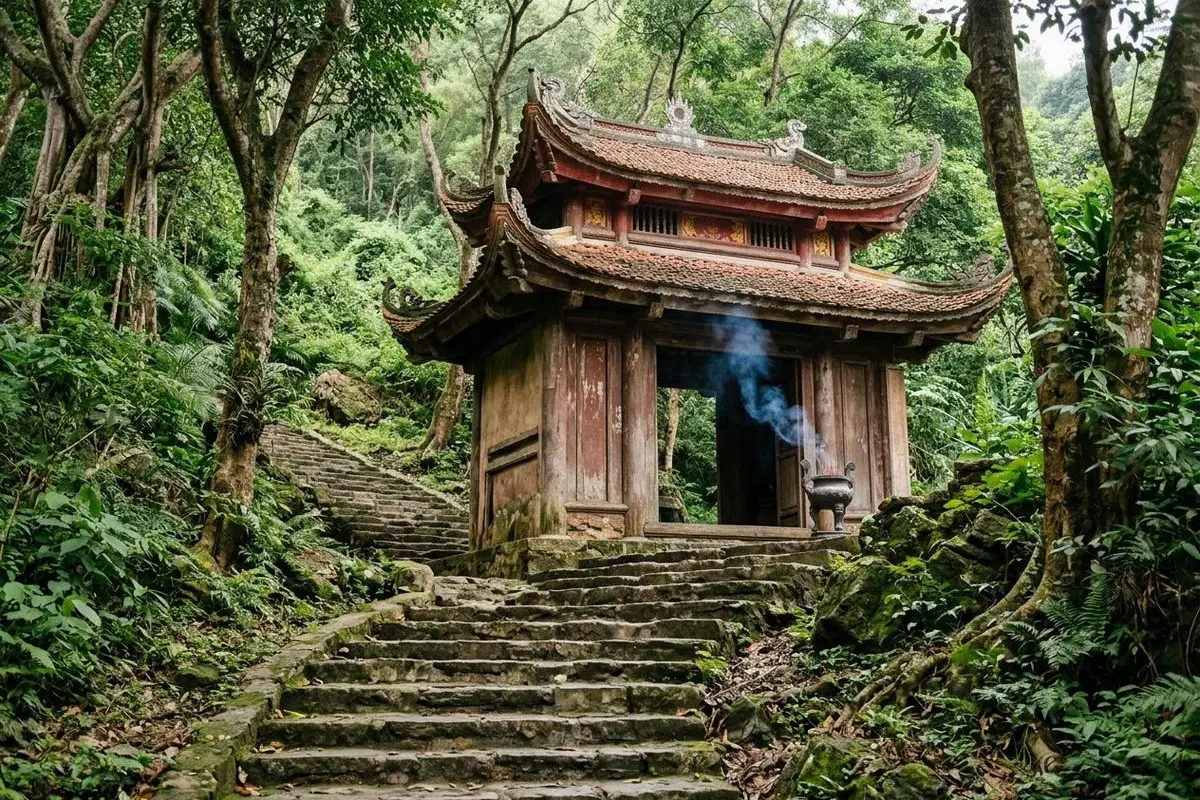
Temples are the most visible historical sites near Do Son beach. Many are dedicated to local protective spirits, to figures honoured by fishing communities or to Buddhist worship. Stories differ from one temple to the next, and locals usually tell them with great pride.
A temple honouring a protective spirit of the sea
One of the best-known temples on the peninsula is linked to a female spirit revered by fishing families. Local people visit to pray for safe journeys, good catches and family health. Stories about her origin vary, and several versions circulate. Listen to the version you are told, and remember that tradition matters more than a single fixed account.
Pagodas and towers
Buddhist pagodas in the wider Do Son area add a calm contrast to the lively beach. One tower and pagoda in the district is often linked in local stories to an early dynasty and has been rebuilt over the centuries. Details of age and rebuilding differ between sources, so ask a guide and compare what you read on site.
Small village shrines
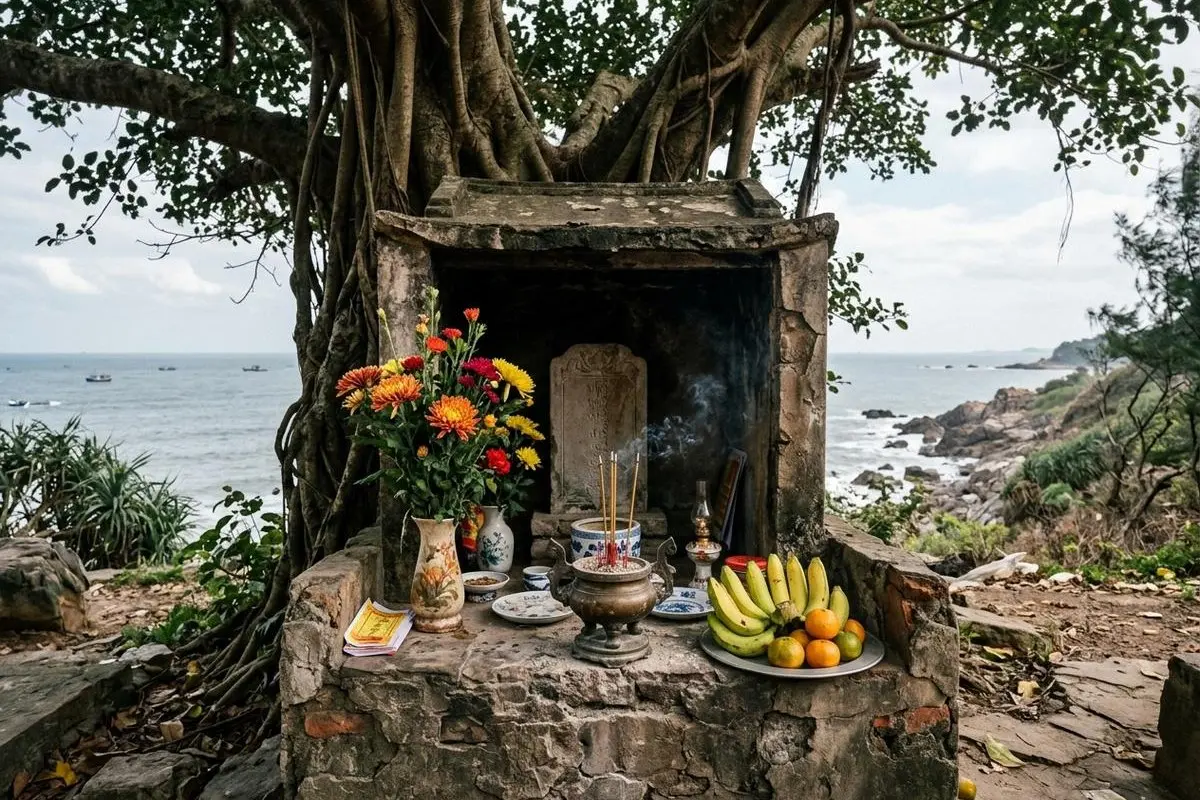
Look for little shrines tucked beside trees, rocks and street corners. They are part of daily life and often hold fruit, flowers or incense. Do not touch offerings, and keep your voice low when people are praying nearby.
How To Visit Religious Sites Respectfully
- Dress modestly, covering shoulders and knees.
- Remove your hat and sunglasses when entering the main hall.
- Speak softly and avoid loud group behaviour.
- Ask before taking photos of people, statues or ceremonies.
- Do not step on thresholds, and avoid pointing your feet at altars.
- Leave a small donation if you wish, but never feel forced to pay.
- Follow any posted signs and guidance from caretakers.
A little care goes a long way. Caretakers and visitors often respond with warmth when they see foreigners behaving thoughtfully. If you are unsure about a rule, ask your guide or watch what local worshippers do.
The Lighthouse And Observatory Area On Hon Dau
Offshore from the peninsula, a small island known as Hon Dau is famous for its lighthouse and observatory, which date back to the French period and later became important for measuring sea level and weather. It is often described as a landmark of scientific and maritime history in northern Vietnam.
Access to the island depends on permissions, boat services, weather and local rules, and these change from time to time. Some visitors can see it from the shore, while others arrange special visits through licensed operators. Always check current information before you plan around it, and never travel in unsafe weather. If you cannot visit, a view from the coast still helps you picture how important this stretch of sea has been to ships and fishermen.
Colonial Era Villas And Resort Buildings
Old villas are another reminder of the peninsula’s resort history. Some have been restored, others have been converted into hotels or guest houses, and a few sit quietly in need of repair. A walk or ride through the quieter streets reveals balconies, shutters, high ceilings and gardens that tell a story of holiday life in a very different age.
Many of these properties are private or run as businesses, so look from the road and ask before entering any gate. If a hotel welcomes visitors for a coffee or a look at the lobby, accept the invitation politely and treat the place with care. Our guides know which spots are friendly to visitors and which are best admired from outside.
Recommended tour
Haiphong Countryside & Coastal Landmarks
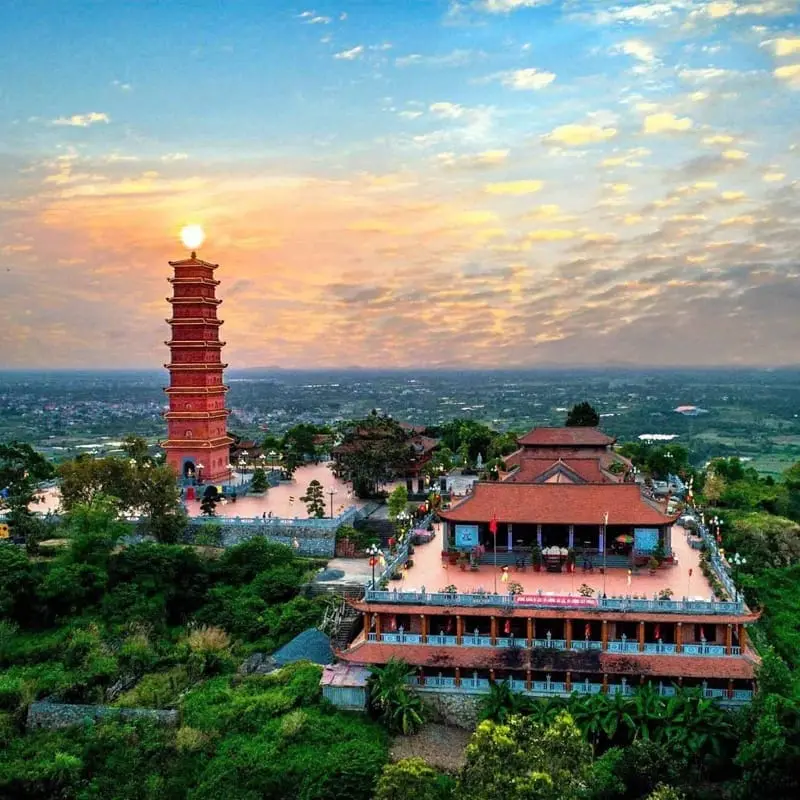
Ride out of the city centre into rural scenery and coastal landmarks with a local guide. A good fit if you want more than a beach stop, and you can ask our team whether your wishes for Do Son can be built into the day.
From $79 per person (reference price, updated 10/2026, please confirm when booking)
Fishing Culture And The Stories Of The Sea
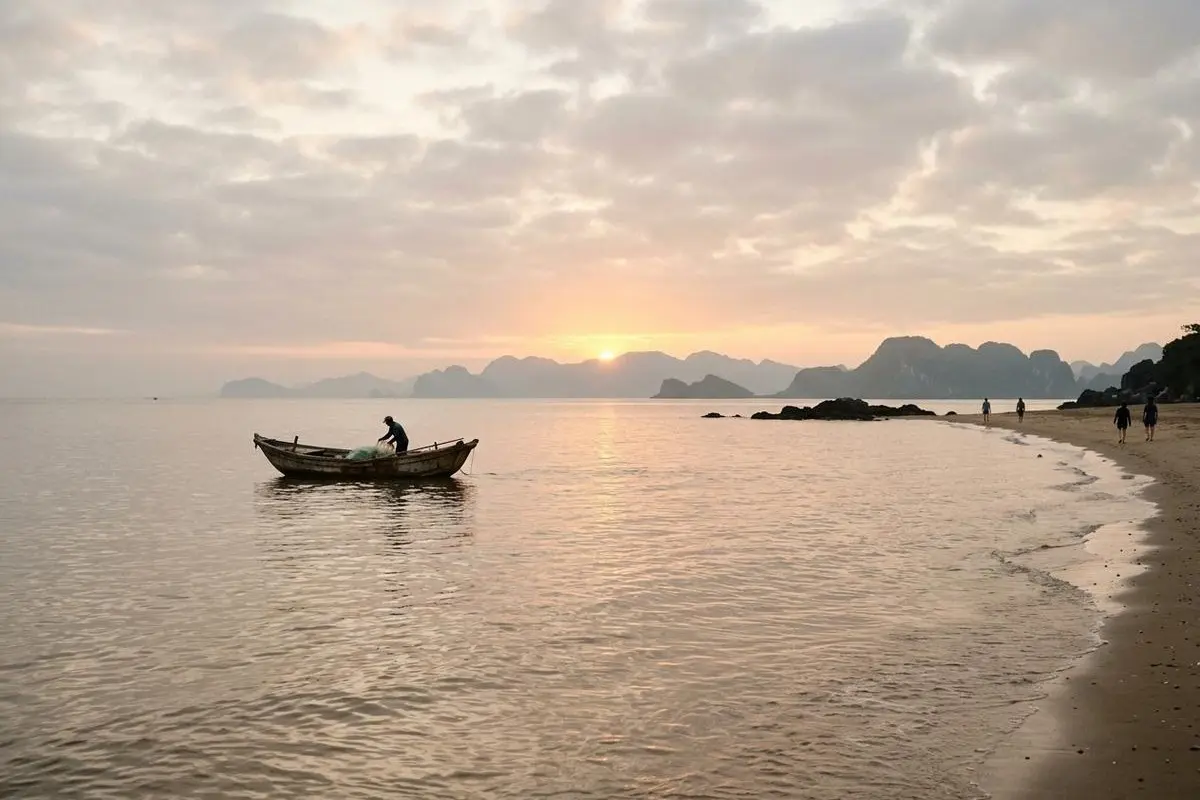
History on this coast is not only about buildings. It lives in the habits of fishing families, the way boats are named, the rituals before a trip and the small offerings placed on the water. Many families keep a household altar, and some boats carry symbols for protection. Learning a few of these customs makes your visit feel more personal.
If you meet a fisherman or a vendor who is happy to talk, listen first and ask polite questions. Many local people are proud of their heritage and enjoy explaining it, especially when you show real interest. A guide can help with translation and context so that nothing gets lost.
Walking Or Riding Through The Old Streets
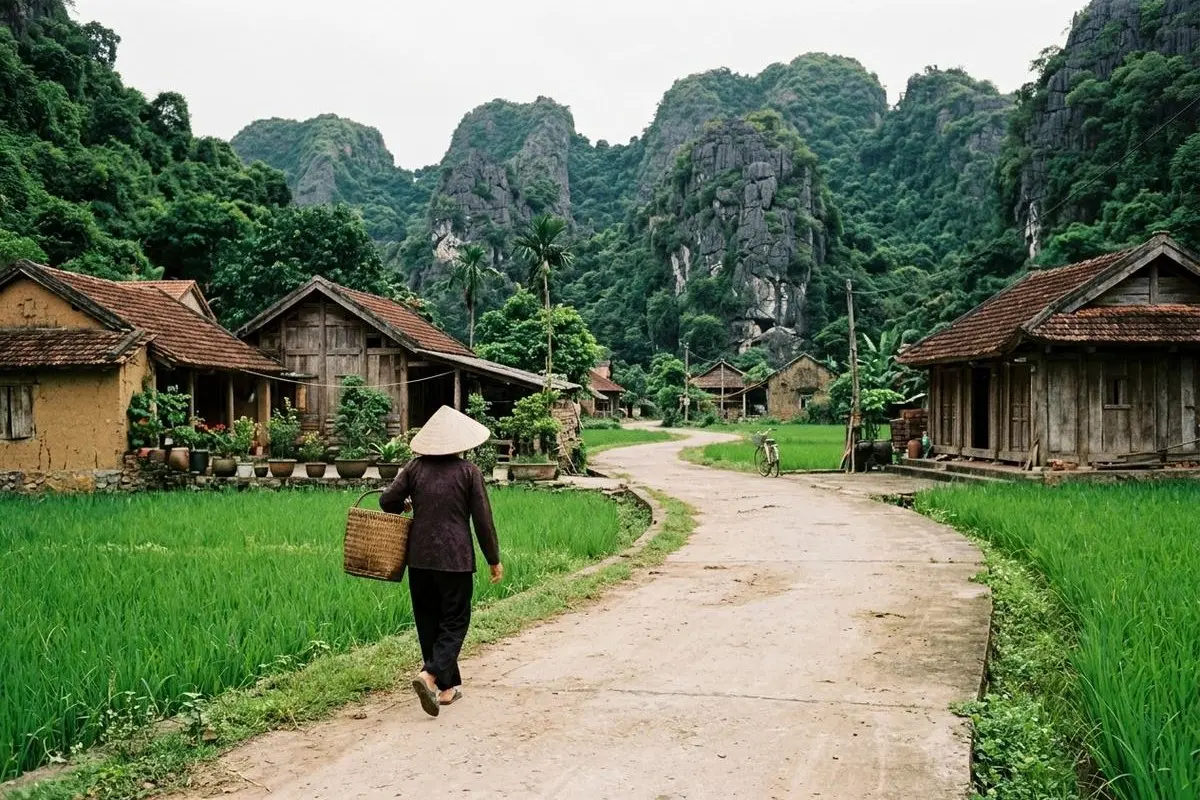
A slow walk or ride through the older parts of the peninsula often reveals more than any single site. Look for faded colonial colours, narrow lanes, wooden shutters, tiny family shops and old trees that shade the road. Try to notice the ordinary details, such as how people hang laundry or arrange flowers outside their doors.
Slow travel suits this area. Stop for a cold drink, sit on a small stool and watch daily life pass by. These unplanned moments often become the best part of the day.
How To Learn More Before You Go
Reading a little before your trip adds depth. Look at reliable sources such as encyclopaedias, museum websites and official tourism pages, and compare more than one account. When stories disagree, treat the differences as part of the local colour and not as errors to fix.
- Read two or three sources and note the differences.
- Write down questions to ask your guide.
- Check the opening rules and any seasonal closures.
- Learn a few Vietnamese greetings and thank-you phrases.
- Keep a flexible plan in case a site is closed.
Our guides are happy to share what they know, and they are honest about what they do not know. That honesty is part of travelling well.
Festivals And Living Traditions
Living traditions keep local history alive. Fishing communities hold ceremonies linked to the sea, and several festivals follow the lunar calendar. The most famous event in the area is a traditional buffalo festival that usually takes place in early autumn. It is a major local event, but it is also controversial for some visitors because of animal welfare concerns.
If you are considering attending, check the current date and local rules, think carefully about your own comfort and respect the people around you. There are other ways to experience local culture, such as visiting temples during quieter ceremonies or sharing a meal in a family-run eatery.
>>> Unusual Things To Do In Haiphong Off Beaten Path
Historical Sites Beyond The Peninsula
If you have more time, Haiphong city and the surrounding countryside offer many other historical stops. Old French-era buildings line parts of the city centre. Communal houses, pagodas and small museums add local colour. A little farther from the coast, the rivers around Haiphong are tied to famous medieval naval battles that shaped the country, including the famous 1288 Battle of Bach Dang, when wooden stakes planted in the riverbed helped defeat an invading fleet.
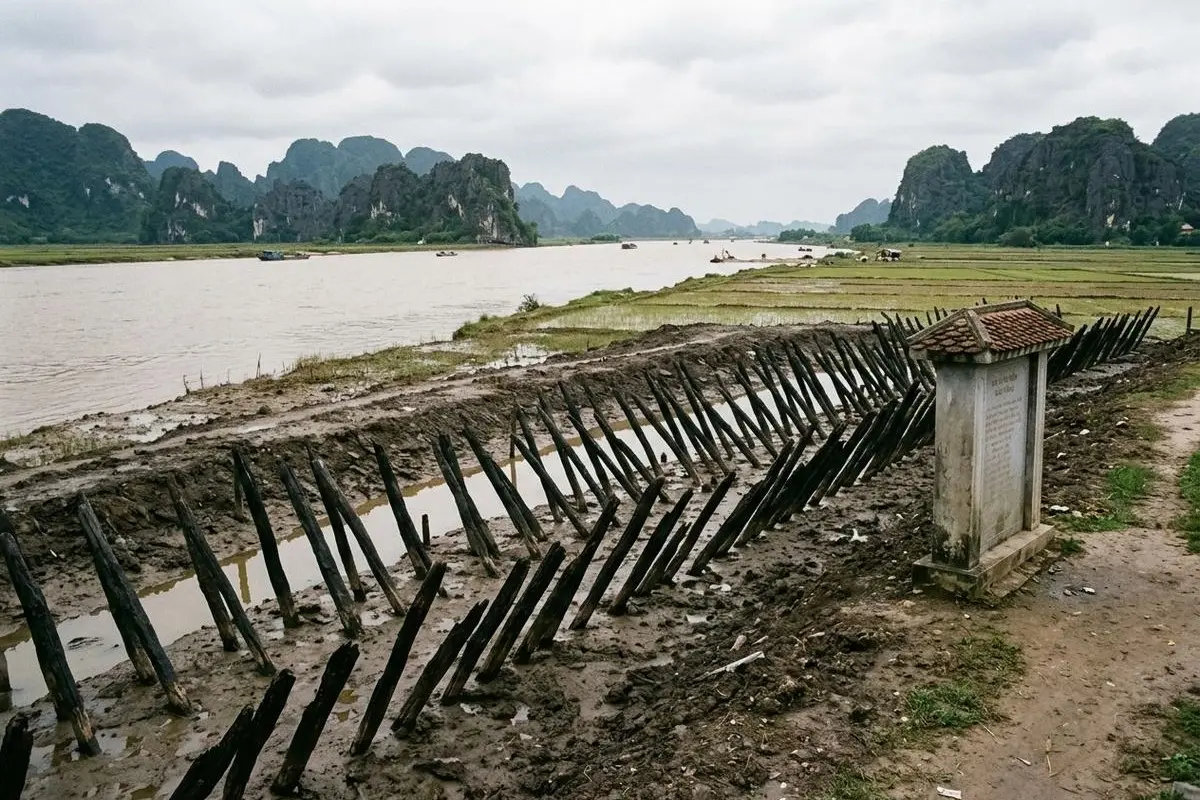
You can combine the coast with city history over a few days, or ask our team to link places into one route. For a taste of what a countryside ride feels like, read about our rural villages motorbike route.
A Simple Half Day Route For Do Son Beach Historical Sites
- Leave Haiphong city in the morning and ride along the coast road.
- Begin with a temple visit while the air is cool and the site is quiet.
- Walk or ride through the quieter villa streets and look at the old buildings from the road.
- Stop at a viewpoint to look toward the island and the sea.
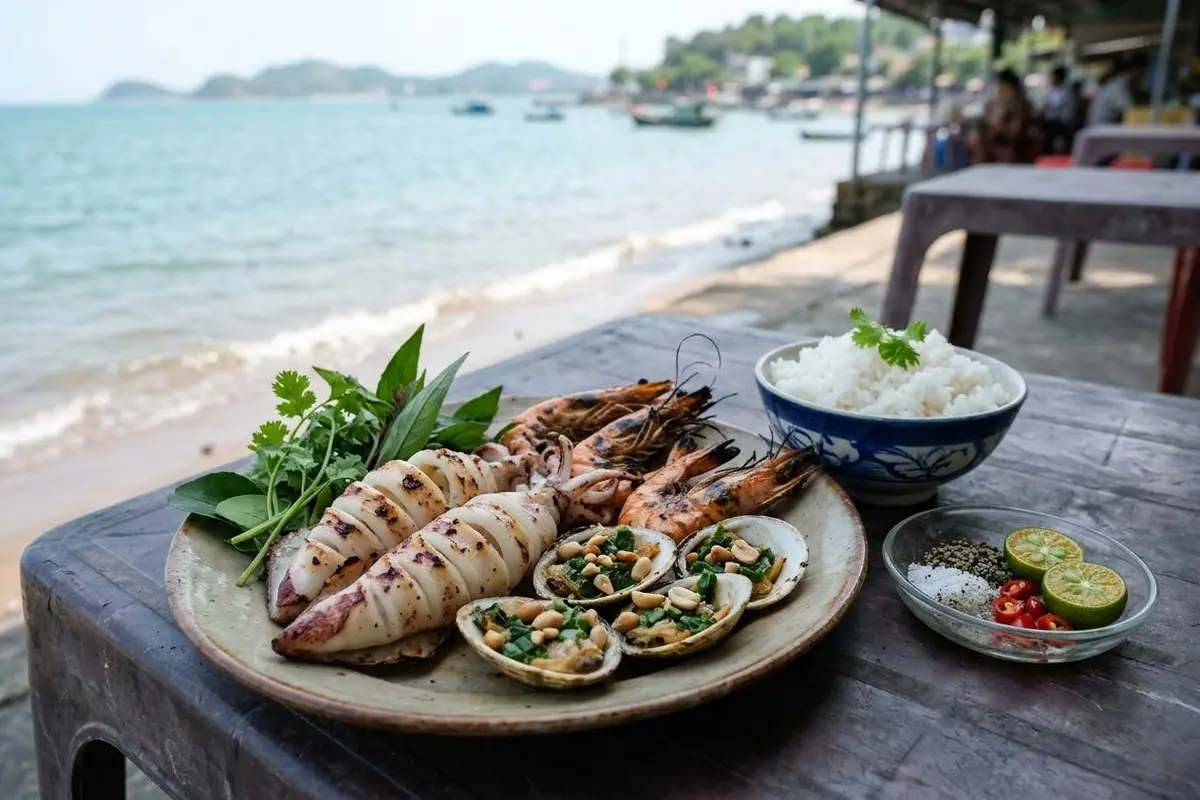
- Eat a seafood lunch in a busy eatery after checking prices.
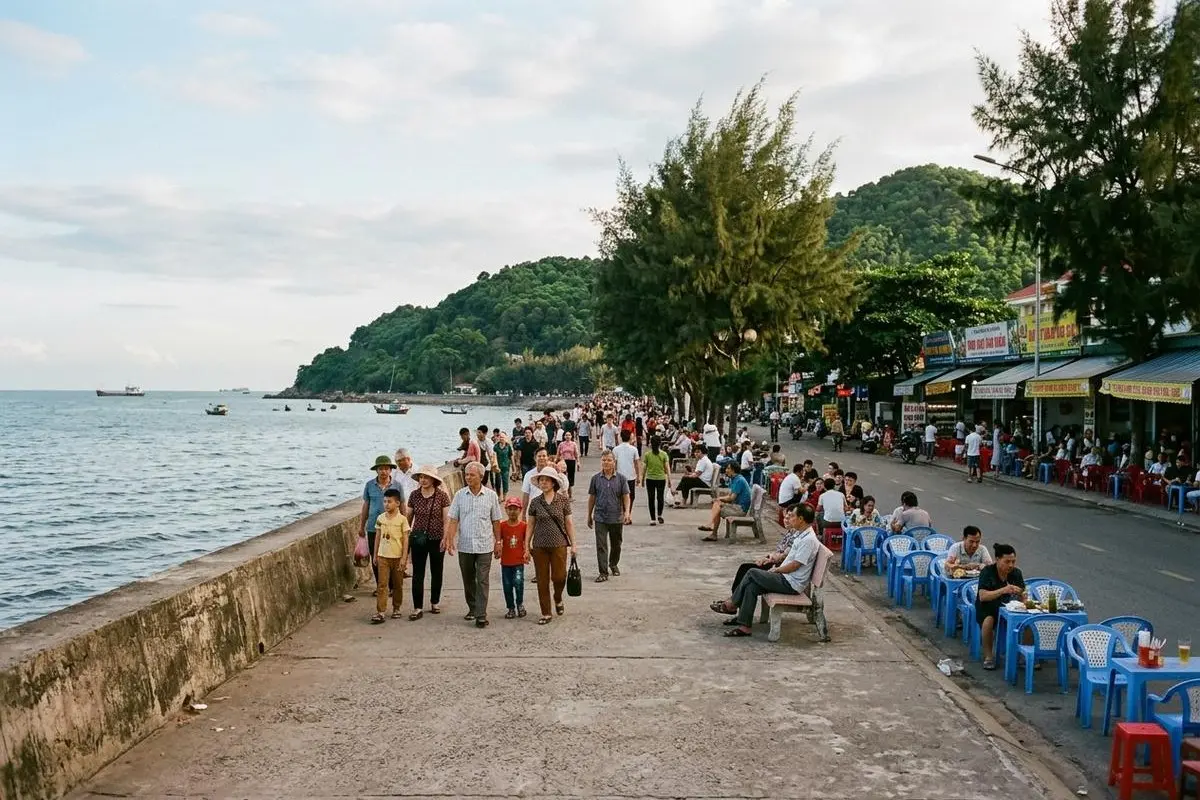
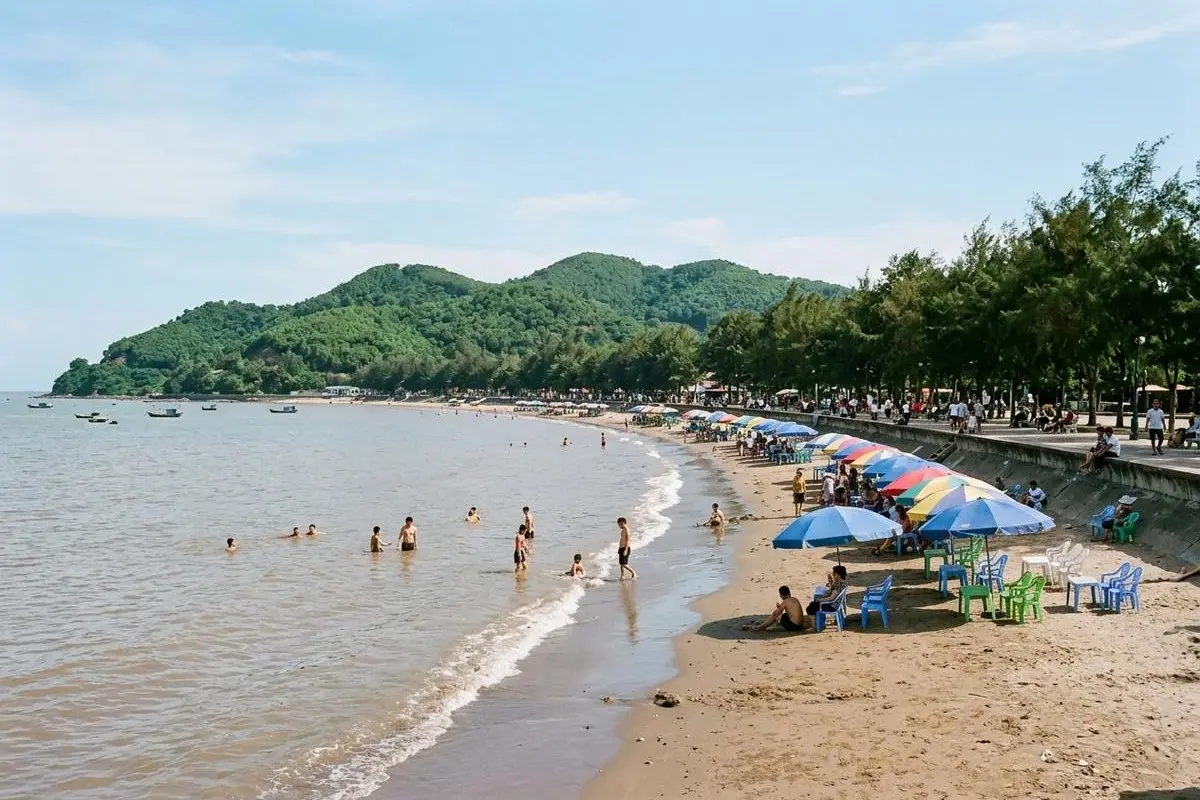
- Take a slow afternoon walk on the promenade before heading back.
The order can change depending on the weather and your energy. Most travellers enjoy two or three sites, a long lunch and plenty of time to sit and watch.
>>> My Haiphong Street Food Adventure Local Taste
Who Will Enjoy These Sites Most
History lovers, photographers and slow travellers will probably get the most from this route. Families with older children can also enjoy it, particularly when a guide turns stories into small games and questions. If your group includes very young children or travellers with limited mobility, choose sites with flat access and keep the schedule short.
If your main wish is a pure beach holiday, you can still add one short cultural stop and enjoy the rest of the day by the water. A single temple visit or a viewpoint at sunset often turns a simple trip into something you remember for years.
Extending The Trip Into A Full Day With Haiphong City
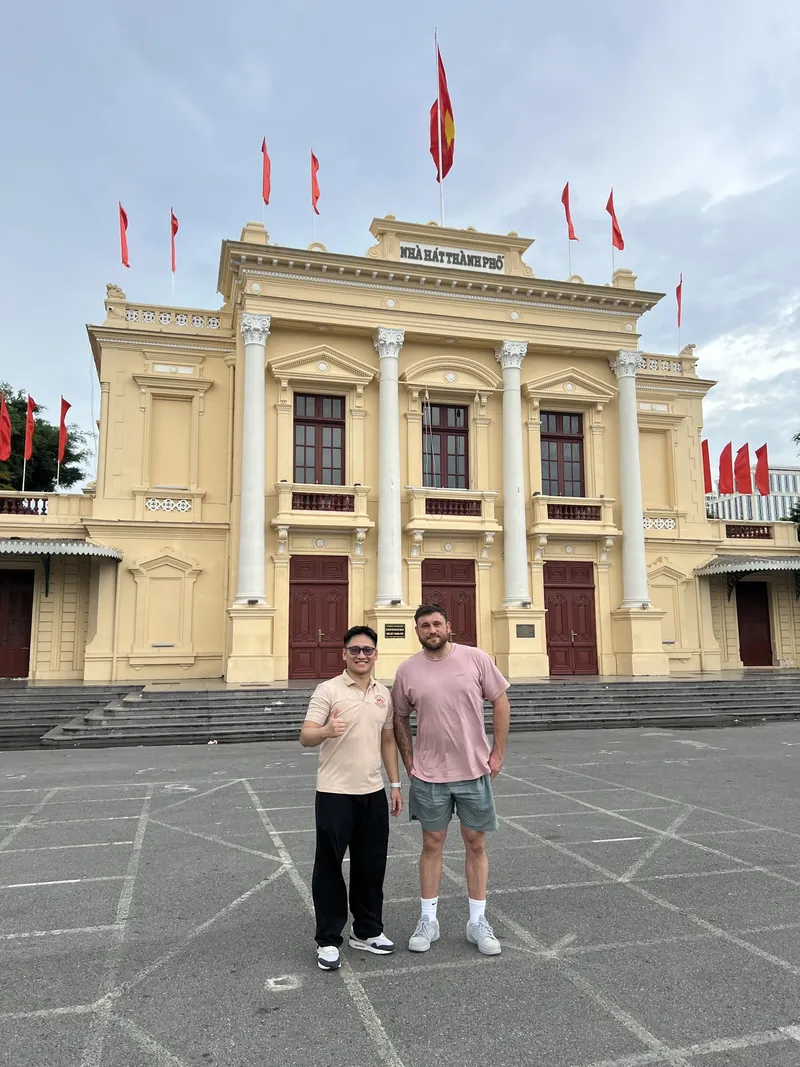
If you have a full day, start on the coast in the morning, return to Haiphong in the afternoon and finish with an old-town walk and a local meal. This pattern lets you see the contrast between the quiet peninsula and the busier port city. It also gives you a gentle introduction to the stories of trade, defence and holiday life that shaped the region.
Our team can build the route around your interests and the weather. Tell us whether you prefer temples, architecture, food or scenery, and we will suggest a rhythm that feels relaxed rather than rushed.
What To Bring And How To Prepare
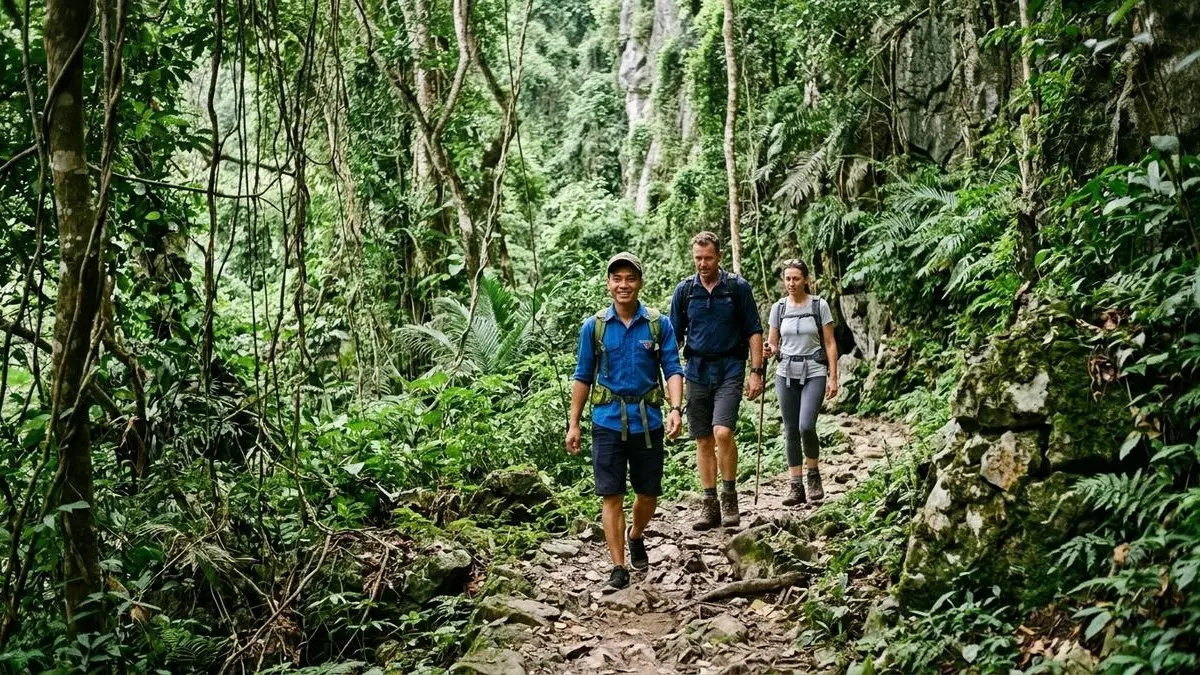
- Comfortable shoes for steps, slopes and uneven paths.
- A light scarf or shirt to cover shoulders in temples.
- Sun protection and a reusable water bottle.
- Cash in small notes for donations, snacks and parking.
- A phone with a translation app and offline maps.
- A small notebook to record stories you hear.
Opening hours, entry fees and rules at historical sites change often. Ask your hotel, your guide or the caretaker, and be ready to adapt if a site is closed or busy.
Tips For Photographers And Curious Travellers
Photography is welcome in many outdoor areas, but be careful inside temples. Some halls forbid photos, and people who are praying deserve privacy. Ask first, keep your flash off and avoid blocking doorways. Soft morning and late afternoon light is best for old walls, stone steps and sea views.
Questions are usually welcome. People who look after local sites often enjoy sharing stories, especially with visitors who show genuine interest. Learn a few polite phrases and a smile will do the rest.
>>> My Favorite Things To Do In Haiphong On Weekend
Common Mistakes To Avoid
- Visiting temples in beachwear or with uncovered shoulders.
- Treating shrines as photo props and ignoring people who are praying.
- Relying on a single source for dates and legends.
- Planning too many stops in one day.
- Forgetting that some sites close early or for ceremonies.
Slow, curious travel works best here. Choose a few places and give them time instead of racing through a checklist.
Frequently Asked Questions
Are there historical sites near Do Son beach?
Yes. The peninsula has temples, shrines, old villas and viewpoints, and a famous island with a lighthouse can be seen from the coast. Access and rules vary, so confirm locally.
Is it appropriate to visit temples in a tourist outfit?
Dress modestly. Cover shoulders and knees, remove your hat inside and keep your voice low.
Can I visit the lighthouse island?
Access depends on permissions, boat services and weather, and rules change. Check current information before you plan, and never travel in unsafe conditions.
How much time do I need?
A half day is enough for two or three stops and a relaxed lunch. A full day lets you add city sights.
Can Haiphong Adventure guide me to these sites?
Message us with your dates and interests. We can explain what is possible and adapt plans to the weather and local conditions.
Plan A Day Of Stories By The Sea
Do Son beach rewards travellers who look beyond the sand. A few temples, an old villa street and a distant lighthouse turn a simple trip into a story you can share. Go with respect, bring curiosity and let local people guide you.
Ready to explore the coast with a guide who knows the stories and the roads? Contact Haiphong Adventure and we will help you plan a day that matches your pace, your interests and the weather.
Contact us
WhatsApp: +84 (0)934.555.001
Viber, WeChat: +84 (0)934.555.001
KakaoTalk, Line ID: haiphongadventure