
Haiphong Street Food Culture What Makes It Unique
Haiphong street food is unique because it grew out of a working port: cheap, quick, crab-rich and built around the idea that a good meal should be eaten on a plastic stool within minutes of being cooked. If you only know Vietnamese food from Hanoi or Ho Chi Minh City, Haiphong will feel like a different chapter. The flavours are bolder, the seafood is more central and the dishes are often hard to find anywhere else in the country. This guide explains what shapes the local style, which dishes to look for and how to enjoy it like a local.
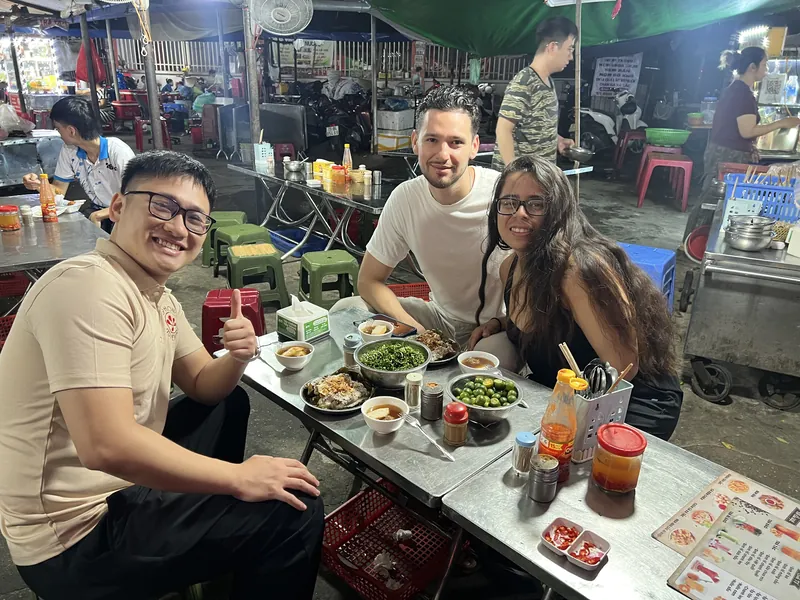
What Street Food Really Means in This City
In Haiphong, street food is not a tourist concept. It is how the city eats. Offices empty out at lunchtime into small stalls, families stop for a snack on the way home, and students gather around late-night grills. Many vendors specialise in one dish and have made it for years, sometimes across generations.
That specialisation is the first thing that sets it apart. A stall that sells one bowl of noodle soup tends to do it very well, because the whole business depends on that single recipe. You will rarely find a long menu. You will find a short sign, a steaming pot and a line of regulars.
If you want a wider picture before you go, our personal account of a Haiphong street food adventure with local tastes shows what a first day of eating can look like.
A Port City Shapes the Menu
Haiphong has been a harbour city for a long time, and its cooking reflects that. Fresh seafood, river produce and the practical needs of dock workers all left their mark. Food had to be filling, affordable and fast, and that is still true today.
The coast and the nearby delta supply crabs, shrimp, squid and shellfish, and these ingredients appear in dishes that visitors often describe as sweeter and cleaner in flavour than they expected. Noodles, rice, herbs and light broths carry the seafood without covering it. The result is food that feels simple but rewards attention.
Because the city is also an industrial and trading hub, people eat out often. That keeps the competition high and the standards honest. A stall that serves poor food does not last long on a street where five other options are a few steps away.
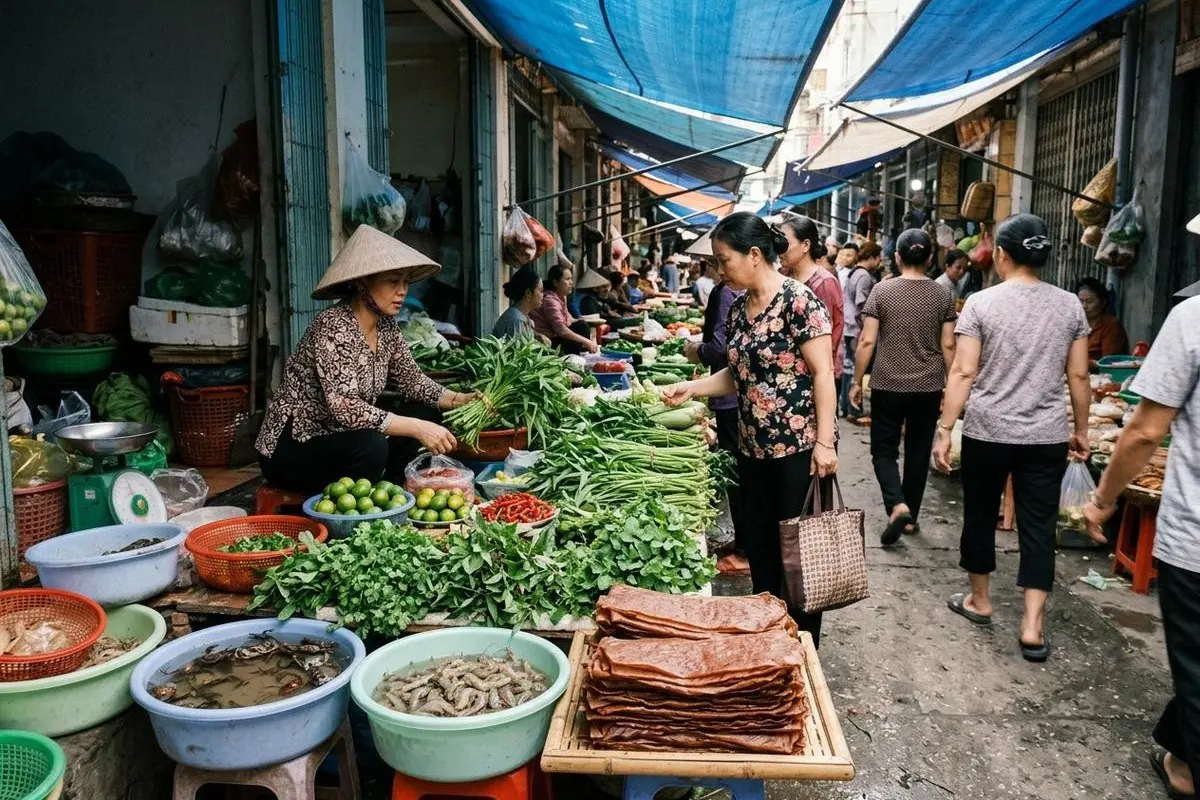
Crab Is the Signature Ingredient
If one ingredient defines Haiphong street food, it is crab, usually the small field crab that is pounded and cooked into a rich, savoury stock. You will see it in the city’s best-known dishes, and it is worth tasting at least twice during a visit.
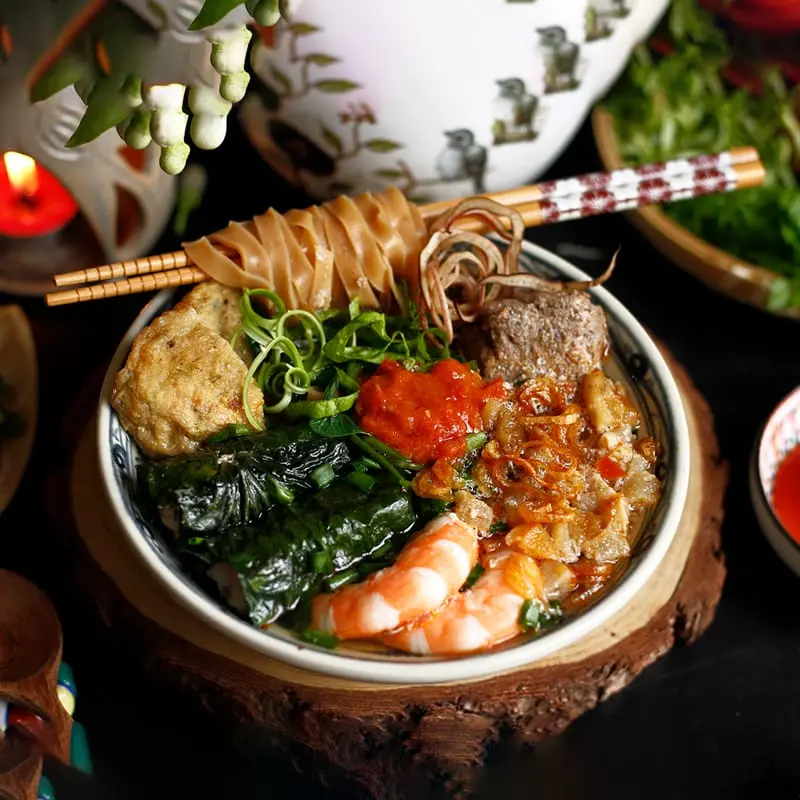
Banh da cua, the city’s famous noodle soup
Banh da cua is a bowl of flat, reddish-brown noodles in a crab-based broth, topped with crab paste, fried shallots, herbs and sometimes extras such as fried spring rolls or pork. It is the dish most people mean when they talk about Haiphong food. The broth is full of crab flavour but not heavy, and the noodles have a pleasant chew.
It is usually eaten for breakfast or lunch, and it is best at a small stall where the pot is always full. Ask for the version you prefer, with or without added toppings, and add chilli or lime at the table to taste.
Nem cua be, the square crab spring roll
Nem cua be is a square-shaped fried roll filled with crab and other ingredients. Crisp outside and soft inside, it is usually served with herbs and a dipping sauce. Locals often eat it as a snack, and it also appears on tables at celebrations.
>>> Secrets To Enjoying A Real Haiphong Food Tour
Beyond Crab With Bread, Noodles and Snacks
Crab gets the attention, but the rest of the street menu is just as interesting. These are the other items worth hunting down.
Banh mi cay, the spicy baguette
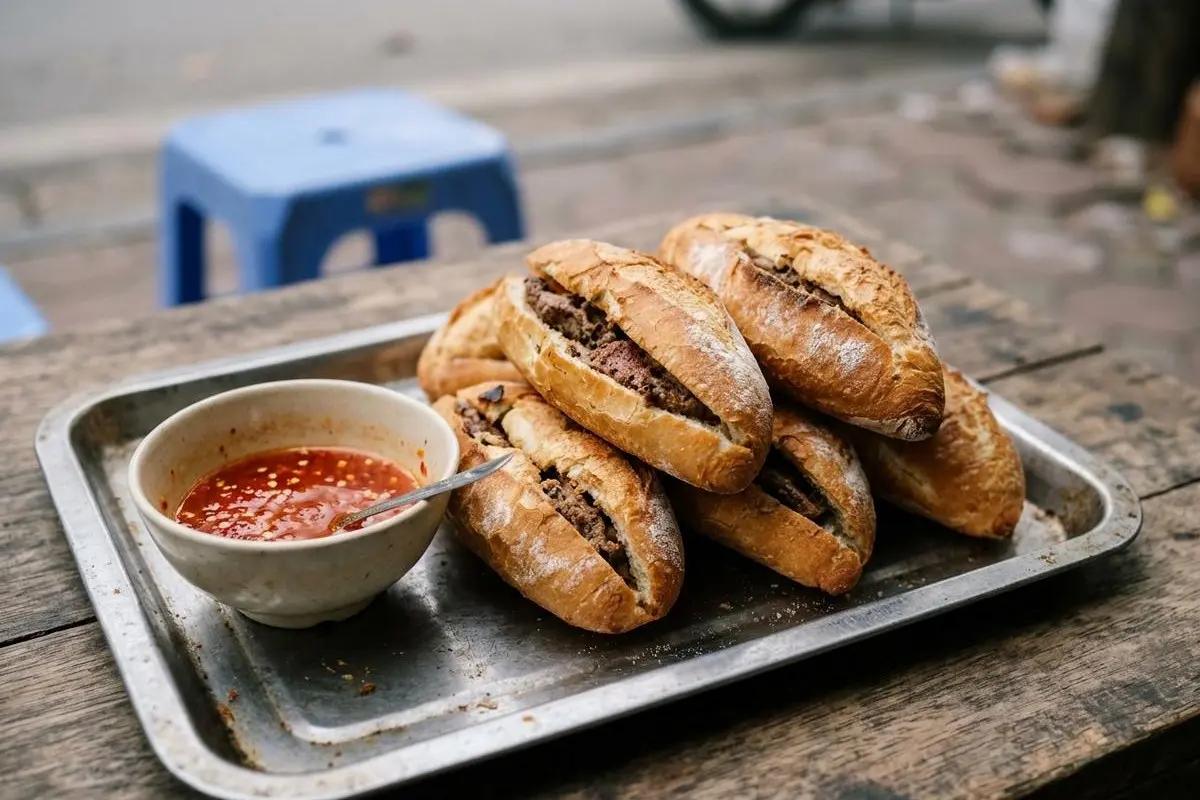
Haiphong is known for a small, thin, very crisp baguette served with a spicy sauce and a simple filling. It is a quick bite, cheap and addictive. The heat is part of the identity, so tell the vendor if you want it milder. This is a perfect snack between longer meals.
Bun cha and grilled meats
Grilled pork with noodles and herbs exists in many Vietnamese cities, but the Haiphong version has its own character, often served with the local crab spring rolls. Look for places where the grill is smoking and the queue is local, and the standard is usually good.
Sea snails, shellfish and evening grills
Evening is the time for shellfish, snails and grilled seafood served with dipping salts and sauces. Order small plates and share, which lets you taste more without filling up on the first dish. Ask about price per portion before ordering, particularly with seafood sold by weight.
Sweet drinks and desserts
Finish with something cold. Iced tea and sweet desserts with coconut milk, jelly or beans are common across the city, and they balance the savoury, salty and spicy elements of the meal.
Recommended tour
The Haiphong Street Food and City Tour
Taste local specialities with a guide who knows the stalls, the order of dishes and how to eat them, while seeing the city between stops.
From $85 per person (reference price, updated October 2026)
The Daily Rhythm of Eating in Haiphong
One reason the food tastes so good is timing. Many dishes belong to a particular part of the day, and vendors sell them when they are at their best.
- Morning: noodle soups, sticky rice and baguettes. Many stalls sell out by late morning.
- Midday: rice plates, grilled meats and noodle dishes for office workers.
- Afternoon: snacks, sweet drinks and light bites.
- Evening: grills, shellfish and social eating that continues late.
Operating hours change by stall and season, so treat these as general patterns, not fixed rules. If a stall has closed, a better one is usually close by.
The Setting Is Part of the Flavour
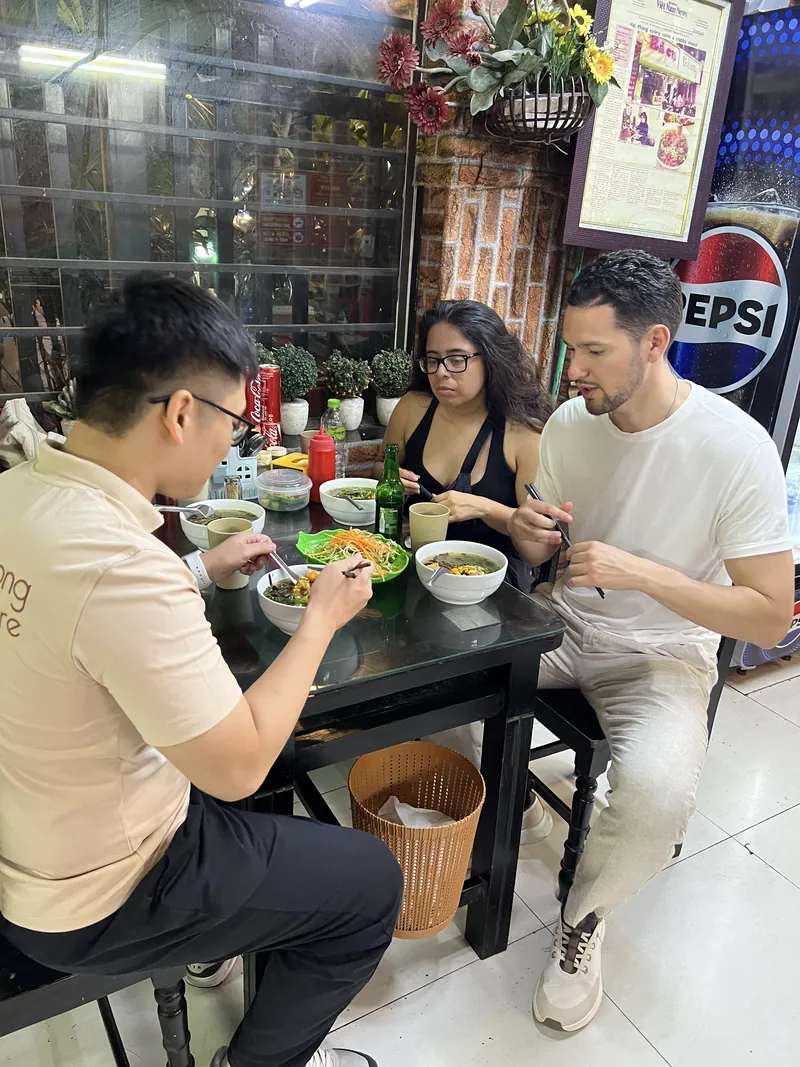
Do not expect fancy furniture. Low plastic stools, metal tables, a pot on a gas burner and a tray of herbs define the scene. Plates are quickly rinsed, chopsticks wait in a cup and the food arrives fast. The atmosphere is casual and social, and eating this way is a big part of the pleasure.
The simple setting also keeps prices modest. You pay for the food, not the decor. Prices change over time, so we do not quote figures here, but visitors are regularly surprised by how affordable a full meal can be.
If you want ideas for the rest of your visit, our list of things to do in Haiphong on a weekend pairs well with a day of eating.
A Sample Day of Street Eating
To see how these dishes fit together, here is a relaxed one-day plan. Keep portions small so you can taste more, and remember that stall hours vary.
Breakfast: a bowl of crab noodle soup
Start early at a stall known for banh da cua. Order a regular bowl, taste the broth first and then add herbs, chilli or lime. Finish with a hot or iced tea and take a short walk to let the meal settle.
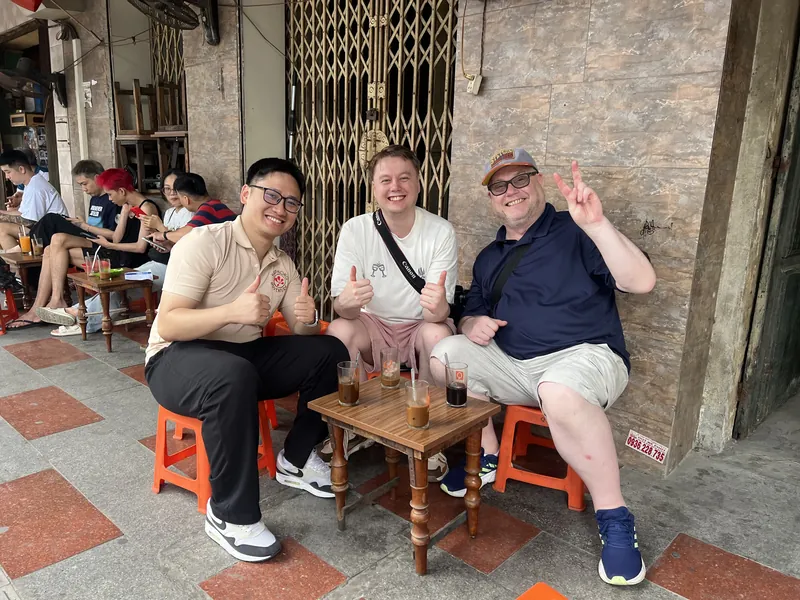
Mid-morning: coffee and a quiet street
Local coffee is strong and often sweetened, and it is a good excuse to sit and watch the street. Ask for less sugar if you prefer. Many cafes sit on side streets away from the main roads, which makes them a pleasant place to rest.
Lunch: grilled pork and noodles
For midday, look for a busy grill with a local queue. A plate of noodles, herbs and grilled meat is filling and quick. If you want to try the square crab rolls, this is a good moment, shared between two or three people.
Afternoon: a spicy baguette and something sweet
A small baguette with spicy sauce is the perfect snack, followed by a cold dessert or iced tea. Keep this stop short, because the evening is the main event.
Evening: shellfish and shared plates
As the temperature drops, grills and shellfish stalls fill up. Order several small plates, share them around the table and add dipping salt, chilli and lime to taste. Take your time, since the evening is meant to be social.
>>> My Haiphong Street Food Adventure Local Taste
Common Misunderstandings About Street Food
Many first-time visitors arrive with a few ideas that do not quite match reality.
- “Street food is all spicy.” Not true. Heat is usually optional and added at the table.
- “It is only for budget travellers.” Not true either. Locals of every income eat on the street because the food is good.
- “One dish is enough.” Haiphong’s variety is the point. Several small dishes teach you more than one big meal.
- “Tourists must stay near the main streets.” Some of the best stalls sit on small side streets and lanes, so be curious.
Keeping an open mind is the best preparation. Most vendors are friendly, patient and happy to see a curious visitor.
Eating Well and Staying Comfortable
Most travellers eat on the street without problems, and a few simple habits help. Choose busy stalls where food is cooked fresh and turns over quickly. Prefer dishes that are served hot. Wash or sanitise your hands before eating and keep a small pack of tissues with you, since napkins are basic. Drink bottled or boiled water, and avoid ice if you are unsure of its source.
Give your stomach time to adjust if you are new to the region, and begin with milder dishes on the first day. If you have a medical condition or a sensitive stomach, speak to your doctor before travelling. Local pharmacies are common and helpful, and your hotel can point you to the nearest one.
Simple Etiquette for Eating Like a Local
There are no strict rules, but a few habits help you blend in.
- Sit where you see space, then wait for the vendor to come to you or order at the counter.
- Add herbs, chilli, lime and sauces to your own taste after tasting the broth.
- Share dishes where possible so you can taste more of the menu.
- Keep small notes ready for payment and settle when you finish.
- Say thank you with a smile. It goes a long way.
Pointing, smiling and a few simple words are usually enough. Many vendors have served visitors before and will happily guide you.
Useful Vietnamese Words for Ordering
You do not need to speak Vietnamese to eat well, but a few words make every stop friendlier. Vendors usually appreciate the effort, even if your pronunciation is not perfect.
- Cho tôi một bát này means “One bowl of this, please.” Point at the pot or a neighbour’s bowl as you say it.
- Không cay means “not spicy”, and ít cay means “a little spicy”.
- Ít đường means “less sugar”, useful for coffee and sweet drinks.
- Bao nhiêu tiền? means “How much is it?” Ask this before ordering seafood sold by weight.
- Tôi bị dị ứng hải sản means “I am allergic to seafood.” Write it down if your allergy is serious.
- Cảm ơn means “thank you”, and ngon quá means “very delicious”.
Save these phrases on your phone so you can show the screen if needed. Combined with a smile, they open doors at almost any stall.
How It Differs From Hanoi and Other Cities
Hanoi is famous for pho and bun cha, while Ho Chi Minh City is known for its huge variety and sweeter profiles. Haiphong stands out for its crab-forward dishes, its fondness for spice and its strong sense of local pride. Visitors who pass through quickly often miss this, so it is well worth staying a night.
The city also feels less touristy than Hanoi, which means you are more likely to eat alongside locals and less likely to meet menus written for visitors. That is one of the biggest charms of eating here.
For deeper cultural context on the wider city, see our guide to cultural things to do in Haiphong.
Dietary Needs and Allergies
The local menu is heavy on seafood, pork and fish sauce, so travellers with allergies or dietary restrictions should plan carefully. Shellfish allergy is the most important to flag, because crab appears in many dishes, including some that look like plain broth.
Learn a few key phrases or carry a translated card that lists your allergies. Vegetarians can find rice, vegetables, tofu and fruit, but should expect to ask about fish sauce and meat-based stock. If your restrictions are strict, a guided food tour is a safer way to eat, since a guide can speak to vendors for you.
Tasting Street Food on a Motorbike Tour
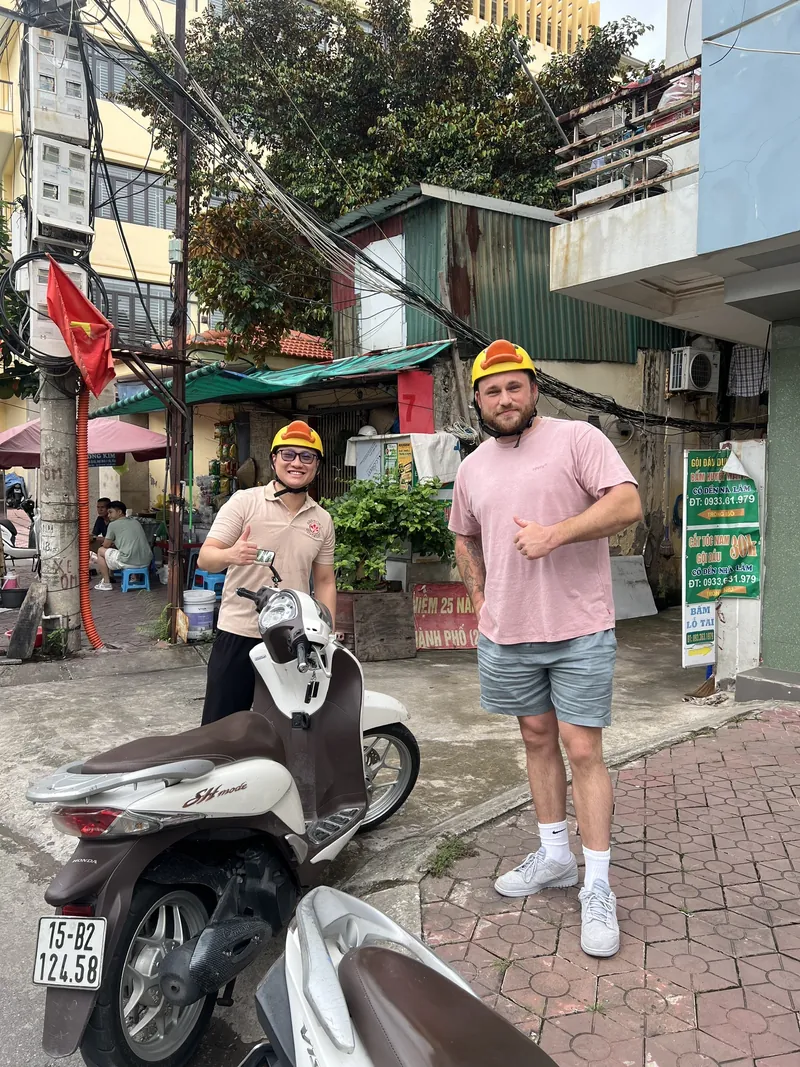
Haiphong’s best stalls are spread across the city, from busy central streets to quiet residential lanes. Walking between them is pleasant for a few blocks, but covering several neighbourhoods on foot takes time. That is why many visitors combine eating with a ride on the back of a motorbike, the way locals move around.
On a guided ride, you sit as a passenger while a local rider handles the traffic. You stop when a dish is at its best, park right next to the stall and let the guide handle the ordering. Depending on the route, you may also pass landmarks such as the Opera House or the old swing bridge, so the city and its food start to make sense together.
Ask questions at every stop. A guide can explain why a broth tastes the way it does, which herbs go with which dish and how families eat at home. That kind of local context is hard to find in a guidebook.
How to Start Your First Day of Eating
A simple plan works best. Begin with a crab noodle soup for breakfast, take a light snack around midday, and save the evening for grills and shared plates. Walk between stops to make room for the next dish, and drink water regularly in warm weather.
If you only have a short time, one guided tour covers more ground than a day of searching alone. If you prefer to explore on your own, choose one neighbourhood, follow the crowds and keep the first day relaxed. The best discoveries often come from a stall you were not looking for.
Our own Haiphong tours include food-focused routes for visitors who want local guidance, with a guide who knows which stalls are open and what to order.
FAQ About Haiphong Street Food
What is the one dish I must try?
Banh da cua is the usual answer. It is the city’s best-known noodle soup and a good introduction to the crab flavour that defines the local style.
Is Haiphong street food spicy?
Some items, such as the local baguette, can be spicy, but most dishes let you control the heat at the table. Ask for less spice if you are unsure.
When is the best time to eat?
Mornings are best for noodle soups, and evenings are best for grills and shellfish. Hours change by stall, so ask locally.
Is it good for vegetarians?
It is harder than in some cities because stock and sauces often contain meat or fish. A guide or a translated card helps a great deal.
Do I need a guide?
No, but a guide makes ordering easier, explains the dishes and helps you reach the best stalls in a short time.
Come Hungry and Ask Us for Help
Haiphong street food is simple, local and full of character, and it is best enjoyed with an open mind and an empty stomach. If you would like help building a food route or booking a guided tour, the team at Haiphong Adventure is happy to advise, and you can also browse our Haiphong tours with local guides for current options.
Contact us:
WhatsApp: +84(0)934.555.001
Viber, WeChat: +84(0)934.555.001
KakaoTalk, Line ID: haiphongadventure