Significance Of Haiphong Opera House To Locals
The Haiphong Opera House is far more than a pretty French building. For local people it is the symbolic heart of the city: a landmark of the colonial era, a place tied to the struggle for independence, the stage for the city’s biggest celebrations and, every evening, a favourite meeting spot for families, friends and couples. To understand Haiphong, you need to understand why this theatre matters so much to the people who live around it.
In this guide, the Haiphong Adventure team explains the history of the haiphong opera house, the roles it plays in local life today, the festivals held around it and how to visit respectfully. Event dates and opening arrangements change, so treat practical details as general guidance (updated October 2026).
A French-Era Landmark In The City Centre
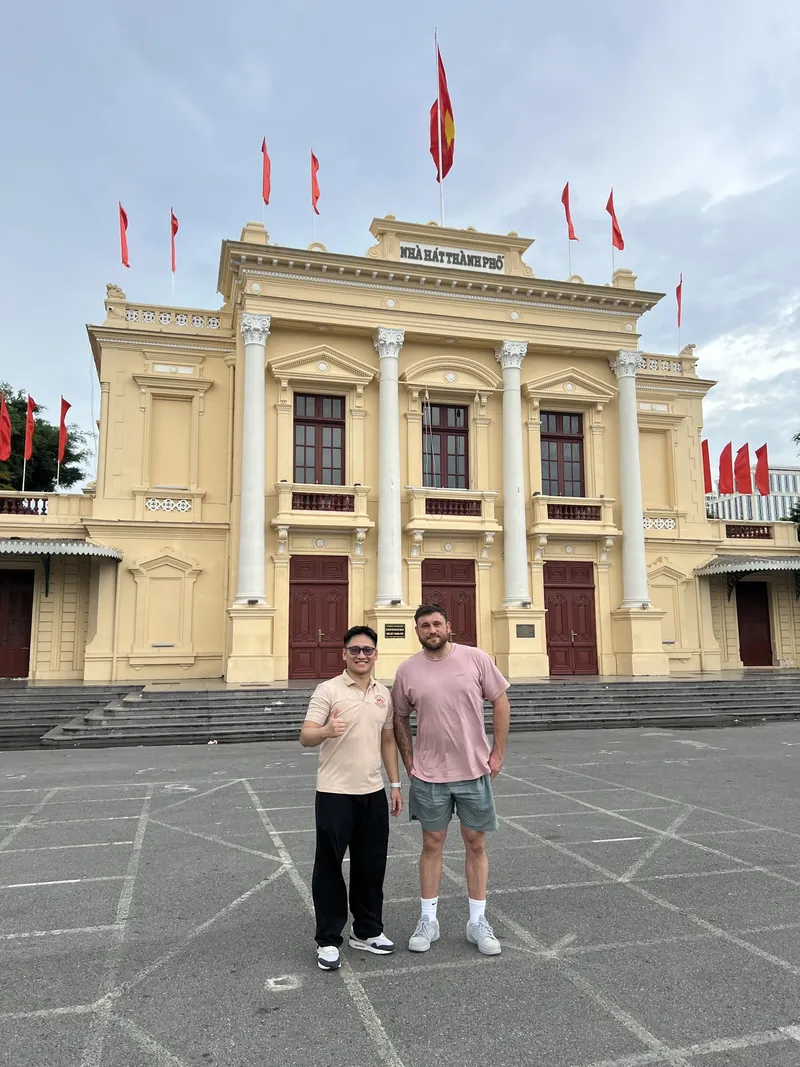
The Haiphong Opera House was built by the French administration in the early twentieth century and completed around 1912, at a time when Haiphong was growing fast as northern Vietnam’s main seaport. Like the opera houses of Hanoi and Saigon, it was designed in a European neoclassical style, with columns, arched windows, decorative mouldings and a grand facade facing an open square.
For the colonial city, the theatre was a statement of status and culture. Today it remains one of the best preserved French buildings in Haiphong and is often painted in warm cream and yellow tones that glow at sunset. It sits close to other landmarks of the period, so a short walk links it with tree-lined boulevards, the Cam River and historic public buildings.
Architectural details to notice
- The colonnaded facade with tall columns supporting the upper level.
- Arched doors and windows that give the building its elegant rhythm.
- Decorative reliefs and cornices typical of European theatres of the era.
- The open square in front, designed for crowds and public gatherings.
A Symbol Of The Struggle For Independence
For many older residents, the Opera House is remembered less as a colonial theatre and more as a place connected with the city’s fight for independence. During the turbulent 1940s, the building and its square were the setting for important gatherings and for fighting in defence of the city, events that are still marked in local commemorations and school lessons.
This is why the square is used for flag-raising ceremonies, anniversaries and civic events, and why locals speak about the building with genuine pride. When you stand in front of it, you are standing in a place that helped shape modern Haiphong’s identity as a determined, resilient port city.
If you are curious about the wider story, our article on cultural things to do in Haiphong suggests museums, temples and historic sites that add context to a visit.
>>> Cultural Things To Do In Haiphong You Must Try
The Stage For The City’s Biggest Celebrations
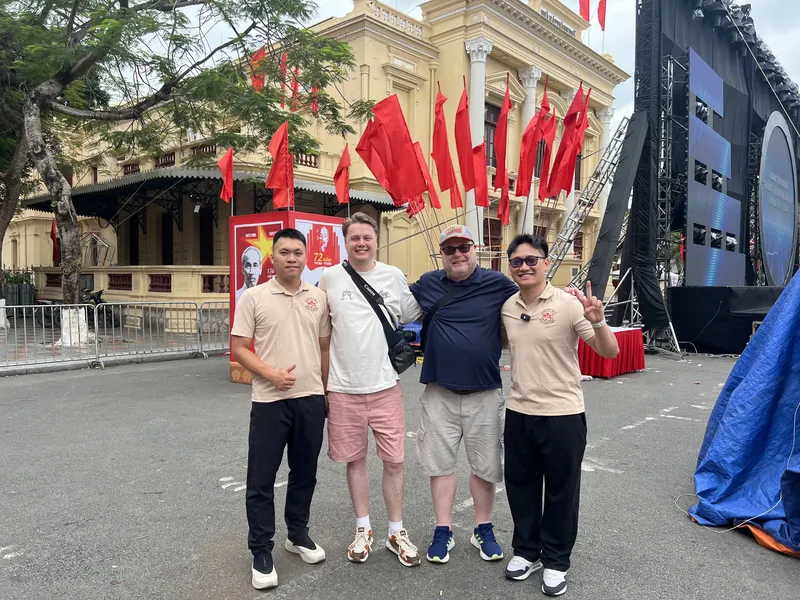
When Haiphong celebrates, it usually does so around the Opera House. The square and surrounding streets host concerts, art performances, light displays and festival events throughout the year.
- The Red Flamboyant Flower Festival: Haiphong is known as the city of red flamboyant flowers, which bloom in early summer. The festival, usually held around May, brings performances and events to the city centre, with the Opera House area at its heart.
- Lunar New Year (Tet): in the days before Tet, the streets near the theatre fill with a colourful flower market where families buy peach blossoms, kumquat trees and potted flowers.
- National holidays and city anniversaries: stages, flags and lights appear for concerts, parades and ceremonies.
Exact dates and programmes change every year, so check local announcements or ask your guide if you hope to see a particular event.
A Living Venue For Performances
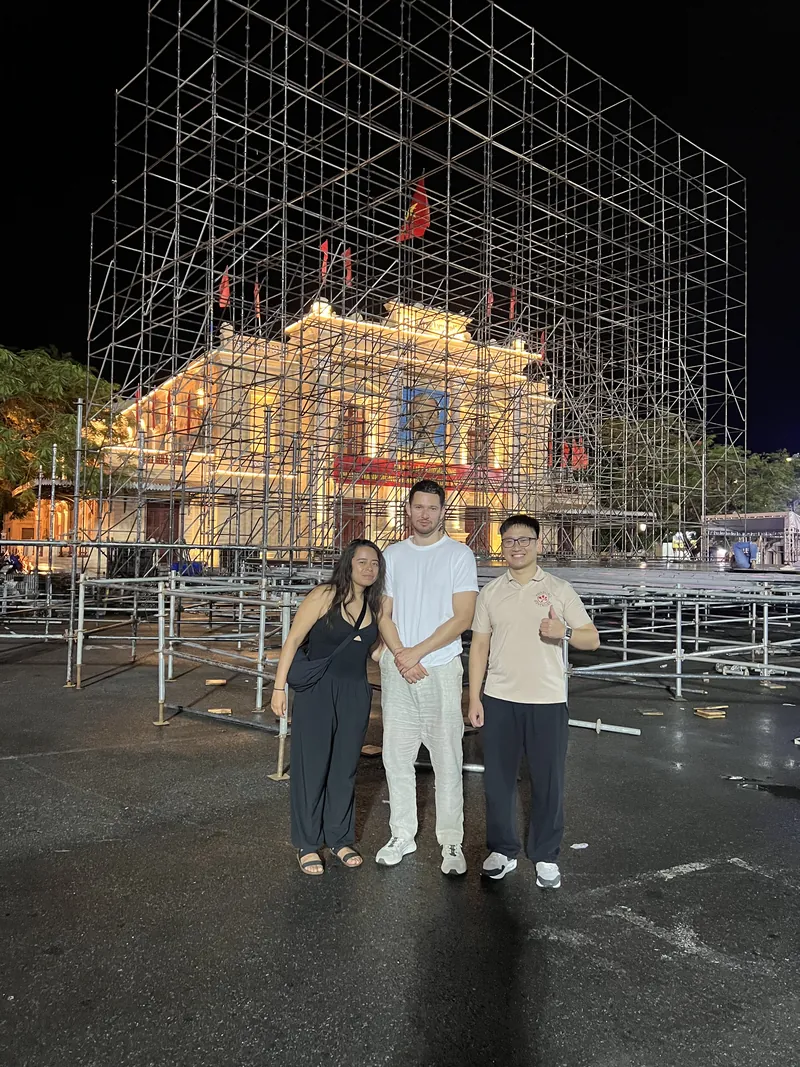
Unlike some historic theatres that have become museums, the Haiphong Opera House still works as a venue. It is used for concerts, traditional and modern art performances, official meetings and important city events.
The interior is generally open only during performances and official occasions, so most visitors admire the building from the outside. If you would like to see a show, ask your hotel or guide whether anything is scheduled during your stay. Even if you do not understand the language, a traditional music or theatre performance can be a memorable cultural experience.
Recommended tour
Taste of Old Haiphong
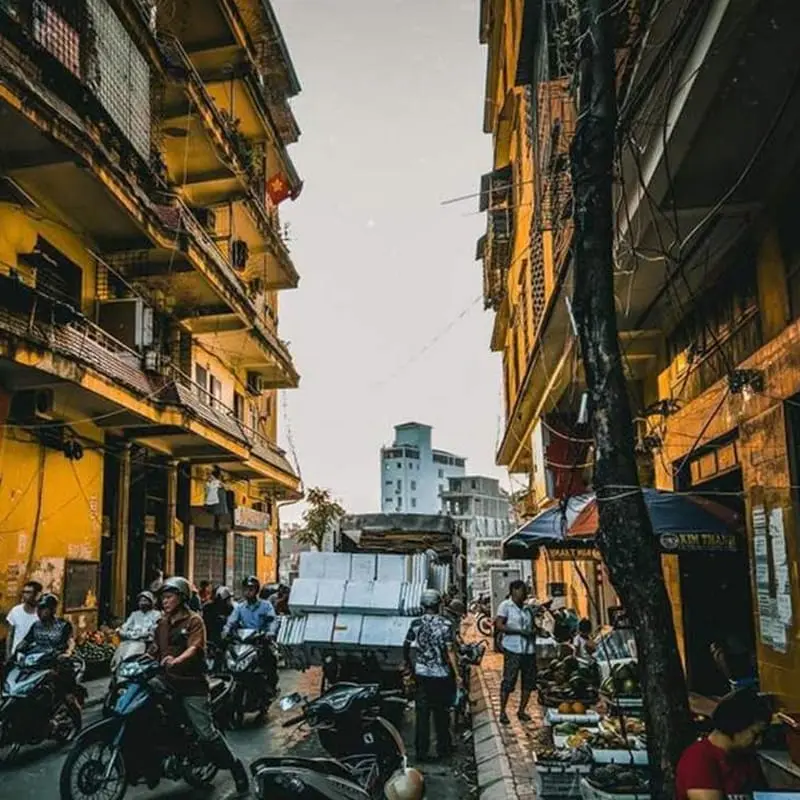
Explore the old centre around the Opera House with a local guide, from colonial streets and markets to the dishes locals grew up with.
From $79 per person
The Everyday Living Room Of Haiphong
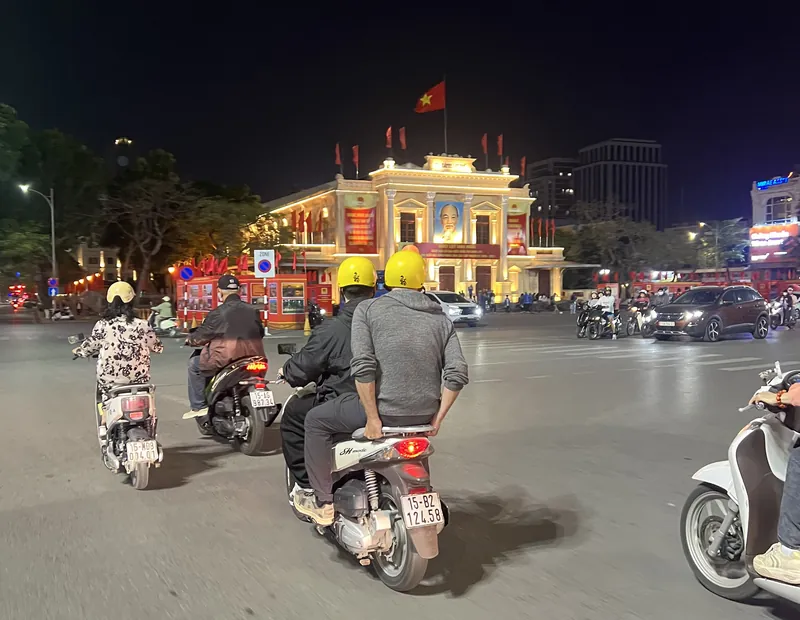
Perhaps the most touching role of the Opera House is the simplest one. On ordinary evenings, the square in front of it becomes a giant open-air living room. As the heat of the day fades, families bring children to ride small electric cars, teenagers practise dance routines, retirees gather for group exercise and couples take photos under the lights.
For locals, meeting at the Opera House is a habit passed down through generations. Parents who once dated on the square now bring their own children there. It is free, central and welcoming to everyone, which is exactly why it feels so important.
When to see local life
- Early morning: joggers, walkers and exercise groups enjoy the cooler air.
- Late afternoon: soft light on the facade, ideal for photos.
- Evening: the busiest and most atmospheric time, especially on weekends.
A Point Of Reference In The City
Ask a Haiphong local for directions and there is a good chance the Opera House will appear in the answer. It is the city’s natural compass point. Streets, cafes and shops are often described by their distance from it, and many city tours, parades and celebrations start or finish nearby.
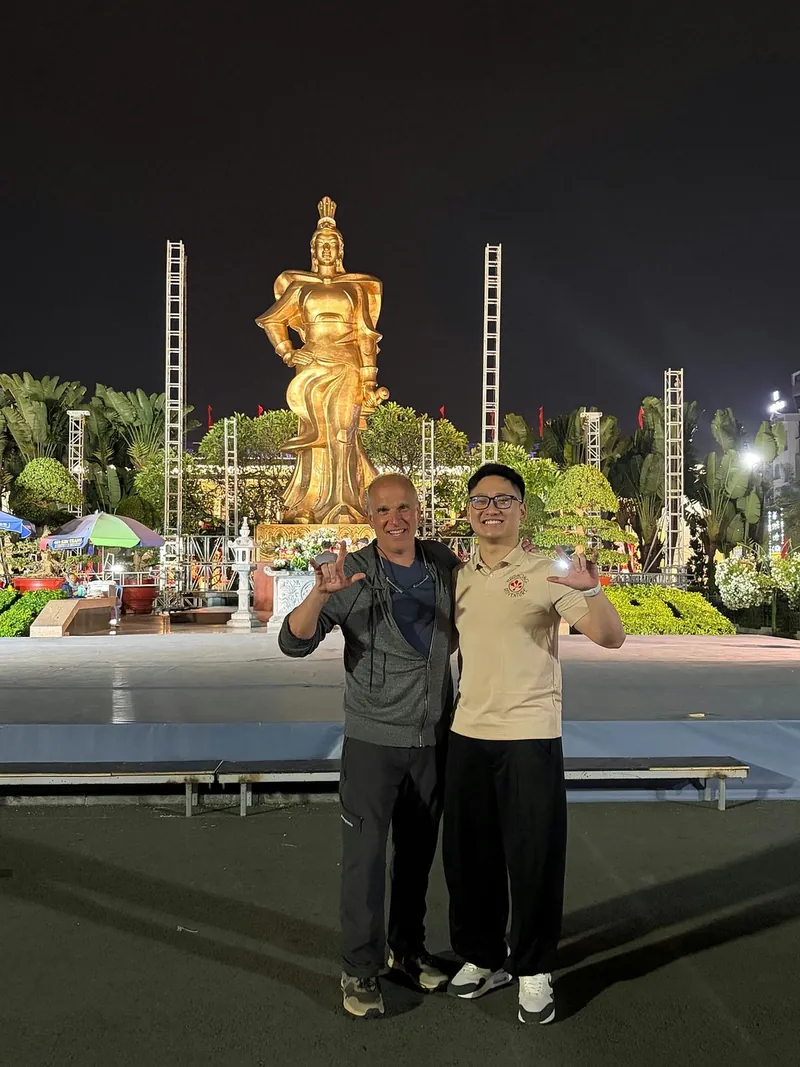
For visitors, this makes it the perfect starting point. From the theatre you can walk to colonial streets, the riverside, markets and the golden statue of Le Chan, the legendary female general credited with founding the settlement that became Haiphong. Our half-day Haiphong tour itinerary shows how to link these sights in a single morning or afternoon.
>>> Half-Day Haiphong Tour: The Ultimate 4-Hour Itinerary
A Backdrop For Life’s Big Moments
Wedding couples in elaborate dresses and suits, graduates in gowns and families celebrating milestones all choose the Opera House as a backdrop. Being photographed in front of it is a way of saying this moment happened in Haiphong.
If you see a photo shoot in progress, give the couple space and avoid walking through their frame. A smile and a congratulations, or chuc mung in Vietnamese, is always welcome.
How Visitors Can Experience The Opera House Respectfully
- Visit in the evening to see the square at its liveliest.
- Respect ceremonies. During flag-raising or official events, stand quietly and follow what locals do.
- Ask before photographing people, especially children and elderly residents.
- Keep the square clean and use bins for drinks and snacks.
- Mind traffic when crossing the busy streets around the square.
- Combine your visit with nearby street food and a riverside walk.
The square is free to enjoy at any time, making it one of the best free things to do in Haiphong for budget travellers.
>>> Free Things To Do In Haiphong For Budget Travel
Why It Matters For Your Visit
Understanding the Opera House helps you understand Haiphong itself. The building tells the story of a port city shaped by colonial trade, a people proud of their fight for independence and a community that still gathers in public space every evening. Seeing it through local eyes turns a quick photo stop into a meaningful experience.
| Role | What it means to locals |
|---|---|
| Architectural landmark | A cherished French-era building in the city centre |
| Historic site | A place linked to the struggle for independence |
| Festival stage | Home of flower festivals, concerts and anniversaries |
| Performance venue | A working theatre for art and official events |
| Public square | The city’s everyday meeting place |
Frequently Asked Questions About The Haiphong Opera House
Can tourists go inside the Haiphong Opera House?
Usually only during performances or official events. Most visitors enjoy the facade and the square, which are open to everyone.
When was the Haiphong Opera House built?
It was built in the early twentieth century during the French period and is generally dated to around 1912.
What is the best time to visit?
Late afternoon for photos in soft light, and evening for the liveliest local atmosphere on the square.
Is there an entrance fee?
There is no fee to visit the square or view the building from outside. Tickets are only needed for scheduled performances.
Do haiphong tours include the Opera House?
Yes. Most city, food and night tours with Haiphong Adventure pass by or stop at the Opera House because it is the heart of the centre.
See The Heart Of Haiphong With A Local Guide
The best way to appreciate the Opera House is with someone who grew up around it. Join the Haiphong Adventure team for a city, food or night tour, and our local guides will share the stories, traditions and everyday moments that make this landmark so special to Haiphong people.
WhatsApp, Viber, WeChat: +84(0)934.555.001
KakaoTalk, Line ID: haiphongadventure