Deep Water Soloing Lan Ha Bay: Climb Cliffs Above the Sea
Deep water soloing in Lan Ha Bay means climbing limestone sea cliffs with no rope and no harness, then letting go and dropping into the warm water below. It is one of the most exciting things you can do near Haiphong, and Lan Ha Bay, just off Cat Ba Island, is one of the best places in Asia to try it. You need to be a confident swimmer and go with an experienced local guide, but you do not need to be an expert climber. This guide explains how it works, when to go, how safe it is and how to plan your day.
We are Haiphong Adventure, a local team that helps international visitors plan Haiphong tours, Cat Ba trips and bay days. Many of our guests ask about “that climbing where you fall into the sea”, so here is everything we tell them before they book.

What Is Deep Water Soloing?
Deep water soloing, often shortened to DWS or called psicobloc, is a form of rock climbing where the sea replaces the rope. You climb a cliff that hangs over deep water. When you reach the top of the route, get tired or slip, you simply fall or jump into the sea, swim back to the boat and try again.
| Feature | Deep water soloing | Normal sport climbing |
|---|---|---|
| Safety system | Deep water below you | Rope, harness and belayer |
| Gear | Climbing shoes and chalk | Rope, harness, quickdraws, helmet |
| Access | By boat or kayak | By foot to the crag |
| Key skill | Calm falling and swimming | Rope work and communication |
| Main risk | Bad landings and shallow water | Gear or belay mistakes |
The feeling is very different from rope climbing. Without gear clipping, you move freely and focus only on the rock. The drop at the end is part of the fun, and many people say it is the most memorable moment of their trip to northern Vietnam.
Why Lan Ha Bay Is Perfect for Deep Water Soloing
Lan Ha Bay lies on the southeast side of Cat Ba Island in Haiphong, next to Ha Long Bay. It has hundreds of limestone islands, and the sea has carved deep notches at the base of many cliffs. That creates exactly what deep water soloing needs.
- Overhanging walls: the sea erodes the base of the cliffs, so many routes lean out over the water and falls are clean.
- Textured limestone: the rock has pockets, edges and tufas that give good holds.
- Calm, sheltered water: the islands block much of the swell, compared with the open sea.
- Warm water for much of the year: falling in is pleasant rather than a shock.
- A local climbing scene: Cat Ba town has guides who know the walls, tides and safe landing zones.

If you are new to climbing on Cat Ba, start with the bigger picture in our guide to Haiphong adventure activities for thrill seekers, which covers the island’s other outdoor options.
Who Can Try It?
Deep water soloing is more accessible than it looks, but it is not for everyone. Be honest with yourself and your guide about these points.
You Should Be Able To
- Swim confidently in open water without a float.
- Stay calm when you go under and come back up.
- Climb a ladder or simple wall without help.
- Follow instructions on how to fall and where to land.
Think Twice If You
- Cannot swim well or panic in deep water.
- Have back, neck or shoulder problems that a hard landing could worsen.
- Are pregnant or have recently had surgery.
- Have a strong fear of heights, although many nervous people find low traverses fine.
Previous climbing experience helps, but it is not essential. Guides can choose low traverses only a few meters above the water, where you practice moving on rock and falling safely before trying higher lines.
How a Deep Water Soloing Day Works
Most trips leave from Cat Ba town or a nearby pier by boat. Exact programs depend on the guide, the tide and the weather, so treat this as a typical outline rather than a fixed schedule.
Morning: Briefing and Boat Ride
Your guide explains the plan, checks your swimming and climbing level and shows you how to fall. Then you cruise into Lan Ha Bay, passing floating fishing villages and quiet beaches.

First Climbs: Low Traverses
The boat anchors below a suitable wall. You start with low, easy moves close to the water, falling in on purpose a few times so you get used to the landing.
Higher Routes
Once you are comfortable, the guide suggests higher lines. Routes vary from a few meters to well over ten meters above the water. There is no shame in staying low, and many people have the best day on moderate heights.
Lunch, Swimming and Kayaking
Between sessions you rest on the boat, eat lunch and often swim or kayak. Some trips combine climbing with a beach stop.
>>> Tips For Kayaking On A Lan Ha Bay Tour Safely
Recommended tour
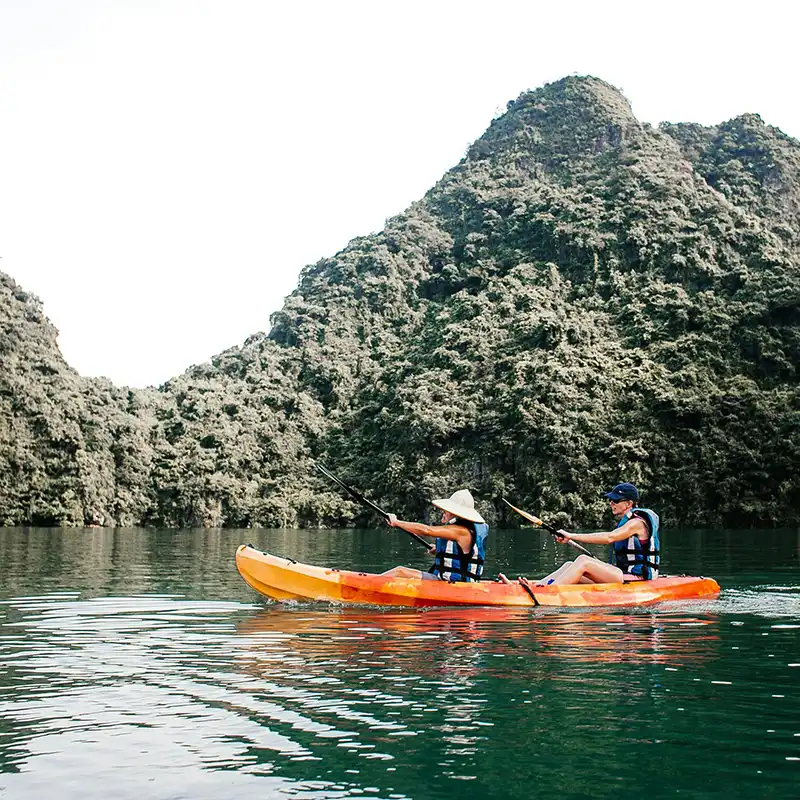
Want a softer day on the water before or after your climb? This day cruise heads toward the quieter Gia Luan area near Cat Ba, with kayaking or a bamboo boat ride among the limestone islands.
From $109 per person
Best Time for Deep Water Soloing in Lan Ha Bay
Two things decide a good day: the season and the tide.
Season
| Months | Conditions for DWS |
|---|---|
| April to June | Warming water, often good conditions |
| July to September | Warmest water, but more rain and storm risk |
| October to November | Pleasant air, water still mild, often a favorite time |
| December to March | Cool air and cold water, fewer trips run |
Weather in the Gulf of Tonkin changes quickly, and boats stay in port when storms are forecast (reference only, updated November 2026). Our guide to the best time to join Cat Ba tours covers the seasons in more detail.
Tides
Tides matter more than most people expect. Many walls are only safe at mid to high tide, when the water below is deep enough. At low tide, rocks and the eroded cliff base can be exposed. Good guides plan the day around the tide table and move to another wall if the water is too shallow.
Safety Rules You Must Follow
Deep water soloing feels free, but the water only protects you if you respect a few rules.
- Always climb with a guide who knows the walls, the depth and the tide.
- Check the landing zone before every climb, and never fall where you cannot see the water clearly.
- Fall feet first, with your body straight, arms close to your sides and toes slightly pointed.
- Do not dive head first from any height.
- Push gently away from the wall when you let go, so you clear the base.
- Know your limit: stop climbing higher when you feel tired or nervous.
- Keep a spotter on the boat watching each climber until they surface.
- Skip alcohol before and during the climb.
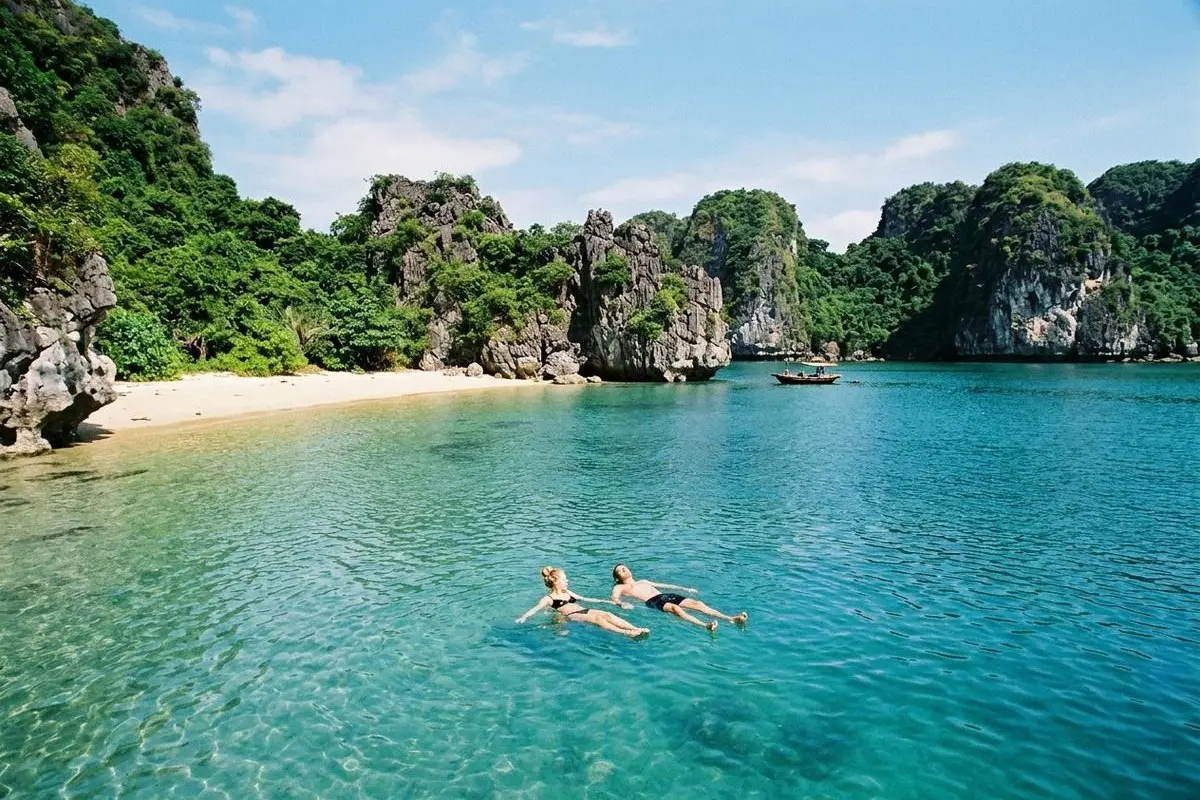
For general safety equipment on outdoor trips around the city and islands, see our checklist of safety gear for your Haiphong adventure trip.
What to Bring
Deep water soloing needs very little gear. Your guide usually provides climbing shoes and chalk, but confirm this when you book.
- Swimwear you can climb in, plus a quick-dry T-shirt or rash guard.
- Old climbing shoes if you have them, since salt water ages shoes quickly.
- Reef-safe sunscreen, a hat and sunglasses with a strap.
- Plenty of drinking water and snacks.
- A dry bag for your phone, money and camera.
- A small towel and a dry change of clothes for the ride back.
- Basic first aid for small scrapes from sharp rock.
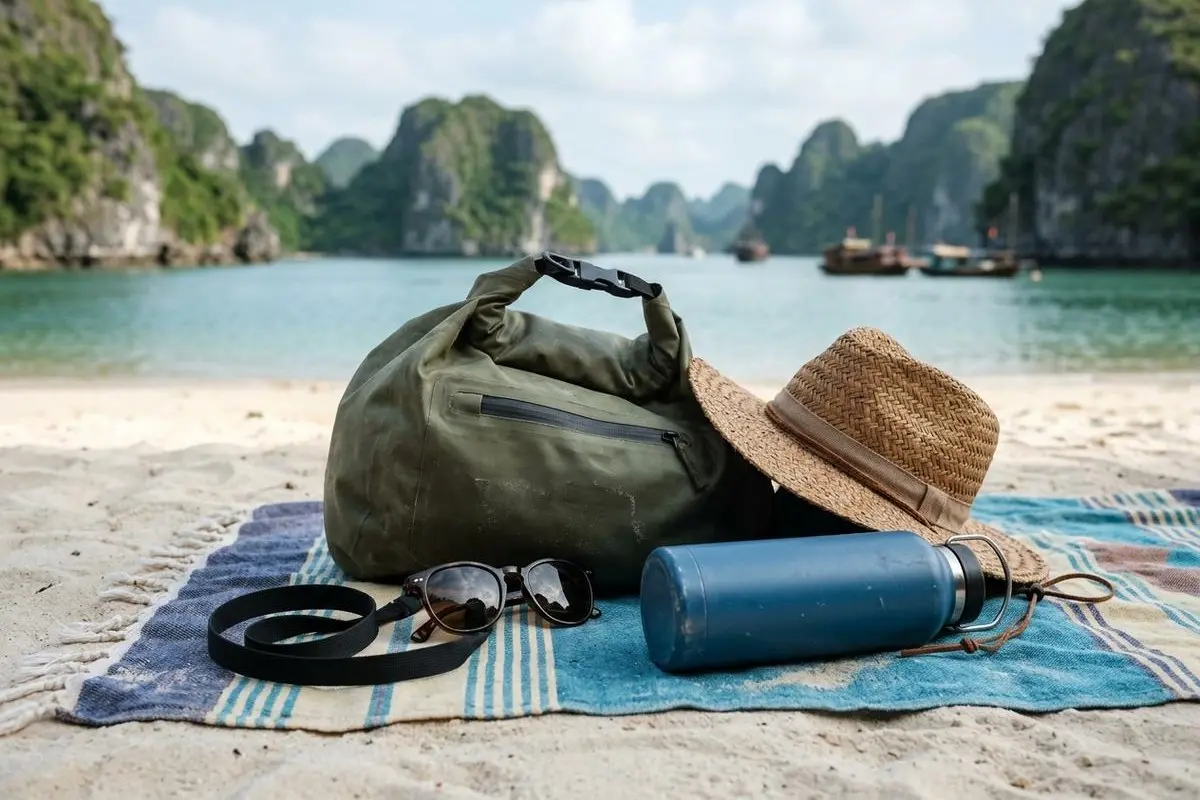
>>> Essential Items To Pack For Lan Ha Bay Tour Day
How to Get to Cat Ba for Your Climb
Most climbers stay in Cat Ba town for at least two nights so they have a spare day if the weather turns. From Haiphong city, you can reach Cat Ba by road and the short ferry crossing, or by passenger boat from the city, depending on the season and schedule.
- From Haiphong city center: private car or bus to the ferry, then a short crossing to the island.
- From Cat Bi Airport: the Tan Vu – Lach Huyen sea bridge makes the road trip quicker.
- From Hanoi: combined bus and ferry tickets run daily, with a transfer in Haiphong.
Travelling with gear or big bags? Our guide on the best way to go from Haiphong to Cat Ba with luggage compares the options.
Frequently Asked Questions
Is deep water soloing in Lan Ha Bay safe?
It is reasonably safe when you go with an experienced guide, climb at the right tide and fall correctly. Most injuries come from bad landings, shallow water or climbing too high too soon.
Do I need climbing experience?
No. Beginners can enjoy low traverses and short routes. Strong swimming and a calm attitude in the water matter more than climbing skill.
How high are the routes?
Routes range from a few meters above the water to well over ten meters. You choose how high you go, and you can let go at any point.
When is the best time to go?
The warmer months from spring to autumn are best, with October and November often pleasant. Always check the weather forecast and tide times.
Can I combine deep water soloing with other activities?
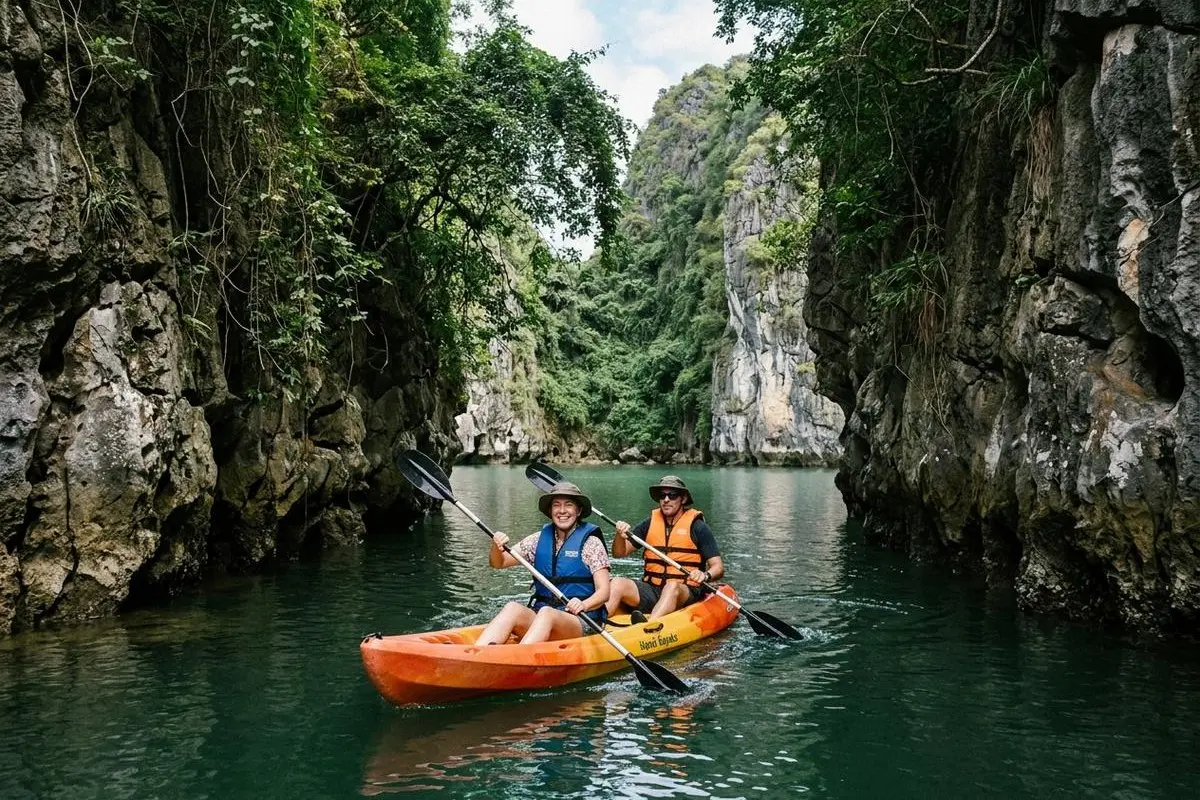
Yes. Many trips include swimming, kayaking or a beach stop, and Cat Ba also offers rope climbing, trekking and cycling.
Plan Your Lan Ha Bay Climbing Adventure
Deep water soloing in Lan Ha Bay combines climbing, swimming and some of the most beautiful scenery in Vietnam in a single day. Choose the right season, follow the tide, respect the safety rules and you will remember that first drop into the sea for years. Haiphong Adventure helps international travelers plan transport, stays and activities across Haiphong, Cat Ba and Lan Ha Bay. Browse our Haiphong tours or message us with your dates.
Contact Haiphong Adventure
- WhatsApp, Viber, WeChat: +84(0)934.555.001
- KakaoTalk, Line ID: haiphongadventure