24-Hour DIY Haiphong Tour: The Ultimate Guide
Haiphong is often misunderstood. For many travelers exploring the rich tapestry of Northern Vietnam, this coastal city is viewed merely as a transit hub—a necessary pause to step off a train and onto a ferry headed for the limestone karsts of Cat Ba Island or Lan Ha Bay. They rush through, eyes fixed on the horizon, missing the vibrant, historical, and incredibly authentic city right beneath their feet.
This is a significant mistake.
Haiphong is the third-largest city in Vietnam, a historically significant international port city that has served as the gateway to the north for centuries. It wears its history proudly, displaying French colonial architecture that rivals Hanoi’s Old Quarter but without the overwhelming tourist crowds. It possesses a fierce culinary reputation, considered by many locals as the true street food capital of the North. It is raw, industrious, charming, and surprisingly welcoming.
For the independent traveler, Haiphong offers a unique opportunity. It is a chance to step off the well-worn backpacker trail and curate your own experience. A DIY haiphong tour isn’t about ticking off major world landmarks or standing in line for hours; it is about immersion. It is about navigating narrow alleys, sitting on low plastic stools sipping incredible coconut coffee, and discovering a side of urban Vietnam that feels untouched by mass tourism.
Twenty-four hours is barely enough to scratch the surface, but it is enough to fall in love with the city’s vibe. This itinerary is designed for those who want to build their own haiphong adventure, focusing on culture, history, and, most importantly, the incredible food scene.
<span style=”color:red”>[Ảnh chính: Một bức ảnh collage tổng hợp: Góc trái là Nhà hát lớn Hải Phòng màu vàng rực rỡ, Góc phải trên là một bát bánh đa cua đầy đặn hấp dẫn, Góc phải dưới là hình ảnh một du khách nước ngoài đang lái xe máy cười tươi trên đường phố Hải Phòng. Alt text: DIY Haiphong Tour highlights with food and motorbike]</span>
The Logistics: Getting There and Getting Around
Before diving into the itinerary, you need to understand how to approach the city. The journey itself is part of the experience.
The Historic Train Ride
While you can take a limousine bus via the new highway (which takes only about 90 minutes from Hanoi), the train is the romantic choice. Departing from Long Bien or Hanoi Railway Station, the train rattles through the Red River Delta, offering views of endless rice paddies and rural villages. Arriving at Haiphong Railway Station is an event in itself. Built by the French, it is one of the most beautiful and well-preserved stations in Vietnam, with its colonial yellow façade and grand clock tower. It sets the perfect tone for a nostalgic trip.
Motorbike is King
Haiphong is a spacious city with wide boulevards, unlike the cramped quarters of Hanoi. To truly maximize your 24 hours, you need mobility. While ride-hailing apps are available, they limit your freedom. The true spirit of a haiphong adventure lies in the ability to explore hidden alleys (hem) and cruise along the coastal roads at your own pace.
If you are a confident driver, renting a motorbike is the best option. However, Haiphong traffic can be unpredictable for newcomers. If you want the freedom of two wheels without the stress of navigating, booking a local motorbike tour driver is a fantastic compromise. This allows you to soak in the sights while a local expert handles the road.
<span style=”color:red”>[Ảnh: Hình ảnh Ga Hải Phòng (Haiphong Railway Station) chụp từ bên ngoài, lấy toàn cảnh kiến trúc kiểu Pháp cổ kính với bầu trời xanh. Alt text: Haiphong Railway Station French architecture]</span>
07:00 AM – 09:00 AM: The Breakfast Ritual
In Haiphong, breakfast is not just a meal; it is a religion. You cannot start a haiphong tour without eating Banh Da Cua. Unlike the white rice noodles (Pho) found elsewhere, Haiphong’s noodles are locally made, thick, chewy, and distinctively brown—a color derived from caramelizing sugar or dragon fruit peel during the drying process.
Target: The Legendary Banh Da Cua (Crab Noodles)
Where to go: Do not go to a fancy restaurant. Look for a busy street-side stall on Lach Tray Street, Cau Dat, or near the Tam Bac market. If you see locals sitting on tiny plastic stools, you know it’s good.
The Experience: Imagine sitting on a low stool, the morning air filled with the savory scent of simmering pork bone and crab broth. A bowl of Banh Da Cua is a visual masterpiece. The dark brown noodles are submerged in a rich, golden broth topped with minced field crab, pork balls wrapped in betel leaves (cha la lot), fried fish cakes, stunningly fresh shrimp, and morning glory.
When you take the first bite, the texture of the noodles combines with the umami bomb of the crab broth. It is salty, savory, and slightly sweet. The secret ingredient? Chi Chuong. This is Haiphong’s special chili sauce—spicier and more garlicky than the standard chili sauce you find in Hanoi. Add a dash of Chi Chuong and a squeeze of kumquat, and you will understand why locals are so proud of this dish. It is the fuel you need for the long day ahead.
<span style=”color:red”>[Ảnh: Cận cảnh một bát Bánh đa cua thập cẩm bốc khói nghi ngút, nhìn rõ màu nâu của bánh đa, màu gạch cua và rau muống xanh mướt. Bên cạnh là lọ tương ớt Chi Chương đặc trưng. Alt text: Authentic Banh Da Cua Haiphong breakfast]</span>
09:00 AM – 11:30 AM: Colonial Architecture & Coffee Culture
After breakfast, it is time to walk off those calories and explore the city center. Haiphong’s urban planning was heavily influenced by the French, resulting in a grid system of wide, tree-lined avenues that feel surprisingly European.
The Opera House Square
Head straight to the Municipal Theatre, commonly known as the Haiphong Opera House. Built in 1904, it is one of only three French opera houses in Vietnam. Its yellow façade, Corinthian columns, and grand steps make it the city’s most iconic landmark.
The square in front of the Opera House is the beating heart of the city. In the morning, you will see elders practicing Tai Chi, children playing, and flower vendors selling huge bouquets of lilies or lotuses depending on the season. It is a peaceful spot to observe local life.
The Coffee Break
You cannot be in Vietnam without coffee, but Haiphong has its own twist: Coconut Coffee (Cot Dua Ca Phe). Head to a cafe on Lach Tray or Dinh Tien Hoang street. While Hanoi is famous for Egg Coffee, Haiphong masters the art of blending strong Robusta coffee with slushy, sweet coconut milk and condensed milk. It is topped with crispy dried coconut flakes and sometimes tapioca pearls. It is less of a morning drink and more of a decadent dessert that cools you down instantly in the humid tropical weather.
<span style=”color:red”>[Ảnh: Một ly Cà phê cốt dừa (Coconut Coffee) được chụp xóa phông, phía sau là khung cảnh đường phố Hải Phòng nhộn nhịp. Ly cà phê có lớp dừa bào khô bên trên. Alt text: Famous Coconut Coffee in Haiphong]</span>
11:30 AM – 01:00 PM: The “Food Tour” Lunch
By now, you might have noticed groups of young Vietnamese travelers riding around with maps in their hands. They are on a “Food Tour.” Haiphong has become a pilgrimage site for foodies from Hanoi and beyond. For lunch, skip the rice and dive into the snacks that made this city famous.
Menu Item 1: Banh Mi Cay (Spicy Bread Sticks) These are not the giant Banh Mi sandwiches you see internationally. They are tiny, finger-sized baguettes, barely wider than two fingers. They are filled with a simple layer of pate and toasted until incredibly crispy. The magic, again, is the dipping sauce (Chi Chuong). You don’t eat one; you eat ten.
Menu Item 2: Nem Cua Be (Crab Spring Rolls) Different from the cylindrical rolls elsewhere, Haiphong’s crab spring rolls are wrapped into large squares. Filled with generous amounts of sea crab meat, pork, egg, and bean sprouts, they are deep-fried to blistering perfection. The skin is shattering crisp, and the inside is moist and flavorful.
DIY Tip: Head to the area around Cho Con (Con Market). This market is the epicenter of Haiphong street food. You can wander from stall to stall, sampling everything from snail spring rolls to sweet soups (Che).
<span style=”color:red”>[Ảnh: Một đĩa Bánh mì cay Hải Phòng xếp chồng lên nhau, bên cạnh là bát nước chấm chí chương màu đỏ tươi. Alt text: Spicy Bread Sticks Banh Mi Cay Haiphong]</span>
01:30 PM – 05:00 PM: Choose Your Own Adventure
The afternoon is where the “DIY” aspect really kicks in. Depending on your mood, you have two distinct options for your haiphong adventure.
Option A: The Coastal Ride to Do Son (For Nature Lovers)
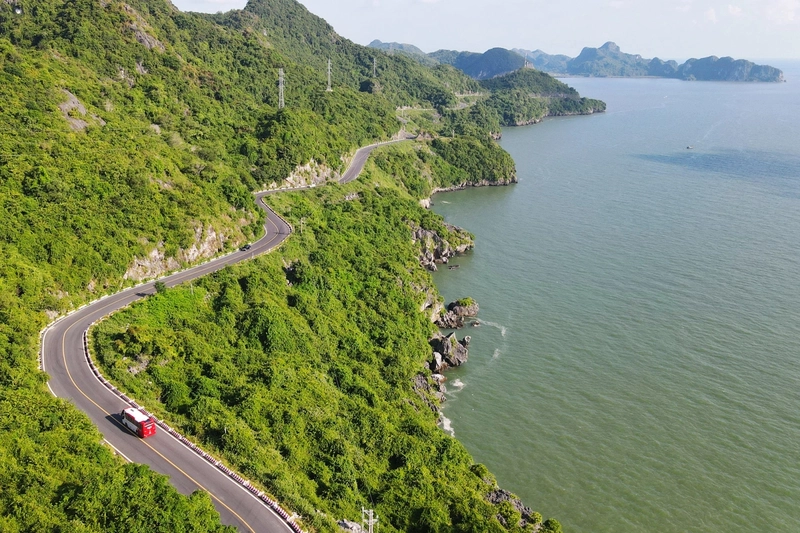
If you have a motorbike (or a driver), head southeast to the Do Son Peninsula. It takes about 30-45 minutes from the city center. The ride itself is refreshing as the salty sea breeze hits your face.
Do Son is famous for its history. Visit the Bao Dai Villa, the summer palace of Vietnam’s last emperor. Perched on a hill overlooking the ocean, it offers a glimpse into the royal life of the 1930s. The architecture is stunning, and the views are panoramic.
Continue to Hon Dau Island, a small islet you can reach by a short boat ride. It feels like a different world, covered in primeval banyan trees and home to an ancient lighthouse built by the French. It is quiet, mystical, and a stark contrast to the city.
Option B: The Cultural Deep Dive (For History Buffs)
If you prefer to stay closer to the city, visit the Du Hang Pagoda. Established in the 17th century, it is the oldest and most sacred temple in Haiphong. The architecture is traditional Vietnamese, with intricate wood carvings, curved roofs, and a peaceful courtyard filled with bonsai trees. It is a spiritual oasis where you can smell incense and find a moment of Zen.
Next, visit the Haiphong Museum. It’s small but packed with artifacts that tell the story of the city’s defense against various invaders and its development as a port. It provides crucial context to the buildings you have been seeing all day.
<span style=”color:red”>[Ảnh: Biệt thự Bảo Đại (Bao Dai Villa) ở Đồ Sơn nằm trên đồi cao, nhìn ra biển xanh bao la. Alt text: Bao Dai Villa Do Son Haiphong]</span>
05:30 PM – 07:00 PM: Sunset and The Bridges
Haiphong is a city of bridges. As the sun begins to set, ride towards the Hoang Van Thu Bridge or the Binh Bridge. These modern structures offer the best vantage points to see the city skyline and the busy port.
Watching the cargo ships move slowly down the Cam River while the sky turns purple and orange is a reminder of Haiphong’s industrial soul. It is not traditionally “pretty” like a postcard, but it has a powerful, cinematic beauty. This is the perfect time for photographers to capture the contrast between the old fishing boats and the massive steel cranes.
07:00 PM – Late: The Nightlife and “Oc” Culture
The sun is down, the streetlights are on, and the city transforms. It is time for dinner, and in Haiphong, that means one thing: Oc (Sea Snails).
Going for “Oc” is a social event. You sit on the sidewalk with friends, order a few beers (Haiphong Beer is a must-try), and work your way through a menu of seashells.
What to order:
-
Oc Huong: Sweet snails stir-fried with salted egg yolk sauce.
-
Hau Nuong: Oysters grilled with scallion oil and peanuts.
-
Oc Len Xao Dua: Mud creepers in a creamy coconut sauce.
The flavors are bold—spicy, sour, sweet, and salty all at once. The atmosphere is loud and cheerful. Locals will often toast with you (“Do!”). This is the most authentic way to end your haiphong tour.
After dinner, take a stroll along Tam Bac Lake. The pedestrian path is beautifully lit, and you will see the reflection of the city dancing on the water. If you still have energy, head to the walking street area for a nightcap at a local pub, where you can meet expats and friendly locals eager to practice their English.
<span style=”color:red”>[Ảnh: Một bàn tiệc Ốc Hải Phòng với nhiều loại ốc khác nhau: ốc hương sốt trứng muối, hàu nướng mỡ hành, càng cù kỳ… đặt trên bàn nhựa vỉa hè buổi tối. Alt text: Haiphong Sea Snail Street Food Dinner]</span>
Practical Tips for Your Haiphong Adventure
To make your trip smooth, keep these tips in mind:
-
Best Time to Visit: Haiphong is beautiful year-round, but the best time is from September to November (Autumn) or March to April (Spring). If you visit in May or June, you will see the Red Flamboyant flowers in full bloom, painting the streets red.
-
Navigation: Google Maps works well here. However, be aware that Haiphong has many one-way streets. Always pay attention to road signs.
-
Language: English is spoken in hotels and some cafes, but less so at street food stalls. Download Google Translate or just point and smile—body language goes a long way.
-
Connectivity: Buy a local 4G SIM card. It is essential for maps and translation.
Is a DIY Tour Right for You?
Exploring Haiphong on your own is rewarding, but it can also be challenging if you are not comfortable driving a motorbike or navigating language barriers. The traffic, while less chaotic than Hanoi, can still be intimidating for beginners.
If you want the authentic experience of this itinerary—eating at the hidden gems, finding the secret photo spots, and hearing the local stories—without the stress of driving, consider booking a tour with us at Haiphong Adventure.
We specialize in motorbike tours that bridge the gap between a DIY adventure and a guided experience. Our local guides are not just drivers; they are storytellers and food experts who know every alley in the city. We offer:
-
Customized Food Tours: We take you to the stalls that aren’t on Google Maps.
-
City & Culture Tours: Learn the history behind the architecture.
-
Northern Vietnam Loops: Using Haiphong as a base to explore majestic loops like Ha Giang or Cao Bang.
Whether you choose to go it alone or join us for a ride, Haiphong is waiting to be discovered. Don’t just pass through; stay, eat, and explore.
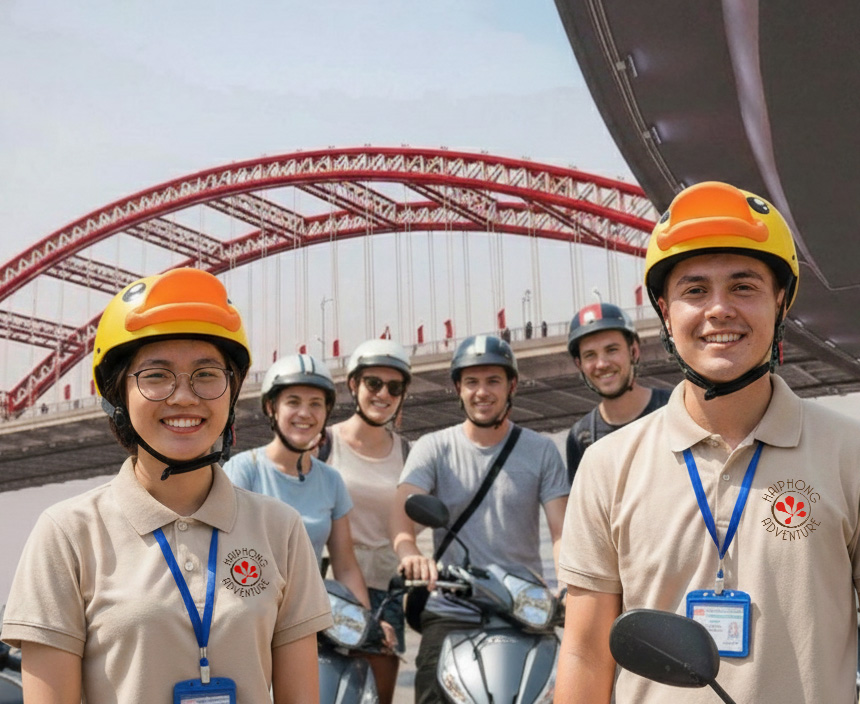
<span style=”color:red”>[Ảnh: Đội ngũ hướng dẫn viên của Haiphong Adventure mặc đồng phục, đứng bên cạnh dàn xe máy, cười thân thiện chào đón khách. Alt text: Haiphong Adventure Motorbike Tour Team]</span>
Ready to start your Northern Vietnam journey? Visit haiphongadventure.com to book your motorbike tour or get free advice for your trip. See you on the road!